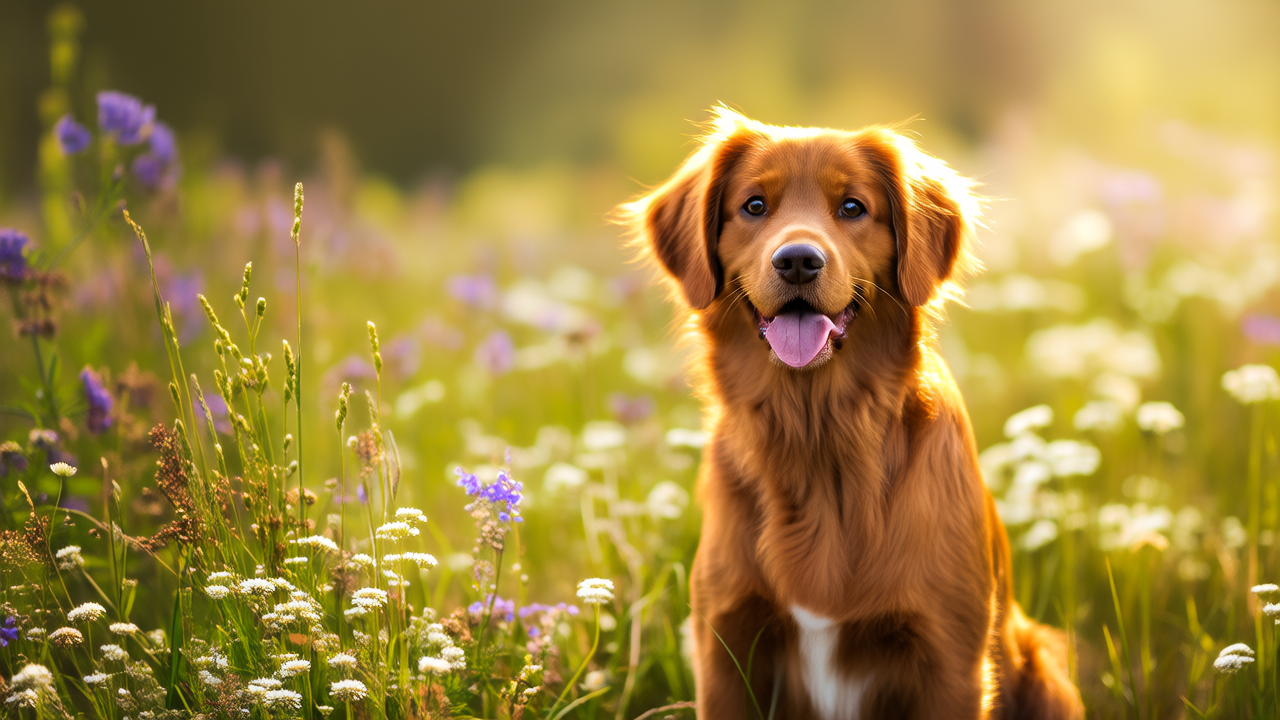
Cocker Spaniel Poodle Mix: Coat Care, Yeast Issues & Grooming Guide
Complete Cockapoo breed profile covering coat types, yeast-prone skin care, anti yeast dog shampoo options, temperament, health risks, and costs.

The Cockapoo: Where Cocker Spaniel Meets Poodle
The Cockapoo — a cross between the Cocker Spaniel and the Poodle (typically Miniature or Toy) — has been a staple of the designer dog world since the 1950s, making it one of the oldest intentionally bred mixed breeds in the United States. Their appeal is straightforward: a compact size, an affectionate disposition, and a coat that many allergy sufferers tolerate better than heavy-shedding breeds. But beneath that teddy-bear face lies a dog with genuine care complexity, particularly when it comes to skin health and grooming.
If you've found yourself searching for an anti yeast dog shampoo because your Cockapoo keeps developing that musty, corn-chip smell or recurring ear infections, you're not alone. The very coat traits that make this mix popular also create an environment where Malassezia yeast thrives. This guide covers everything from parent breed genetics to generation breakdowns, health predispositions, and the grooming protocols that keep Cockapoos healthy.
Parent Breed Breakdown
Understanding a Cockapoo starts with understanding the two breeds behind it. Each parent contributes distinct physical and behavioral traits, and the mix inherits a variable combination of both.
| Trait | Cocker Spaniel (American) | Poodle (Miniature/Toy) |
|---|---|---|
| AKC Weight Range | 20–30 lb (9–14 kg) | Mini: 10–15 lb (4.5–7 kg); Toy: 4–6 lb (1.8–2.7 kg) |
| Height at Shoulder | 13.5–15.5 in (34–39 cm) | Mini: 10–15 in (25–38 cm); Toy: under 10 in (25 cm) |
| Coat Type | Silky, medium-length, feathered | Curly, dense, continuously growing |
| Shedding Level | Moderate | Very low |
| Energy Level | Moderate to high | High |
| Trainability | Good (can be sensitive) | Excellent (ranked #2 in canine intelligence) |
| Common Health Concerns | Ear infections, hip dysplasia, PRA, autoimmune issues | Patellar luxation, Addison's disease, bloat (Standard), dental disease |
| Lifespan | 10–14 years | 12–18 years (smaller varieties live longer) |
The Cocker Spaniel contributes the soft, expressive eyes, the feathered ear furnishings, and the gentle retrieving instinct. The Poodle contributes the curl pattern, the low-shedding undercoat, and the sharp problem-solving ability. The combination can be delightful — but it can also produce a dog that inherits the Cocker's ear infection tendency and the Poodle's dense coat that traps moisture against the skin.
Generations Explained: F1, F1B, F2, and Multigen Cockapoos
- F1 (First Generation): 50% Cocker Spaniel × 50% Poodle. Most genetically diverse. Coat type is least predictable — puppies in the same litter may range from wavy to tightly curled.
- F1B (First Generation Backcross): F1 Cockapoo × Poodle (75% Poodle, 25% Cocker Spaniel). Bred specifically to increase the likelihood of a low-shedding, curly coat. More predictable for allergy sufferers.
- F2 (Second Generation): F1 Cockapoo × F1 Cockapoo (50/50 split). Produces the widest trait variation in a single litter — some puppies may shed heavily, others not at all.
- Multigen (F3+): Cockapoo × Cockapoo for three or more generations. Most predictable traits, but requires a responsible breeder who health-tests every generation. The North American Cockapoo Registry (NACR) tracks multigen lines.
Why does this matter? Because generation directly affects coat type, which directly affects your grooming needs and your likelihood of needing an anti yeast dog shampoo on a regular basis. F1 Cockapoos with wavy, Cocker-dominant coats tend to have better airflow to the skin. F1B and multigen Cockapoos with dense Poodle-dominant curls trap more moisture and heat — creating the exact conditions where Malassezia pachydermatis (the yeast species commonly found on canine skin) overgrows.
Size Range and Physical Variability
Cockapoo size depends heavily on which Poodle variety was used in the cross. There is no single breed standard, so expect meaningful variation even within the same litter.
| Size Category | Weight Range | Height at Shoulder | Poodle Parent Used |
|---|---|---|---|
| Teacup/Toy Cockapoo | 6–12 lb (2.7–5.4 kg) | 8–10 in (20–25 cm) | Toy Poodle |
| Miniature Cockapoo | 13–18 lb (5.9–8.2 kg) | 11–14 in (28–36 cm) | Miniature Poodle |
| Standard/Maxi Cockapoo | 19–30 lb (8.6–13.6 kg) | 15–18 in (38–46 cm) | Miniature or small Standard Poodle |
The most common Cockapoo in the U.S. falls in the miniature range — roughly 13–18 lb. If a breeder cannot tell you exactly which Poodle size was used, be cautious: a "miniature" Cockapoo from an unverified pairing could end up at 25 lb or stay at 9 lb. Reputable breeders will share parent weights and generation documentation.
Coat Types, Shedding, and the Yeast Connection
This is where Cockapoo ownership gets nuanced — and where that anti yeast dog shampoo search becomes relevant for many owners.
Three Common Cockapoo Coat Types
- Flat/Straight Coat (Cocker-dominant): Resembles a Cocker Spaniel's coat with light wave. Easiest to maintain. Sheds moderately. Least prone to yeast overgrowth because air circulates freely to the skin.
- Wavy/Loose Curl Coat (Blended): The most common F1 coat type. Soft waves with moderate density. Sheds minimally. Moderate yeast risk — requires regular brushing to prevent matting that traps moisture.
- Tight Curl Coat (Poodle-dominant): Dense, wool-like curls close to the body. Found most often in F1B and multigen Cockapoos. Virtually non-shedding. Highest yeast risk — the dense curls hold humidity against the skin, especially in the ear canals, armpits, groin, and between toe pads.
Why Cockapoos Are Yeast-Prone
Malassezia yeast lives naturally on all dogs' skin in small numbers. Problems arise when the yeast population explodes, causing a condition called Malassezia dermatitis. Cockapoos are predisposed for several converging reasons:
- Floppy, hairy ears (from the Cocker Spaniel): The ear canal stays warm, dark, and moist — ideal yeast incubation conditions. According to AKC health guidance, floppy-eared breeds are significantly more prone to otitis externa than prick-eared breeds.
- Dense coat trapping moisture: After baths, swims, or rainy walks, a curly Cockapoo coat can take hours to dry fully. Damp skin under a dense coat promotes yeast proliferation.
- Allergic skin disease (atopy): Both Cocker Spaniels and Poodles carry genetic predispositions to environmental allergies. Allergic inflammation disrupts the skin barrier, allowing yeast to overcolonize. The AVMA notes that allergic dermatitis is one of the most common reasons dogs develop secondary yeast infections.
- Skin folds: Some Cockapoos inherit slight facial folds or lip folds from the Cocker Spaniel side, creating additional moisture-trapping areas.
- Persistent musty or "corn chip" odor, especially around ears and paws
- Reddish-brown staining on light-colored fur between toes or around the mouth
- Excessive scratching at ears, licking paws, or rubbing face on furniture
- Greasy or flaky skin patches, particularly in armpits and groin
- Dark, waxy ear discharge with a sweet or sour smell
- Thickened, darkened skin (hyperpigmentation) in chronic cases
If you notice these signs, consult your veterinarian before starting any treatment. A vet can perform a skin cytology (tape prep) to confirm yeast versus bacterial infection, which require different treatments.
Anti Yeast Dog Shampoo: What to Look For
When your vet confirms a yeast issue (or recommends a maintenance bathing protocol to prevent one), the right shampoo makes a measurable difference. Here's what veterinary dermatologists typically look for in an effective anti yeast dog shampoo:
| Active Ingredient | How It Works | Typical Concentration | Notes |
|---|---|---|---|
| Chlorhexidine (2–4%) | Broad-spectrum antiseptic; effective against both yeast and bacteria | 2% for maintenance, 4% for active infection | Most commonly recommended by veterinary dermatologists |
| Miconazole (2%) | Antifungal that targets Malassezia cell membranes | 2% | Often combined with chlorhexidine for dual action |
| Ketoconazole (1–2%) | Antifungal; disrupts yeast cell wall synthesis | 1–2% | Prescription-strength in some formulations |
| Selenium Sulfide | Antifungal and keratolytic (reduces flaking) | 1% | Can be drying; not ideal for frequent use |
| Phytosphingosine | Supports skin barrier; reduces yeast adherence | Varies | Found in maintenance shampoos (e.g., Douxo S3 line) |
Bathing protocol for yeast-prone Cockapoos: Most veterinary dermatologists recommend bathing every 7–14 days during active flare-ups, with a 10-minute contact time before rinsing (this is critical — rinsing too soon renders the active ingredients ineffective). For maintenance, bathing every 3–4 weeks with a milder antifungal shampoo helps keep yeast populations in check.
Temperament: What to Expect (and What Might Surprise You)
Cockapoos are generally described as affectionate, social, and eager to please — but "generally" does a disservice to the real variability in this mix.
Best-Case Temperament Scenario
A well-socialized Cockapoo from health-tested, temperament-evaluated parents tends to be: highly people-oriented, good with children who've been taught respectful interaction, adaptable to apartment or house living, responsive to positive reinforcement training, and playful without being hyperactive. The Poodle intelligence combines with the Cocker Spaniel's softness to produce a dog that learns quickly and works cooperatively.
Challenging Temperament Scenarios
Cockapoos can also inherit less convenient traits from either parent:
- Sensitivity and anxiety (Cocker Spaniel influence): Some lines are prone to separation anxiety, noise sensitivity, and submissive urination. These dogs do poorly with long alone-time and harsh corrections.
- Hyper-vigilance and barking (Poodle influence): Poodles are alert watchdogs. Some Cockapoos bark excessively at doorbells, passing dogs, and wind chimes. This is manageable with counter-conditioning but frustrating for apartment dwellers.
- Resource guarding: Both parent breeds can show resource guarding tendencies. Early training with positive reinforcement protocols (trade-up games, hand-feeding) is important.
- High prey drive (Cocker Spaniel influence): As a spaniel, the Cocker has bird-hunting instincts. Some Cockapoos will chase squirrels, rabbits, and cats with genuine enthusiasm. Off-leash reliability varies widely.
Training note: Cockapoos respond best to force-free, positive reinforcement methods. Their Cocker Spaniel sensitivity means that aversive tools (shock collars, prong collars, alpha rolls) can cause lasting behavioral damage — fear-based aggression and shutdown are documented outcomes in sensitive dogs trained with punishment-based methods.
Health Considerations: Hybrid Vigor vs. Reality
Let's address the most persistent myth in the designer dog world: the idea that mixed breeds automatically have fewer health problems due to "hybrid vigor." The reality is more nuanced.
Hybrid vigor (heterosis) does exist in canine genetics — it refers to the reduced likelihood of expressing recessive genetic diseases when two unrelated gene pools combine. If a disease requires two copies of a defective gene (one from each parent), crossing breeds with different gene pools lowers the probability. However, hybrid vigor does not protect against:
- Dominant or polygenic conditions: Hip dysplasia, elbow dysplasia, and certain cardiac conditions involve multiple genes and environmental factors. Both parent breeds can carry these risks.
- Structural conformation issues: If both parent breeds share a trait (like floppy ears), the mix inherits the associated health risks (chronic ear infections).
- Conditions present in both parent breeds: Progressive retinal atrophy (PRA), patellar luxation, and certain autoimmune diseases appear in both Cocker Spaniels and Poodles — meaning the mix can inherit them from either side.
Health Conditions to Screen For in Cockapoos
| Condition | Inherited From | Prevalence/Notes | Recommended Screening |
|---|---|---|---|
| Chronic Otitis Externa (ear infections) | Both (ear structure + allergies) | Very common — estimated 50%+ of Cockapoos experience recurring ear issues | Regular ear cytology at annual vet visits |
| Progressive Retinal Atrophy (PRA-prcd) | Both breeds | PRA-prcd variant found in both Poodles and Cocker Spaniels | DNA test (Optigen or equivalent); OFA eye exam |
| Familial Nephropathy (FN) | Cocker Spaniel | Fatal kidney disease; onset 3–24 months | DNA test available; responsible breeders test |
| Patellar Luxation | Both breeds (especially Toy/Mini Poodle) | Common in small breeds; grades I–IV | OFA patella evaluation |
| Hip Dysplasia | Both breeds | Less common in small breeds but present in Cocker lines | OFA or PennHIP evaluation |
| Addison's Disease | Poodle | Autoimmune adrenal insufficiency; more common in Poodles than general population | ACTH stimulation test if symptomatic |
| Atopic Dermatitis (environmental allergies) | Both breeds | Very common; leads to secondary yeast/bacterial skin infections | Intradermal or serum IgE allergy testing if symptomatic |
| Mitral Valve Disease | Cocker Spaniel | Progressive heart valve degeneration; onset typically 8+ years | Annual cardiac auscultation; echocardiogram if murmur detected |
A responsible Cockapoo breeder should provide: OFA (or equivalent) patella and hip clearances for both parents, PRA-prcd and FN DNA test results, and documentation of temperament evaluation. Ask to see these before committing. The Orthopedic Foundation for Animals database allows you to verify health test results by dog name or registration number.
Grooming Needs and Maintenance Schedule
Cockapoo grooming requirements are directly tied to coat type, and they are non-negotiable. Neglected Cockapoo coats mat quickly, leading to skin infections, pain, and in severe cases, hematomas from matting pulling on ear tissue.
Recommended Grooming Schedule by Coat Type
| Task | Flat/Wavy Coat | Tight Curl Coat |
|---|---|---|
| Brushing | 3× per week (slicker brush + metal comb) | Daily or every other day (slicker brush + metal comb, line-brushing technique) |
| Professional grooming/clip | Every 8–10 weeks | Every 4–6 weeks |
| Ear cleaning | Weekly (vet-recommended ear wash) | Twice weekly; hair plucked from ear canal if recommended by vet |
| Bathing (maintenance) | Every 4–6 weeks | Every 2–4 weeks (anti yeast dog shampoo if prescribed) |
| Nail trimming | Every 2–3 weeks | Every 2–3 weeks |
| Teeth brushing | Daily or minimum 4× per week | Daily or minimum 4× per week |
| Sanitary trim | As needed between groomer visits | Every 2–3 weeks (curly coats mat around genital area quickly) |
Professional grooming cost (2026): Expect to pay $65–$120 per session for a Cockapoo, depending on your metro area, coat condition, and add-on services (teeth brushing, nail grinding, de-shedding treatment). Annual grooming costs for a tight-curl Cockapoo groomed every 5 weeks average $850–$1,400.
Ear care is critical: Because of the Cocker Spaniel floppy ear and the Poodle's tendency to grow hair inside the ear canal, Cockapoos often need ear hair plucked or trimmed to improve airflow. Your groomer or vet can demonstrate the technique. A weekly flush with a veterinarian-recommended ear cleaner (look for products with a drying agent like boric or salicylic acid) helps prevent the moisture buildup that leads to both yeast and bacterial otitis.
Cost: What You'll Actually Spend
Cockapoo pricing varies significantly based on generation, breeder reputation, health testing, and geographic location.
| Expense Category | Low Range | Mid Range | High Range |
|---|---|---|---|
| Puppy purchase price | $800 (rescue/rehome) | $1,800–$2,500 (responsible breeder, health-tested) | $3,500–$5,000+ (multigen, show-line parents) |
| Initial vet visit + vaccines | $200 | $350 | $500 |
| Spay/neuter | $300 | $500 | $800 |
| Supplies (crate, bed, leash, bowls, grooming tools) | $200 | $400 | $700 |
| Food (first year, quality kibble or balanced diet) | $300 | $500 | $800 |
| Grooming (first year) | $400 | $900 | $1,400 |
| Preventive medications (flea/tick, heartworm) | $200 | $350 | $500 |
| Training classes (puppy + basic obedience) | $150 | $300 | $500 |
| Pet insurance (annual premium) | $400 | $600 | $900 |
| Total first-year estimate | $2,950+ | $5,700+ | $11,100+ |
Breeder vs. rescue availability: Cockapoos are one of the most commonly available designer breeds in rescue. Organizations like Doodle Rock Rescue and various Poodle/Cocker Spaniel breed rescues regularly have Cockapoos and Cockapoo mixes available. Adoption fees typically range from $300–$600 and include spay/neuter, vaccinations, and a veterinary exam. Adopting an adult Cockapoo also lets you assess coat type, temperament, and any existing health issues before committing.
Who This Mix Suits Best
The Cockapoo is not a one-size-fits-all dog. Here's an honest assessment of who thrives with this mix and who might want to consider alternatives.
- Families with children aged 6+ (small Cockapoos can be injured by rough toddlers)
- First-time dog owners willing to commit to grooming
- Apartment dwellers (miniature and toy sizes adapt well)
- People with mild dog allergies (F1B or multigen with tested low-shedding coats)
- Owners who want a trainable, companion-oriented dog
- Multi-pet households (generally good with other dogs and cats if socialized early)
- You cannot commit to regular professional grooming ($800–$1,400/year)
- You work long hours away from home (separation anxiety risk)
- You want a low-maintenance dog that "takes care of itself"
- You are highly sensitive to dog odor (yeast-prone coats require active management)
- You want guaranteed hypoallergenic traits (no mixed breed can guarantee this)
- You prefer a dog with strong guarding or protection instincts
Frequently Asked Questions
What two breeds make up a Cockapoo?
A Cockapoo is a cross between an American Cocker Spaniel (or occasionally an English Cocker Spaniel) and a Poodle — typically a Miniature or Toy Poodle, though some breeders use small Standard Poodles to produce larger "Maxi" Cockapoos.
How big will my Cockapoo get?
Most Cockapoos fall between 12–25 lb (5.4–11.3 kg) and 10–15 inches (25–38 cm) at the shoulder. However, size depends entirely on the Poodle parent's variety. Ask your breeder for parent weights to estimate adult size. There is no way to guarantee a specific adult weight in a mixed breed.
Is the Cockapoo hypoallergenic or low-shedding?
No dog is truly hypoallergenic — allergies are triggered by dander (skin flakes) and saliva proteins, not just hair. That said, F1B and multigen Cockapoos with Poodle-dominant curly coats tend to shed very little and may be better tolerated by allergy sufferers. F1 and F2 Cockapoos are less predictable. If allergies are a concern, spend time with the specific puppy or adult dog before committing, and consider allergy testing to identify your specific triggers.
How often should I bathe my Cockapoo with an anti yeast dog shampoo?
During an active yeast flare-up, your veterinarian may recommend bathing every 7–14 days with a medicated shampoo containing chlorhexidine (2–4%) and/or miconazole (2%). For maintenance prevention, bathing every 3–4 weeks with a milder antifungal shampoo is typical. Always follow your vet's specific protocol — over-bathing with medicated shampoos can strip the skin's natural oils and worsen irritation. The 10-minute contact time before rinsing is essential for efficacy.
What health issues might my Cockapoo inherit?
The most common inherited health concerns in Cockapoos include chronic ear infections, atopic dermatitis (environmental allergies), progressive retinal atrophy (PRA-prcd), patellar luxation, familial nephropathy (from the Cocker Spaniel side), and Addison's disease (from the Poodle side). Responsible breeders health-test both parents for PRA, FN, patellar luxation, and hip dysplasia. Ask for OFA documentation before purchasing.
How much does a Cockapoo cost?
From a responsible breeder who health-tests parents, expect to pay $1,800–$3,500 for a Cockapoo puppy in 2026. Multigen puppies from established lines with extensive health testing can reach $5,000 or more. Rescue/adoption fees range from $300–$600. First-year total ownership costs (food, vet, grooming, supplies) typically range from $3,000–$6,000 beyond the purchase price.
Are Cockapoos good with children?
Well-socialized Cockapoos are generally excellent with children, particularly ages 6 and up. Their small size makes them vulnerable to injury from toddlers who may drop, squeeze, or step on them. Always supervise interactions between any dog and young children, and teach children to respect the dog's space — especially during eating and sleeping.
Beth Carrasco
All our authors care for dogs every day — read more of their work on the authors page.