Coated Xolo Dog With Hair: The Complete Rare Breed Guide
the coated Xolo dog with hair — history, temperament, care needs, health risks, cost, and how this rare variety compares to the hairless Xolo.
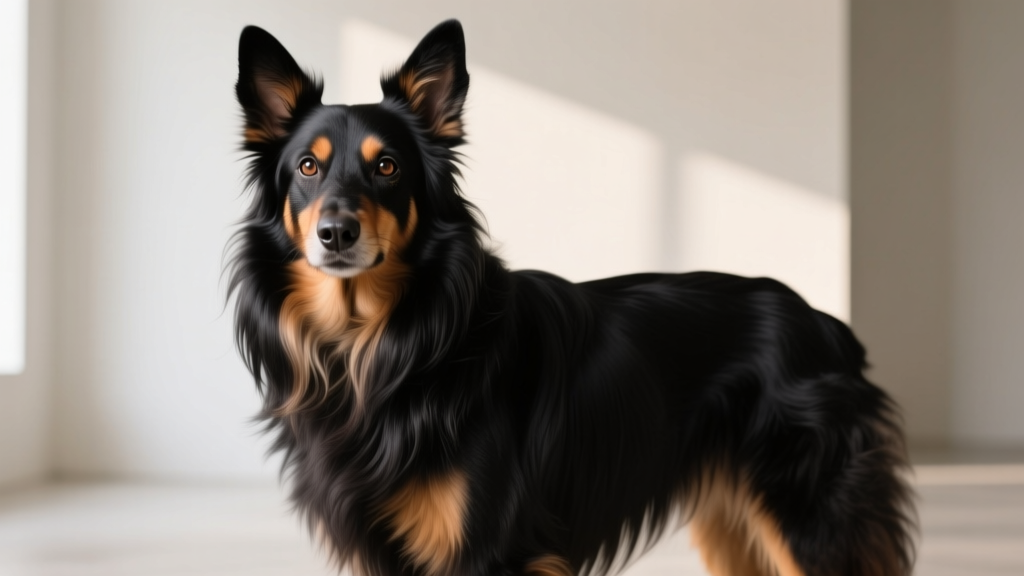
Most people picture a sleek, naked dog when they hear "Xoloitzcuintli." But there's a lesser-known version that surprises nearly everyone who encounters it: the coated Xolo dog with hair. This fully-furred variety of Mexico's ancient breed shares the same striking build, alert temperament, and 3,000-year lineage as its hairless counterpart — yet it remains one of the most misunderstood and under-researched dogs in the rare breed world.
If you've stumbled across a coated Xolo and found yourself wondering whether it's a mixed breed, a different dog entirely, or some kind of genetic fluke, you're not alone. In this guide, we'll walk through exactly what makes the coated variety unique, what it takes to live with one, and whether this rare dog might be the right fit for your household.
Ancient Roots: Where the Coated Xoloitzcuintli Comes From
The Xoloitzcuintli (pronounced show-low-eats-QUEENT-lee) originated in western and central Mexico, with archaeological evidence placing the breed alongside indigenous peoples — including the Aztec, Maya, Toltec, and Colima cultures — for at least 3,000 to 3,500 years. Clay and ceramic figurines from Colima burial sites dating to roughly 300 CE depict both hairless and coated dogs, confirming that the coated variety has existed alongside the hairless form since the breed's earliest documented history.
The breed's name combines the Aztec god Xolotl (deity of lightning, death, and the underworld) and itzcuintli, the Nahuatl word for dog. In pre-Columbian belief, Xolos were thought to guide souls through Mictlán, the underworld, and they served as spiritual protectors, bed warmers, and occasional hunting companions. The coated variety was reportedly preferred for hunting small game because its fur provided protection against thorny brush and cooler highland temperatures.
- ~1500 BCE: Earliest archaeological evidence of Xolo-type dogs in western Mexico (Colima shaft tombs).
- 300–900 CE: Ceramic figurines depicting both hairless and coated Xolos appear in Colima and Maya burial sites.
- 1300–1521 CE: Aztec empire era — Xolos serve as companions, healers, and spiritual guides; coated dogs used in highland regions.
- 1520s–1800s: Spanish colonization nearly drives the breed to extinction; coated Xolos survive in remote villages.
- 1887: A Mexican dog listed as "Mexican Hairless" is among early AKC registrations, but the breed loses recognition shortly after.
- 1956: The Xoloitzcuintli is officially recognized in Mexico as the national breed.
- 2011: The AKC re-admits the Xoloitzcuintli into the Non-Sporting Group, recognizing both hairless and coated varieties.
Rare by the Numbers: Recognition and Availability
The coated Xolo dog with hair is genuinely uncommon. According to the American Kennel Club, the Xoloitzcuintli ranks consistently in the bottom 20 breeds by annual registration. Within the already-small Xolo population, coated dogs represent roughly 1 in 5 to 1 in 3 puppies born in a litter, depending on the genetic pairing.
Here's how the breed stands across major registries:
| Registry | Group | Year Recognized | Coated Variety Accepted? |
|---|---|---|---|
| AKC (American Kennel Club) | Non-Sporting | 2011 (re-admission) | Yes — fully accepted in conformation |
| UKC (United Kennel Club) | Southern | 1996 | Yes |
| FCI (Fédération Cynologique Internationale) | Group 5, Section 6 | 1961 | Yes — listed as "variedad con pelo" |
The FCI standard explicitly notes that the coated variety ("variedad con pelo") is a natural part of the breed and should not be penalized in the show ring. However, because hairless-to-hairless matings produce the majority of coated puppies (the hairless trait is a dominant gene, and homozygous dominant is lethal in utero), responsible breeders often pair a hairless Xolo with a coated Xolo — making coated dogs essential to the breed's genetic health.
Physical Traits: What a Coated Xolo Dog With Hair Actually Looks Like
Strip away the coat and a coated Xolo is structurally identical to the hairless variety. The breed comes in three sizes, and the coated variety exists across all three:
| Size | Height | Weight | Lifespan |
|---|---|---|---|
| Toy | 10–14 in (25–36 cm) | 10–15 lb (4.5–6.8 kg) | 13–18 years |
| Miniature | 14–18 in (36–46 cm) | 15–30 lb (6.8–13.6 kg) | 13–18 years |
| Standard | 18–23 in (46–58 cm) | 30–55 lb (13.6–25 kg) | 13–18 years |
The coated Xolo's fur is short, flat, and dense — closer to a Doberman Pinscher or Vizsla coat than to a fluffy breed. It lies close to the body and has minimal undercoat. Acceptable colors under the AKC breed standard include black, gray, slate, red, fawn, liver, and bronze, often with white markings on the chest and feet. Brindle patterns also occur.
Key physical features that distinguish the coated Xolo from similar-looking breeds:
- Ears: Large, upright, bat-like ears set high on the skull — noticeably larger in proportion than a Chihuahua's
- Head shape: Wedge-shaped (dolichocephalic) with a long, narrow muzzle — more greyhound-like than terrier-like
- Body: Rectangular and athletic, with a deep chest, tucked abdomen, and long, whip-like tail carried in a gentle curve
- Eyes: Almond-shaped, medium-sized, ranging from dark brown to amber depending on coat color
- Skin: Unlike hairless Xolos, coated dogs have normal skin covered by fur, though the skin on the belly and inner thighs remains visible
Temperament: What Surprises New Coated Xolo Owners
Living with a coated Xoloitzcuintli is nothing like living with a typical companion breed. Here's what consistently catches first-time owners off guard:
They're velcro dogs with an independent streak. A coated Xolo will follow you from room to room, sleep pressed against your legs, and greet you with genuine enthusiasm — but they won't perform tricks on command for strangers. They bond intensely with one or two people and are often indifferent to everyone else. Think less Golden Retriever, more cat in a dog's body.
They are quiet but vocal when it counts. Xolos are not barkers. Most owners report their coated Xolo barking only at genuinely unusual events — a stranger at the door, an unfamiliar animal in the yard. This makes them excellent apartment dogs, but also means you can't rely on them as alert barkers for routine comings and goings.
They have a prey drive that surprises people. Bred partly as small-game hunters, coated Xolos — especially Miniature and Standard sizes — will chase squirrels, rabbits, and sometimes cats. This instinct is strong enough that off-leash time should only happen in fully fenced areas, regardless of recall training.
Sensitivity is the defining trait. Xolos are acutely attuned to household emotional dynamics. Tense arguments, loud voices, or chaotic environments visibly stress them. They thrive in calm, predictable homes and can become shut-down or anxious in high-conflict households.
Coated Xolos can do well with families, but they're best suited to households with children over age 8 who understand how to interact gently with dogs. Their sensitivity and low tolerance for ear-pulling or rough handling make them a poor match for toddlers. For first-time owners, the Toy and Miniature sizes are more manageable, but the breed's training quirks (stubbornness, sensitivity to correction) mean that novice owners should plan on working with a force-free, positive reinforcement trainer from the start.
Special Care Requirements for the Coated Variety
While coated Xolos are lower-maintenance than their hairless siblings in some respects (no sunscreen, no moisturizing routines), they have their own set of care needs:
- Grooming: Brush once weekly with a rubber curry brush or bristle brush. Bathing every 4–6 weeks with a mild, pH-balanced dog shampoo. Minimal shedding — expect light seasonal shedding in spring and fall.
- Dental care: Xolos are predisposed to early dental disease. Brush teeth 3–5 times per week minimum. Annual professional dental cleanings under anesthesia are recommended starting at age 3.
- Exercise: Toy: 20–30 minutes/day. Miniature: 30–45 minutes/day. Standard: 45–60 minutes/day. Mix of leash walks and structured play. Mental enrichment (snuffle mats, puzzle feeders, scent work) is essential — bored Xolos become destructive chewers.
- Temperature management: Coated Xolos tolerate cold better than hairless ones, but Toy and Miniature sizes still need a sweater or jacket when temperatures drop below 45°F (7°C). Standards handle cold down to roughly 32°F (0°C) for short periods.
- Skin checks: Even with a coat, check skin monthly for hot spots, fungal infections, and acne — particularly on the chin and belly where fur is thinner.
- Nail trimming: Every 2–3 weeks. Xolo nails grow quickly and overgrown nails alter their distinctive gait.
Nutrition specifics: Feed a complete-and-balanced diet with the AAFCO statement confirming suitability for your dog's life stage. For Standard coated Xolos, look for a minimum 22% protein and 8% fat for adult maintenance. Toy and Miniature sizes benefit from small-breed formulations with smaller kibble size. Budget $30–$70/month for quality commercial food depending on size.
Breed-Specific Health Concerns
The coated Xolo benefits from the same generally robust health profile as the hairless variety, but there are specific predispositions to know about. Always consult your veterinarian for personalized health guidance — the information below is for awareness, not diagnosis.
| Condition | Prevalence | Onset | Management |
|---|---|---|---|
| Dental disease (periodontitis) | High — estimated 60–80% of Xolos show signs by age 4 | 2–4 years | Daily brushing, professional cleanings, dental chews approved by the VOHC |
| Patellar luxation | Moderate — common in Toy and Miniature sizes | 6 months–3 years | Weight management, surgical correction in Grade III–IV cases ($1,500–$3,000 per knee) |
| Canine acne (chin folliculitis) | Low–Moderate — more common in coated than hairless variety | 5–8 months | Topical benzoyl peroxide washes, oral antibiotics in severe cases |
| Hip dysplasia | Low — estimated under 5% in Standards per OFA data | 1–3 years | OFA/PennHIP screening of parents, weight control, joint supplements |
| Allergies (environmental/food) | Moderate — reported in roughly 15–20% of the breed | 1–3 years | Elimination diet trials, Apoquel/Cytopoint for environmental allergies (per vet prescription) |
Important note on genetics: The gene responsible for hairlessness in Xolos (a variant in the FOXI3 gene) is linked to dental anomalies in hairless dogs — specifically missing premolars. Coated Xolos do not carry this dental gene linkage and typically have a full set of 42 adult teeth. This is a significant health advantage of the coated variety and a key reason responsible breeders maintain coated lines.
Before purchasing or adopting a coated Xolo, request health clearances from the breeder: OFA or PennHIP for hips (Standards), OFA patella evaluation (all sizes), and a recent veterinary dental assessment. The Orthopedic Foundation for Animals database allows you to look up individual dogs' test results.
Coated Xolo vs. Similar Breeds: How Does It Compare?
If you're considering a coated Xolo dog with hair, you may also be looking at breeds with similar silhouettes or temperaments. Here's how the coated Xolo stacks up against two common comparisons:
| Trait | Coated Xolo (Standard) | Basenji | Thai Ridgeback |
|---|---|---|---|
| Weight | 30–55 lb (13.6–25 kg) | 22–24 lb (10–11 kg) | 35–55 lb (16–25 kg) |
| Height | 18–23 in (46–58 cm) | 16–17 in (41–43 cm) | 20–24 in (51–61 cm) |
| Coat | Short, flat, minimal shedding | Short, fine, minimal shedding | Short, with distinctive ridge |
| Barking | Very low | Very low (yodels instead) | Low |
| Trainability | Moderate — sensitive, responds to positive methods only | Low–Moderate — independent, easily bored | Low — strong-willed, requires experienced handler |
| Family fit | Good with gentle families, best with older children | Good, but aloof with strangers | Poor for first-time owners; needs firm, experienced handler |
| Exercise needs | 45–60 min/day | 45–60 min/day | 60–90 min/day |
| Price range (2026) | $2,000–$4,500 | $1,500–$3,000 | $1,800–$3,500 |
The coated Xolo sits in a unique middle ground: more biddable than a Thai Ridgeback, more physically robust than a Basenji, and more emotionally bonded to its people than either. If you want a primitive-type dog that actually wants to be near you, the coated Xolo has a clear edge.
Finding a Coated Xolo: Breeders, Pricing, and Red Flags
The coated Xolo dog with hair is not a breed you'll find at a typical pet store — and that's a good thing. Here's the realistic landscape for acquiring one in 2026:
Where to look:
- Xoloitzcuintli Club of America (XCA): The AKC parent club maintains a breeder referral list. Start here.
- AKC Marketplace: Filter by Xoloitzcuintli and ask breeders specifically about coated puppies in current or upcoming litters.
- Xolo rescue networks: Xolo Rescue (xolorescue.org) occasionally has coated adults available. Wait times can be 6–18 months.
Typical costs:
- Puppy from a health-tested, AKC-registered breeder: $2,000–$4,500
- Adult from rescue: $300–$600 (adoption fee)
- First-year total cost (food, vet, supplies, spay/neuter, training): $2,800–$5,200
Red flags to walk away from:
- Breeder cannot provide OFA/PennHIP clearances for both parents
- Puppies are advertised as "rare coated variety" at a premium price — coated is uncommon, not rare enough to justify a markup over hairless
- Breeder cannot explain the genetics of hairless vs. coated inheritance
- No take-back clause in the purchase contract
- Puppies are shipped without a pre-purchase veterinary exam opportunity
Frequently Asked Questions
Is a coated Xolo a different breed from a hairless Xolo?
No. The coated Xolo dog with hair is the same breed — Xoloitzcuintli — and is judged under the same breed standard in AKC, UKC, and FCI conformation. The only difference is coat. Both varieties can appear in the same litter.
Do coated Xolos shed a lot?
No. Coated Xolos are light shedders. Expect a small amount of hair on furniture during seasonal coat blows (spring and fall), but nothing close to a Labrador or German Shepherd. Weekly brushing keeps loose hair manageable.
Can two coated Xolos produce hairless puppies?
No. The hairless trait is caused by a dominant gene (heterozygous). Two coated Xolos both carry two recessive copies of the gene, so all puppies from a coated-to-coated breeding will be coated. This pairing is sometimes used intentionally to strengthen coated lines and expand the gene pool.
Are coated Xolos hypoallergenic?
No dog is truly hypoallergenic, and coated Xolos are no exception. While they shed less than many breeds, they still produce dander and saliva proteins that trigger allergies in sensitive people. If you have dog allergies, spend time with a coated Xolo before committing.
How rare is the coated Xolo dog with hair?
Within the Xolo breed, coated puppies make up roughly 20–33% of litters depending on the breeding pair. Because the overall Xolo population is small (the breed ranks around 170th out of ~200 AKC-recognized breeds in registration), coated Xolos are uncommon in the United States. You may need to join a waiting list or be flexible on size and color.
What special care does a coated Xolo require compared to the hairless variety?
Coated Xolos need regular brushing (weekly), seasonal shedding management, and chin acne monitoring — but they don't require the sunscreen, moisturizing, and skin-care routines that hairless Xolos need. They also tolerate colder temperatures better. Both varieties share the same dental care, exercise, and training needs.
The coated Xoloitzcuintli is a rewarding but demanding companion. They need an owner who values quiet loyalty over exuberant sociability, who can commit to daily dental care, and who understands that primitive breeds think for themselves. If that sounds like your kind of dog, start by connecting with the Xoloitzcuintli Club of America's breeder referral program — and be prepared to wait for the right puppy from the right breeder.
Tom Renshaw
All our authors care for dogs every day — read more of their work on the authors page.


