Classic Bully Dog: The Rare Bully Breed Profile & Care Guide
Everything about the rare classic bully dog — origin, temperament, health risks, cost, and how this bulldog-type breed compares to the American Bully.

What Is a Classic Bully Dog?
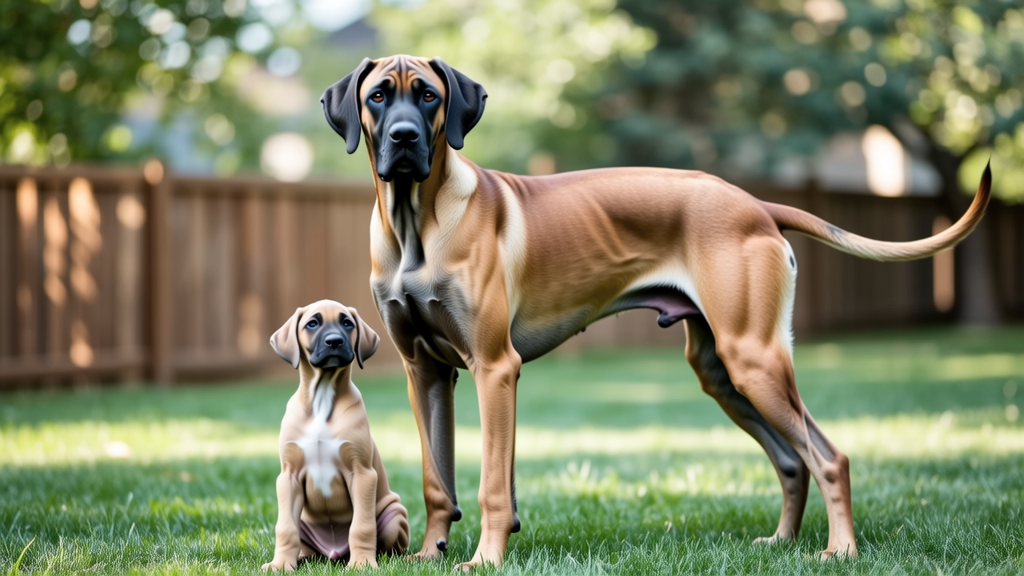
If you've encountered the term "classic bully dog" and found yourself confused by the sheer number of bully-type breeds out there, you're not alone. The classic bully dog isn't a single kennel club breed in the traditional sense — it refers to a specific variety within the American Bully breed, recognized by the United Kennel Club (UKC) and the American Bully Kennel Club (ABKC). The "Classic" designation describes a lighter-framed, more athletic build that harks back to the American Pit Bull Terrier and American Staffordshire Terrier ancestry, setting it apart from the heavier Standard, Pocket, and XL Bully varieties.
This distinction matters enormously for prospective owners. A Classic Bully dog typically weighs less, moves more athletically, and carries fewer of the structural health burdens that plague the stockier bully varieties. Yet they remain far less common than their Standard counterparts, making them something of a niche choice even within the already-specialized bully world.
Origin Story: From Pit-Type Working Dogs to Companion Athletes
The Classic Bully dog's lineage traces directly back to the American Pit Bull Terrier (APBT) and the American Staffordshire Terrier (AmStaff) — breeds developed in the United States during the 19th and early 20th centuries from British and Irish bull-and-terrier crosses. These original dogs were working animals: farm dogs, catch dogs for livestock, and family guardians.
Timeline of the Classic Bully's Development
- 1800s — British Imports: Bull-and-terrier crosses arrive in the US with immigrants. Used for farm work, hunting, and unfortunately, blood sports.
- 1898 — UKC Founded: The United Kennel Club is established, partly to register the American Pit Bull Terrier. The APBT becomes a recognized working breed.
- 1936 — AKC Recognition of AmStaff: The American Kennel Club recognizes the American Staffordshire Terrier, creating a show-oriented split from the working APBT lines.
- 1980s–1990s — The Bully Emerges: Breeders in Virginia and California begin selectively breeding APBTs and AmStaffs for a wider, more muscular companion dog. This becomes the American Bully.
- 2004 — ABKC Founded: The American Bully Kennel Club is established, creating formal breed standards including the Classic variety.
- 2013 — UKC Recognition: The United Kennel Club officially recognizes the American Bully breed, including the Classic variety. The AKC does not currently recognize the American Bully.
- 2020s — Growing but Still Rare: The Classic variety remains the least common of the four American Bully categories, prized by enthusiasts who want the bully temperament in a more athletic frame.
The Classic variety was essentially a deliberate preservation of the original American Bully's lighter build as other varieties were bred progressively heavier and more compact. Breeders who favored the athletic, functional dog pushed back against the trend toward extreme mass, and the "Classic" designation formalized that preference.
Physical Profile: What Sets the Classic Bully Dog Apart
The most common mistake first-time bully buyers make is assuming all American Bullies look alike. The Classic variety has specific physical parameters that distinguish it clearly from Standard, Pocket, and XL types.
| Trait | Specification |
|---|---|
| Weight (Males) | 70–90 lb (32–41 kg) |
| Weight (Females) | 60–80 lb (27–36 kg) |
| Height (Males) | 17–20 inches (43–51 cm) at withers |
| Height (Females) | 16–19 inches (41–48 cm) at withers |
| Lifespan | 10–13 years |
| Coat | Short, smooth, glossy; all colors accepted |
| Energy Level | Moderate-to-high (45–60 min daily exercise) |
| Grooming | Low — weekly brushing, occasional baths |
| Family Fit | Good with experienced owners; supervision with young children |
| Recognition | UKC (2013), ABKC (2004). Not AKC-recognized. |
Key Distinguishing Features
The Classic Bully dog is defined as much by what it lacks as what it has. According to the ABKC breed standard, the Classic variety should display:
- Lighter bone structure than the Standard variety — narrower front assembly, less overall body mass
- More defined waist — visible tuck-up at the loin rather than the blocky, barrel-shaped torso of heavier varieties
- Higher on leg — the Classic appears more leggy and athletic, closer to the APBT silhouette
- Less exaggerated head — the head is still broad and blocky by most breed standards, but not as extreme in width or cheek muscle as the Standard or XL
- Greater agility — Classics are noticeably more athletic, able to run, jump, and navigate obstacles with more ease
Temperament: The Surprise Factor for New Owners
Here's what consistently catches first-time Classic Bully owners off guard: these dogs are soft. Not physically — they're powerful animals — but emotionally. The bully breeds, when responsibly bred, are among the most human-oriented, affectionate, and eager-to-please dogs in the companion world. The UKC breed standard specifically notes that aggression toward humans is a disqualifying fault.
What New Owners Report
- Velcro-dog tendencies: Classic Bullies follow their owners room to room and often develop separation anxiety if left alone for long stretches. Plan for no more than 4–5 hours of solo time for an adult dog.
- Low prey drive (usually): Unlike many terrier breeds, most Classic Bullies show moderate-to-low prey drive, making cohabitation with cats possible — though early socialization is still critical.
- Dog selectivity, not dog aggression: Most Classic Bullies are not inherently aggressive toward other dogs, but they can be selective. Same-sex aggression is more common than opposite-sex, and early positive experiences with diverse dogs helps enormously.
- Sensitivity to tone: These dogs respond poorly to harsh corrections. Raised voices or physical punishment shut them down. Positive reinforcement and force-free methods are not just preferred — they're practically required for this breed's temperament.
- Clownish play style: Classic Bullies tend to be goofy, physical players. They body-slam, wrestle, and play-bow with enthusiasm. This is endearing but requires supervision around smaller dogs or children who could be knocked over accidentally.
Health Concerns: Breed-Specific Risks You Need to Know
One advantage of the Classic variety over heavier American Bully types is a somewhat reduced health burden. The lighter frame means less stress on joints and a lower incidence of certain structural problems. However, Classic Bullies are not free from health concerns, and prospective owners should understand the specific risks.
| Condition | Estimated Prevalence | Screening Recommendation |
|---|---|---|
| Hip Dysplasia | Moderate (lower than XL/Standard, higher than APBT) | OFA or PennHIP evaluation at 24 months |
| Demodectic Mange (Demodex) | Elevated — bully breeds are predisposed | Monitor for hair loss patches; vet skin scraping |
| Allergic Skin Disease (Atopy) | High — estimated 20–30% of bully breeds | Watch for paw-licking, ear infections, hot spots |
| Cardiac Disease (Congenital) | Low-to-moderate | OFA cardiac evaluation; echocardiogram if murmur detected |
| Patellar Luxation | Moderate | OFA patella evaluation |
| Cerebellar Abiotrophy | Rare but documented in bully lines | Genetic testing available; ask breeder for results |
The Merck Veterinary Manual notes that bully-type breeds have a notably higher predisposition to allergic dermatitis than the general dog population. Budget for potential allergy management — this can run $50–$200/month if your dog requires prescription medications like Apoquel (oclacitinib) or Cytopoint (lokivetmab) injections.
Care Requirements: The Classic Bully Daily Routine
The Classic variety's athletic build means it needs more exercise and mental stimulation than the heavier bully types. Here's a practical care framework:
Exercise & Activity
- Daily walks: 30–45 minutes minimum, ideally split into two sessions
- Active play: 15–20 minutes of tug, flirt pole, or fetch
- Mental stimulation: Puzzle feeders, scent work, or short training sessions (5–10 minutes, 2–3x daily)
- Heat caution: Classic Bullies tolerate heat poorly due to their brachycephalic-influenced airway. Avoid vigorous exercise when temperatures exceed 80°F (27°C). Walk during early morning or evening.
Grooming & Maintenance
- Brushing: Rubber curry brush once weekly to remove loose hair and distribute skin oils
- Bathing: Every 4–8 weeks or as needed; use a gentle, hypoallergenic shampoo given allergy predisposition
- Wrinkle care: If your Classic has any facial folds (less common than in Standards), clean folds daily with a damp cloth and dry thoroughly to prevent fold dermatitis
- Nail trims: Every 2–3 weeks; many Bullies resist nail trims, so start desensitization early using positive reinforcement and high-value treats
- Dental: Daily brushing ideal; at minimum, dental chews and annual professional cleanings under anesthesia (budget $300–$700 per cleaning)
Nutrition
Feed a complete-and-balanced diet that meets AAFCO nutritional standards. For a 70–90 lb Classic Bully, expect to feed approximately 3–4 cups of quality kibble daily, split into two meals. Look for named animal protein as the first ingredient and a guaranteed analysis showing minimum 22% protein for adult maintenance. Avoid grain-free diets unless directed by your veterinarian — the FDA has investigated a potential link between grain-free diets and dilated cardiomyopathy (DCM) in dogs.
Cost Breakdown: What a Classic Bully Dog Actually Costs
The Classic variety is rarer than the Standard American Bully, and this scarcity affects pricing. Here's a realistic budget for 2026:
| Expense | Range | Notes |
|---|---|---|
| Puppy Purchase Price | $2,500–$5,000 | From reputable ABKC/UKC-registered breeder with health testing |
| First-Year Veterinary Costs | $800–$1,500 | Vaccines, spay/neuter, heartworm prevention, wellness exams |
| Annual Food | $600–$1,000 | Quality kibble; higher if prescription diet needed for allergies |
| Pet Insurance (Annual) | $600–$1,200 | Bully breeds are higher-premium due to health predispositions |
| Training (Group Classes) | $200–$500 | Puppy socialization + basic obedience; private sessions $80–$150/hr |
| Estimated First-Year Total | $4,700–$9,200 | Excludes emergency vet visits |
Classic Bully vs. Standard American Bully vs. American Pit Bull Terrier
Understanding where the Classic Bully sits in the bully landscape helps you make the right choice:
| Trait | Classic Bully | Standard American Bully | American Pit Bull Terrier |
|---|---|---|---|
| Weight | 60–90 lb (27–41 kg) | 70–120 lb (32–54 kg) | 30–65 lb (14–29 kg) |
| Build | Athletic, moderate muscle | Heavy, wide, compact | Lean, agile, athletic |
| Exercise Needs | 45–60 min/day | 30–45 min/day | 60–90 min/day |
| Health Burden | Moderate | High | Low-to-moderate |
| Trainability | High (eager, food-motivated) | Moderate-to-high | Very high |
| Rarity | Rare (least common Bully variety) | Common | Common |
| Recognition | UKC, ABKC | UKC, ABKC | UKC (not AKC) |
Finding a Classic Bully Dog: Breeder Guidance & Red Flags
Because the Classic variety is rare, you may need to search beyond your local area. Here's how to navigate the process safely:
Where to Look
- ABKC breeder directory: The American Bully Kennel Club maintains a list of registered breeders. Filter for those who specifically produce Classic variety litters.
- UKC registered breeders: Check the UKC breeder referral service for American Bully breeders in your region.
- Bully breed rescues: Organizations like Bully Girl Magazine Rescue and local pit bull rescues occasionally have American Bullies of all varieties, including Classics. Adoption fees typically range $200–$500.
Red Flags — Walk Away If:
- The breeder cannot provide OFA or PennHIP hip scores for both parents
- No health testing documentation is available ("vet checked" is not the same as health-tested)
- Puppies are sold before 8 weeks of age
- The breeder cannot explain the difference between Classic and Standard varieties
- Prices are significantly below $2,000 for a puppy — this often indicates a backyard breeder or puppy mill
- The breeder pressures you to buy immediately or has "always available" puppies
- No take-back clause in the contract — responsible breeders always accept their dogs back at any point in the dog's life
Real Owner Insights: Living with a Classic Bully Dog
Based on owner reports from breed-specific communities and rescue organizations, here's what daily life with a Classic Bully actually looks like:
Energy & Lifestyle Fit
Classic Bullies sit in a sweet spot for many active families. They have enough stamina for hiking, jogging (once growth plates close around 18 months), and agility-style activities, but they also genuinely enjoy lounging on the couch. Most owners describe them as "active but not exhausting" — a significant advantage over the APBT, which can be a high-drive, always-on athlete.
Training Quirks
- Food motivation is extremely high: Most Classic Bullies will work enthusiastically for kibble, cheese, or freeze-dried liver. Use this to your advantage in training.
- Leash pulling is common early: Their strength means leash training requires patience. Front-clip harnesses (like the Ruffwear Front Range or 2 Hounds Design No-Pull) help manage pulling while you teach loose-leash walking.
- Recall can be challenging: Like many bully breeds, Classic Bullies can develop selective hearing outdoors. Practice recall in low-distraction environments for months before trusting off-leash. A long line (15–30 ft) is essential for safe recall training.
- Stubbornness is overstated: What people call "stubborn" in Bullies is usually under-motivation. These dogs aren't stupid — they're calculating whether the reward is worth the effort. Increase the reward value, and compliance improves dramatically.
Breed-Specific Legislation Note
The Classic Bully dog, as a variety of the American Bully, may be subject to breed-specific legislation (BSL) in certain municipalities. Before committing to this breed, check your city and county ordinances, your homeowner's insurance policy, and your rental agreement (if applicable). BSL varies widely by jurisdiction and can include outright bans, mandatory muzzling, or insurance surcharges.
Frequently Asked Questions
How rare is the Classic Bully dog today?
The Classic is the least common of the four American Bully varieties (Classic, Standard, Pocket, XL). While exact registration numbers are not publicly reported by the ABKC, breeders and judges consistently report that Classic entries at shows represent a small fraction of total American Bully registrations. You may need to join a waitlist of 3–12 months for a well-bred Classic puppy.
Is the Classic Bully dog suitable for families with children?
Yes, with important caveats. Classic Bullies are generally patient and affectionate with children in their own family. However, their physical strength means they can accidentally knock over toddlers during play. Always supervise interactions between any dog and children under 10. Teach children to respect the dog's space, especially during eating and sleeping.
What makes the Classic Bully different from a "regular" American Bully?
The primary difference is build. A Classic Bully has a lighter frame, more defined waist, longer legs relative to body length, and less exaggerated muscling than the Standard variety. Think of it as the athletic version of the same dog — same temperament, same head shape (though slightly less extreme), but a body built for movement rather than mass.
Can Classic Bully dogs live in apartments?
They can, provided their exercise needs are met. A Classic Bully with two 30-minute walks daily plus active play sessions can adapt to apartment living. However, check your lease — many apartment complexes have breed restrictions that include American Bullies. Noise can also be a factor; some Classic Bullies are vocal, snoring and grunting loudly, which may bother neighbors in thin-walled buildings.
Do Classic Bully dogs require special veterinary care?
They don't require exotic veterinary care, but they do benefit from proactive screening. Ask your veterinarian to include hip evaluation (radiographs at 24 months), cardiac auscultation at every annual exam, and close monitoring for skin allergies. Consult your veterinarian about the best preventive care schedule for your individual dog. Pet insurance is strongly recommended given the breed's predisposition to allergies and joint issues.
How much does a Classic Bully dog typically cost?
From a reputable breeder with health-tested parents, expect to pay $2,500–$5,000 for a Classic Bully puppy. Show-quality puppies from champion bloodlines can exceed $7,000. Adoption through a breed rescue typically costs $200–$500. Factor in $4,700–$9,200 for total first-year expenses including veterinary care, food, insurance, and training.
Beth Carrasco
All our authors care for dogs every day — read more of their work on the authors page.