Recognizing the Breed's Unique Look & Traits
Explore the Chow Chow through a photo-driven lens: learn to identify breed traits, understand temperament, health risks, costs, and care needs in this detailed profile.
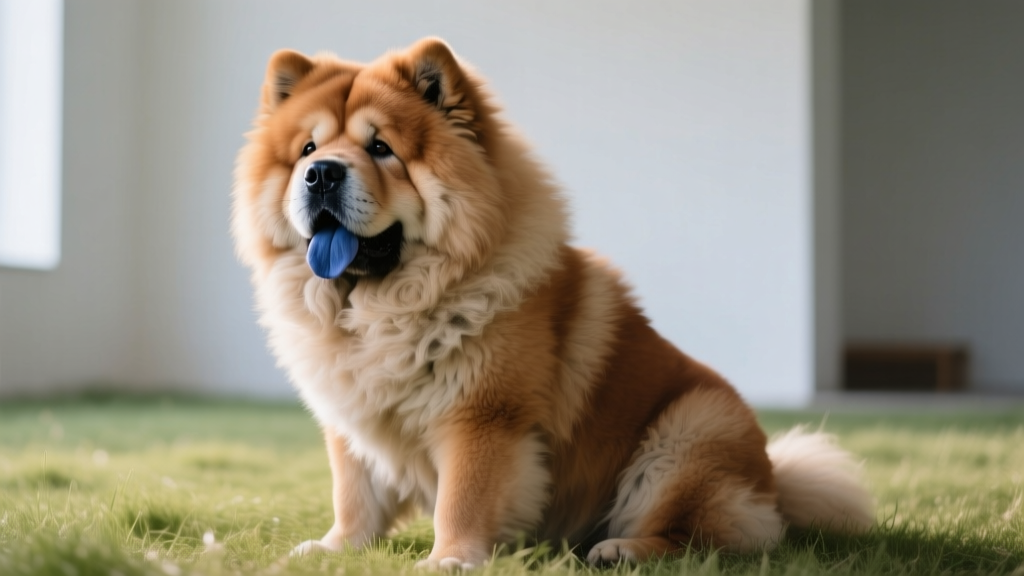
If you've ever scrolled through a chow dog photo and stopped mid-scroll, you're not alone. The Chow Chow is one of the most visually striking breeds in the world — a lion-maned, blue-tongued, stilt-gaited dog that looks like it stepped out of an ancient Chinese painting. But behind that iconic silhouette is a complex, independent, and deeply loyal companion that isn't the right fit for every household.
This breed profile goes beyond the photos. We'll walk you through what those pictures actually tell you about the Chow Chow's health, temperament, and care requirements — so you can decide whether this ancient breed belongs in your home, not just your Instagram feed.
Breed Overview: Origin, Size, and Lifespan
The Chow Chow is one of the oldest recognizable dog breeds, with origins tracing back over 2,000 years to northern China. DNA analysis places them among the basal breeds — those that diverged from wolves earliest. Historically, they served as working dogs for herding, pulling sleds, guarding, and hunting. The breed was known in China as Songshi Quan (puffy lion dog), and some historians believe they inspired the foo dog (lion dog) statues found throughout East Asian architecture.
The Chow Chow arrived in England in the late 1700s, where British merchants brought them back as exotic cargo. The name "Chow" likely comes from the pidgin English term for miscellaneous goods from the East. Queen Victoria took interest in the breed in the 1860s, boosting its popularity in Western Europe. The American Kennel Club recognized the Chow Chow in 1903, and the breed has maintained a devoted following ever since.
| Attribute | Details |
|---|---|
| Size Class | Medium (stocky build makes them appear larger) |
| Weight (Male) | 55–70 lb / 25–32 kg |
| Weight (Female) | 45–60 lb / 20–27 kg |
| Height (Male) | 19–22 inches / 48–56 cm at the shoulder |
| Height (Female) | 18–20 inches / 46–51 cm at the shoulder |
| Lifespan | 8–12 years (median approximately 10 years) |
| Coat Type | Rough (long, dense) or Smooth (short, plush); both double-coated |
| Colors | Red, black, blue, cinnamon, cream |
| Distinguishing Features | Blue-black tongue, deep-set almond eyes, stilted gait, lion-like mane |
| AKC Group | Non-Sporting Group |
Physical Characteristics: What a Chow Dog Photo Really Shows You
When you study a chow dog photo closely, several breed-defining features become obvious — and each one carries practical implications for ownership.
The Iconic Mane and Double Coat
The rough-coated Chow Chow has a profuse, standoff outer coat with a thick, woolly undercoat. The mane (ruff) around the neck and shoulders is especially prominent in males. This coat evolved for harsh northern Chinese winters and provides excellent insulation — but it also means the breed is extremely heat-sensitive. Smooth-coated Chows have shorter hair but the same dense undercoat and identical shedding patterns.
The Blue-Black Tongue and Mouth
Chow Chows and Chinese Shar-Peis are the only two breeds with fully blue-black tongues, gums, and lips. In a chow dog photo, you may catch a glimpse of this when the dog pants. Any pink spots on the tongue in an adult Chow may indicate a mixed breed, though very young puppies of all breeds can have pink tongues that darken with age.
Deep-Set Eyes and Limited Peripheral Vision
The Chow's almond-shaped, deep-set eyes are a breed hallmark, but they create a functional consequence: Chows have notably limited peripheral vision compared to most breeds. This contributes to their tendency to be startled by approaches from the side — something that directly affects how you should interact with and socialize them.
The Stilted Gait
Chow Chows have nearly straight hind legs, which produces a distinctive stilted, choppy gait visible in any full-body chow dog photo or video. This conformation is normal for the breed but places unusual stress on joints, which connects to the hip and knee issues discussed in the health section below.
Temperament & Personality: 5 Core Traits
The Chow Chow's personality is as distinctive as its appearance. Understanding these traits is essential before committing to the breed.
1. Cat-Like Independence. Chows are frequently described as the most cat-like of all dog breeds. They don't typically follow owners room to room or seek constant physical affection. A Chow may sit in the same room as you but at a deliberate distance — present, but not clingy. This isn't aloofness from lack of love; it's a deeply ingrained independence.
2. Fierce Loyalty to One Person. While friendly with family, Chows tend to bond most intensely with one person. They are famously devoted to their chosen human and can be indifferent to others in the household. This single-person bonding pattern means all family members should participate in feeding, training, and walking to distribute attachment.
3. Natural Suspicion of Strangers. The Chow Chow was bred as a guard dog, and that wariness persists. Expect your Chow to be reserved, standoffish, or watchful with unfamiliar people. They rarely show overt aggression without provocation, but they will not perform friendliness for visitors. Early and ongoing socialization is non-negotiable.
4. Low Play Drive. Unlike retrievers or herding breeds, Chows generally don't live for fetch, tug, or extended play sessions. They enjoy short, purposeful walks and mental stimulation but rarely have the "let's go!" enthusiasm of sporting breeds. A Chow is more likely to observe the yard from a porch than patrol it at a sprint.
5. Stubbornness Rooted in Intelligence. Chows are intelligent dogs, but they question the purpose of commands. If a Chow doesn't see a reason to comply, it simply won't. This isn't stupidity — it's a working-dog independence that requires patient, positive-reinforcement training methods to manage. Force-based methods will backfire with this breed and damage the trust you've built.
Chow Chow Strengths
- Quiet and clean — rarely bark without reason, often self-groom like cats
- Extremely loyal and protective of their primary person
- Low exercise requirements compared to similar-sized breeds
- Generally good in apartments due to calm indoor demeanor
- Minimal doggy odor when coat is maintained
Chow Chow Challenges
- Strong-willed and difficult for first-time owners to train
- Heavy seasonal shedding ("coat blow") twice per year
- Poor heat tolerance — requires climate-controlled environments
- Can be aggressive toward same-sex dogs without early socialization
- Prone to several serious hereditary health conditions
Exercise & Activity Requirements
Despite their solid build, Chow Chows have surprisingly moderate exercise needs. Plan for 30–45 minutes of activity per day, ideally split into two shorter walks rather than one long outing.
| Activity Type | Duration | Frequency | Notes |
|---|---|---|---|
| Leash walks | 15–20 minutes | Twice daily | Avoid midday heat; early morning/evening preferred |
| Free yard time | 10–15 minutes | Daily | Supervised; Chows are not reliable off-leash |
| Mental enrichment | 10–15 minutes | Daily | Puzzle toys, snuffle mats, scent work |
| Structured play | 5–10 minutes | 2–3x per week | Short tug or flirt pole sessions; avoid high-impact jumping |
Critical heat warning: Chow Chows are among the most heat-sensitive breeds. When temperatures exceed 80°F (27°C), limit outdoor activity to early morning and after sunset. Always provide shade and fresh water. Signs of heat distress include excessive panting, dark red gums, stumbling, and collapse — these require immediate veterinary attention.
Common Health Issues in Chow Chows
Prospective owners studying a chow dog photo should know that the breed's distinctive conformation contributes to several serious health conditions. Always consult your veterinarian for personalized health screening and care plans. Responsible breeders should provide health clearances for hips, elbows, eyes, and thyroid from organizations like the Orthopedic Foundation for Animals (OFA).
| Condition | Description | Estimated Prevalence | Typical Onset |
|---|---|---|---|
| Hip Dysplasia | Malformation of hip joint causing pain and arthritis | ~15–20% of Chows screened (OFA data) | 6–18 months (symptoms may appear later) |
| Elbow Dysplasia | Abnormal elbow joint development leading to lameness | ~10–12% of screened Chows | 4–12 months |
| Entropion | Eyelid rolls inward, causing corneal irritation and ulcers | Common; breed-predisposed | 6 months–2 years |
| Gastric Dilatation-Volvulus (Bloat) | Stomach twists and fills with gas; life-threatening emergency | Higher risk than average for deep-chested breeds | Any adult age; typically 4–7 years |
| Hypothyroidism | Underactive thyroid gland causing weight gain, lethargy, coat issues | Estimated 8–10% of the breed | 4–10 years |
Additional conditions to monitor: Chow Chows also have elevated rates of pemphigus foliaceus (autoimmune skin disease), diabetes mellitus, and certain cancers including gastric carcinoma. Their stilted gait can predispose them to cranial cruciate ligament (CCL) tears, similar to ACL injuries in humans.
- Unproductive retching, distended abdomen, restlessness (possible bloat/GDV)
- Sudden rear-leg lameness or inability to stand
- Eye squinting, redness, or discharge (entropion can cause corneal ulcers rapidly)
- Difficulty breathing or collapse in warm weather
Grooming Requirements
That stunning coat in every chow dog photo requires serious maintenance. Budget for regular grooming sessions to keep your Chow healthy and comfortable.
Weekly brushing (rough coat): Use a slicker brush and a long-pin undercoat rake. Work through the coat in sections, reaching down to the skin. Pay special attention to the mane, behind the ears, the "pants" area on the hindquarters, and the tail. Expect 30–45 minutes per weekly session for a rough-coated Chow.
Weekly brushing (smooth coat): A rubber curry brush or medium-bristle brush is sufficient. Sessions take 10–15 minutes.
Seasonal coat blow (twice yearly): During spring and fall shedding seasons, Chows lose enormous amounts of undercoat. Daily brushing with an undercoat rake or de-shedding tool is necessary for 2–4 weeks. Some owners describe filling an entire garbage bag with shed fur during peak blow. A professional groomer can help with de-shedding baths and high-velocity dryer blowouts during this period (expect to pay $60–$100 per session).
Essential grooming tools:
- Slicker brush (large, curved — brands like Chris Christensen or Artero)
- Long-pin undercoat rake
- Steel comb (for finishing and checking for tangles)
- High-velocity dryer (for coat blow season — brands like MetroVac or B-Air)
- Styptic powder for nail trimming (check nails every 2–3 weeks)
Never shave a Chow Chow. The double coat regulates both heat and cold. Shaving disrupts this thermoregulation, can cause permanent coat damage (alopecia), and actually increases sunburn and heatstroke risk.
Training & Intelligence
The Chow Chow is intelligent but scores low on traditional obedience-based trainability rankings. In AKC training assessments, Chows typically perform well on tasks they find purposeful but may ignore repetitive commands they view as pointless.
Recommended approach: Positive reinforcement with high-value food rewards (real meat, cheese, freeze-dried liver). Keep sessions short — 5 to 10 minutes maximum — and always end on a success. Chows respond to calm, consistent leadership and will shut down under harsh corrections or frustration from the handler.
Socialization is the top training priority. Between 8 and 16 weeks of age, expose your Chow puppy to:
- 50+ different people (varying ages, ethnicities, clothing styles, hats, uniforms)
- Multiple other vaccinated, friendly dogs in controlled settings
- Various surfaces (grass, gravel, metal grates, wet pavement)
- Handling exercises (ear touching, paw handling, mouth examination)
Continue structured socialization through the first two years. A poorly socialized Chow can develop fear-based reactivity that is difficult to remediate in this strong, powerful breed.
Family Suitability
With children: Chow Chows can coexist peacefully with children they're raised alongside, but they are not naturally tolerant of rough handling, ear pulling, or sudden movements. They are best suited to families with children aged 8 and older who understand how to interact respectfully with dogs. Always supervise interactions between any dog and young children.
With other pets: Chows can be same-sex aggressive and may not tolerate other dominant dogs. They can cohabit with opposite-sex dogs, particularly if raised together, and generally do well with cats they're introduced to as puppies. Their strong prey drive means small animals (rabbits, rodents, birds) are at risk.
Apartment living: Despite their size, Chows adapt reasonably well to apartment life. They are quiet indoors, relatively inactive, and don't require a large yard. However, they need regular outdoor walks and climate-controlled indoor environments. Buildings without air conditioning in warm climates are not suitable.
Cost of Ownership
The Chow Chow is a premium breed with significant ongoing costs. Here's a realistic breakdown for 2026:
| Expense Category | Estimated Cost (USD) |
|---|---|
| Puppy from responsible breeder (health-tested parents, AKC registered) | $2,500 – $5,000+ |
| Adoption/rescue (Chow-specific rescues) | $300 – $600 |
| Initial supplies (crate, bed, leash, bowls, grooming tools) | $400 – $700 |
| First-year veterinary (vaccines, spay/neuter, microchip, screenings) | $800 – $1,500 |
| Annual veterinary care (wellness, preventives, dental) | $600 – $1,200 |
| Monthly food (premium large-breed kibble or balanced raw) | $60 – $120 |
| Grooming (professional sessions during coat blow, 2–3x/year) | $150 – $300 annually |
| Pet insurance (recommended given breed health risks) | $40 – $80/month |
| Estimated first-year total | $5,000 – $9,500+ |
| Estimated annual cost after year one | $1,800 – $3,500 |
Chow Chows are also subject to breed-specific legislation (BSL) in some municipalities due to their guarding heritage. Before acquiring a Chow, check your local ordinances, homeowner's insurance policy, and rental agreements for any breed restrictions.
Frequently Asked Questions
Is the Chow Chow right for first-time dog owners?
Generally, no. The Chow Chow's combination of stubbornness, strong guarding instincts, grooming demands, and socialization requirements makes them better suited to owners with prior dog-handling experience. A first-time owner who is committed to professional training classes, extensive socialization, and working with a breed-experienced mentor can succeed — but the learning curve is steep.
How much exercise does a Chow Chow need daily?
Plan for 30–45 minutes of total daily activity, split into two leash walks of 15–20 minutes each plus optional yard time. This is lower than many medium-to-large breeds. Avoid intense exercise in warm weather and never force a Chow to run or jog — their straight hind legs and joint predispositions make sustained high-impact activity risky.
What health problems is the Chow Chow most prone to?
The top concerns are hip dysplasia (15–20% prevalence in OFA-screened dogs), elbow dysplasia (10–12%), entropion (eyelid abnormality), bloat/GDV, and hypothyroidism. Autoimmune skin conditions and certain cancers also occur at higher-than-average rates. Work with a veterinarian who is familiar with the breed's specific health profile and insist on OFA health clearances from any breeder.
How big does an adult Chow Chow get?
Males typically weigh 55–70 lb (25–32 kg) and stand 19–22 inches (48–56 cm) at the shoulder. Females are smaller at 45–60 lb (20–27 kg) and 18–20 inches (46–51 cm). Their thick coat and stocky build make them appear considerably larger than their actual measurements suggest.
Is the Chow Chow good with children and other pets?
Chows can live peacefully with respectful older children (8+) and opposite-sex dogs when raised together. They are not naturally patient with rough handling and may react defensively. Same-sex dog aggression is a known breed tendency. They generally coexist with household cats if introduced young but have a prey drive that makes small pets unsafe.
How much does a Chow Chow cost to buy and maintain?
Expect to pay $2,500–$5,000+ for a puppy from a responsible breeder, or $300–$600 through a Chow-specific rescue. First-year costs typically total $5,000–$9,500 including supplies, veterinary care, and food. Ongoing annual costs range from $1,800–$3,500. Pet insurance is strongly recommended given the breed's predisposition to expensive orthopedic and autoimmune conditions.
This article is for informational purposes only and does not replace professional veterinary advice. Always consult your veterinarian for guidance specific to your dog's health, nutrition, and care needs.
Tom Renshaw
All our authors care for dogs every day — read more of their work on the authors page.


