Chihuahua and Dachshund Mix: The Complete Chiweenie Breed Guide
Everything about the Chihuahua and Dachshund mix (Chiweenie): size, temperament, health risks, coat types, cost.
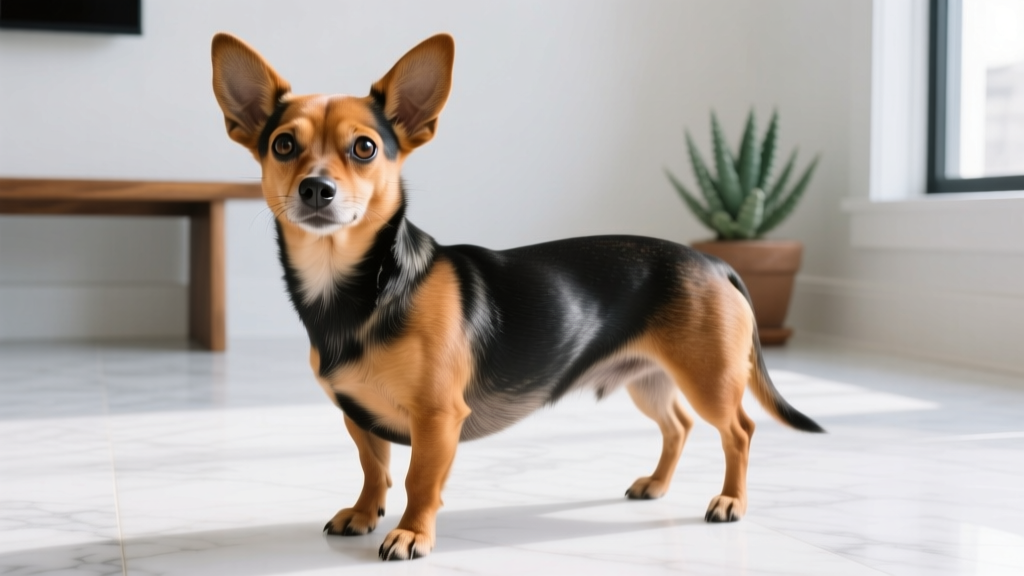
What Is a Chihuahua and Dachshund Mix?
The Chihuahua and Dachshund mix — most commonly called the Chiweenie — is a small designer crossbreed that combines the bold personality of the Chihuahua with the low-slung, curious nature of the Dachshund. First appearing in North American designer breeding programs in the late 1990s and early 2000s, the Chiweenie was developed alongside the broader wave of intentional small-breed crosses aimed at producing compact companion dogs with hybrid genetic diversity.
Unlike purebred dogs governed by AKC breed standards, the Chiweenie has no official breed registry standard. This means individual dogs can vary significantly in appearance, size, and temperament — even within the same litter. Understanding that variability is the single most important thing any prospective Chiweenie owner can do before committing to this mix.
Parent Breed Breakdown: Chihuahua Meets Dachshund
To understand what a Chiweenie might look and act like, you need to understand both parent breeds. Each one contributes a distinct set of physical and behavioral traits, and the mix inherits a combination that differs from dog to dog.
| Trait | Chihuahua | Dachshund |
|---|---|---|
| AKC Group | Toy | Hound |
| Weight Range | 2–6 lb (0.9–2.7 kg) | Miniature: under 11 lb (5 kg); Standard: 16–32 lb (7–14.5 kg) |
| Height | 5–8 in (13–20 cm) | 5–9 in (13–23 cm) at shoulder |
| Lifespan | 14–16 years | 12–16 years |
| Coat Types | Smooth or long | Smooth, longhaired, or wirehaired |
| Energy Level | Moderate — alert, lively indoors | Moderate to high — scent-driven, loves to dig and explore |
| Temperament | Devoted, bold, sometimes wary of strangers | Curious, stubborn, playful, can be independent |
| Barking Level | High — excellent watchdog | High — deep bark for their size |
| Trainability | Moderate — responds to positive reinforcement, can be willful | Moderate — food-motivated but notoriously stubborn |
Most Chiweenies are produced by crossing a Chihuahua with a Miniature Dachshund rather than a Standard Dachshund, because the size difference between a Chihuahua and a Standard Dachshund (which can weigh up to 32 lb / 14.5 kg) makes natural breeding unsafe. The Miniature Dachshund parent keeps the resulting puppies in a safer, more manageable size range.
Generations Explained: F1, F1B, F2, and Multigen Chiweenies
Generation Guide for Designer Mixes
- F1 (First Generation): One purebred Chihuahua parent × one purebred Dachshund parent. Maximum genetic diversity; most unpredictable appearance and traits.
- F1B (First Generation Backcross): One F1 Chiweenie parent × one purebred parent (either Chihuahua or Dachshund). Slightly more predictable traits leaning toward the backcross parent breed.
- F2 (Second Generation): Two F1 Chiweenie parents bred together. Wider variation in traits than F1B; some puppies may strongly favor one grandparent breed.
- Multigen (F3+): Two Chiweenie parents that are themselves multi-generation crosses. Trait predictability improves somewhat but never reaches purebred consistency.
For Chiweenies specifically, the F1 generation is the most common. Unlike Poodle-based designer breeds (Goldendoodles, Labradoodles) where backcrossing to the Poodle is standard practice to achieve low-shedding coats, Chiweenie breeders less frequently produce F1B or multigen litters. When you encounter a Chiweenie for sale or adoption, it is most likely an F1 cross. Always ask the breeder which generation a litter is — this affects how predictable the puppies' adult traits will be.
Size, Coat, and Appearance: What to Expect
This is where the "designer breed lottery" becomes most visible. Even within a single F1 litter, you may see puppies that look almost entirely Chihuahua and others that are unmistakably Dachshund-dominant.
Size Range
| Measurement | Low End | High End | Most Common Range |
|---|---|---|---|
| Weight | 5 lb (2.3 kg) | 20 lb (9 kg) | 8–12 lb (3.6–5.4 kg) |
| Height at Shoulder | 6 in (15 cm) | 10 in (25 cm) | 7–9 in (18–23 cm) |
| Body Length | 12 in (30 cm) | 20 in (51 cm) | 14–18 in (36–46 cm) |
The wide size range exists because Dachshund parents vary between Miniature (under 11 lb) and Standard (up to 32 lb). If your Chiweenie has a Standard Dachshund parent — rare but possible through artificial insemination — expect a noticeably larger dog. Most responsibly bred Chiweenies fall in the 8–12 lb range when a Miniature Dachshund is used.
Coat Types and Shedding
Coat inheritance in Chiweenies depends entirely on which coat genes each parent carries. Here are the realistic possibilities:
- Short/smooth coat: Most common outcome when both parents carry smooth-coat genes. Low-maintenance, moderate shedding year-round with seasonal increases in spring and fall.
- Long coat: Possible if one or both parents carry long-haired genes. Softer texture, feathering on ears, legs, and tail. Moderate to high shedding; requires brushing 2–3 times per week.
- Wire coat: Less common; requires a wirehaired Dachshund parent. Coarser texture, lower shedding than smooth or long coats, but needs hand-stripping or professional grooming every 8–12 weeks to maintain coat health.
Is the Chiweenie hypoallergenic? No. Neither the Chihuahua nor the Dachshund is considered a hypoallergenic breed. Chiweenies shed to varying degrees and produce dander like any other dog. If you have dog allergies, this mix is not a suitable choice. The AKC lists specific hypoallergenic breeds that are better options for allergy sufferers.
Temperament: Personality Range and Behavioral Traits
Chiweenie temperament is where the mix can be wonderful — or challenging — depending on which parent traits dominate and how the dog is socialized during the critical 3–14 week puppy window.
Best-Case Temperament Scenario
A well-socialized Chiweenie inherits the Chihuahua's deep devotion to their person combined with the Dachshund's playful curiosity. These dogs are entertaining companions: bold, expressive, and deeply bonded to their families. They tend to be:
- Loyal and affectionate with their primary people
- Playful and amusing, with a tendency to "burrow" under blankets (a Dachshund trait)
- Alert watchdogs who announce visitors without excessive barking
- Adaptable to apartment living given adequate mental stimulation
- Good with respectful older children (ages 8+) who understand how to handle small dogs gently
Challenging Temperament Scenarios
When socialization is incomplete or when a Chiweenie inherits the more extreme traits from both parents simultaneously, owners may encounter:
- Wariness or fear-based reactivity toward strangers: The Chihuahua's natural suspicion amplified by the Dachshund's territorial streak
- Stubbornness during training: Both parent breeds are known for independent thinking; a Chiweenie may require high-value treats and short, engaging sessions
- Resource guarding: Food, toys, or even their favorite person — this requires early counter-conditioning using positive reinforcement methods
- Prey drive: The Dachshund's hound heritage can surface as chasing squirrels, cats, or small animals on walks
- Separation anxiety: Both breeds bond intensely; a Chiweenie left alone for 8+ hours daily may develop destructive behaviors or excessive vocalization
Health Considerations: Hybrid Vigor Reality Check
One of the most persistent myths in designer breeding is that mixed-breed dogs automatically enjoy "hybrid vigor" — the idea that crossing two breeds eliminates health problems. The reality is more nuanced, and any responsible Chiweenie owner should understand both the benefits and the inherited risks.
The Hybrid Vigor Myth vs. Reality
Hybrid vigor (heterosis) does provide a measurable benefit: crossbreed dogs have a statistically lower risk of recessive genetic disorders that require two copies of a defective gene. Conditions like progressive retinal atrophy (PRA) or certain forms of von Willebrand disease are less likely in an F1 Chiweenie than in a purebred from a line carrying those genes.
However, hybrid vigor does not protect against:
- Structural/conformational conditions — like intervertebral disc disease (IVDD), which is related to the Dachshund's elongated spine regardless of whether the dog is purebred or mixed
- Conditions both breeds share — like patellar luxation, dental disease, and obesity-related joint stress
- Non-genetic health issues — like infections, injuries, or diet-related diseases
According to the Merck Veterinary Manual, IVDD affects chondrodystrophic breeds (those with dwarfism-related cartilage abnormalities) at significantly higher rates — and the Dachshund's long-backed conformation carries into many Chiweenies.
Health Conditions to Monitor
| Condition | Inherited From | Estimated Risk Level | Prevention / Management |
|---|---|---|---|
| Intervertebral Disc Disease (IVDD) | Dachshund (chondrodystrophy gene) | Moderate to High — especially if the dog inherits a long back | Avoid jumping from furniture; use ramps; maintain lean body weight; no harness-pulling on leash |
| Patellar Luxation | Both breeds | Moderate | Annual vet orthopedic screening; weight management; surgical correction for Grade III+ |
| Dental Disease | Chihuahua (crowded small mouth) | High — small mouths crowd teeth, accelerating tartar | Daily tooth brushing; annual professional dental cleanings under anesthesia |
| Hypoglycemia | Chihuahua (especially in puppies under 6 months) | Moderate in puppies; Low in adults | Feed puppies 3–4 small meals daily; keep NutriCal glucose gel on hand |
| Obesity | Both breeds (food-motivated) | High — small dogs gain weight quickly on excess calories | Measure food precisely; target body condition score (BCS) of 4–5/9; limit treats to 10% of daily calories |
| Tracheal Collapse | Chihuahua | Moderate | Use a harness instead of a collar; avoid exposure to smoke and irritants |
Expected Lifespan
Chiweenies typically live 12–16 years, inheriting the longevity advantage common to small breeds. Some well-cared-for individuals reach 18 years. The primary lifespan-limiting factors are obesity (which stresses the spine and joints), untreated dental disease (which can lead to systemic infections), and IVDD complications requiring surgery.
Grooming, Exercise, and Daily Care
Grooming Needs by Coat Type
- Smooth/short coat: Brush once weekly with a rubber curry brush or soft bristle brush. Bathe every 4–6 weeks or as needed. Minimal professional grooming required.
- Long coat: Brush 2–3 times weekly with a pin brush and metal comb to prevent matting behind ears and in leg feathering. Professional grooming every 8–10 weeks for sanitary trims.
- Wire coat: Hand-stripping or professional clip every 8–12 weeks. Weekly brushing with a slicker brush. This coat type is lowest-shedding but highest-maintenance in terms of grooming cost.
Regardless of coat type, all Chiweenies need:
- Nail trims every 2–3 weeks (overgrown nails alter gait and stress the spine)
- Ear cleaning weekly with a veterinary-approved ear cleanser — especially for dogs with longer, floppy Dachshund-type ears prone to yeast infections
- Daily tooth brushing with enzymatic dog toothpaste (never human toothpaste, which contains xylitol — toxic to dogs)
Exercise Requirements
Chiweenies need 30–45 minutes of daily activity, which can include:
- Two 15–20 minute leash walks (morning and evening)
- Indoor play sessions with puzzle toys or flirt poles
- Supervised yard exploration (Dachshund heritage means they love to sniff and dig)
- Short training sessions that double as mental stimulation
Critical exercise restriction: Discourage jumping on and off furniture, navigating steep stairs, or any high-impact activity that compresses the spine. Invest in pet ramps ($25–$60 for foam or wooden models) for couch and bed access. This is especially important for Chiweenies that inherit the Dachshund's elongated body structure.
Cost: Purchase Price, Adoption, and Annual Expenses
Acquisition Costs
| Source | Price Range | What to Expect |
|---|---|---|
| Responsible Breeder | $500–$1,200 | Health-tested parents (OFA patella, cardiac); early socialization; take-back clause; first vaccinations and deworming included |
| Backyard Breeder / Online Listing | $200–$600 | Little to no health testing; minimal socialization; higher risk of undisclosed health or behavioral issues |
| Rescue / Shelter Adoption | $50–$350 | Spay/neuter, vaccinations, and microchip typically included; adult dogs with known temperament; saves a life |
Chiweenies are moderately available through breed-specific rescues (Chihuahua rescues and Dachshund rescues frequently take in mixes) and general shelters. Searching Petfinder or Adopt-a-Pet with "Chiweenie" or "Chihuahua mix" filters will surface available dogs in your area. Adoption is a genuinely excellent route for this mix because many Chiweenies end up in rescue when owners underestimate the training commitment.
Annual Care Costs
Budget for the following ongoing expenses:
- High-quality small-breed kibble: $240–$400/year (brands like Royal Canin Small Adult, Hill's Science Diet Small Paws, or Open Farm Small Breed)
- Routine veterinary care: $400–$700/year (annual exam, DHPP and rabies vaccines, heartworm prevention, flea/tick prevention, fecal testing)
- Dental cleaning: $300–$700 per cleaning under general anesthesia (expect at least one every 1–2 years for small breeds)
- Pet insurance: $30–$55/month for accident-and-illness coverage (companies like Trupanion, Healthy Paws, or Lemonade)
- Grooming: $0 (smooth coat, home grooming) to $480/year (professional grooming every 8 weeks for long or wire coats)
- Supplies and gear: $150–$300 first year (harness, crate, ramp, bed, toys); $75–$150 ongoing replacement
Estimated total first-year cost: $1,800–$3,500 including acquisition. Ongoing annual cost: $1,100–$2,200 depending on grooming needs and veterinary expenses.
Who Should (and Shouldn't) Get a Chiweenie?
This Mix Is a Strong Fit For:
- Apartment dwellers who want a compact, adaptable companion that doesn't need a yard
- Experienced small-dog owners familiar with positive reinforcement training and early socialization protocols
- Households with older children (8+) or adults only — Chiweenies are fragile and can be injured by rough handling from toddlers
- People who work from home or can arrange midday visits — this mix is prone to separation anxiety when left alone for extended periods
- Seniors or less active owners who want a companionable dog with moderate (not demanding) exercise needs
This Mix May Not Be Ideal For:
- First-time dog owners unprepared for the stubbornness and training patience this cross requires
- Families with toddlers or very young children — the Chiweenie's small size makes them vulnerable to accidental injury, and their wariness can escalate to fear-biting if handled roughly
- Owners who work long hours away from home without pet-sitting or doggy daycare arrangements
- Multi-pet households with cats or small animals unless the Chiweenie is socialized with them from puppyhood — the Dachshund prey drive can be strong
- Anyone seeking a hypoallergenic or non-shedding dog
Frequently Asked Questions
What two breeds make up the Chiweenie?
The Chiweenie is a cross between a Chihuahua and a Dachshund — most commonly a Miniature Dachshund to keep the size compatible with the Chihuahua parent. Both parent breeds are AKC-recognized: the Chihuahua in the Toy Group and the Dachshund in the Hound Group.
How big will a Chihuahua and Dachshund mix get?
Most Chiweenies weigh between 8 and 12 lb (3.6–5.4 kg) and stand 7–9 inches (18–23 cm) at the shoulder as adults. However, the range extends from as small as 5 lb to as large as 20 lb depending on whether the Dachshund parent was Miniature or Standard. Ask the breeder about parent weights for the best size estimate.
What will the Chiweenie's temperament be like?
Expect a bold, loyal, and expressive companion with moderate energy and a strong bond to their people. The best-case Chiweenie is playful and affectionate. The challenging end includes wariness of strangers, stubbornness during training, and potential separation anxiety. Early socialization (exposure to varied people, environments, and sounds between 3–14 weeks of age) is the single biggest factor in temperament outcomes.
Is the Chihuahua and Dachshund mix hypoallergenic or low-shedding?
No. Neither parent breed is hypoallergenic. Chiweenies shed moderately regardless of coat type, and they produce dander that triggers allergies in sensitive individuals. If low-shedding is a priority, consider a Poodle-based mix instead.
What health issues might a Chiweenie inherit?
The most significant inherited risk is intervertebral disc disease (IVDD) from the Dachshund side, which can cause pain, nerve damage, or paralysis. Other concerns include patellar luxation, dental disease (crowded teeth in a small mouth), hypoglycemia in puppies, tracheal collapse, and obesity. Consult your veterinarian about a preventive screening schedule tailored to small-breed mixes.
How much does a Chiweenie cost?
From a responsible breeder, expect to pay $500–$1,200. Adoption through a rescue or shelter typically costs $50–$350 and often includes spay/neuter, vaccinations, and microchipping. Annual care costs range from $1,100 to $2,200 depending on grooming needs and veterinary expenses.
Are Chiweenies good with children?
Chiweenies do best with respectful children aged 8 and older who understand how to interact gently with small dogs. They are not recommended for families with toddlers due to their fragile size and potential for fear-based reactions to rough handling. Always supervise interactions between any dog and young children.
Do Chiweenies bark a lot?
Yes — both parent breeds are vocal, and Chiweenies tend to inherit strong watchdog instincts. They will alert-bark at doorbells, passersby, and unfamiliar sounds. Consistent positive reinforcement training can teach a "quiet" cue, but prospective owners in noise-sensitive housing (apartments with thin walls, HOA communities) should be prepared for this trait.
Tom Renshaw
All our authors care for dogs every day — read more of their work on the authors page.


