Chi Poo Dog Breed: Complete Guide to the Chihuahua Poodle Mix
Explore the Chi Poo dog breed: temperament, size, coat types, health risks, grooming needs, and costs for the Chihuahua-Poodle designer mix.
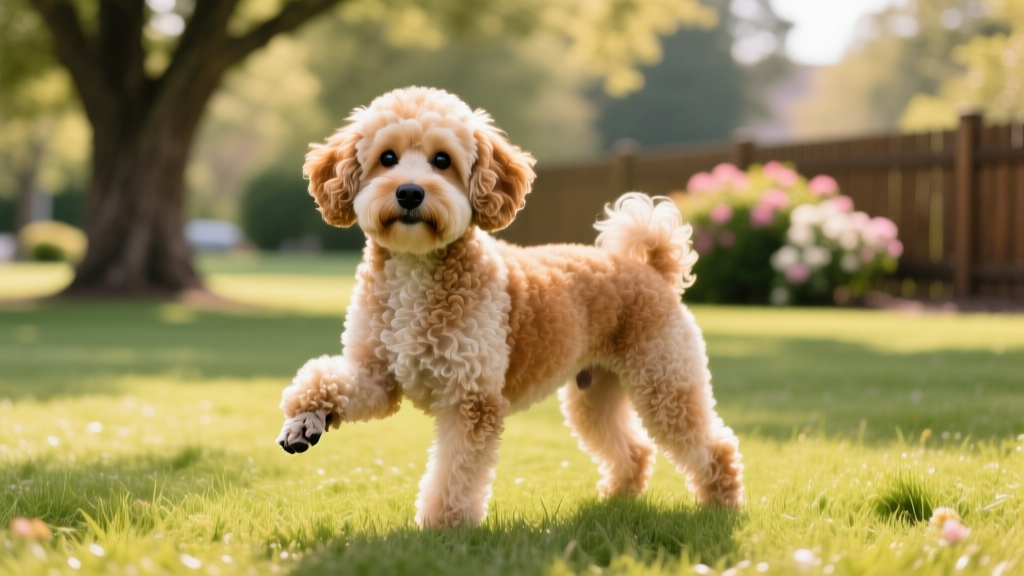
What Two Breeds Make Up the Chi Poo Dog Breed?
The Chi Poo (also spelled Chipoo, Choodle, or Poochi) is a designer cross between the Chihuahua and the Poodle — most often the Toy Poodle, though some breeders use Miniature Poodles to produce a slightly larger dog. This mix has gained steady popularity among apartment dwellers and allergy-conscious owners looking for a compact companion with a potentially lower-shedding coat.
Neither the American Kennel Club nor the United Kennel Club recognizes the Chi Poo as a standardized breed. Instead, registries like the Designer Dogs Kennel Club (DDKC) and the International Designer Canine Registry (IDCR) track these crosses. Because there is no breed standard, individual Chi Poos can vary considerably in appearance, size, and temperament — even within the same litter.
Parent Breed Breakdown
| Trait | Chihuahua | Toy Poodle | Miniature Poodle |
|---|---|---|---|
| Weight | 2–6 lb (0.9–2.7 kg) | 4–6 lb (1.8–2.7 kg) | 10–15 lb (4.5–6.8 kg) |
| Height | 5–8 in (13–20 cm) | ≤10 in (≤25 cm) | 10–15 in (25–38 cm) |
| Coat | Smooth or long; moderate shedder | Curly, dense; low-shedding | Curly, dense; low-shedding |
| Energy | Moderate; alert and spirited | High; athletic and eager | High; athletic and eager |
| Temperament | Loyal, bold, sometimes reserved with strangers | Intelligent, sociable, trainable | Intelligent, sociable, trainable |
| Lifespan | 14–16 years | 10–18 years | 10–18 years |
| AKC Group | Toy | Toy | Non-Sporting / Toy variant |
Understanding Chi Poo Generations: F1, F1B, F2, and Multigen
Because the Chi Poo is a designer cross, the generation of breeding directly affects how predictable the offspring will be. Responsible breeders should always disclose which generation they are producing.
Generation Guide
- F1 (First Generation): Chihuahua × Poodle. These puppies have maximum genetic diversity (hybrid vigor) but the widest variation in coat type, size, and temperament. Roughly 50/50 genetic split.
- F1B (First Generation Backcross): F1 Chi Poo × Poodle (75% Poodle, 25% Chihuahua). Bred to increase the likelihood of a curly, low-shedding coat. More predictable in coat but slightly larger on average.
- F1B Reverse: F1 Chi Poo × Chihuahua (75% Chihuahua, 25% Poodle). Less common; tends to produce smaller dogs with straighter coats and more Chihuahua-like temperament.
- F2 (Second Generation): F1 Chi Poo × F1 Chi Poo. Both parents are already mixed, so trait predictability drops significantly. Coat types can range wildly even within one litter.
- Multigen (F3+): Chi Poo × Chi Poo for multiple generations. Theoretically more consistent, but because no breed standard exists, results still vary more than in purebred lines.
Practical tip: If low-shedding coat is your priority, an F1B backcross to a Poodle gives you the highest probability — but never a guarantee. Ask breeders for photos of previous litters and the parent dogs to assess coat type consistency.
How Big Will a Chi Poo Get? Size Range and Variability
The Chi Poo's adult size depends on which Poodle variety was used (Toy vs. Miniature) and which parent the puppy favors genetically. Here is the realistic range you should expect:
| Size Category | Weight | Height at Shoulder | Typical Parentage |
|---|---|---|---|
| Teacup/Tiny | 3–5 lb (1.4–2.3 kg) | 5–8 in (13–20 cm) | Chihuahua × Toy Poodle |
| Small Standard | 5–12 lb (2.3–5.4 kg) | 8–11 in (20–28 cm) | Chihuahua × Toy or Mini Poodle |
| Medium | 12–18 lb (5.4–8.2 kg) | 11–15 in (28–38 cm) | Larger Chihuahua × Miniature Poodle |
Most Chi Poos fall in the 5–12 lb (2.3–5.4 kg) range. Puppies from a Miniature Poodle parent can exceed 15 lb (6.8 kg), which surprises some owners expecting a lap-sized dog. Always ask to see both parent dogs — their sizes are the best indicator of adult puppy size, though genetics can produce outliers in either direction.
Coat Types, Shedding, and the Hypoallergenic Question
One of the most common questions about the Chi Poo dog breed is whether it's hypoallergenic. The short answer: no dog is truly hypoallergenic, but some Chi Poos inherit a low-shedding, curly Poodle coat that may produce fewer airborne allergens.
Coat Type Possibilities
| Coat Type | Inherited From | Shedding Level | Grooming Frequency | Likelihood (F1) |
|---|---|---|---|---|
| Curly, dense | Poodle-dominant | Very low | Professional groom every 4–6 weeks; daily brushing | ~30% |
| Wavy, medium-length | Blend of both | Low to moderate | Brushing 3–4×/week; groom every 6–8 weeks | ~40% |
| Straight, short to medium | Chihuahua-dominant | Moderate | Brushing 2–3×/week; occasional baths | ~30% |
Allergies to dogs are triggered primarily by dander (dead skin flakes), saliva, and urine — not fur itself. A curly-coated Chi Poo traps dander in the coat rather than releasing it into the air, which can reduce symptoms for some allergy sufferers. However, individual reactions vary. Spend time with the specific puppy or adult dog before committing if allergies are a concern.
Grooming Needs by Coat Type
- Curly coats: Require the most maintenance. Matting occurs quickly, especially behind the ears and in the armpits. Budget $40–$75 per professional grooming session, typically every 4–6 weeks. Use a slicker brush and metal comb at home between appointments.
- Wavy coats: Moderate maintenance. Brush thoroughly 3–4 times per week with a pin brush. Professional grooming every 6–8 weeks for trimming.
- Straight coats: Lowest maintenance. Weekly brushing with a rubber curry brush or soft bristle brush. Shedding is more noticeable on furniture and clothing.
Regardless of coat type, all Chi Poos need regular nail trims (every 2–3 weeks), ear cleaning (weekly for floppy-eared individuals, as moisture traps can lead to otitis externa), and dental care. Small breeds are notoriously prone to periodontal disease — daily tooth brushing with a veterinary-formulated enzymatic toothpaste is strongly recommended.
Chi Poo Temperament: What to Expect (and What Might Surprise You)
Temperament in mixed breeds is inherently less predictable than in purebreds, because you cannot know which parent's behavioral genes will dominate. That said, understanding both parent breeds gives you a reasonable framework.
Best-Case Scenario
A well-socialized Chi Poo combines the Poodle's intelligence and trainability with the Chihuahua's loyalty and alertness. These dogs tend to be:
- Highly attuned to their owners, forming strong bonds with one or two people
- Quick learners who enjoy trick training and puzzle toys
- Good watchdogs — alert and vocal when strangers approach
- Adaptable to apartment living with adequate daily exercise
- Affectionate and playful without being hyperactive
Challenging Scenarios
Some Chi Poos inherit less desirable traits from either parent:
- Chihuahua-side challenges: Wariness or fearfulness around strangers, resource guarding, "small dog syndrome" (snapping or growling when handled), strong attachment leading to separation anxiety
- Poodle-side challenges: High mental stimulation needs (boredom leads to destructive behavior), sensitivity to loud noises or chaotic environments, tendency to bark at stimuli
- Combination challenges: A dog that is both highly alert (Chihuahua) and highly reactive to stimuli (Poodle) may struggle with excessive barking in apartment settings
Socialization Is Non-Negotiable
The critical socialization window for puppies closes around 14–16 weeks. During this period, expose your Chi Poo puppy to a wide variety of people, surfaces, sounds, other animals, and handling experiences. Use only positive reinforcement methods — treats, praise, and play. Force-free training builds confidence without creating fear-based reactivity. If you notice fear responses (cowering, tail tucking, freezing), consult a certified professional dog trainer (CPDT-KA) or veterinary behaviorist early.
Health Considerations: Hybrid Vigor Myth vs. Reality
A common marketing claim for designer dogs is that "hybrid vigor" eliminates health problems. This is misleading. While crossbreeding can reduce the risk of recessive genetic disorders that are common in one parent breed, it does not grant immunity from disease. A Chi Poo can inherit conditions from either parent — and some conditions affect both breeds, making them more likely, not less.
Health Conditions to Monitor
| Condition | Inherited From | Prevalence Notes | What to Watch For |
|---|---|---|---|
| Patellar Luxation | Both breeds | Very common in small breeds; estimated 5–10% prevalence in toy breeds | Intermittent skipping or holding up a hind leg; "popping" knee |
| Tracheal Collapse | Both breeds (especially Chihuahua) | Progressive; often manifests in middle age (4–8 years) | Honking cough, exercise intolerance, difficulty breathing in heat or excitement |
| Dental Disease (Periodontitis) | Both breeds | Affects ~80% of small-breed dogs by age 3 (AVMA) | Bad breath, red/swollen gums, reluctance to eat hard food, loose teeth |
| Hypoglycemia | Chihuahua (especially puppies under 4 lb) | Most common in puppies and very small adults | Lethargy, weakness, trembling, seizures in severe cases |
| Progressive Retinal Atrophy (PRA) | Poodle | Recessive gene; responsible breeders test for this | Night blindness progressing to total vision loss; typically painless |
| Mitral Valve Disease | Both breeds | Leading cause of heart failure in small dogs; risk increases with age | Coughing (especially at night), fatigue, rapid breathing at rest (>30 breaths/min) |
| Hydrocephalus | Chihuahua | Congenital; more common in apple-head Chihuahuas and their crosses | Dome-shaped skull, downward-gazing eyes, seizures, developmental delays in puppies |
What responsible breeders do: They health-test parent dogs through the Orthopedic Foundation for Animals (OFA) or equivalent, including patellar evaluation, cardiac exam, and PRA genetic testing (for the Poodle parent). Ask for documentation — not verbal assurances.
What you should do: Establish care with a veterinarian within the first week of bringing your Chi Poo home. Small-breed dogs require specific attention to dental health, weight management (obesity worsens patellar luxation and cardiac disease), and hypoglycemia prevention in puppies. Consult your veterinarian for a tailored wellness plan including vaccination schedule, parasite prevention, and nutrition guidance.
How Much Does a Chi Poo Cost? Pricing and Availability
Chi Poo puppies are generally less expensive than popular doodle breeds (Goldendoodles, Labradoodles) but still carry a premium over shelter dogs. Pricing varies significantly based on generation, breeder reputation, and location.
| Source | Price Range (USD) | Notes |
|---|---|---|
| Backyard breeder / online marketplace | $300–$800 | Often no health testing, no take-back clause, higher risk of genetic and behavioral issues |
| Reputable hobby breeder | $800–$1,500 | Health-tested parents, early socialization (Puppy Culture or ENS), health guarantee, spay/neuter contract |
| Premium designer breeder | $1,500–$2,500+ | Full OFA/CERF documentation, multigen lines, extensive early stimulation, lifetime breeder support |
| Breed-specific rescue or shelter | $100–$400 (adoption fee) | Chi Poo-specific rescues are rare; check Chihuahua and Poodle rescues, which sometimes take in mixes. Petfinder and Adopt-a-Pet are good search tools. |
First-Year Budget Estimate
Beyond the purchase price, plan for these first-year expenses:
- Veterinary care (initial): $200–$500 (wellness exam, vaccination series, deworming, spay/neuter if not included)
- Supplies: $150–$350 (crate, harness — use a harness instead of a collar to protect the trachea — bed, bowls, grooming tools)
- Food: $180–$360/year (high-quality small-breed kibble or wet food; look for AAFCO complete-and-balanced statement)
- Grooming: $240–$600/year (depending on coat type and frequency)
- Pet insurance: $240–$480/year (companies like Trupanion, Healthy Paws, or Nationwide; small breeds have lower premiums than large breeds)
- Training: $100–$300 (group puppy class or private sessions with a force-free trainer)
Total first-year estimate: $1,400–$4,600 depending on source of dog, coat type, and your region's veterinary costs.
Who Is the Chi Poo Best Suited For?
The Chi Poo dog breed fits specific lifestyles well but is not the right match for every household. Here is an honest assessment:
Ideal Match
- Apartment or condo dwellers who want a compact, indoor-oriented companion
- Single adults or couples without very young children (Chi Poos under 8 lb are fragile and can be injured by rough handling)
- Older adults or retirees seeking an affectionate, manageable-sized dog
- Allergy-conscious owners willing to accept that no dog is guaranteed hypoallergenic but who want a lower-shedding option
- First-time dog owners who are committed to early socialization and positive reinforcement training
Less Ideal Match
- Families with toddlers or very young children — small dogs can be injured by accidental drops or squeezing, and a fearful Chi Poo may nip in self-defense
- Owners who are away 8+ hours daily — Chi Poos tend to bond closely and are prone to separation anxiety
- Households wanting a quiet dog — the Chihuahua's watchdog instinct combined with Poodle alertness often produces a vocal dog
- Owners unprepared for grooming costs — curly-coated Chi Poos require regular professional grooming, and skipping it leads to painful matting
Exercise Requirements
Despite their small size, Chi Poos need daily activity to stay physically and mentally healthy:
- Physical exercise: 30–45 minutes per day, split into two or three short walks. Indoor play (fetch, tug) counts toward this total.
- Mental stimulation: 15–20 minutes per day of puzzle toys, training sessions, or scent work. The Poodle intelligence means these dogs bore easily without mental challenges.
- Caution in extreme weather: Small dogs lose body heat quickly in cold weather (below 45°F / 7°C). Use a fitted dog sweater for winter walks. In heat above 85°F (29°C), walk during early morning or evening to avoid overheating.
Frequently Asked Questions About the Chi Poo
Are Chi Poos good with other dogs?
It depends on socialization and individual temperament. Chi Poos that are exposed to other dogs during the critical socialization period (3–14 weeks) generally do well with respectful, similarly-sized dogs. Some inherit the Chihuahua's tendency to be selective or bossy with other dogs. Avoid dog parks with large dogs — a 7 lb Chi Poo can be seriously injured in rough play with a 60 lb dog.
How long do Chi Poos live?
Most Chi Poos live 12–15 years, with some reaching 16–18 years. Both parent breeds are known for longevity. Lifespan is influenced by weight management, dental care, preventive veterinary visits, and genetics. Obesity can shorten lifespan by 2+ years in small breeds.
Do Chi Poos bark a lot?
Many do. The Chihuahua's natural watchdog instinct and the Poodle's alertness to environmental changes combine to create a dog that tends to vocalize at doorbells, passersby, and unfamiliar sounds. You can manage barking through positive reinforcement training (teaching a "quiet" cue and rewarding calm behavior), but prospective owners in thin-walled apartments should be realistic about this trait.
Can Chi Poos be left alone during the day?
Adult Chi Poos can typically handle 4–6 hours alone if properly conditioned to alone time from puppyhood. Longer periods increase the risk of separation anxiety, which manifests as destructive chewing, excessive barking, and house-soiling. Doggy daycare, a pet sitter, or a midday walker can help if you work full-time.
What should I feed a Chi Poo?
Choose a small-breed formula from a reputable manufacturer that meets FDA and AAFCO nutritional standards. Small-breed kibble has appropriately sized pieces and higher caloric density per cup. Feed measured portions based on your dog's ideal body weight (not current weight if overweight). A body condition score (BCS) of 4–5 on a 9-point scale is ideal — you should be able to feel ribs without pressing hard but not see them prominently.
Are Chi Poos easy to potty train?
Small breeds, including Chi Poos, are notoriously slower to house-train than larger dogs. Their tiny bladders need more frequent bathroom breaks, and some individuals dislike going outside in rain or cold. Consistency is critical: take your puppy out within 5 minutes of waking, eating, drinking, and playing. Use a designated potty spot and reward immediately with a high-value treat. Crate training helps prevent indoor accidents during unsupervised times. Expect 4–8 months for reliable house training — some individuals take longer.
Anouk Beaumont
All our authors care for dogs every day — read more of their work on the authors page.


