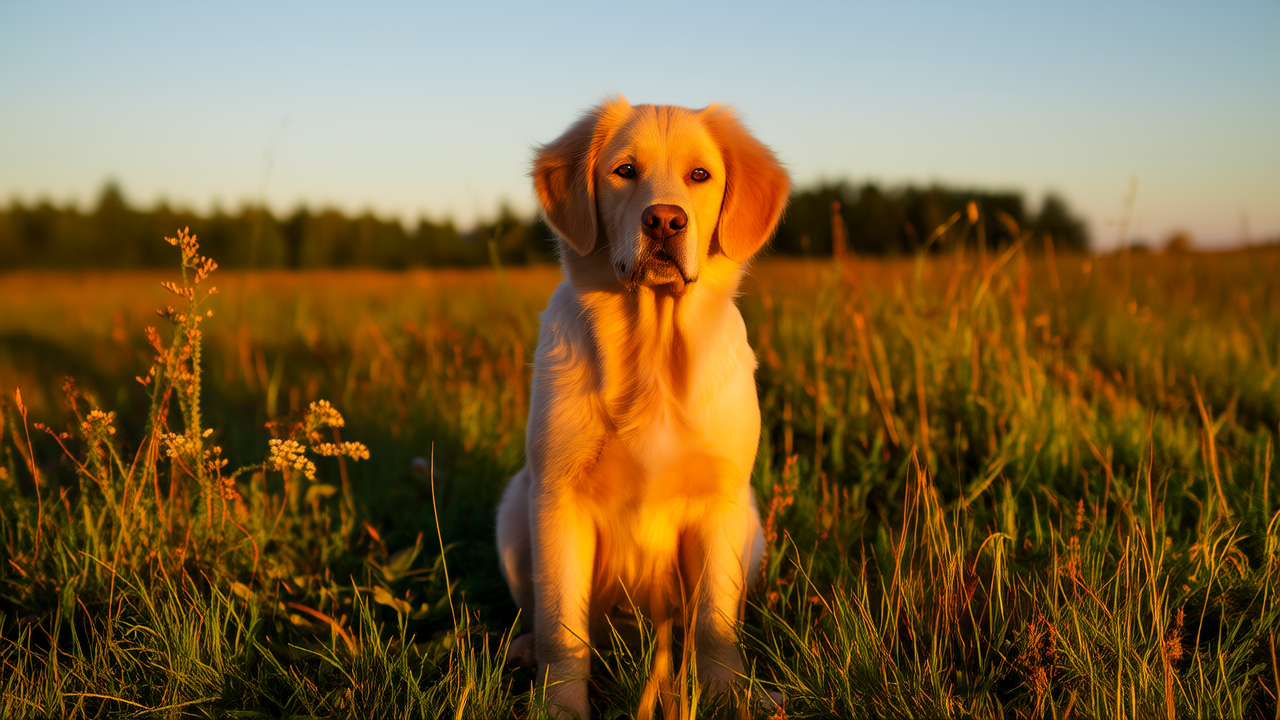
Finding a Reputable Catahoula Breeder: Complete Buyer's Guide
Looking for a reputable Catahoula breeder? Learn breed history, health testing, pricing, red flags, and how to find a Louisiana Catahoula Leopard Dog puppy.

If you've watched a Catahoula Leopard Dog work livestock across a muddy Louisiana field or track a deer through dense bayou brush, you already understand why this breed inspires such fierce loyalty among its owners. The Louisiana Catahoula Leopard Dog is unlike any other herding breed on the planet — a dog shaped by centuries of selective pressure in the swamps and pine forests of the American South. But finding a responsible Catahoula breeder who health-tests their stock, socializes puppies properly, and stands behind their dogs for life is a challenge that trips up even experienced dog owners.
This guide walks you through everything you need to know before contacting a breeder: what makes the Catahoula unique, what health clearances matter, what you should expect to pay, and how to spot the difference between a preservation breeder and someone simply producing puppies for profit.
Origin and History: The Dog That Built Louisiana
The Catahoula is the only dog breed to have originated entirely within the state of Louisiana, and its history is inseparable from the region's geography and culture. The breed's name comes from Catahoula Parish (and possibly from a Choctaw word meaning "sacred lake"), where early European settlers in the 16th and 17th centuries crossed their war dogs — likely Bloodhounds, Mastiffs, and Greyhounds brought by Spanish explorers — with the semi-wild "wolf dogs" kept by Native American tribes in the region.
Catahoula Breed Timeline
- 1500s–1600s: Spanish and French settlers' dogs interbreed with Native American dogs in the Louisiana territory. These early crosses produce the foundation stock.
- 1700s–1800s: Settlers selectively breed for dogs that can herd semi-wild cattle and hogs through dense swamp, track game, and protect homesteads. The "Catahoula Cur" emerges as a distinct type.
- 1800s: The breed gains a reputation among ranchers and hunters across the Gulf South. President Theodore Roosevelt reportedly used Catahoulas for hunting.
- 1951: The North American Louisiana Catahoula Club (NALCC) is formed to preserve the breed.
- 1979: Louisiana Governor Edwin Edwards signs legislation naming the Catahoula the official state dog of Louisiana.
- 1995: The United Kennel Club (UKC) officially recognizes the Louisiana Catahoula Leopard Dog.
- 2020s–present: The breed remains in the American Kennel Club (AKC) Foundation Stock Service (FSS) program, a pre-registration step toward full AKC recognition.
Unlike many herding breeds developed in the controlled pastures of Europe, the Catahoula was forged in some of the most punishing terrain in North America. These dogs had to bay wild boar in waist-deep water, tree raccoons, drive cattle through briar thickets, and then settle quietly at the family hearth at night. That dual-purpose heritage — fierce working drive combined with family loyalty — defines the modern Catahoula and is something every prospective owner must understand before reaching out to a breeder.
How Rare Is the Catahoula Today?
The Catahoula is not a common breed by any measure. While exact population numbers are difficult to verify, the UKC registers several hundred Catahoulas annually, and the AKC's FSS program lists the breed but does not yet publish registration statistics because full recognition has not been granted. Most Catahoula breeders produce only one or two litters per year, and waiting lists of 6 to 18 months are standard among the most reputable operations.
Geographically, Catahoula breeders are heavily concentrated in the Gulf South — Louisiana, Texas, Mississippi, Alabama, and Florida. You will find breeders elsewhere, but options thin out considerably west of the Rockies and north of the Ohio River Valley. This regional clustering means many buyers will need to travel or arrange ground transport to bring a puppy home.
Adoption is also a viable path. Catahoula rescues such as Catahoula Rescue and regional all-breed rescues in southern states frequently have Catahoulas and Catahoula mixes available. These dogs often end up in rescue because first-time owners underestimated the breed's exercise needs and independence.
Physical Traits: What Sets the Catahoula Apart
The Catahoula is a medium-to-large, athletic working dog with a build that prioritizes endurance and agility over brute strength. Here are the breed's defining physical characteristics:
| Attribute | Specification |
|---|---|
| Weight (males) | 55–95 lb / 25–43 kg |
| Weight (females) | 40–70 lb / 18–32 kg |
| Height at withers | 20–26 in / 51–66 cm |
| Lifespan | 10–14 years |
| Coat | Short, single-layer, dense; low to moderate shedding |
| Coat colors | Blue leopard, red leopard, black, red, brindle, patched, solid (all accepted) |
| Eyes | "Glass eyes" (pale blue or cracked glass appearance) are iconic, but brown, amber, green, or heterochromia (two different colors) are all normal |
| Ears | Drop ears, medium length, set high on skull |
| Webbed feet | Pronounced webbing between toes — an adaptation for swamp work |
| Energy level | High — 60–90+ minutes of vigorous activity daily |
| Grooming needs | Low — weekly brushing, occasional baths |
| Family fit | Best with active families, experienced owners; can be aloof with strangers |
The most visually striking feature is the merle (leopard) coat pattern, which produces a mottled or patchwork appearance. However, not all Catahoulas are merle — solid-colored dogs are equally purebred and common. The "glass eye" trait, where one or both eyes appear pale blue or have cracks of color within the iris, is strongly associated with the breed but is not universal. Some Catahoulas have perfectly brown eyes.
The webbed feet are a functional adaptation you won't find emphasized in many breed profiles. This trait allowed the Catahoula's ancestors to swim efficiently through Louisiana's swampy terrain, and it remains a distinguishing feature today.
Temperament: What Surprises New Owners
Experienced Catahoula owners will tell you that the breed's temperament is where first-time buyers most commonly miscalculate. Here's what tends to catch people off guard:
- Intense independence. Catahoulas were bred to make decisions on their own while working stock miles from their handler. This means they are intelligent problem-solvers who will test your leadership consistently. They are not dogs that blindly obey — they evaluate whether a command makes sense to them.
- Reserve with strangers. Unlike a Labrador Retriever who greets every visitor like a long-lost friend, a Catahoula will typically assess newcomers with suspicion before warming up. Early and ongoing socialization is critical, but even well-socialized Catahoulas tend to be watchful rather than gregarious with unfamiliar people.
- Prey drive and same-sex aggression. Many Catahoulas have high prey drive and may not be reliable off-leash around wildlife or livestock they haven't been trained to work. Same-sex aggression, particularly among males, is common enough that many reputable breeders recommend opposite-sex pairings in multi-dog households.
- Destructive if under-stimulated. A bored Catahoula is a destructive Catahoula. Without adequate physical exercise and mental work, these dogs will dig, chew, escape fences, and invent their own "jobs" — which may include herding your children or cats.
- Deep family bonding. Despite their independence, Catahoulas form extraordinarily close bonds with their families. Many owners describe them as "shadow dogs" who follow their person from room to room and are visibly distressed by prolonged separation.
For these reasons, the Catahoula is not generally recommended for first-time dog owners unless the person is committed to structured training, has access to experienced mentorship (many good breeders provide this), and leads an active outdoor lifestyle. Families with young children can succeed with a Catahoula, but supervision is essential — the breed's herding instinct may manifest as nipping at running children.
Breed-Specific Health Concerns
The Catahoula is generally a hardy, functional breed shaped by natural selection in harsh conditions. However, several health issues have documented prevalence within the breed, and any responsible Catahoula breeder should be testing for and transparent about these conditions.
| Condition | Description | Prevalence / Notes |
|---|---|---|
| Hip dysplasia | Malformation of the hip joint leading to arthritis | Estimated 15–20% of tested Catahoulas show some degree of dysplasia (OFA data). Breeders should provide OFA or PennHIP clearances for both parents. |
| Deafness | Congenital sensorineural deafness, often associated with white coat and blue eyes | Merle-to-merle breedings dramatically increase risk. Reputable breeders avoid double-merle pairings and BAER-test all puppies. |
| Eye conditions | Progressive retinal atrophy (PRA), cataracts, entropion | CERF/OFA eye examinations recommended annually for breeding stock. |
| Elbow dysplasia | Joint malformation in the front legs | Less common than hip dysplasia but present; OFA elbow clearances recommended. |
| Bloat (GDV) | Gastric dilatation-volvulus, a life-threatening emergency | Deep-chested breeds like the Catahoula carry elevated risk. Owners should learn prevention strategies and emergency signs. |
Always consult your veterinarian about breed-appropriate health screening and preventive care for your Catahoula puppy. Your vet can help you establish a wellness plan that accounts for the breed's specific predispositions.
Finding a Reputable Catahoula Breeder: What to Look For
The search for a quality Catahoula breeder requires patience and due diligence. Here is a practical framework for evaluating any breeder you contact:
Green Flags: Signs of a Responsible Breeder
- Health testing documentation. Both sire and dam should have current OFA hip clearances (rated Good, Fair, or Excellent), OFA eye clearances, and BAER hearing test results for puppies. The breeder should willingly share these certificates — not just say "the parents are healthy."
- Breed organization membership. Active membership in the NALCC (North American Louisiana Catahoula Club) or the AKC FSS program demonstrates a commitment to the breed community.
- Working title or demonstration. Many top Catahoula breeders title their dogs in herding, obedience, or hunt tests. Even if you want a pet, breeding from titled dogs indicates the breeder evaluates temperament and working ability, not just appearance.
- Limited litter frequency. Responsible breeders typically produce 1–3 litters per year and often have waiting lists. A breeder who always has puppies available is a red flag.
- Written contract with health guarantee. Expect a detailed purchase contract covering health guarantees (typically 1–2 years for genetic conditions), spay/neuter requirements for pet-quality puppies, and a take-back clause requiring you to return the dog to the breeder if you can no longer keep it.
- Questions for you. A good breeder will interview you extensively about your lifestyle, experience, home environment, and plans for the dog. They may decline to sell to you if they feel the match isn't right.
- Puppy socialization program. Ask about early neurological stimulation (ENS), exposure to various surfaces, sounds, and people during the critical 3–12 week socialization window.
Red Flags: Walk Away If…
- The breeder cannot produce OFA/PennHIP certificates for both parents.
- They breed merle to merle or cannot explain merle genetics.
- Puppies are advertised as "rare colors" at premium prices (color is not a quality indicator in this breed).
- They sell puppies before 8 weeks of age.
- No health guarantee or contract is offered.
- Multiple litters are always available with no waiting list.
- The breeder cannot tell you about the sire and dam's temperaments, health history, or working ability.
- Puppies are sold exclusively online with no in-person or video meeting offered.
Typical Catahoula Puppy Pricing (2025–2026)
| Breeder Category | Price Range | What's Included |
|---|---|---|
| Responsible preservation breeder (pet quality) | $800–$1,500 | Health-tested parents, BAER test, first vaccinations, deworming, microchip, written contract, health guarantee, ongoing breeder support |
| Responsible breeder (working/show prospect) | $1,500–$2,500 | All of the above plus early temperament evaluation, working-line pedigree, co-ownership options |
| Backyard breeder / no health testing | $300–$700 | Typically no health clearances, no contract, no guarantees — high risk for genetic issues |
| Rescue / adoption | $50–$300 | Spay/neuter, basic veterinary care, temperament evaluation by rescue — adult dogs and mixes commonly available |
First-year ownership costs beyond the purchase price typically run $1,800–$3,200, including veterinary care ($400–$800 for initial exams, vaccinations, spay/neuter), quality food ($400–$700/year for a 50–80 lb dog), training classes ($200–$600), gear (crate, leash, harness, fencing: $300–$800), and pet insurance ($400–$700/year).
Catahoula vs. Similar Breeds: How Does It Compare?
If you're drawn to the Catahoula's appearance or working heritage but aren't certain it's the right fit, here's how it compares to two breeds that prospective Catahoula owners frequently consider:
| Trait | Louisiana Catahoula | Australian Cattle Dog (Blue Heeler) | Australian Shepherd |
|---|---|---|---|
| Weight range | 40–95 lb / 18–43 kg | 35–50 lb / 16–23 kg | 40–65 lb / 18–29 kg |
| Height | 20–26 in | 17–20 in | 18–23 in |
| Energy level | High (60–90+ min/day) | Very high (90–120+ min/day) | High (60–90+ min/day) |
| Trainability | Independent; requires patience and motivation | Highly trainable but strong-willed | Highly trainable; eager to please |
| Stranger friendliness | Reserved to aloof | Reserved to suspicious | Moderately friendly |
| Herding style | Header and bay dog; uses intimidation and positioning | Heeler; nips at heels to move stock | Header; uses eye and movement to control stock |
| Coat maintenance | Low (short coat) | Moderate (double coat, seasonal blow) | High (long double coat, heavy shedding) |
| Best for first-time owners? | Generally no | Generally no | Possible with commitment to training and exercise |
| AKC recognition | FSS only (not fully recognized) | Fully recognized (Herding Group) | Fully recognized (Herding Group) |
The Catahoula is generally larger and more independent than either the Australian Cattle Dog or the Australian Shepherd. It tends to be less biddable (less eager to obey commands simply for the sake of obeying) and more reserved with strangers. If you want a highly responsive, handler-focused dog for competitive obedience or agility, an Australian Shepherd may be a better match. If you want a rugged, versatile working dog with a strong sense of self and a deep bond with its family, the Catahoula is hard to beat.
Special Care Requirements for Catahoula Owners
The Catahoula's care needs are shaped by its working heritage. Here's a practical checklist for prospective owners:
Exercise & Mental Stimulation
- Minimum 60–90 minutes of vigorous daily exercise. This means running, hiking, swimming, or structured work — not a leisurely walk around the block. Many Catahoula owners report that 2+ hours is closer to ideal for young adults.
- Job-oriented activities. Herding trials, barn hunt, scent work, lure coursing, advanced obedience, or agility give the Catahoula's problem-solving mind the outlet it needs.
- Secure fencing is non-negotiable. A minimum 6-foot fence with no gaps. Catahoulas are athletic jumpers and determined diggers. Underground electric fences are not effective — the breed's pain tolerance and prey drive will override the shock.
Training Approach
- Positive reinforcement methods only. Catahoulas respond well to reward-based training (treats, toys, praise) but shut down or become combative under harsh, punitive methods. Force-free, LIMA (Least Intrusive, Minimally Aversive) training is the recommended approach.
- Start early and be consistent. Begin training the day your puppy comes home. Puppy socialization classes between 8–16 weeks are critical for a breed that tends toward stranger wariness.
- Keep sessions short and varied. Catahoulas bore easily with repetitive drills. Five to ten minutes of creative, game-based training is more effective than 30 minutes of repetitive commands.
Grooming & Routine Care
- Brush weekly with a rubber grooming mitt or bristle brush to manage shedding.
- Bathe as needed — typically every 4–8 weeks depending on activity level.
- Check and clean ears weekly. Drop-eared breeds are prone to ear infections, especially in humid climates.
- Trim nails every 2–4 weeks or as needed based on activity surfaces.
- Daily dental care — brush teeth or use veterinary-approved dental chews to prevent periodontal disease.
Nutrition
- Feed an AAFCO-approved, complete-and-balanced diet formulated for your dog's life stage (puppy, adult, senior).
- Active working Catahoulas may benefit from a performance formula with 26–30% protein and 15–20% fat.
- For pet Catahoulas with moderate activity, a standard adult maintenance formula (minimum 22% protein, 8% fat per AAFCO guidelines) is appropriate.
- Divide meals into two feedings per day and avoid vigorous exercise for one hour before and after meals to reduce bloat risk.
Real Owner Insights: Life With a Catahoula
To give you a grounded picture of daily life with this breed, here are observations consistently reported by experienced Catahoula owners:
"My Catahoula doesn't ask for permission — she assesses the situation and acts. That makes her incredible on the farm and exhausting in the house. You have to stay one step ahead of her mentally, or she'll find her own entertainment, and you won't like what she chooses."
"He's the most loyal dog I've ever owned. He follows me everywhere, sleeps pressed against my legs, and watches the front door like a security system. But don't expect him to cuddle with strangers — he'll politely accept a pet from a guest and then return to his post."
Common lifestyle adjustments owners report making include committing to early-morning runs or hikes before work, investing in puzzle feeders and frozen Kongs for mental enrichment, enrolling in ongoing training classes rather than stopping after a basic obedience course, and building or reinforcing fencing before the dog arrives.
Catahoula owners also frequently note that the breed matures slowly. While a Labrador Retriever may settle into a calm adult by age 2–3, many Catahoulas remain high-energy and somewhat "puppy-like" in their playfulness and mischief until age 3 or even 4. Plan for a long runway of active management.
Frequently Asked Questions
Where did the Catahoula originate and what was it bred for?
The Louisiana Catahoula Leopard Dog originated in the state of Louisiana, USA, from crosses between European war dogs (Mastiffs, Bloodhounds, Greyhounds) brought by Spanish and French settlers and the dogs kept by Native American tribes in the region. It was bred as an all-purpose working dog: herding semi-wild cattle and hogs through swamp terrain, tracking and bay hunting game, and guarding homesteads.
How rare is the Catahoula breed today?
The Catahoula remains uncommon outside the American South. The UKC registers several hundred annually, and the AKC has not yet granted full recognition (the breed is in the FSS program). Most reputable breeders produce 1–3 litters per year, and waiting lists of 6–18 months are typical.
What makes the Catahoula different from similar-looking breeds like the Australian Shepherd?
The Catahoula is generally larger, more independent, and more reserved with strangers than the Australian Shepherd. It has a shorter coat, webbed feet (an adaptation for swamp work), and a herding style based on intimidation and positioning rather than the "eye" used by Australian Shepherds. The Catahoula also tends to be less biddable — less inclined to obey commands simply to please the handler.
Is the Catahoula suitable for first-time dog owners?
Generally, no. The Catahoula's independence, high energy, strong prey drive, and need for consistent, experienced handling make it a challenging breed for novices. However, a first-time owner who is highly committed to structured positive-reinforcement training, leads an active outdoor lifestyle, and has access to experienced mentorship (many good breeders provide this) can succeed.
What special care does the Catahoula require?
Beyond the standard veterinary care all dogs need, the Catahoula requires a minimum of 60–90 minutes of vigorous daily exercise, ongoing mental stimulation through structured activities, secure 6-foot fencing, early and continuous socialization, and a handler who uses positive-reinforcement training methods. Grooming needs are low.
How much does a Catahoula puppy typically cost?
From a reputable preservation breeder, expect to pay $800–$1,500 for a pet-quality puppy and $1,500–$2,500 for a working or show prospect. First-year total ownership costs (including veterinary care, food, training, gear, and insurance) typically range from $1,800 to $3,200 beyond the purchase price. Adoption through a rescue typically costs $50–$300.
How do I find a Catahoula breeder near me?
Start with the North American Louisiana Catahoula Club (NALCC) breeder referral list and the AKC FSS breeder directory. Attend UKC or NALCC events if possible to meet breeders and see their dogs in person. Be prepared to travel — quality Catahoula breeders are concentrated in the Gulf South and may not exist in your immediate area.
Marcus Aldridge
All our authors care for dogs every day — read more of their work on the authors page.