Boxer Pit Bull Terrier Mix: Breed Profile, Care & Owner Guide
Complete guide to the Boxer Pit Bull Terrier mix covering size, temperament, health risks, training needs, costs.
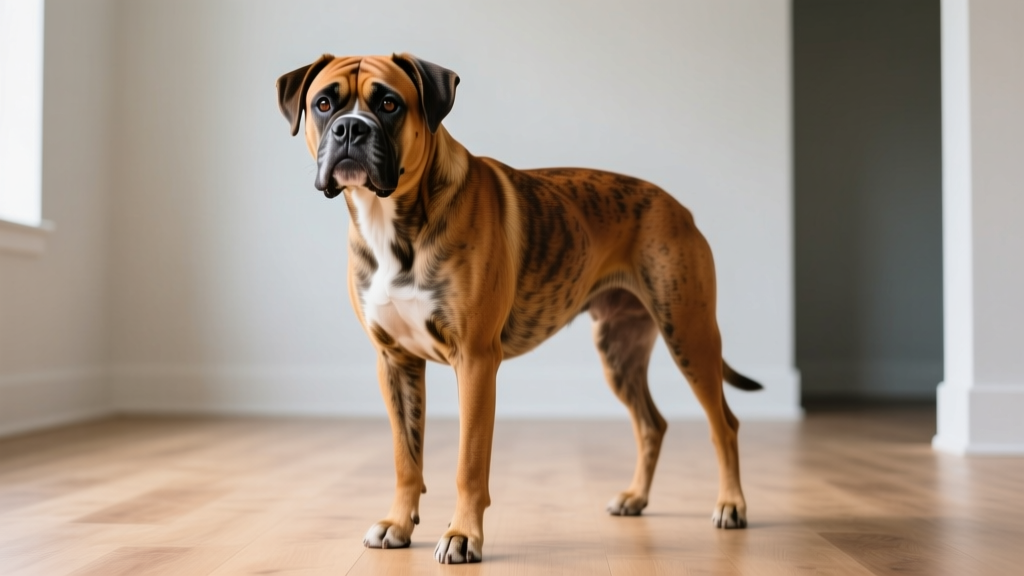
What Two Breeds Make Up the Boxer Pit Bull Terrier Mix?
The Boxer Pit Bull Terrier mix — sometimes called a Pitoxer, Bullboxer Pit, or Boxer Pit — is a cross between the Boxer and the American Pit Bull Terrier (APBT). Both parent breeds belong to the broader "bully breed" category, sharing common ancestry tracing back to Old English Bulldogs used in bull-baiting before that practice was outlawed in 1835. Despite this shared lineage, the two breeds diverged significantly in purpose and temperament over the past two centuries.
This mix is typically an F1 first-generation cross, meaning one parent is a registered Boxer and the other is a registered American Pit Bull Terrier. Because neither the AKC nor the UKC recognizes designer crosses as a standalone breed, you won't find a breed standard governing these dogs. Most Boxer Pit Bull Terrier mixes come from intentional small-scale breeders or, more commonly, from accidental breedings that end up in shelters and rescues.
Parent Breed Breakdown: Boxer vs. American Pit Bull Terrier
Understanding each parent breed is essential because a mixed-breed dog can inherit any combination of traits from either side. Here's how the two parents compare across the categories that matter most to owners:
| Trait | Boxer | American Pit Bull Terrier |
|---|---|---|
| AKC/UKC Recognition | AKC (Working Group) | UKC only (not AKC-recognized) |
| Weight Range | 50–80 lb (23–36 kg) | 30–65 lb (14–29 kg) |
| Height | 21.5–25 in (55–64 cm) | 17–21 in (43–53 cm) |
| Lifespan | 10–12 years | 12–14 years |
| Coat | Short, smooth, single coat | Short, smooth, single coat |
| Energy Level | High — needs 60–90 min/day | High — needs 60–90 min/day |
| Prey Drive | Moderate | Moderate to high |
| Dog Tolerance | Generally good with proper socialization | Variable — same-sex aggression possible |
| Family Bond | Very strong, clownish, affectionate | Very strong, loyal, people-oriented |
Both breeds share a deep devotion to their families, high energy demands, and short, low-maintenance coats. The key differences lie in size (Boxers are noticeably taller and heavier), dog-to-dog tolerance (APBTs carry a higher genetic predisposition for same-sex dog aggression), and head structure (Boxers are brachycephalic; APBTs are mesocephalic).
Size, Weight, and Physical Appearance
Because the two parent breeds differ in size by 15–30 pounds, predicting the exact adult size of a Boxer Pit Bull Terrier mix requires looking at ranges rather than fixed numbers. Most fall somewhere in the middle, but outliers exist in both directions.
| Measurement | Minimum (Small End) | Average | Maximum (Large End) |
|---|---|---|---|
| Weight | 35 lb (16 kg) | 50–65 lb (23–29 kg) | 80 lb (36 kg) |
| Height at Shoulder | 18 in (46 cm) | 20–23 in (51–58 cm) | 25 in (64 cm) |
| Age at Full Growth | 14–18 months (larger individuals may take up to 24 months to fill out in chest and muscle) | ||
What determines which end of the range your dog falls into? If the Boxer parent was a large male (75–80 lb) and the APBT parent was a larger-line dog (55–65 lb), expect a heavier mix. If the APBT parent was a smaller female from a compact line (30–40 lb), the puppies will trend lighter. Ask the breeder or rescue for parent weights whenever possible — this is the single best predictor.
Physically, most Boxer Pit Bull Terrier mixes display a muscular, athletic build with a broad chest, strong neck, and a head shape that falls between the Boxer's flat brachycephalic face and the APBT's wedge-shaped mesocephalic head. Ears may be natural (floppy or semi-erect) or cropped depending on the parent. Coat colors include fawn, brindle, white, black, blue, red, and any combination of these — often with white markings on the chest and feet.
Coat, Shedding, and Grooming
Both parent breeds have short, smooth, single-layer coats, so coat predictability is one area where this mix is fairly consistent. You can expect:
- Coat length: Short (0.5–1 inch), lying flat against the body
- Shedding level: Moderate year-round — neither parent is a heavy seasonal shedder like a Husky, but both shed consistently. You will find short hairs on furniture and clothing regularly.
- Undercoat: Absent or minimal — these dogs lack the dense undercoat that provides cold-weather insulation
Is this mix hypoallergenic? No. Neither the Boxer nor the APBT carries the low-allergen coat genetics found in breeds like Poodles. The Boxer Pit Bull Terrier mix produces typical levels of dander and sheds moderately, making it unsuitable for allergy-sensitive households.
- Brushing: Rubber curry brush or bristle brush 2–3 times per week to manage shedding and distribute skin oils
- Bathing: Every 6–8 weeks or as needed, using a gentle oatmeal-based dog shampoo (both breeds can have sensitive skin)
- Nails: Trim every 2–3 weeks — active dogs may wear them down partially on pavement
- Teeth: Brush 3–5 times per week minimum; both breeds are prone to dental disease
- Ears: Check weekly, clean with a vet-approved ear solution if floppy ears trap moisture
- Skin folds: If your mix inherits the Boxer's facial wrinkles, clean folds daily with a damp cloth and dry thoroughly to prevent fold dermatitis
Temperament: What to Expect (and What Might Surprise You)
Both Boxers and APBTs rank among the most people-oriented breeds in the dog world. The AKC describes the Boxer as "fun-loving, bright, active, and loyal," while the UKC characterizes the APBT as confident, intelligent, and eager to please. These traits frequently carry into the mix — but "frequently" is not "always."
Best-Case Temperament Scenario
A well-socialized Boxer Pit Bull Terrier mix raised with positive reinforcement training from 8 weeks old typically becomes an exuberant, deeply bonded family companion. Expect a dog that greets you like you've been gone for years every time you walk through the door, plays energetically with children it was raised alongside, and responds enthusiastically to training sessions. Many owners describe these dogs as "clownish" — a direct Boxer trait — performing silly behaviors to earn laughs and attention.
Challenging Temperament Scenarios
The traits that require proactive management include:
- Dog-directed reactivity: APBTs carry a genetic tendency toward same-sex dog aggression that can emerge at social maturity (18–36 months). Even well-socialized individuals may develop leash reactivity or intolerance toward unfamiliar dogs. This is not a training failure — it's a breed tendency that requires ongoing management, not punishment.
- High arousal threshold: Both breeds are physically powerful and can become overstimulated during play. A 65-pound dog in a state of high arousal can accidentally injure small children or elderly family members.
- Separation anxiety: These dogs bond intensely and often struggle when left alone for extended periods. Expect potential destructive behavior (chewing, digging, door-scratching) if left alone more than 4–5 hours regularly without proper conditioning.
- Stubbornness in training: Boxers in particular are known for an independent streak. Your mix may choose to ignore commands when something more interesting catches its attention — a recall near a squirrel, for instance.
Exercise and Mental Stimulation Requirements
Plan for 60–90 minutes of structured exercise daily, broken into at least two sessions. This should include:
- Physical: Brisk leash walks (2 miles minimum), jogging, flirt pole sessions, swimming (excellent low-impact option), or hiking
- Mental: Puzzle feeders (Kong Wobbler, Outward Hound Nina Ottosson puzzles), scent work, obedience training sessions (10–15 minutes, 2–3 times daily), or agility if your dog enjoys it
- Structured play: Tug-of-war with clear start/stop rules, fetch with impulse-control training built in
A physically and mentally under-exercised Boxer Pit Bull Terrier mix will find its own entertainment — and you will not like what it chooses. Destructive chewing, excessive barking, escape attempts, and hyperactive indoor behavior are almost always symptoms of insufficient stimulation, not inherent "bad behavior."
Health Considerations: Hybrid Vigor Myth vs. Reality
One of the most persistent claims about mixed-breed dogs is that they automatically benefit from "hybrid vigor" — the idea that genetic diversity eliminates inherited diseases. Let's be direct: hybrid vigor is real but limited. Crossbreeding can reduce the risk of recessive disorders that are concentrated within a single breed's gene pool. However, it does not eliminate conditions that both parent breeds share. And the Merck Veterinary Manual notes that mixed breeds can inherit disease predispositions from either parent.
Here are the specific health conditions your Boxer Pit Bull Terrier mix may inherit, organized by which parent passes the risk:
| Condition | Inherited From | Prevalence / Notes | Screening Test |
|---|---|---|---|
| Cardiomyopathy (ARVC/DCM) | Boxer (high), APBT (moderate) | Boxer cardiomyopathy affects an estimated 25–40% of the breed. Arrhythmogenic right ventricular cardiomyopathy (ARVC) is the most common form. | Holter monitor (24-hour ECG), echocardiogram, Boxer-specific genetic panel |
| Hip Dysplasia | Both breeds | OFA data shows ~10% of Boxers and ~24% of APBTs rated dysplastic. Significant shared risk. | OFA or PennHIP radiographs at 24 months |
| Aortic Stenosis | Boxer | One of the most common congenital heart defects in Boxers. Can cause sudden death in severe cases. | Echocardiogram by veterinary cardiologist |
| Brachycephalic Obstructive Airway Syndrome (BOAS) | Boxer | Only applies if mix inherits the shorter Boxer muzzle. Watch for noisy breathing, exercise intolerance, heat sensitivity. | Veterinary airway assessment, Cambridge BOAS grading |
| Degenerative Myelopathy (DM) | Boxer | Progressive spinal cord disease causing rear-limb paralysis. Carriers exist in the Boxer population. | SOD1 genetic test (available through OFA) |
| Skin Allergies (Atopic Dermatitis) | Both breeds | Both breeds have high rates of environmental and food allergies. Expect possible itchy skin, ear infections, and paw licking. | Intradermal skin testing or IgE blood panel via veterinary dermatologist |
| Cancer (Mast Cell Tumors, Lymphoma) | Boxer (high), APBT (moderate) | Boxers have one of the highest cancer rates of any breed. Mast cell tumors are especially common. | Annual vet wellness exams with lump checks; fine-needle aspirate of any new masses |
| Hypothyroidism | Boxer (moderate), APBT (moderate) | Autoimmune thyroiditis. Causes weight gain, lethargy, coat thinning. Easily managed with daily medication. | Full thyroid panel (T4, free T4, T3, TSH, thyroid antibodies) |
Recommended health screening protocol: If purchasing from a breeder, request documentation that both parents were tested for hip dysplasia (OFA/PennHIP), cardiac conditions (echocardiogram + Holter monitor), and thyroid function. For rescue dogs, schedule a baseline cardiac evaluation and hip radiographs within the first year of adoption.
Always consult your veterinarian to develop a health monitoring plan specific to your dog's inherited risk profile. Early detection of cardiac disease and cancer significantly improves treatment outcomes.
Cost Breakdown: Purchase Price, Annual Care, and Lifetime Budget
Acquisition Cost
| Source | Typical Cost | What's Included |
|---|---|---|
| Responsible Breeder | $500–$1,500 | Health-tested parents, early socialization, first vaccines, deworming, health guarantee, take-back clause |
| Backyard Breeder / Online Listing | $200–$800 | Variable — often no health testing, minimal vetting, no guarantees. Higher risk of inherited disease. |
| Shelter / Breed Rescue | $50–$350 | Spay/neuter, vaccines, microchip, basic vet exam. Pit bull mixes are among the most commonly surrendered dogs in U.S. shelters. |
Important note on rescue availability: Pit bull-type mixes make up an estimated 30–40% of dogs in many U.S. municipal shelters, according to national shelter intake data. A Boxer Pit Bull Terrier mix (or a visually similar mix) is highly likely to be available through your local humane society or a pit bull-specific rescue organization such as Bad Rap or the National Canine Rescue Coalition. Adopting is a genuinely excellent option for this mix.
Estimated Annual Care Costs
- High-quality food (AAFCO complete-and-balanced): $480–$840/year ($40–$70/month for a 50–65 lb dog)
- Routine veterinary care: $400–$700/year (annual exam, vaccines, heartworm test, fecal panel)
- Heartworm/flea/tick prevention: $200–$400/year (Simparica Trio, NexGard, or Interceptor Plus)
- Pet insurance: $480–$840/year ($40–$70/month for accident + illness coverage; breeds with cardiac and cancer risk benefit significantly from insurance)
- Training classes: $150–$400 for group classes; $600–$1,200 for private sessions if addressing reactivity
- Supplies and enrichment: $200–$400/year (crate, bed, puzzle toys, leash, harness)
First-year total estimate: $2,500–$5,000 (including acquisition, spay/neuter if not already done, initial vet workup, and supplies). Ongoing annual cost: $1,900–$3,600.
Who This Mix Suits Best (and Who Should Think Twice)
Based on the combined traits of both parent breeds, here's a practical decision framework:
| Factor | Good Fit ✅ | Think Twice ⚠️ |
|---|---|---|
| Experience Level | Intermediate to experienced owners who understand dog body language and proactive socialization | First-time dog owners without access to professional training support |
| Activity Level | Active individuals or families who jog, hike, or commit to daily structured exercise | Sedentary households or owners away from home 10+ hours daily |
| Children | Families with children 8+ who can participate in training and respect the dog's space | Families with toddlers — a 65-lb exuberant dog can knock down small children accidentally |
| Other Pets | Single-dog households or homes with an established, dog-tolerant opposite-sex dog | Multi-dog households with same-sex dogs, or homes with cats/small animals (prey drive risk) |
| Housing | Home with fenced yard in areas without BSL; owners with flexible insurance | Apartments with breed/weight restrictions; HOAs or rental insurance that excludes pit bull-type dogs |
| Training Commitment | Owners willing to invest in puppy classes, ongoing socialization, and possible reactivity management | Owners who prefer a low-effort, independent dog that entertains itself |
Frequently Asked Questions
How big will a Boxer Pit Bull Terrier mix get?
Most adults weigh between 50 and 65 pounds (23–29 kg) and stand 20 to 23 inches (51–58 cm) at the shoulder. However, individuals can range from 35 lb to 80 lb depending on which parent's size genes they inherit. Ask for parent weights for the most accurate prediction.
What will the temperament of a Boxer Pit Bull Terrier mix be like?
Expect a people-oriented, energetic, and affectionate dog that bonds deeply with its family. The biggest temperament variables involve dog tolerance (some individuals develop same-sex dog aggression at maturity) and arousal level (both breeds are high-energy). Early socialization and positive reinforcement training are non-negotiable for this mix.
Is the Boxer Pit Bull Terrier mix hypoallergenic or low-shedding?
No. Both parent breeds have short, single coats that shed moderately year-round. This mix produces normal levels of dander and is not suitable for people with dog allergies.
What health issues might a Boxer Pit Bull Terrier mix inherit?
The highest-priority concerns are cardiac disease (especially Boxer cardiomyopathy/ARVC and aortic stenosis), hip dysplasia (both breeds), skin allergies (both breeds), and cancer (especially Boxer-line mast cell tumors). Hybrid vigor reduces some recessive disease risk but does not eliminate conditions both parents share.
How much does a Boxer Pit Bull Terrier mix cost?
From a responsible breeder: $500–$1,500. From a shelter or breed rescue: $50–$350. Annual care costs run $1,900–$3,600 including food, veterinary care, prevention medications, and insurance. Pit bull-type mixes are abundant in shelters, so adoption is a highly accessible option.
Are Boxer Pit Bull Terrier mixes good with children?
Both parent breeds are known for being affectionate with children they're raised alongside. However, these are large, muscular, high-energy dogs that can accidentally knock over toddlers during play. They're best suited for families with children aged 8 and up, and all interactions between dogs and children should be actively supervised regardless of breed.
Can I keep a Boxer Pit Bull Terrier mix with other dogs?
It depends on the individual. Some mixes are highly dog-social, especially if socialized from puppyhood. Others develop dog-directed reactivity or same-sex aggression as they mature, typically between 18 months and 3 years. Opposite-sex pairings tend to be more successful. Always introduce new dogs gradually on neutral territory and consult a certified trainer if you observe stiffness, staring, or lunging.
Jonas Cole
All our authors care for dogs every day — read more of their work on the authors page.


