Biggest Mastiff Breeds Ranked: Which Giant Is Right for You?
Discover which mastiff breed claims the title of biggest mastiff.
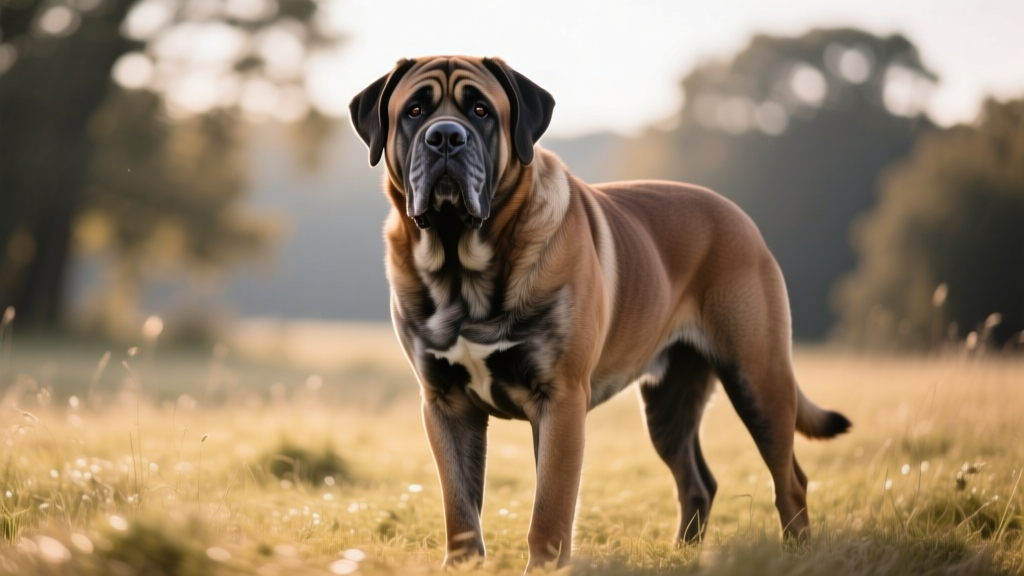
If you've ever stood next to a 200-pound dog that could lean against you like a furry wall, you already understand the appeal of giant mastiff breeds. The biggest mastiff on record — an English Mastiff named Zorba — weighed an astonishing 343 pounds (155.6 kg) and measured over 8 feet from nose to tail. While most mastiffs won't reach that extreme, these dogs consistently rank among the largest companion animals on the planet.
But "biggest" doesn't automatically mean "best fit for your home." Size interacts with temperament, health risks, exercise needs, and your budget in ways that matter enormously when you're sharing your couch (and your grocery budget) with a dog that may outweigh you. This guide ranks the largest mastiff-type breeds by size, breaks down what living with each one actually looks like, and helps you decide which giant — if any — belongs in your family.
What Defines a Mastiff? Breed Origins and Size Classifications
Mastiffs belong to a group of molosser-type dogs — large, heavily boned breeds descended from ancient war and guardian dogs of the Molossian tribe in Epirus (modern-day Albania and Greece), dating back to at least 500 BCE. The Romans spread these dogs across Europe, where regional breeding produced the diverse mastiff family we know today.
All mastiff breeds share certain traits: broad skulls, muscular builds, loose skin (especially around the face and neck), deep chests, and a guarding instinct hardwired over millennia. They fall into the giant size class — generally defined as dogs exceeding 100 lb (45 kg) at maturity, though the biggest mastiff breeds push well beyond 200 lb (90 kg).
Here's how the major mastiff breeds stack up by size, from largest to smallest within the giant category:
| Breed | Male Weight (lb / kg) | Female Weight (lb / kg) | Height at Shoulder (in / cm) | Origin |
|---|---|---|---|---|
| English Mastiff | 160–230+ / 73–104+ | 120–170 / 54–77 | 30+ / 76+ | England |
| Neapolitan Mastiff | 150–200 / 68–91 | 120–150 / 54–68 | 26–31 / 66–79 | Italy |
| Tibetan Mastiff | 90–150 / 41–68 | 70–120 / 32–54 | 24–30 / 61–76 | Tibet/China |
| Bullmastiff | 110–130 / 50–59 | 100–120 / 45–54 | 25–27 / 64–69 | England |
| Dogue de Bordeaux | 110–145 / 50–66 | 99–120 / 45–54 | 23–27 / 58–69 | France |
| Spanish Mastiff | 140–220 / 64–100 | 110–170 / 50–77 | 28–35 / 71–89 | Spain |
The English Mastiff claims the undisputed title of biggest mastiff — and biggest dog breed overall by mass. Males routinely exceed 200 lb, and the AKC breed standard sets no upper weight limit. The AKC Mastiff breed standard specifies a minimum of 160 lb for males and 120 lb for females, but most well-bred males land in the 180–220 lb range.
English Mastiff: The Reigning Champion of Size
Since the English Mastiff is the biggest mastiff breed by any measurable standard, let's start with a deep dive into what owning one actually entails.
Breed Overview
The English Mastiff has been present in Britain since at least the Roman invasion of 55 BCE, when Julius Caesar noted the formidable war dogs used by Celtic tribes. By the 14th century, they served as estate guardians and hunting companions for nobility. The modern breed was refined in the 19th century, with formal stud books beginning in the 1880s.
| Weight | 120–230+ lb / 54–104+ kg |
| Height | 27.5–30+ in / 70–76+ cm at shoulder |
| Lifespan | 6–10 years (median: 7.5 years) |
| Coat | Short, double coat; fawn, apricot, or brindle |
| Size Class | Giant |
| Energy Level | Low to moderate |
| Grooming | Weekly brushing; moderate shedding |
| Family Fit | Excellent with respectful children; not ideal for apartments |
Temperament & Personality: Five Core Traits
The English Mastiff temperament is often misunderstood. People assume a dog this large must be aggressive or intimidating. In reality, well-bred Mastiffs are among the most docile giants in the canine world. Here are the five defining traits:
1. Calm Indifference to Strangers. Unlike breeds that bark at every passerby, Mastiffs typically observe newcomers with quiet assessment. They don't immediately greet or immediately threaten — they watch. If you're relaxed, your Mastiff stays relaxed. If a genuine threat appears, they position themselves between you and the perceived danger without necessarily making a sound.
2. Deep Attachment to Family. Mastiffs are notorious "leaners" — they'll press their entire body weight against your legs while you cook dinner or sit beside you on the floor (never mind that they take up half the living room). This breed forms intense bonds and does poorly with isolation. Expect separation anxiety if left alone for more than 4–5 hours regularly.
3. Stubborn Independence. Bred to make their own decisions as guardians, Mastiffs aren't biddable like a Border Collie. They'll consider your command, decide if it's worth their effort, and respond accordingly. This isn't stupidity — it's autonomous thinking. A Mastiff who refuses to come inside from the yard isn't being defiant; they've assessed the situation and decided the yard is fine.
4. Gentle with Known Children. Mastiffs raised alongside children show remarkable patience, often tolerating ear-pulls and climbing that would provoke other breeds. That said, a 180-lb dog can accidentally crush a toddler simply by lying down. Supervision is non-negotiable with children under 5.
5. Low Play Drive. Don't expect fetch marathons. Most Mastiffs enjoy a leisurely walk, a sniff session in the yard, and perhaps a short tug game. They're not athletic dogs, and pushing them into high-intensity exercise risks joint damage.
Exercise, Training, and Daily Care for Giant Mastiffs
Exercise Requirements
Despite their massive size, Mastiffs are surprisingly low-energy. Here's what they actually need:
- Daily walks: 30–45 minutes total, split into two sessions (morning and evening)
- Free yard time: 20–30 minutes of supervised roaming and sniffing
- Mental enrichment: 15–20 minutes of scent work, puzzle feeders, or gentle training sessions
- Avoid: Jogging, long-distance hiking, stair climbing (especially for dogs under 18 months), and exercise in heat above 80°F / 27°C
Total daily activity: 60–90 minutes, mostly low-intensity. Puppies should follow the 5-minutes-per-month-of-age rule (e.g., a 4-month-old puppy gets 20-minute walks maximum) to protect developing growth plates.
Training & Intelligence
Mastiffs score moderate marks on trainability — they're intelligent enough to learn commands quickly but lack the motivation to perform them reliably. Positive reinforcement methods are essential. Harsh corrections or force-based methods will shut a Mastiff down entirely; they'll simply refuse to engage.
Key training priorities for Mastiff puppies:
- Leash manners by 4 months. A 40-lb puppy pulling on a leash is annoying. A 160-lb adult pulling is dangerous. Start leash training immediately with a front-clip harness (e.g., Ruffwear Front Range).
- "Drop it" and "leave it" commands. Mastiffs have powerful jaws and will pick up things they shouldn't. These commands can be life-saving.
- Doorway manners. Teach your Mastiff to sit and wait at doors. A 200-lb dog barreling through a doorway is a liability.
- Handling desensitization. Get your Mastiff comfortable with nail trims, ear cleaning, and vet exams while they're still small enough to manage.
Expect training timelines to be longer than with sporting or herding breeds. A Mastiff may need 30–50 repetitions to reliably learn a new command, compared to 5–15 for a Golden Retriever. Patience pays off — once a Mastiff learns something, they tend to retain it.
Grooming Requirements
| Task | Frequency | Tools Needed | Time Required |
| Brushing | 2–3x per week | Rubber curry brush or Kong ZoomGroom | 10–15 min |
| Wrinkle cleaning | Daily | Unscented dog wipes or damp cloth + dry cloth | 5 min |
| Nail trimming | Every 2–3 weeks | Heavy-duty guillotine clippers or Dremel 7300-PT | 10–15 min |
| Ear cleaning | Weekly | Vet-recommended ear cleanser, cotton balls | 5 min |
| Bathing | Every 6–8 weeks | Oatmeal-based dog shampoo; handheld sprayer | 30–45 min |
| Dental care | Daily brushing ideal; minimum 3x/week | Canine toothbrush + enzymatic toothpaste | 3–5 min |
The wrinkle care is critical — moisture trapped in facial folds leads to bacterial and yeast infections (intertrigo). Clean folds daily, dry thoroughly, and apply a thin layer of petroleum jelly or coconut oil if irritation develops. If you notice redness, odor, or discharge, consult your veterinarian promptly.
Health Issues: What the Biggest Mastiff Breeds Face
Giant size comes with significant health trade-offs. The bigger the dog, the harder gravity works against their joints, heart, and skeleton. Here are the most critical conditions affecting English Mastiffs and other giant mastiff breeds:
| Condition | Prevalence | Onset | Treatment Cost Range |
|---|---|---|---|
| Gastric Dilatation-Volvulus (GDV / Bloat) | ~24% lifetime risk in giant breeds | Acute emergency; any age, peak 4–7 years | $3,000–$8,000 (emergency surgery) |
| Hip Dysplasia | ~25% of Mastiffs (OFA data) | Signs from 4–12 months; worsens with age | $1,500–$7,000 (total hip replacement) |
| Elbow Dysplasia | ~18% of Mastiffs (OFA data) | 4–10 months | $1,500–$4,000 per elbow |
| Dilated Cardiomyopathy (DCM) | ~10–15% estimated | Typically 4–8 years | $200–$600/month ongoing medication |
| Osteosarcoma | Higher than average in giant breeds | Typically 6–9 years | $5,000–$12,000 (amputation + chemo) |
Gastric Dilatation-Volvulus (GDV) deserves special attention. This life-threatening condition occurs when the stomach fills with gas and twists on itself, cutting off blood supply. It can kill within hours. Preventive measures include:
- Feed 2–3 smaller meals per day rather than one large meal
- Use a slow-feeder bowl to reduce air gulping
- No vigorous exercise for 1 hour before and after meals
- Discuss prophylactic gastropexy (stomach tacking) with your veterinarian during spay/neuter — this preventive surgery reduces GDV risk by over 95%
Always consult your veterinarian about breed-appropriate health screening. The Orthopedic Foundation for Animals (OFA) recommends Mastiffs be screened for hips, elbows, cardiac disease, and thyroid function. Reputable breeders will provide OFA or PennHIP certification for both parents.
Family Suitability: Kids, Pets, and Living Spaces
Strengths for Families
- Extremely patient and gentle with children they're raised alongside
- Low barking tendency — good for noise-sensitive neighborhoods
- Calm indoor demeanor; happy to lounge for hours
- Natural protective instinct without aggressive training
- Generally good with other household pets when socialized early
Challenges for Families
- Accidental injury risk to toddlers (body weight, tail swings)
- Massive food costs: 8–12 cups of quality kibble daily ($150–$250/month)
- Drool — keep towels handy; walls and furniture will get splattered
- Short lifespan (6–10 years); prepare for early loss
- Not suited for apartments or homes without ground-floor access
- Vehicle transport requires an SUV or van with a ramp
With children: Mastiffs are excellent with respectful kids aged 6+. Their patience is legendary, but their size creates real danger for toddlers. A Mastiff rolling over in sleep can pin a small child. Always supervise interactions and teach children not to climb on the dog.
With other pets: Most Mastiffs coexist peacefully with other dogs and cats, especially when raised together. Same-sex aggression can occur in intact males — neutering reduces this risk. Introduce new pets gradually using positive reinforcement and controlled meetings on neutral territory.
Apartment living: While Mastiffs are low-energy indoors, their sheer size makes apartments impractical. They need floor space to move without bumping into walls and furniture. A house with a fenced yard (minimum 4-foot fence; Mastiffs aren't jumpers but they're strong enough to push through weak barriers) is strongly recommended. Stairs are a concern — Mastiffs can develop joint problems from daily stair use, so single-story living or ramp access is ideal.
Cost of Ownership: Budgeting for a Giant
The biggest mastiff breeds are among the most expensive dogs to purchase and maintain. Here's a realistic cost breakdown for an English Mastiff:
| Expense Category | First Year | Annual (Ongoing) |
|---|---|---|
| Puppy purchase (reputable breeder) | $2,000–$5,500 | — |
| Food (premium large-breed kibble) | $1,800–$3,000 | $1,800–$3,000 |
| Veterinary care (routine) | $800–$1,500 | $600–$1,200 |
| Pet insurance | $1,200–$2,400 | $1,200–$2,400 |
| Supplies (XL crate, bed, bowls, harness) | $500–$1,200 | $200–$500 (replacements) |
| Grooming supplies & professional grooming | $150–$400 | $150–$400 |
| Training (puppy classes + private sessions) | $400–$1,200 | $100–$300 |
| Total Estimated Cost | $6,850–$15,200 | $4,050–$7,800 |
Over an average 8-year lifespan, total cost of ownership for an English Mastiff ranges from approximately $35,000 to $65,000+, not including emergency veterinary care. Pet insurance is strongly recommended — giant breeds are high-risk for expensive emergencies like GDV and orthopedic surgery. Companies like Trupanion and Healthy Paws offer giant-breed plans, though premiums reflect the risk.
Adoption as an alternative: Mastiff-specific rescues like Mastiff Rescue organizations occasionally have adult dogs available for $300–$600 adoption fees. Adopting an adult Mastiff can reduce first-year costs and give you a dog with a known temperament, though you may inherit undisclosed health issues.
Other Contenders for Biggest Mastiff Title
While the English Mastiff holds the crown, several other breeds deserve mention for anyone researching the biggest mastiff options:
Spanish Mastiff (Mastín Español): Historically used to guard livestock against wolves and bears in Spain, this breed rivals the English Mastiff in weight (up to 220 lb / 100 kg) but is leaner and more athletic. They're more independent and less family-oriented than English Mastiffs, suited to experienced owners with rural property. Rare in the US — expect long breeder waitlists.
Neapolitan Mastiff: Slightly smaller in weight but visually massive due to their extraordinarily loose skin and heavy bone. Males reach 150–200 lb (68–91 kg). Their wrinkled faces require intensive daily cleaning. More protective and suspicious of strangers than English Mastiffs — not recommended for first-time owners. Lifespan averages 7–9 years.
Tibetan Mastiff: Built for high-altitude cold, these dogs have a thick double coat that makes them look larger than they are. Actual weight tops out around 150 lb (68 kg) for males. They're fiercely independent, nocturnal barkers, and notoriously difficult to train. Best suited to experienced owners in cold climates with secure fencing. The AKC Tibetan Mastiff standard notes a strong guarding instinct that requires early, extensive socialization.
Is the Biggest Mastiff Right for You? Decision Framework
Use this checklist to honestly assess whether a giant mastiff breed fits your life:
- Do you have a single-story home or ground-floor apartment with yard access? If you live on the third floor of a walk-up, a Mastiff is not practical.
- Can you budget $500–$700/month for ongoing care? Food, insurance, and routine vet costs for a giant dog are non-negotiable.
- Are you prepared for a 6–10 year commitment with likely end-of-life health crises? Giant breeds age fast and die young. Emotional and financial preparation matters.
- Do you have time for daily wrinkle care, drool cleanup, and moderate exercise? Mastiffs aren't high-maintenance, but they aren't zero-maintenance either.
- Can you commit to positive-reinforcement training starting in puppyhood? A 200-lb dog without leash manners or basic obedience is a genuine safety risk.
If you answered yes to all five, a mastiff could be an incredibly rewarding companion. If you hesitated on two or more, consider a smaller breed or wait until your circumstances change.
Frequently Asked Questions About the Biggest Mastiff Breeds
Is the English Mastiff the biggest mastiff breed in the world?
Yes. By mass, the English Mastiff is the biggest mastiff and the heaviest dog breed overall. Males routinely weigh 160–230 lb (73–104 kg), and the breed holds the Guinness World Record for heaviest dog. The Irish Wolfhound is taller, and the Great Dane can be heavier in some lines, but among mastiff-type breeds specifically, the English Mastiff is the undisputed giant.
How much exercise does an English Mastiff need daily?
Plan for 60–90 minutes of total daily activity: two 20-minute leash walks, 20–30 minutes of yard time, and 15–20 minutes of mental enrichment. Keep intensity low — no jogging, agility, or sustained running. Mastiffs overheat easily and their joints can't handle high-impact exercise.
Is the biggest mastiff breed good for first-time dog owners?
English Mastiffs can work for committed first-time owners, but they're not the easiest introduction to dog ownership. The training challenges (stubbornness), physical management (handling a 200-lb dog), health risks, and financial costs are substantial. If you're a first-timer set on a Mastiff, invest in professional puppy training classes and find a mentor through a Mastiff breed club.
What health problems are giant mastiffs most prone to?
The top concerns are gastric dilatation-volvulus (bloat), hip and elbow dysplasia, dilated cardiomyopathy, osteosarcoma, and hypothyroidism. Bloat is the most immediately dangerous — it's a life-threatening emergency that requires surgery within hours. Discuss prophylactic gastropexy with your vet and learn the signs of bloat (distended abdomen, unproductive retching, restlessness).
How big does the biggest mastiff get?
Male English Mastiffs typically reach 160–230 lb (73–104 kg) and stand 30+ inches (76+ cm) at the shoulder. Exceptional individuals exceed 250 lb (113 kg). Females are noticeably smaller at 120–170 lb (54–77 kg). Growth continues until approximately 18–24 months, with full muscular maturity around 3 years.
How much does an English Mastiff cost to buy and maintain?
Expect to pay $2,000–$5,500 for a puppy from a reputable breeder who health-tests parents. Annual maintenance costs run $4,050–$7,800, covering food ($1,800–$3,000/year alone), insurance, veterinary care, and supplies. Over an 8-year lifespan, total ownership costs typically range from $35,000 to $65,000+.
Are English Mastiffs good with children and other pets?
Yes, with caveats. Mastiffs are gentle and patient with children they know, but their size poses a real risk to toddlers (accidental crushing, tail strikes). Supervise all interactions with children under 6. With other pets, early socialization is key — most Mastiffs coexist peacefully with dogs and cats they're raised alongside. Same-sex aggression can occur in intact males.
Disclaimer: This article is for informational purposes only and does not replace professional veterinary advice. Always consult your veterinarian for breed-specific health screening, nutrition plans, and medical decisions. If you suspect your dog has ingested a toxic substance, contact the ASPCA Animal Poison Control Center at (888) 426-4435 immediately (24/7, consultation fee applies).
Marcus Aldridge
All our authors care for dogs every day — read more of their work on the authors page.


