12 Best Snow Dog Breeds: Cold-Weather Companions Ranked
Discover the 12 best snow dog breeds ranked by cold tolerance, exercise needs, and family fit. Includes comparison table and decision framework for...
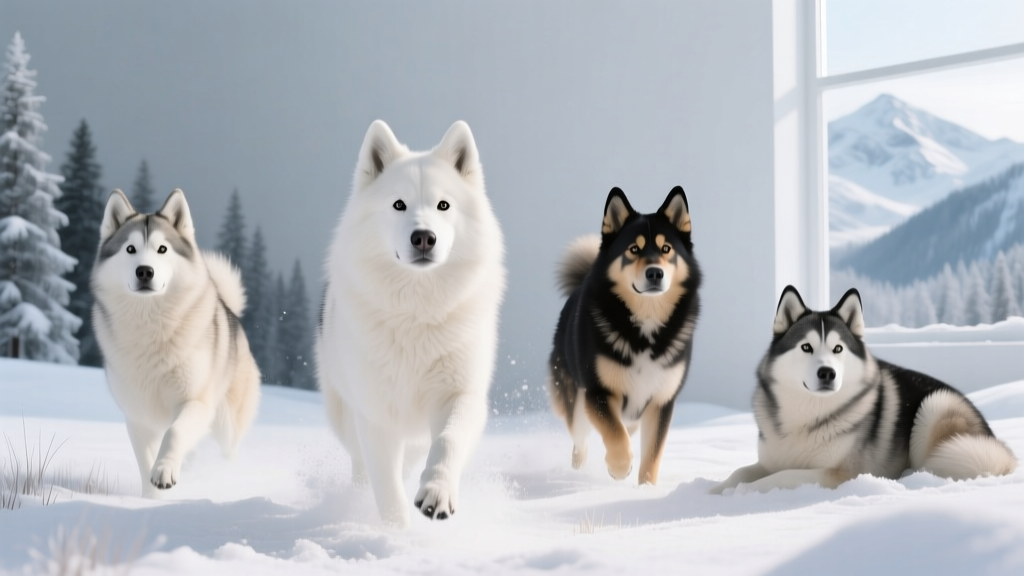
If you live where winter means sub-zero mornings, icy sidewalks, and snowdrifts by February, you need a dog built for it. Not every breed thrives when the thermometer drops — but snow dog breeds evolved precisely for these conditions, sporting double coats, insulated paw pads, and metabolisms calibrated for cold-weather work.
But "built for snow" doesn't mean every cold-weather breed fits every household. A Siberian Husky and a Bernese Mountain Dog both love the cold, yet they differ dramatically in energy, grooming demands, and trainability. This guide ranks 12 top snow dog breeds across measurable criteria so you can match a breed to your actual lifestyle — not just your climate.
Every breed on this list meets at least four of the following five thresholds:
- Cold tolerance: Bred in climates where average winter temperatures fall below 20°F (-7°C), with documented double-coat or cold-adapted physiology
- Functional working history: Originally developed for sled pulling, livestock guarding, hunting, or rescue in snow/ice environments
- AKC/FCI recognition: Registered breed standard with verifiable temperament and physical trait data
- Exercise sustainability in cold: Demonstrated ability to maintain high activity levels in freezing conditions without risk of hypothermia
- Household viability: Can adapt to family life (not exclusively kennel or working-dog environments)
Breeds are ranked by overall suitability for the average active household in a cold climate, balancing cold tolerance against grooming demands, trainability, and health considerations.
Top 12 Snow Dog Breeds, Ranked
The following breeds are grouped into three tiers based on their best-fit household type: high-energy adventurers, balanced family companions, and gentle giants. Within each tier, breeds are ranked by overall versatility.
Tier 1: High-Energy Snow Breeds for Active Owners
1. Siberian Husky
Size class: Medium (35–60 lb / 16–27 kg)
Key cold-weather trait: Dense double coat rated to -75°F (-60°C); self-regulating metabolism prevents overheating during sustained running
Profile: The quintessential sled dog, bred by the Chukchi people of northeastern Siberia for endurance hauling across frozen tundra. Huskies are famously vocal, escape-prone, and relentlessly energetic — they need 90–120 minutes of vigorous daily exercise and a securely fenced yard (minimum 6-foot fence, no gaps). Their AKC breed standard describes them as "loyal, mischievous, and outgoing."
Why it made the list: Unmatched cold endurance combined with a medium frame that fits most homes. However, their high prey drive and independence make them poor choices for first-time owners or homes with cats.
2. Alaskan Malamute
Size class: Large (75–85 lb / 34–39 kg)
Key cold-weather trait: Coarse outer guard coat up to 2 inches thick over a woolly, oily undercoat that repels moisture and ice buildup
Profile: Larger and more powerful than the Husky, Malamutes were bred by the Iñupiat people for heavy freight hauling. They pull slower but with significantly more force. Expect 60–90 minutes of daily exercise and heavy seasonal shedding ("blowing coat" twice yearly). They tend to be more people-oriented and less flight-prone than Huskies but still require firm, positive-reinforcement training from puppyhood.
Why it made the list: Best-in-class pulling power and cold insulation for owners who want a larger, slightly calmer alternative to the Husky. Their size means higher food costs ($80–$120/month on quality kibble) and more space requirements.
3. Samoyed
Size class: Medium (35–65 lb / 16–29 kg)
Key cold-weather trait: Standoff double coat that doesn't mat against the skin, trapping air for superior insulation; white coloration reflects solar radiation in high-altitude snow environments
Profile: Originally bred by the Samoyedic peoples of Siberia for herding reindeer, pulling sleds, and sleeping alongside families for warmth. Samoyeds are notably more sociable and less independent than Huskies, making them easier to train for household life. They require 60–90 minutes of daily exercise and intensive grooming (professional grooming runs $65–$90 per session every 6–8 weeks).
Why it made the list: The most family-friendly of the spitz-type sled dogs. Their "Sammy smile" and eagerness to please offset the significant grooming investment.
4. Canadian Eskimo Dog (Qimmiq)
Size class: Large (40–88 lb / 18–40 kg)
Key cold-weather trait: One of the oldest and most cold-adapted breeds on Earth; capable of sustained work at -58°F (-50°C) with minimal caloric increase
Profile: This rare breed (fewer than 300 registered worldwide) is not recognized by the AKC but is preserved by the Canadian Kennel Club. They are intensely pack-oriented, vocal, and physically demanding. Not recommended for novice owners. Exercise needs exceed 90 minutes daily, and they do best with a job — skijoring, sledding, or weighted pulling.
Why it made the list: Extreme cold tolerance that surpasses even the Siberian Husky. Their rarity and intensity keep them at #4 — this is a lifestyle commitment, not a casual pet choice.
Tier 2: Balanced Family Snow Breeds
5. Bernese Mountain Dog
Size class: Giant (70–115 lb / 32–52 kg)
Key cold-weather trait: Long, slightly wavy double coat evolved for Swiss Alpine winters; broad chest provides core heat retention
Profile: Bred as an all-purpose Swiss farm dog for drafting (cart pulling), droving cattle, and guarding property. Berners are gentle, affectionate, and deeply bonded to their families. They need 45–60 minutes of moderate daily exercise and do poorly in heat above 75°F (24°C). Lifespan is unfortunately short — 7–10 years — due to high cancer rates (histiocytic sarcoma prevalence estimated at 25% in some lines, per Merck Veterinary Manual).
Why it made the list: The best cold-weather breed for families wanting a calm, large companion rather than an endurance athlete. Their shorter lifespan is the primary drawback.
6. Norwegian Elkhound
Size class: Medium (48–55 lb / 22–25 kg)
Key cold-weather trait: Dense, weather-resistant double coat with a harsh outer layer that sheds ice and snow naturally
Profile: An ancient Scandinavian hound bred to track and hold moose (elk) in deep snow and dense forest. Elkhounds are independent thinkers with strong prey drive but are typically more biddable than sled breeds. Expect 60–90 minutes of daily exercise and moderate shedding. They are vocal — bred to bark when holding game — so apartment living requires dedicated training.
Why it made the list: A versatile hunting-type snow dog that adapts better to structured household life than most spitz breeds. Their medium size and moderate grooming needs make them practical for working families.
7. Newfoundland
Size class: Giant (100–150 lb / 45–68 kg)
Key cold-weather trait: Water-resistant, oily double coat that insulates even when wet; webbed feet and powerful build allow swimming in near-freezing water
Profile: Bred by Canadian fishermen for water rescue and hauling nets in the North Atlantic. Newfoundlands are famously gentle with children, highly trainable, and low-energy relative to their size (30–45 minutes of daily exercise suffices). Drooling and size-related costs are the main trade-offs — expect $100–$150/month on food and higher veterinary bills due to giant-breed health risks like hip dysplasia and dilated cardiomyopathy.
Why it made the list: Unmatched cold-water capability combined with a temperament that suits families with young children. If you need a dog that can handle icy lake swims and still nap calmly on the couch, this is the breed.
8. Tibetan Mastiff
Size class: Giant (70–150 lb / 32–68 kg)
Key cold-weather trait: Massive, lion-like mane and heavy double coat evolved for Himalayan altitudes above 16,000 feet where temperatures drop to -40°F
Profile: An ancient livestock guardian from the Tibetan Plateau. Tibetan Mastiffs are independent, territorial, and nocturnal by instinct (they tend to bark at night). They require experienced owners, secure fencing, and early socialization. Exercise needs are moderate (30–45 minutes daily), but their guardian instincts mean they are not suitable for dog parks or off-leash areas. Purchase prices range from $2,000–$8,000+ from reputable breeders.
Why it made the list: Extreme cold tolerance at high altitude with a guardian temperament suited to rural or semi-rural properties. Not a fit for suburban neighborhoods due to nighttime barking and wariness of strangers.
Tier 3: Cold-Hardy Versatile Breeds
9. Finnish Spitz
Size class: Small-Medium (20–33 lb / 9–15 kg)
Key cold-weather trait: Dense, short-to-medium double coat with erect ears that resist frostbite; compact frame conserves heat efficiently
Profile: Finland's national dog, bred to bark at birds and small game in boreal forests. Finnish Spitzes are lively, alert, and surprisingly vocal (they produce a distinctive "yodeling" bark). They need 45–60 minutes of daily exercise and adapt well to apartment living if exercised adequately. Their smaller size makes them the most space-efficient snow breed on this list.
Why it made the list: The best snow dog breed for apartment dwellers or those with limited yard space. Their compact size and moderate exercise needs are balanced against a true cold-weather heritage.
10. Karelian Bear Dog
Size class: Medium (44–50 lb / 20–23 kg)
Key cold-weather trait: Harsh, straight outer coat with a soft, dense undercoat; bred for tracking bears and moose in Finnish and Russian winter forests
Profile: A bold, tenacious hunting breed used today in North America for bear management and wildlife conflict resolution. Karelian Bear Dogs are intensely driven, require experienced handlers, and are not recommended for homes with small pets. They need 60–90 minutes of daily exercise and structured training. Their fearlessness is an asset in working contexts but requires careful management in family settings.
Why it made the list: A cold-adapted working breed for experienced owners who hunt, hike in bear country, or want a serious outdoor partner. Not a casual family pet.
11. Keeshond
Size class: Small-Medium (35–45 lb / 16–20 kg)
Key cold-weather trait: Luxurious, stand-off double coat with a thick ruff around the neck; originally served as a barge watchdog on Dutch waterways through harsh North Sea winters
Profile: The Keeshond is the most companion-oriented spitz breed on this list. They are friendly, trainable, and notably less prone to escape behavior than Huskies or Malamutes. Exercise needs are moderate (30–45 minutes daily), and they thrive as indoor dogs with outdoor access. Grooming is intensive — budget $50–$75 per professional session every 6–8 weeks.
Why it made the list: Cold tolerance packaged in a breed genuinely suited to indoor family life. If you want spitz looks and snow capability without the extreme exercise demands, the Keeshond is the pragmatic choice.
12. Greater Swiss Mountain Dog
Size class: Giant (85–140 lb / 39–64 kg)
Key cold-weather trait: Short but dense double coat that provides adequate cold insulation with significantly less grooming than long-coated Alpine breeds
Profile: The largest of the four Swiss Mountain Dog breeds, developed for drafting and farm work. Greater Swiss Mountain Dogs ("Swissies") are more energetic than Bernese Mountain Dogs but easier to groom. They need 60–90 minutes of daily exercise and respond well to positive-reinforcement training. Lifespan averages 8–11 years. Health screening for hip dysplasia, elbow dysplasia, and gastric dilatation-volvulus (bloat) is essential — ask breeders for OFA or PennHIP certifications.
Why it made the list: A cold-hardy giant breed for active families who want lower grooming maintenance than the Bernese or Newfoundland. Their shorter coat sheds less but still provides functional cold protection.
Breed Comparison Table
| Breed | Weight Range | Exercise (min/day) | Grooming Level | Family Friendliness | Lifespan |
|---|---|---|---|---|---|
| Siberian Husky | 35–60 lb / 16–27 kg | 90–120 | High | Moderate (high prey drive) | 12–14 years |
| Alaskan Malamute | 75–85 lb / 34–39 kg | 60–90 | High | Good | 10–14 years |
| Samoyed | 35–65 lb / 16–29 kg | 60–90 | Very High | Excellent | 12–14 years |
| Canadian Eskimo Dog | 40–88 lb / 18–40 kg | 90+ | High | Low (experienced owners only) | 12–14 years |
| Bernese Mountain Dog | 70–115 lb / 32–52 kg | 45–60 | Moderate | Excellent | 7–10 years |
| Norwegian Elkhound | 48–55 lb / 22–25 kg | 60–90 | Moderate | Good | 12–15 years |
| Newfoundland | 100–150 lb / 45–68 kg | 30–45 | Moderate | Excellent | 9–10 years |
| Tibetan Mastiff | 70–150 lb / 32–68 kg | 30–45 | High | Moderate (guardian instincts) | 10–12 years |
| Finnish Spitz | 20–33 lb / 9–15 kg | 45–60 | Moderate | Good | 13–15 years |
| Karelian Bear Dog | 44–50 lb / 20–23 kg | 60–90 | Low-Moderate | Low (working breed) | 11–13 years |
| Keeshond | 35–45 lb / 16–20 kg | 30–45 | High | Excellent | 12–15 years |
| Greater Swiss Mountain Dog | 85–140 lb / 39–64 kg | 60–90 | Low-Moderate | Excellent | 8–11 years |
How to Choose: Decision Framework
Choosing between the top snow dog breeds comes down to three lifestyle factors. Use this framework to narrow your options:
- If you can commit 90+ minutes of vigorous outdoor activity daily (running, skijoring, hiking): Consider the Siberian Husky, Alaskan Malamute, or Canadian Eskimo Dog.
- If you can commit 45–90 minutes of moderate activity daily (brisk walks, fetch, casual hiking): Consider the Samoyed, Bernese Mountain Dog, Norwegian Elkhound, Finnish Spitz, or Greater Swiss Mountain Dog.
- If you can commit 30–45 minutes of light activity daily (short walks, yard time): Consider the Newfoundland, Tibetan Mastiff, or Keeshond.
- High grooming tolerance (daily brushing, professional grooming $60–$90 every 6–8 weeks): Samoyed, Keeshond, or Tibetan Mastiff.
- Moderate grooming tolerance (brushing 2–3x/week, seasonal heavy shedding): Husky, Malamute, Bernese, Elkhound, Newfoundland.
- Low grooming tolerance (brushing 1x/week, minimal professional grooming): Greater Swiss Mountain Dog, Karelian Bear Dog.
- Families with young children: Bernese Mountain Dog, Newfoundland, Samoyed, or Keeshond rank highest for gentle, predictable temperaments.
- Homes with cats or small pets: Avoid Husky, Malamute, Norwegian Elkhound, and Karelian Bear Dog due to high prey drive. Newfoundland and Bernese are safer choices.
- First-time dog owners: Start with Keeshond, Finnish Spitz, or Bernese Mountain Dog. Avoid Canadian Eskimo Dog, Karelian Bear Dog, and Tibetan Mastiff until you have 2+ years of dog ownership experience.
- Rural properties with livestock: Tibetan Mastiff or Greater Swiss Mountain Dog have guardian instincts suited to property protection.
Honorable Mentions and Breeds to Approach Cautiously
Several breeds are frequently associated with cold weather but didn't meet all five selection criteria for this list:
Honorable mentions:
- Greenland Dog: Extremely cold-hardy but nearly impossible to obtain outside Scandinavia and Greenland; not AKC-recognized.
- Chinook: A rare American sled breed (fewer than 1,000 registered) with excellent cold tolerance and a more biddable temperament than Huskies. Worth seeking out if you can find a responsible breeder.
- Shiba Inu: Cold-adapted and compact, but their extreme independence and cat-like temperament make them less functional as outdoor winter companions compared to larger spitz breeds.
Breeds to approach cautiously for snow living:
- Akita: Cold-tolerant and powerful, but their same-sex aggression and strong guardian instincts require extensive socialization and experienced handling. Not recommended for multi-dog households without professional guidance.
- Chow Chow: Cold-adapted coat, but their aloof temperament and low exercise tolerance make them less versatile than other snow breeds. They are companion dogs, not working partners.
- Any brachycephalic breed in cold weather: Bulldogs, Pugs, and Boxers may tolerate brief cold exposure but are at risk of respiratory distress during sustained activity in freezing air. Their shortened airways cannot warm and humidify cold air efficiently.
Cold-Weather Health and Safety Essentials
Even cold-adapted breeds need protection in extreme conditions. Follow these veterinary-backed guidelines:
- Paw care: Apply a protective balm (Musher's Secret or Bag Balm) before walks on salted or chemically treated surfaces. Wipe paws with warm water after every outing to remove ice melt residues — many ice melts contain ethylene glycol, which is toxic to dogs. If your dog ingests ice melt, contact ASPCA Animal Poison Control at (888) 426-4435 (24/7, consultation fee applies).
- Hypothermia signs: Even snow breeds can develop hypothermia in wet, windy conditions below 0°F (-18°C). Watch for shivering, lethargy, pale gums, and shallow breathing. Bring your dog indoors immediately and wrap in warm (not hot) blankets.
- Caloric adjustment: Dogs spending 2+ hours daily in temperatures below 20°F (-7°C) may need 10–25% more calories to maintain body condition. Consult your veterinarian before adjusting portions, especially for giant breeds where overfeeding accelerates joint problems.
- Antifreeze awareness: Ethylene glycol antifreeze is sweet-tasting and lethal to dogs even in small quantities (as little as 2–3 tablespoons for a 50-lb dog). Store securely and clean spills immediately.
Frequently Asked Questions
What are the best snow dog breeds for families?
The Bernese Mountain Dog, Newfoundland, Samoyed, and Keeshond consistently rank highest for family households due to their gentle temperaments, low prey drive, and tolerance of children's activity levels. All four breeds thrive in cold climates and adapt well to indoor family life when given adequate daily exercise.
Why is the Siberian Husky ranked #1 despite being difficult to train?
The Husky ranks first because its cold tolerance is unmatched among medium-sized breeds, and its exercise capacity makes it the most versatile partner for active winter lifestyles (skijoring, snowshoeing, trail running). However, this ranking assumes an owner prepared for the breed's escape tendencies, prey drive, and independence. For first-time owners, the Samoyed or Bernese Mountain Dog is a more forgiving choice.
Can snow dog breeds live in warm climates?
Technically yes, but it's not ideal. Breeds like the Husky, Malamute, and Samoyed can survive in warm climates with air conditioning, limited outdoor time during heat, and careful monitoring for heatstroke. However, they will be chronically uncomfortable above 75°F (24°C) and are at elevated risk of heat-related illness. If you live in a warm climate, consider cold-tolerant breeds with shorter coats like the Greater Swiss Mountain Dog, or choose a breed better suited to your environment.
How much do snow dog breeds cost?
Purchase prices from responsible breeders (health-tested parents, AKC registration, take-back clauses) range widely: Keeshond ($1,500–$2,500), Siberian Husky ($1,500–$3,000), Bernese Mountain Dog ($2,500–$5,000), Tibetan Mastiff ($2,000–$8,000+). Adoption through breed-specific rescues typically costs $300–$600 and often includes spay/neuter, vaccinations, and microchipping. First-year total ownership costs (food, veterinary care, gear, grooming) typically range from $2,500–$5,000 depending on breed size and grooming needs.
Do snow dog breeds need winter gear?
Most double-coated snow breeds do not need insulated jackets in dry cold. However, waterproof shell jackets are beneficial in wet, slushy conditions (rain-snow mix, wet heavy snow) because a soaked undercoat loses insulating ability. Booties are recommended for walks on salted roads or chemically treated sidewalks regardless of breed. According to the AVMA, all dogs — including cold-adapted breeds — should have access to unfrozen water and a wind-sheltered resting area when spending extended time outdoors.
Jonas Cole
All our authors care for dogs every day — read more of their work on the authors page.


