Best Medium Size Dog Breeds for Families and Active Owners
Explore 10 of the best medium size dog breeds for families and active owners.
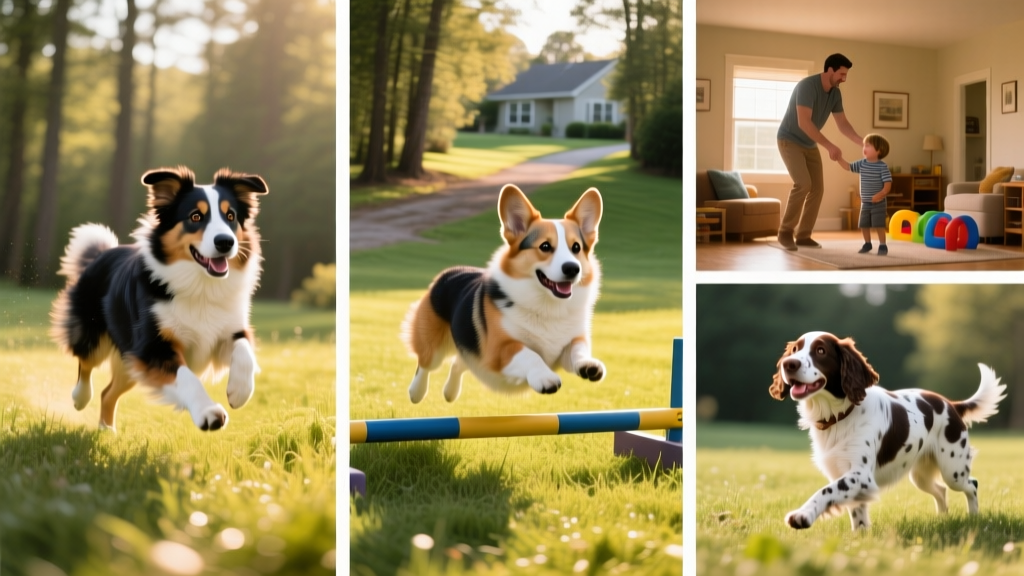
Finding the right dog often comes down to size. Too small, and you worry about fragility around kids or other pets. Too large, and you're managing a 90-pound animal in a compact home. Medium size dog breeds — typically weighing between 30 and 65 pounds (14–29 kg) — hit a practical sweet spot: sturdy enough for hiking and roughhousing, manageable enough for apartment living and travel.
But "medium" covers an enormous range of temperaments, energy levels, and care requirements. A Border Collie and a Basset Hound both qualify as medium breeds, yet they couldn't be more different in daily life. This guide cuts through the noise with specific data, real costs, and a decision framework to help you choose the right medium size dog breed for your household.
To qualify for this roundup, each breed had to meet all of the following:
- Weight range: 30–65 lb (14–29 kg) at maturity per AKC breed standards
- Family compatibility: Documented tolerance of children and multi-pet households
- Trainability: Responsive to positive reinforcement methods; not recommended exclusively for experienced handlers
- Health transparency: Known genetic risks are screenable via OFA or equivalent health testing
- Availability: Reasonably findable through responsible breeders or breed-specific rescues in the US
Breeds were then grouped by energy level — moderate-energy companions first, followed by active and high-drive breeds — so you can scan by lifestyle rather than wading through mismatches.
Moderate-Energy Medium Breeds: Calm Companions for Relaxed Homes
These breeds suit households that enjoy daily walks and weekend outings but don't plan on running marathons with their dog. They're generally content with 30–60 minutes of structured activity per day.
1. Cocker Spaniel
Size class: Small-to-medium (20–30 lb / 9–14 kg — included here as the upper boundary of medium, especially the slightly larger English Cocker Spaniel at 26–34 lb / 12–15 kg)
Key trait: Affectionate and adaptable, with moderate exercise needs and strong retrieving instincts.
The American Cocker Spaniel is a cheerful, people-oriented breed that thrives on companionship. They're highly trainable with food and praise motivation, though their sensitive nature means harsh corrections shut them down quickly. Expect 45 minutes of daily activity — a brisk walk plus a game of fetch satisfies most Cockers. Their major drawback is grooming: that luxurious coat requires professional grooming every 6–8 weeks ($50–$80 per session) and near-daily brushing at home. Health concerns include progressive retinal atrophy (PRA), hip dysplasia, and chronic ear infections due to their floppy, hairy ears. Purchase price from a responsible breeder: $1,200–$2,500.
2. Basset Hound
Size class: Medium (40–65 lb / 18–29 kg) — short-legged but heavy-boned
Key trait: Exceptionally calm indoors with a gentle, stubborn streak that requires patience in training.
Bassets are scent hounds through and through — once they pick up a smell, recall becomes optional. They're famously laid-back at home, often described as "furniture with ears," making them excellent apartment dogs despite their vocal tendencies (they howl and bay). Daily needs are modest: two 20-minute leash walks suffice, though their nose-driven brain needs enrichment like snuffle mats or scent-work games. Training requires creativity; food motivation works, but repetition bores them. Health watch list: intervertebral disc disease (IVDD) due to their long spine, glaucoma, and obesity (they will overeat if allowed). Puppy price: $800–$2,000 from health-tested lines.
3. Whippet
Size class: Medium (25–40 lb / 11–18 kg)
Key trait: Sprint-then-snooze energy pattern — explosive outdoor speed, total couch-potato indoors.
Whippets are sighthounds with a "5-minute workout" reputation: give them a safe, fenced area to run full-speed for 10–15 minutes, and they'll spend the remaining 23 hours curled on your sofa. They're quiet, clean, and remarkably gentle with children who respect their space. Their thin coat and low body fat mean they feel cold easily — a $25–$40 fleece coat is winter gear, not fashion. Training is straightforward for basics but recall is unreliable off-leash in unfenced areas (prey drive overrides obedience). Health is generally excellent; anesthetic sensitivity due to low body fat is the main veterinary consideration (ensure your vet uses sighthound-specific protocols). Price: $1,000–$2,500.
4. English Cocker Spaniel
Size class: Medium (26–34 lb / 12–15 kg)
Key trait: Sturdier and slightly more independent than the American Cocker, with strong field instincts.
The English Cocker bridges the gap between a sporting dog and a house companion. They're more robust than their American cousins, better suited for hiking and fieldwork, yet equally happy as a family pet. Their merry temperament and wagging tail are breed hallmarks. They need 45–60 minutes of daily exercise and genuinely enjoy retrieving games and swimming. Grooming requirements are similar to the American Cocker — professional grooming every 6–8 weeks plus regular ear cleaning. Familial nephropathy (a fatal kidney disease) was historically a concern, but DNA testing has dramatically reduced prevalence in well-bred lines. Price: $1,500–$3,000.
Active Medium Breeds: Partners for Hiking, Running, and Dog Sports
These breeds need 60–90+ minutes of vigorous daily activity. They suit owners who jog, hike, bike, or participate in dog sports like agility, flyball, or barn hunt.
5. Border Collie
Size class: Medium (30–55 lb / 14–25 kg)
Key trait: Elite intelligence and work drive — consistently ranked the most trainable breed in canine cognition studies.
Border Collies are the athletes and scholars of the dog world. They learn commands in fewer than 5 repetitions, excel at virtually every dog sport, and form intense bonds with their handlers. The tradeoff is real: an under-stimulated Border Collie will invent its own "jobs" — herding children, chasing cars, or dismantling your couch. They need 90+ minutes of combined physical and mental exercise daily, not optional. First-time owners can succeed with a Border Collie, but only if they commit to structured activities (agility classes, trick training, herding trials). Health is generally robust; screen for hip dysplasia, Collie eye anomaly (CEA), and the MDR1 drug-sensitivity gene mutation. Price: $1,200–$2,500 from working or sport lines.
6. Australian Shepherd
Size class: Medium (40–65 lb / 18–29 kg)
Key trait: Versatile herding dog with strong loyalty and protective instincts, thriving in active families.
Aussies are often described as "Border Collie energy with more off-switch" — still extremely active, but slightly more willing to relax at home. They're velcro dogs that shadow their owners, highly trainable, and naturally wary of strangers (early socialization is critical to prevent over-guarding). They excel in agility, obedience, rally, and nose work. Daily needs: 60–90 minutes including both physical exercise and mental challenges. The double coat sheds heavily twice a year but requires only weekly brushing otherwise. Health screenings should include hips, elbows, eyes, and the MDR1 mutation. Note: the "Miniature American Shepherd" is a separate breed (20–40 lb) often confused with small Aussies. Price: $1,000–$2,500.
7. Brittany (Brittany Spaniel)
Size class: Medium (30–40 lb / 14–18 kg)
Key trait: Compact pointing breed with boundless enthusiasm — the "golden retriever of bird dogs" in temperament.
Brittanys are the total package for active hunting families: they point and retrieve upland birds, fit easily in a vehicle, and transition seamlessly from field to family room. They're enthusiastic, biddable, and genuinely joyful dogs. Their exercise needs are substantial — 60–90 minutes daily, ideally including off-leash running in safe areas. They're excellent with children and other dogs. The coat is low-maintenance (light feathering, weekly brushing), and health is generally solid with hip dysplasia and epilepsy as primary screening targets. They're less common than some breeds, so expect a waitlist from quality breeders. Price: $1,000–$2,000.
8. Portuguese Water Dog
Size class: Medium (35–60 lb / 16–27 kg)
Key trait: Athletic water retriever with a low-shedding coat — one of few medium breeds suitable for allergy-sensitive homes.
Made famous by the Obama family's dogs Bo and Sunny, Portuguese Water Dogs (PWDs) are intelligent, trainable, and genuinely fun. They love swimming, retrieving, and any activity involving their people. Their curly or wavy coat sheds minimally but requires professional grooming every 6–8 weeks ($60–$90 per session). They're slightly more independent than a Golden Retriever but more biddable than a Poodle. Daily exercise: 45–60 minutes with swimming access being a major bonus. Health concerns include hip dysplasia, progressive retinal atrophy, and GM1 storage disease (DNA testable). Price: $2,000–$3,500 — they're a somewhat rare breed with high demand.
Sturdy All-Rounders: Medium Breeds That Do Everything Adequately
These breeds aren't specialists — they're not elite athletes or extreme couch potatoes. They're balanced, adaptable dogs that fit a wide range of households.
9. Standard Schnauzer
Size class: Medium (30–50 lb / 14–23 kg)
Key trait: Confident, alert, and loyal — a true medium-sized working dog with minimal shedding.
The Standard Schnauzer is the original Schnauzer breed (Miniature and Giant were developed from it). They're spirited, intelligent, and naturally protective without being aggressive. They make excellent watchdogs — alert and vocal when strangers approach, but welcoming once introduced. Exercise needs are moderate: 45–60 minutes daily. Their wiry coat requires hand-stripping or clipping every 5–8 weeks. They're more strong-willed than some breeds on this list and benefit from consistent, positive training from puppyhood. Health is generally excellent; hip dysplasia and bladder stones are the primary concerns. They're relatively rare in the US, so sourcing requires patience. Price: $1,500–$3,000.
10. Soft Coated Wheaten Terrier
Size class: Medium (30–40 lb / 14–18 kg)
Key trait: The "gentleman of terriers" — less scrappy than most terriers, with a playful, people-focused disposition.
Wheatens combine terrier spunk with unusual sweetness. They're enthusiastic greeters (the "Wheaten greetin'" — full-body wiggles when you come home), playful with children, and adaptable to various living situations. They have moderate exercise needs (30–45 minutes daily) and moderate trainability — they learn quickly but can be willful, especially around distractions. Their silky, wheat-colored coat is low-shedding but mats easily without regular brushing (3–4 times per week) and professional grooming every 6–8 weeks. Health concerns include protein-losing nephropathy (PLN), Addison's disease, and hip dysplasia. Price: $1,200–$2,500.
Side-by-Side Comparison: How These Medium Breeds Stack Up
| Breed | Weight (lb/kg) | Daily Exercise | Grooming | Kid-Friendly | Apartment OK? |
|---|---|---|---|---|---|
| Cocker Spaniel | 20–30 lb / 9–14 kg | 45 min | High | ★★★★★ | Yes |
| Basset Hound | 40–65 lb / 18–29 kg | 30–40 min | Low | ★★★★☆ | Yes |
| Whippet | 25–40 lb / 11–18 kg | 15–30 min sprint | Very Low | ★★★★☆ | Yes |
| English Cocker Spaniel | 26–34 lb / 12–15 kg | 45–60 min | High | ★★★★★ | Yes |
| Border Collie | 30–55 lb / 14–25 kg | 90+ min | Moderate | ★★★☆☆ | Rarely |
| Australian Shepherd | 40–65 lb / 18–29 kg | 60–90 min | Moderate | ★★★★☆ | Possible |
| Brittany | 30–40 lb / 14–18 kg | 60–90 min | Low | ★★★★★ | No |
| Portuguese Water Dog | 35–60 lb / 16–27 kg | 45–60 min | High | ★★★★☆ | Yes |
| Standard Schnauzer | 30–50 lb / 14–23 kg | 45–60 min | High | ★★★★☆ | Yes |
| Soft Coated Wheaten Terrier | 30–40 lb / 14–18 kg | 30–45 min | High | ★★★★★ | Yes |
Sources: AKC Breed Standards, Merck Veterinary Manual. Kid-friendly ratings reflect breed-typical temperament; individual dogs vary based on socialization and training.
Decision Framework: Which Medium Breed Fits Your Life?
Choosing between these breeds comes down to three lifestyle factors. Use this flowchart to narrow your options:
- How much daily exercise can you realistically commit to?
- Under 45 minutes: → Basset Hound, Whippet, or Soft Coated Wheaten Terrier
- 45–60 minutes: → Cocker Spaniel, English Cocker Spaniel, Portuguese Water Dog, or Standard Schnauzer
- 60–90+ minutes with structured activities: → Australian Shepherd, Border Collie, or Brittany
- How important is low shedding or allergy-friendliness?
- Must be low-shed: → Portuguese Water Dog, Standard Schnauzer, or Soft Coated Wheaten Terrier
- Moderate shedding acceptable: → Whippet (very low), Border Collie, Brittany
- Don't mind fur: → Australian Shepherd (heavy seasonal shed), Basset Hound, Cocker Spaniels
- What's your experience level with dogs?
- First-time owner: → Cocker Spaniel, English Cocker Spaniel, Brittany, or Whippet (forgiving, eager to please)
- Some experience: → Australian Shepherd, Portuguese Water Dog, Soft Coated Wheaten Terrier
- Experienced or committed to classes: → Border Collie, Standard Schnauzer (strong-willed, need consistency)
If you land on different breeds for each question, prioritize the exercise answer — an under-exercised dog of any breed will develop behavioral problems regardless of temperament match.
Honorable Mentions and Breeds to Approach With Caution
Several medium breeds narrowly missed this list or warrant a caution flag for the average family:
Honorable mentions:
- English Springer Spaniel (40–50 lb) — Excellent family dogs and field partners, but prone to "Springer rage syndrome" (idiopathic aggression) in poorly bred lines. Only consider from breeders doing temperament testing and OFA health clearances.
- Keeshond (35–45 lb) — Friendly, fluffy spitz-type dogs with moderate exercise needs. Heavy shedding and vocal tendencies kept them off the main list, but they're wonderful for the right home.
- Boykin Spaniel (25–40 lb) — America's smallest flushing spaniel, excellent hunting companion and family dog. Limited availability outside the Southeastern US.
Breeds to approach with caution (for average families):
- Siberian Husky (35–60 lb) — Medium in size but extreme in independence, prey drive, and escape artistry. Not recommended for first-time owners, homes with cats, or anyone without secure 6-foot fencing.
- Shar-Pei (45–60 lb) — Loyal but aloof, dog-aggressive tendencies, and significant skin/health issues. Best suited for experienced owners without other pets.
- Chow Chow (45–70 lb) — Cat-like independence and same-sex aggression make them poor fits for multi-pet households or families wanting an affectionate companion.
Cost Breakdown: What Medium Breeds Actually Cost
Purchase price is just the beginning. Here's a realistic first-year budget for a medium breed dog in the US (2026 estimates):
| Expense Category | Low End | Typical | High End |
|---|---|---|---|
| Puppy purchase (responsible breeder) | $1,000 | $1,800 | $3,500 |
| Initial vet (vaccines, spay/neuter, microchip) | $400 | $700 | $1,200 |
| Food (quality kibble, 12 months) | $400 | $600 | $900 |
| Grooming (if applicable, annual) | $0 | $400 | $750 |
| Gear (crate, bed, leash, bowls, toys) | $200 | $350 | $600 |
| Training classes (group puppy + basic) | $150 | $300 | $500 |
| Pet insurance (annual premium) | $400 | $600 | $900 |
| First-Year Total | $2,550 | $4,750 | $8,350 |
Ongoing annual costs after year one typically run $1,500–$3,500 depending on grooming needs, insurance, and regional veterinary pricing. For ongoing health management, always consult your veterinarian to develop a preventive care plan specific to your breed.
Frequently Asked Questions About Medium Size Dog Breeds
What defines a "medium" dog breed?
There's no universal standard, but most veterinary and breed organizations classify medium dogs as those weighing 30–65 lb (14–29 kg) at maturity. Some sources extend the range to 25–70 lb. Height at the shoulder typically falls between 15–22 inches (38–56 cm), though stocky breeds like Basset Hounds are shorter and leggy breeds like Whippets are taller within this weight range.
Are medium breeds better for first-time owners than large breeds?
Often yes — medium breeds are generally easier to physically manage (leash walking, lifting into vehicles, restraining at the vet) while being sturdier than toy breeds. However, temperament and trainability matter more than size for first-time success. A medium Border Collie will overwhelm a novice owner far more than a well-bred, mellow large breed like a Greyhound.
Which medium breeds are best with cats?
Low-prey-drive breeds like the Basset Hound, Soft Coated Wheaten Terrier, and well-socialized Cocker Spaniels tend to coexist peacefully with cats. Avoid sighthounds (Whippets have high chase instinct) and herding breeds (Border Collies, Australian Shepherds may try to "herd" cats). Regardless of breed, introduce dogs and cats gradually using positive reinforcement and always supervise initial interactions.
Do medium breeds live longer than large breeds?
Yes, on average. Medium breeds typically live 11–15 years compared to 8–12 years for giant breeds. This longevity advantage is linked to slower growth rates and reduced joint stress. Within the medium category, Whippets and Portuguese Water Dogs tend toward the longer end (13–15 years), while stockier breeds like Basset Hounds average 10–12 years.
Can medium breeds live in apartments?
Many can — Whippets, Basset Hounds, Cocker Spaniels, and Standard Schnauzers adapt well to apartment life if their exercise needs are met outdoors. The key factors are noise level (avoid vocal breeds like Bassets if you have thin walls) and energy level (high-drive breeds like Border Collies struggle in apartments regardless of size). Check your lease's breed and weight restrictions before committing.
Robin Maitland
All our authors care for dogs every day — read more of their work on the authors page.


