Basset Hound Breed Profile: Care, Health & What to Expect
Complete Basset Hound breed profile covering temperament, health risks, exercise needs, grooming, and 2026 cost of ownership for prospective owners.
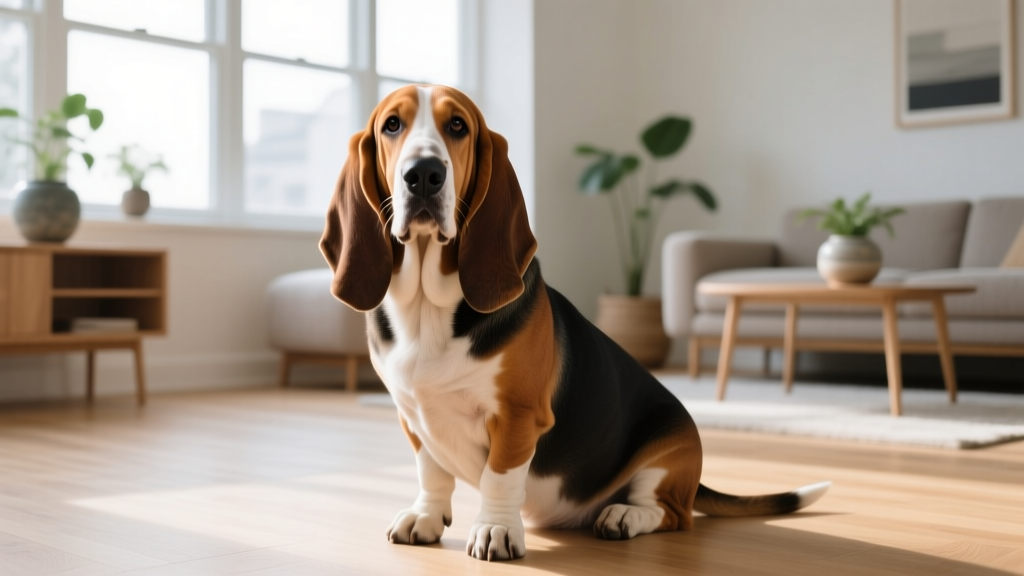
Basset Hound Overview: A Scent Hound With Soul
The Basset Hound is a medium-sized scent hound originally bred in France for tracking small game on foot. Recognized by the American Kennel Club since 1885, this breed packs extraordinary olfactory ability into a compact, low-slung frame. Their name derives from the French word bas, meaning "low," a fitting description for a dog whose body was engineered to keep hunters on foot within reach of their tracking dog.
Basset Hounds belong to the medium size class, typically weighing 40–65 lb (18–29 kg) and standing 11–15 inches (28–38 cm) at the shoulder. Their lifespan ranges from 10 to 12 years, though some well-cared-for individuals reach 13 or 14. They are not a breed you choose for athleticism — you choose a Basset for their methodical, soulful companionship and a nose rivaled only by the Bloodhound.
| Attribute | Details |
|---|---|
| Size Class | Medium |
| Weight | 40–65 lb (18–29 kg) |
| Height | 11–15 in (28–38 cm) |
| Lifespan | 10–12 years |
| Coat Type | Short, smooth, dense double coat |
| Energy Level | Low to moderate |
| Grooming Frequency | Weekly brushing; daily wrinkle/ear care |
| Trainability | Moderate (scent-driven, independent) |
| Good with Children | Yes — patient and tolerant |
| Good with Other Pets | Generally yes (pack-bred) |
| Apartment Friendly | Moderate — needs outdoor access |
Origin and History: From French Aristocracy to American Living Rooms
The Basset Hound's lineage traces to 6th-century France, where the friars of St. Hubert's Abbey developed low-set hounds capable of tracking game through dense underbrush at a pace hunters could follow on foot. By the 16th century, French aristocracy had refined several basset types for hunting rabbits, hares, and badgers. The modern Basset Hound was further shaped in England during the late 1800s, where breeders crossed French Bassets with Bloodhounds to increase bone mass and scenting power.
The breed arrived in the United States in the 1880s and quickly gained popularity not just as a hunting companion but as a distinctive family pet. The Basset Hound Club of America was formed in 1935. Today, they rank consistently in the AKC's top 40 most popular breeds, prized more for companionship than fieldwork — though many owners still participate in AKC tracking and scent work trials.
Temperament and Personality: Five Traits That Define the Basset
Basset Hounds are not generic "loyal family dogs." Their temperament is shaped by centuries of selective breeding for independent scent tracking, and that heritage shows in specific, sometimes challenging ways.
1. Stubbornly Independent Thinkers. A Basset who catches an interesting smell will tune out verbal commands entirely. This isn't defiance — it's hardwired scent drive. Expect recall reliability to drop sharply the moment your dog's nose engages. Off-leash time should only happen in fully fenced areas.
2. Deeply Vocal. Bassets possess a booming, resonant bark and a distinctive howl (called a "baying" vocalization) that carries for long distances. They vocalize when bored, when they detect something outside, and sometimes simply because another dog in the neighborhood started. Apartment dwellers should take this seriously — a Basset's voice travels through walls.
3. Gentle and Patient. With children and familiar people, Bassets are remarkably tolerant. They rarely snap, even when poked or climbed on, making them one of the safer breeds for families with young children. That said, no dog should be left unsupervised with toddlers, and children must be taught respectful handling.
4. Pack-Oriented and Social. Bred to hunt in groups, Bassets generally get along well with other dogs and even cats if properly socialized. They tend to become anxious or destructive when left alone for extended periods (6+ hours daily) without enrichment.
5. Food-Motivated to a Fault. A Basset's nose leads them to food — always. Counter surfing, trash raiding, and stealing from low tables are near-universal behaviors in this breed. Management (baby gates, closed doors, elevated surfaces) is more reliable than training them out of it entirely.
Pros of Owning a Basset Hound
- Exceptionally patient and gentle with children
- Low exercise requirements compared to most hounds
- Minimal coat grooming needs
- Strong pack instinct — good with other dogs
- Calm indoor demeanor when exercised adequately
Cons of Owning a Basset Hound
- Loud, frequent baying — problematic in close-quarters living
- Extremely difficult recall when scent-tracking
- Prone to obesity without strict diet management
- Significant drooling and a distinctive "hound smell"
- Stubborn during training; slow to obey commands
- High risk of intervertebral disc disease due to long spine
Physical Characteristics: Built for the Ground
Every aspect of the Basset Hound's body serves a scent-tracking function. Their long, low frame keeps their nose close to the ground. Their loose, wrinkled skin traps scent particles near the face. Their massive, pendulous ears sweep ground-level odors upward toward the nose. Even their short legs are functional — they allow a human hunter to follow on foot without being outpaced.
Weight: 40–65 lb (18–29 kg). Males tend toward the upper range; females cluster around 40–55 lb. Obesity is the single most common nutritional problem in this breed, and even 5 extra pounds places dangerous stress on their elongated spine.
Height: 11–15 inches (28–38 cm) at the withers. Per the AKC breed standard, dogs over 15 inches at the shoulder are disqualified from conformation — though pet Bassets may exceed this.
Coat: Short, smooth, and dense. Coat colors include tri-color (black, white, and tan), red and white, and lemon and white. Bassets shed moderately year-round with seasonal increases. Their coat is low-maintenance, but their skin folds, ears, and drool require dedicated daily attention.
Exercise and Activity Needs: Less Than You'd Expect
Despite their hound heritage, Bassets are not high-energy dogs. Their build limits sustained running, and their motivation to move is closely tied to scent stimulation rather than physical drive.
| Life Stage | Daily Duration | Recommended Activities |
|---|---|---|
| Puppy (3–12 months) | 20–30 minutes | Short leash walks (5 min per month of age), supervised yard sniffing, gentle play |
| Adult (1–7 years) | 30–45 minutes | Two leash walks daily, scent work games, nose-work enrichment toys |
| Senior (8+ years) | 15–30 minutes | Gentle walks on soft surfaces, indoor sniffing mats, short yard time |
Critical exercise rules for Bassets:
- Avoid high-impact activities (jumping off furniture, agility jumps, stairs) that stress the spine and joints.
- Use a harness rather than a collar to reduce pressure on the neck and trachea during walks.
- Never exercise a Basset in hot weather above 85°F (29°C) — their heavy build and loose skin make them prone to overheating.
- Mental stimulation through scent games (hide treats, snuffle mats, tracking exercises) often tires a Basset more effectively than physical exercise.
Common Health Issues: What Basset Hound Owners Must Monitor
Basset Hounds carry a significant health burden related to their extreme conformation — particularly their elongated spine, deep skin folds, and heavy bone structure. Prospective owners should budget for higher-than-average veterinary costs and work with a breeder who performs health screening.
| Condition | Description | Estimated Prevalence | Typical Treatment Cost |
|---|---|---|---|
| Intervertebral Disc Disease (IVDD) | Disc herniation in the elongated spine causing pain, weakness, or paralysis | ~15–25% of Bassets in lifetime | $3,000–$8,000 (surgical) |
| Ear Infections (Otitis Externa) | Chronic infections in long, pendulous ears with poor airflow | ~50%+ experience recurrent infections | $150–$400 per episode |
| Glaucoma | Increased eye pressure causing pain and potential blindness | ~5–8% (breed predisposition) | $500–$2,000 (medical management) |
| Gastric Dilatation-Volvulus (Bloat) | Stomach twisting — a life-threatening emergency | Lower risk than giant breeds but elevated vs. average | $3,000–$7,000 (emergency surgery) |
| Obesity-Related Joint Disease | Excess weight accelerating hip/elbow dysplasia and arthritis | ~30–40% of pet Bassets are overweight | $500–$3,000 (management/surgery) |
IVDD deserves special attention. The Basset's disproportionately long spine relative to leg height creates mechanical vulnerability. Symptoms include reluctance to jump, back arching, yelping when picked up, dragging hind legs, or sudden paralysis. If your Basset shows any of these signs, consult your veterinarian immediately — early intervention dramatically improves outcomes.
Preventive health screenings recommended for Bassets:
- Annual ophthalmologist evaluation (for glaucoma and other eye conditions)
- Hip evaluation (OFA or PennHIP) if breeding
- Regular weight monitoring at every vet visit — target body condition score (BCS) of 4–5 out of 9
- Weekly ear inspections and cleaning with a veterinarian-recommended ear wash
Grooming and Daily Care Routine
The Basset Hound's coat is deceptively low-maintenance, but their ears, wrinkles, and nails demand consistent attention. Skipping daily care routines is the fastest path to expensive veterinary bills.
| Task | Frequency | Tools Needed |
|---|---|---|
| Brushing | 2–3 times per week | Rubber curry brush or bristle brush |
| Ear cleaning | Daily to every other day | Vet-approved ear cleanser, cotton pads (never Q-tips) |
| Wrinkle cleaning | Daily | Damp cloth or unscented baby wipe, dry thoroughly after |
| Nail trimming | Every 2–3 weeks | Guillotine or scissor-style nail clipper, styptic powder |
| Bathing | Every 4–6 weeks (or as needed) | Oatmeal-based dog shampoo; thorough drying of folds essential |
| Dental care | Daily brushing ideal; minimum 3x/week | Dog toothbrush, enzymatic dog toothpaste |
| Eye wiping | Daily | Damp cloth to remove discharge from droopy lower lids |
The "hound smell" is real. Bassets produce more skin oils than many breeds, and their loose folds trap moisture and bacteria. If your dog develops a yeasty or musty odor between baths, it often signals a skin fold infection (intertrigo) rather than simple dirtiness. A veterinary visit and medicated wipes may be needed.
Training and Intelligence: Patience Is Everything
Basset Hounds rank in the lower tiers of obedience intelligence — not because they lack cognitive ability, but because their independent scent-tracking drive overrides their motivation to comply with human commands. In Stanley Coren's intelligence rankings, Bassets place in the "lowest degree of working/obedience intelligence" category, requiring 80–100 repetitions to learn a new command and obeying on the first command less than 25% of the time.
This doesn't mean they can't be trained. It means training must work with their nature, not against it.
Effective training methods for Bassets:
- Positive reinforcement only. Use high-value food rewards (freeze-dried liver, small cheese pieces) — their food motivation is your greatest training tool.
- Keep sessions short. 5–10 minutes maximum, multiple times per day. Bassets disengage quickly from repetitive drills.
- Train in low-distraction environments first. A Basset in a yard full of smells cannot focus on "sit." Start indoors, then gradually add environmental complexity.
- Never use aversive methods. Shock collars, prong collars, and alpha rolls damage the trust-based relationship Bassets need and can trigger shutdown or fear-based behaviors. Force-free, LIMA (Least Intrusive, Minimally Aversive) methods produce far better long-term results.
- Prioritize management over obedience. A secure fence is more reliable than recall training. Baby gates are more reliable than "leave it" near the kitchen trash.
Family Suitability: Kids, Pets, and Living Spaces
With children: Bassets are among the best breeds for families with kids. Their patient, low-reactivity temperament means they tolerate the noise and unpredictability of children better than most breeds. They are not fragile like toy breeds, and they lack the herding instinct that causes some dogs to nip at running children. Always supervise interactions and teach children never to pull ears or tail.
With other pets: Pack-bred for centuries, Bassets typically integrate well with other dogs. They can coexist peacefully with cats, especially if raised together. Small pets (rabbits, hamsters) may trigger prey drive in some individuals — introduce carefully and never leave unsupervised.
Apartment living: Bassets can adapt to apartments if given adequate outdoor walks, but their baying is a significant concern in shared-wall housing. A house with a fenced yard is the ideal living situation. If apartment-living is your reality, invest in enrichment (snuffle mats, frozen Kongs, scent puzzles) to reduce boredom-triggered vocalization.
Cost of Ownership: Budgeting for a Basset Hound
Basset Hounds are moderately expensive to acquire and maintain, primarily due to their health vulnerability and grooming supply needs.
| Expense Category | Estimated Cost |
|---|---|
| Puppy from responsible breeder (health-tested parents) | $1,200–$2,500 |
| Adoption/rescue fee | $200–$500 |
| First-year veterinary (vaccines, spay/neuter, screenings) | $800–$1,500 |
| Annual veterinary care (adult years) | $600–$1,200 |
| High-quality food (annual) | $400–$700 |
| Grooming supplies (ear cleanser, wipes, brushes) | $150–$300/year |
| Pet insurance (recommended for this breed) | $40–$80/month |
| Emergency fund recommendation | $3,000–$5,000 set aside |
Pet insurance is strongly recommended for Bassets. Given their IVDD risk alone — a single surgical episode can cost $5,000–$8,000 — a comprehensive policy with accident and illness coverage pays for itself quickly. Look for policies that cover hereditary conditions without breed-specific exclusions.
Is a Basset Hound Right for You?
Yes, if you: Want a calm, affectionate companion with low exercise demands. Have a fenced yard. Appreciate a dog with personality and vocal opinions. Are prepared for daily ear and wrinkle care. Can budget for above-average veterinary costs.
Reconsider if you: Need reliable off-leash recall. Live in a noise-sensitive apartment. Want a highly obedient, biddable dog. Cannot commit to daily grooming maintenance. Have limited funds for potential emergency spinal surgery.
Frequently Asked Questions
Is the Basset Hound a good breed for first-time dog owners?
Bassets can work for first-time owners who have realistic expectations. Their low energy and gentle nature are beginner-friendly, but their training stubbornness and grooming demands require commitment. First-time owners should enroll in a positive-reinforcement puppy class and be prepared for a longer training timeline than breeds like Labrador Retrievers or Golden Retrievers.
How big does a Basset Hound get as an adult?
Adult Bassets typically weigh 40–65 lb (18–29 kg) and stand 11–15 inches (28–38 cm) tall at the shoulder. They are deceptively heavy for their height — their dense bone structure makes them much heavier than they appear.
How much exercise does a Basset Hound need every day?
Adult Bassets need 30–45 minutes of daily activity, ideally split into two leash walks. Scent-based enrichment (sniffing games, nose work) supplements physical exercise effectively. Avoid high-impact activities like jumping or jogging, which stress their spine.
What health problems are Basset Hounds most prone to?
The top concerns are intervertebral disc disease (IVDD), chronic ear infections, glaucoma, obesity, and bloat. Responsible breeders screen for hip dysplasia and eye conditions. Always consult your veterinarian about a preventive care plan tailored to your Basset.
Are Basset Hounds good with children and other pets?
Yes. Bassets are patient, tolerant, and pack-oriented, making them excellent with children and other dogs. They generally accept cats when socialized early. Supervise all interactions between dogs and young children regardless of breed temperament.
How much does it cost to buy and maintain a Basset Hound?
Expect to pay $1,200–$2,500 for a puppy from a health-testing breeder, or $200–$500 through rescue. Annual maintenance costs run $1,500–$2,500 including food, veterinary care, grooming supplies, and insurance. Budget an additional $3,000–$5,000 emergency fund for potential spinal or surgical emergencies.
Beth Carrasco
All our authors care for dogs every day — read more of their work on the authors page.


