What Defines a Hound? The Azawakh Rare Sighthound Breed Profile
Looking to define hound breeds beyond the basics? Explore the rare Azawakh sighthound — origin, temperament, health, cost, and care guide for this striking African breed.
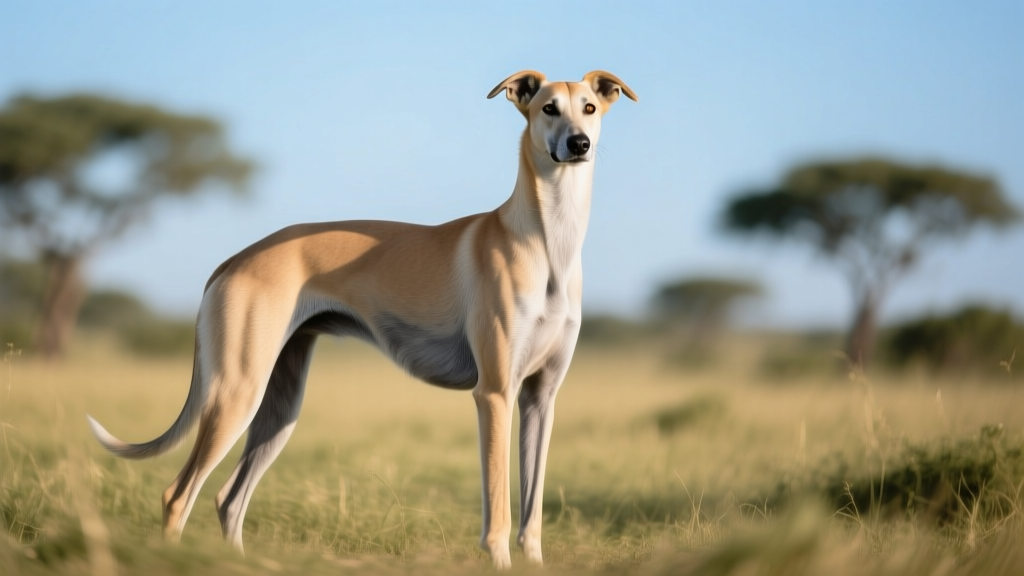
If you've ever tried to define hound dogs, you probably pictured a Beagle nosing through leaves or a Bloodhound dragging its owner down a trail. But the hound family stretches far beyond those familiar silhouettes. Tucked into the sighthound branch is one of the rarest, most visually arresting breeds in the world: the Azawakh. Originating from the Sahel region of West Africa, this leggy, elegant dog looks more like a desert sculpture than a household pet — and in many ways, living with one requires a complete rethinking of what a "hound" can be.
This guide breaks down everything a prospective owner or curious dog lover needs to know about the Azawakh, from its nomadic roots to its modern-day rarity, health predispositions, and real-world cost of ownership.
Where Did the Azawakh Originate and What Was It Bred For?
The Azawakh (pronounced AH-za-wok) hails from the Sahel zone of West Africa — specifically the regions spanning modern-day Mali, Niger, and Burkina Faso. For centuries, the nomadic Tuareg and other Sahelian peoples bred these dogs for a dual purpose that few Western breeds share:
- Guarding livestock and camps against predators including jackals, hyenas, and occasionally lions
- Course hunting — chasing down gazelle, hare, and antelope across open desert terrain at speeds reaching 40+ mph (64+ km/h)
Unlike scenthounds that track by nose, the Azawakh is a sighthound — it hunts primarily by vision and explosive speed. This distinction matters enormously when trying to define hound types: scenthounds like Coonhounds work slowly and methodically with their noses to the ground, while sighthounds like the Azawakh explode into motion at the first glimpse of prey.
Azawakh Origin Timeline
- Pre-colonial era (centuries-old): Bred by Tuareg, Fulani, and other nomadic Sahelian peoples as camp guardians and coursing hunters. Dogs were considered family members and rarely sold or traded.
- 1970s: First Azawakhs exported to Europe — Yugoslavian diplomat Dr. Pecar is credited with bringing early specimens to France and the former Yugoslavia.
- 1980s: The breed arrives in the United States, with early imports going to dedicated sighthound enthusiasts.
- 1993: United Kennel Club (UKC) grants full recognition.
- 2011: American Kennel Club (AKC) adds the Azawakh to its Miscellaneous Class.
- 2019: AKC grants full recognition in the Hound Group — making it one of the most recently recognized AKC breeds.
According to the American Kennel Club, the Azawakh remains extraordinarily rare in the United States, with only an estimated 150–300 registered individuals as of recent counts. For context, the AKC registers roughly 50,000 Labrador Retrievers per year.
Physical Traits: What Makes the Azawakh Visually Unmistakable
| Attribute | Specification |
|---|---|
| Weight (males) | 44–55 lb / 20–25 kg |
| Weight (females) | 33–44 lb / 15–20 kg |
| Height (males) | 25–29 in / 63–74 cm at the withers |
| Height (females) | 23.5–27.5 in / 60–70 cm at the withers |
| Lifespan | 12–15 years |
| Coat | Short, fine, single coat — may be absent on belly |
| Colors | Sand to dark red, brindle, blue, black, brown, grizzle; white markings on chest, tail tip, and feet |
| Energy Level | High — requires 60–90 minutes of daily exercise |
| Grooming | Minimal — weekly wipe-down |
| AKC Group | Hound (recognized 2019) |
What truly separates the Azawakh from other sighthounds — and what makes it so striking — is its extreme verticality and visible bone structure. The AKC breed standard describes the dog as having "bones that show through the skin" — ribs, hip bones, and vertebrae are visibly prominent, and this is correct, not a sign of malnutrition. New owners often panic, believing their dog is underweight. A body condition score (BCS) of 3/9 is typical and healthy for this breed, whereas the same score in a Labrador would signal a serious problem.
Other distinctive features include:
- Long, flat skull with a slight stop and dark, almond-shaped eyes
- Rose or drop ears set high on the skull, thin and mobile
- Deep chest that does not reach the elbow — creating the breed's signature "tucked" underline
- Long, curved tail carried low with an upward hook at the tip
- Hare-shaped feet with well-arched toes built for desert terrain
Temperament: What Surprises New Azawakh Owners
If you're used to Golden Retrievers or even more typical sighthounds like Greyhounds, the Azawakh temperament will require a significant adjustment. Here's what catches new owners off guard:
Intense Loyalty With Selective Affection
Azawakhs bond deeply — often almost exclusively — with their primary person or family. They are not the "everyone's best friend" type. Strangers may be met with aloofness, suspicion, or outright avoidance. This is not shyness; it is a breed trait rooted in their history as camp guardians who needed to distinguish family from threat.
Guarding Instinct Is Real
Unlike most sighthounds (Greyhounds, Whippets, Italian Greyhounds), the Azawakh has a genuine protective drive. They will alert bark, position themselves between their owner and perceived threats, and can be physically assertive if they believe their family is in danger. This makes early, extensive socialization non-negotiable.
Prey Drive Is Extreme
Any small animal — cats, rabbits, small dogs, squirrels — may trigger an instinctive chase response. While some Azawakhs can learn to coexist with household cats raised alongside them, off-leash time in unfenced areas is never safe. A secure fence of at least 6 feet (1.8 m) is essential; these dogs can clear shorter fences easily.
Emotional Sensitivity
Azawakhs are highly attuned to their owner's emotional state and to household tension. Harsh training methods, yelling, or chaotic environments can cause them to shut down or develop anxiety-based behaviors. Positive reinforcement and force-free methods are the only appropriate training approach for this breed. Aversive tools like shock collars or prong collars will damage the bond and may trigger defensive aggression.
Special Care Requirements Unique to the Azawakh
Azawakh Care Checklist
- Exercise: 60–90 minutes daily, including at least one long-leash walk and access to a securely fenced sprint area. Lure coursing is the ideal sport.
- Coat care: Weekly wipe with a damp cloth or rubber grooming mitt. Bathing only as needed (every 2–3 months). Skin is thin — check for scrapes after outdoor activity.
- Cold weather: Single coat with minimal body fat means this breed cannot tolerate cold. A well-fitted dog coat is required when temperatures drop below 50°F (10°C). Indoor heating and warm bedding are essential in winter climates.
- Nail trims: Every 2–3 weeks — their nails grow fast and long nails alter their hare-footed gait.
- Dental care: Daily brushing or dental chews; sighthounds are prone to periodontal disease.
- Socialization: Ongoing, structured exposure to new people, environments, and neutral-dog interactions from 8 weeks through adulthood. Not a "socialize once as a puppy" breed.
- Mental stimulation: Puzzle feeders, scent games (adapted for sighthound style), and training sessions of 5–10 minutes. They bore easily with repetition.
Nutrition note: Azawakhs evolved on a low-protein, grain-and-dairy-heavy diet in the Sahel — a diet radically different from the high-meat kibble common in Western countries. Some breed specialists recommend diets with moderate protein (22–26% on a dry-matter basis) rather than the ultra-high-protein formulas marketed to active dogs. Always consult your veterinarian or a board-certified veterinary nutritionist before making dietary decisions, especially for a breed this uncommon.
Breed-Specific Health Concerns
The Azawakh benefits from what geneticists call hybrid vigor — a diverse gene pool from centuries of natural selection in harsh environments has produced a generally robust breed. However, several conditions warrant attention:
| Condition | Type | Estimated Prevalence | Notes |
|---|---|---|---|
| Idiopathic epilepsy | Neurological | Reported in ~5–10% of lines | Onset typically 6 months–5 years; Merck Veterinary Manual recommends veterinary neurology consultation for diagnosis and management |
| Autoimmune-mediated diseases | Immune | Low but documented | Includes autoimmune thyroiditis and immune-mediated hemolytic anemia (IMHA); certain bloodlines appear predisposed |
| Wobbler syndrome (cervical spondylomyelopathy) | Orthopedic/Neurological | Rare | Seen in large, deep-chested breeds; causes gait abnormalities and neck pain |
| Hypothyroidism | Endocrine | Low-moderate | Sighthounds naturally have lower thyroid hormone levels — standard reference ranges may misdiagnose healthy Azawakhs as hypothyroid. Breed-specific thyroid panels are recommended. |
| Gastric dilatation-volvulus (bloat/GDV) | Gastrointestinal | Risk present (deep-chested conformation) | Feed 2–3 smaller meals daily; avoid vigorous exercise 1 hour before and after eating; know emergency signs |
Important anesthesia note: Like many sighthounds, Azawakhs have low body fat and metabolize certain anesthetic agents differently than other breeds. Ensure any veterinarian performing surgery on your Azawakh is aware of sighthound-specific anesthesia protocols. This is not optional — it can be life-saving.
🚨 When to Call Your Vet Immediately
- Seizure activity lasting more than 3 minutes or multiple seizures in 24 hours
- Distended, hard abdomen with unproductive retching (possible GDV/bloat — this is a life-threatening emergency)
- Sudden weakness, stumbling, or inability to coordinate limbs
- Unexplained bruising or bleeding
Always consult your veterinarian for breed-appropriate health screening. The AKC recommends hip evaluations and thyroid panels for Azawakhs used in breeding programs.
How Rare Is the Azawakh Today and Where Can You Find One?
The Azawakh is classified as a rare breed by every major registry. To put the numbers in perspective:
- AKC registrations: Estimated fewer than 300 dogs in the United States
- FCI global population: Several thousand, primarily in France, Germany, and the Czech Republic, where European breeding programs have been more established
- Native Sahel population: Still present but declining as traditional nomadic lifestyles give way to urbanization
Finding a Responsible Breeder
Because of the breed's scarcity, you will likely need to join a waiting list of 12–24 months and may need to travel or arrange transport for a puppy. Expect the following from a responsible Azawakh breeder:
- Health testing of both parents (OFA hip evaluations, thyroid panels, genetic screening)
- Willingness to discuss breed challenges honestly — not just the positives
- Take-back clause in the contract guaranteeing they will accept the dog back at any point in its life
- Membership in the American Azawakh Association (AAA) or equivalent national breed club
- Proof of AKC or UKC registration
Typical puppy price: $2,500–$5,000 USD, depending on lineage, import status, and breeder location. European imports may cost $4,000–$7,000+ when factoring in transport.
Red flags to avoid:
- Breeders who always have puppies available — responsible Azawakh breeders typically produce 1–2 litters per year at most
- No health testing documentation
- Prices significantly below $2,000 — may indicate a backyard breeder or scam
- Unwillingness to let you visit the breeding facility or meet the dam
- Multiple breeds offered by the same breeder
Adoption alternative: The American Azawakh Association occasionally lists dogs in need of rehoming. Sighthound rescue organizations like Greyhound Adoption League or regional sighthound rescues may also occasionally have Azawakhs or Azawakh mixes. Adoption fees typically range from $300–$600.
How Does the Azawakh Compare to Similar Breeds?
| Trait | Azawakh | Greyhound | Saluki |
|---|---|---|---|
| Origin | West Africa (Sahel) | United Kingdom | Middle East / Fertile Crescent |
| AKC Recognition | 2019 (Hound) | 1885 (Hound) | 1929 (Hound) |
| Weight Range | 33–55 lb / 15–25 kg | 60–70 lb / 27–32 kg | 40–65 lb / 18–29 kg |
| Guarding Instinct | High | Very low | Low to moderate |
| Stranger Friendliness | Aloof / suspicious | Generally friendly | Reserved but not guarded |
| Prey Drive | Very high | High | High |
| Cold Tolerance | Very poor | Poor | Moderate (feathered coat offers some insulation) |
| Trainability for Novice Owner | Challenging | Moderate | Moderate |
| Estimated US Population | <300 | Hundreds of thousands | Several thousand |
| Puppy Cost | $2,500–$5,000+ | $1,500–$3,000 (racing lines cheaper via adoption) | $2,000–$3,500 |
The closest comparison breed is the Saluki — both are ancient desert sighthounds with Middle Eastern/African origins, similar body plans, and reserved temperaments. However, the Azawakh is distinctly more territorial and protective, while the Saluki tends toward quiet indifference rather than active guarding. The Greyhound, by contrast, is far more gregarious and adaptable to novice owners.
Is the Azawakh Right for You? Real Owner Insights
Based on conversations with Azawakh owners and breed club members, here's what life with this breed actually looks like:
Energy Level in Practice
Don't let the Greyhound comparison fool you into thinking an Azawakh is a couch potato. While Greyhounds are famous for sleeping 18 hours a day, Azawakhs are more alert and active in the home. They patrol. They watch windows. They react to sounds. They need genuine daily exercise — not just a short walk — and will become frustrated and destructive without it.
Trainability Quirks
Azawakhs are intelligent but not biddable in the way a Border Collie or Labrador is. They learn quickly but choose whether to comply. Training sessions should be short (5–10 minutes), varied, and reward-based. Food motivation varies by individual — some are highly food-driven, others prefer play or praise as reinforcement. Recall is never reliable off-leash in the presence of prey stimuli, regardless of training level.
Lifestyle Fit
This breed works best for:
- Experienced dog owners who understand primitive/sighthound temperaments
- Homes with securely fenced yards (minimum 6-foot fence, no gaps)
- Warmer climates or owners willing to manage cold-weather gear year-round
- Households without small pets (cats, rabbits, small dogs) unless carefully managed from puppyhood
- People interested in dog sports like lure coursing, FAST CAT, or conformation showing
This breed is not ideal for first-time dog owners, families with very young children (the breed's sensitivity and guarding instinct can create management challenges), apartment dwellers without nearby fenced exercise areas, or anyone wanting an easygoing, gregarious companion dog.
First-Year Cost Breakdown
| Expense Category | Low Estimate | High Estimate |
|---|---|---|
| Puppy purchase | $2,500 | $5,000 |
| Initial veterinary exam + vaccines (puppy series) | $400 | $800 |
| Spay/neuter | $300 | $700 |
| Microchip + registration | $50 | $75 |
| Crate (large, 42-inch) | $60 | $150 |
| 6-foot fencing (if not already present, per section) | $500 | $2,000+ |
| Winter coat + cold-weather gear | $80 | $200 |
| Food (high-quality kibble or balanced diet, annual) | $500 | $900 |
| Pet insurance (annual premium) | $400 | $800 |
| Training classes (positive reinforcement, 6–8 week courses) | $200 | $500 |
| Total estimated first year | $4,990 | $11,125 |
Ongoing annual costs after the first year typically range from $1,500–$3,000, covering food, routine veterinary care, insurance, and supplies.
Frequently Asked Questions
Can Azawakhs live with cats?
Some can, particularly if raised with a confident, dog-savvy cat from puppyhood. However, the breed's prey drive means this is never guaranteed. Never leave an Azawakh unsupervised with a cat, and introduce them through careful desensitization and counter-conditioning protocols.
Are Azawakhs good with children?
With their own family's children, a well-socialized Azawakh is typically gentle and tolerant. However, they are not the rough-and-tumble playmates that Labs or Golden Retrievers are. They tend to avoid loud, chaotic situations, and their guarding instinct may cause them to intervene if they perceive a child is being threatened — even during normal play with visiting children. Constant supervision is essential.
Do Azawakhs shed?
Minimally. Their short, fine coat sheds very little, and weekly wiping with a grooming mitt keeps loose hair under control. They are not hypoallergenic, but they are one of the lower-shedding breeds.
How long do Azawakhs live?
The breed typically lives 12–15 years, which is above average for a dog of their size. Their natural selection history in harsh environments has contributed to overall longevity and vigor.
Is the Azawakh recognized by major kennel clubs?
Yes. The Azawakh is recognized by the AKC (2019, Hound Group), UKC (1993, Sighthound & Pariah Group), and the FCI (Fédération Cynologique Internationale, Standard No. 307). This triple recognition helps protect the breed standard and supports responsible breeding programs.
What's the difference between a hound and a sighthound?
When people try to define hound breeds broadly, they're usually thinking of scenthounds — dogs that hunt primarily by smell (Beagles, Bloodhounds, Coonhounds). Sighthounds like the Azawakh, Greyhound, and Saluki hunt primarily by vision and speed. Both fall under the broader "hound" category, but their hunting styles, temperaments, and exercise needs differ significantly. The AKC places both types in its Hound Group.
Dr. Hannah Wickes
All our authors care for dogs every day — read more of their work on the authors page.


