The Azawakh: A Rare Hound Dog Breed Worth Discovering
Discover the Azawakh, a rare hound dog breed from West Africa. Learn about its history, temperament, health, care needs, and whether it fits your family.
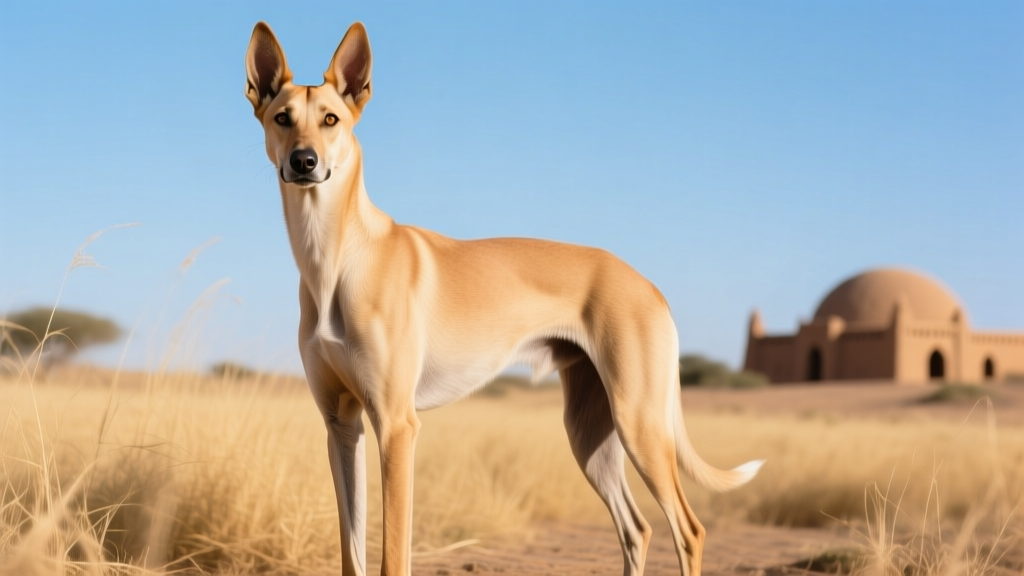
Meet the Azawakh: West Africa's Elegant Sighthound
If you've never heard of the Azawakh, you're not alone. This strikingly lean, long-legged hound dog breed hails from the Sahel region of West Africa — specifically Mali, Niger, and Burkina Faso — where the Tuareg and other nomadic peoples have bred them for centuries. Despite gaining AKC recognition in 2019, the Azawakh remains one of the rarest hound dog breeds in the United States, with only a few hundred registered dogs and a small but dedicated community of breeders and owners.
What draws people to the Azawakh isn't just its unusual appearance — though that certainly turns heads at the dog park. It's a breed that challenges conventional expectations about what a companion dog can be: fiercely loyal yet independent, affectionate yet reserved with strangers, and physically built for endurance in harsh desert conditions. For the right owner, the Azawakh is a profoundly rewarding partner. For the unprepared, it can be a frustrating mismatch.
This guide covers everything prospective owners need to know before bringing this rare hound dog breed into their home — from its desert origins to the specific health screenings you should demand from any breeder.
Origin and History: Bred for Survival in the Sahel
Azawakh Origin Timeline
- Pre-colonial era (centuries BCE–1800s): Tuareg, Fulani, and other Sahel nomads breed the Azawakh (called idi or oska in local languages) as a multi-purpose guardian and hunter. Dogs protect livestock from predators, hunt gazelle and hare across arid terrain, and serve as camp companions.
- 1970s: French colonists and European fanciers begin exporting Azawakhs from Mali and Niger to France and Yugoslavia. The first European breed standard is drafted, though it diverges in some respects from the dogs still living in the Sahel.
- 1980s–1990s: The first Azawakhs arrive in the United States. The American Azawakh Association (AAA) forms to preserve breed integrity and maintain a registry independent of European kennel clubs.
- 1993: The United Kennel Club (UKC) officially recognizes the Azawakh.
- 2011: The Azawakh enters the AKC Foundation Stock Service (FSS), the first step toward full recognition.
- 2019: The AKC grants full recognition, placing the Azawakh in the Hound Group. The FCI had recognized the breed decades earlier under French sponsorship.
The Azawakh's historical purpose explains nearly everything about its modern temperament. In the Sahel, these dogs were expected to make independent decisions — chasing predators away from camp without waiting for human direction, hunting game over vast distances without close supervision, and bonding intensely with their family while remaining wary of outsiders. This wasn't a breed shaped by obedience trials or structured commands. It was shaped by survival.
Today, the Azawakh retains those traits. Understanding this context is essential for anyone considering the breed. You aren't getting a biddable gundog that lives to please you. You're getting a partner that was bred to think for itself in life-or-death situations.
Physical Traits: What Sets the Azawakh Apart
| Trait | Specification |
|---|---|
| Weight (male) | 44–55 lb / 20–25 kg |
| Weight (female) | 33–44 lb / 15–20 kg |
| Height (male) | 25–29 in / 64–74 cm at withers |
| Height (female) | 23.5–27.5 in / 60–70 cm at withers |
| Lifespan | 12–15 years |
| Coat | Short, fine, smooth — virtually no undercoat |
| Colors | Fawn to dark red, brindle, blue, black, grizzle, with or without white markings |
| Energy Level | High — needs 60–90 minutes of vigorous activity daily |
| Grooming | Very low — weekly wipe-down, occasional bath |
| Family Fit | Best for experienced owners; good with respectful children; can coexist with cats if raised together |
The Azawakh's build is unmistakable once you know what to look for. The breed standard calls for a dog that is visibly "dry" — meaning lean, with bone structure and musculature clearly visible beneath thin, tight skin. The hip bones and spine are expected to be prominent; this is not emaciation but the breed's correct conformation. An Azawakh in proper body condition will have a pronounced tuck-up at the waist, a deep but narrow chest, and long, straight legs built for speed and endurance over rough terrain.
Key features that distinguish the Azawakh from other sighthounds:
- Vertical format: The Azawakh is taller than it is long — the height-to-length ratio is approximately 9:10, giving it an upright, elegant silhouette that differs from the more horizontal Greyhound or Whippet.
- Angulation: Open hip and shoulder angles (more upright than most sighthounds) allow the Azawakh's characteristic trotting gait — a springy, almost floating movement that differs from the Greyhound's ground-covering gallop.
- Head shape: Long, narrow skull with a straight or slightly convex muzzle. The stop is barely perceptible. Ears are drop, set high, flat, and thin — never erect.
- Tail: Long, thin, tapering, carried low with a slight curve at the tip. When alert or moving, it may rise but should not curl over the back.
Temperament: What Surprises New Azawakh Owners
Most first-time Azawakh owners report the same surprise: this is a dog that thinks. Not in the eager-to-please, problem-solving way of a Border Collie, but in the independent, evaluative way of a livestock guardian. Your Azawakh will assess every new person, dog, and situation before deciding how to respond — and that response may not be what you'd prefer.
What to Expect
- Intense loyalty to family: Azawakhs form deep, almost obsessive bonds with their primary people. They tend to follow one person closely around the house and are physically affectionate — leaning against you, curling up on your lap despite their size, and seeking constant proximity.
- Reserve with strangers: This is not a dog that greets visitors with tail wags. Azawakhs are typically aloof or indifferent to unfamiliar people and may take weeks or months to warm up to regular visitors. They are not aggressive without cause, but they will position themselves between their owner and a perceived threat.
- High prey drive: As a sighthound bred to chase game, the Azawakh will pursue small animals — squirrels, rabbits, cats, and sometimes small dogs — with little hesitation. Off-leash exercise in unfenced areas is not safe for this breed.
- Pack-oriented: Azawakhs thrive with canine companionship. A single Azawakh left alone for long hours will deteriorate behaviorally. Many owners keep pairs or have the dog live with another compatible breed.
- Sensitivity to tone and routine: Harsh corrections, inconsistent rules, or chaotic households stress the Azawakh deeply. This breed responds to calm, predictable leadership and positive reinforcement methods. Force-based training will shut an Azawakh down entirely.
Care Requirements Unique to the Azawakh
Azawakh Care Checklist
- Exercise: 60–90 minutes daily, including at least one session of free running in a securely fenced area (minimum 6-foot fence recommended; some Azawakhs can clear 5 feet). Structured activities like lure coursing, canicross, and agility suit the breed well.
- Cold weather protection: With virtually no body fat and no undercoat, Azawakhs chill rapidly below 50°F (10°C). A fitted dog coat is mandatory for winter walks in northern climates. Many owners provide heated beds and limit outdoor time in freezing weather.
- Grooming: Minimal. A damp cloth or rubber grooming mitt once a week removes loose hair. Bathe only as needed (every 2–3 months). Trim nails every 2–3 weeks. Check ears weekly for debris.
- Nutrition: High-quality, AAFCO-approved diet formulated for active medium-large breeds. Azawakhs tend to eat less than similarly sized breeds due to their lean build. Monitor body condition score (BCS) closely — ribs and hip bones should be visible but not sharp. Typical adult intake: 2–3 cups of kibble daily, split into two meals.
- Mental stimulation: Puzzle feeders, scent work games, and structured training sessions prevent boredom. Azawakhs are intelligent but bore easily with repetitive drills.
- Socialization: Ongoing, deliberate exposure to new people, environments, and calm dogs throughout the dog's life. Early puppy socialization (8–16 weeks) is critical but must continue into adulthood to prevent excessive wariness.
- Secure containment: A physical fence of at least 6 feet with no gaps. Underground electric fences are ineffective — the Azawakh's prey drive will override the discomfort of a shock, and the breed's pain tolerance is notably high.
Health Concerns: Breed-Specific Predispositions
The Azawakh benefits from what breeders call hybrid vigor in the broader sense — a genetically diverse gene pool shaped by centuries of natural selection in harsh conditions rather than closed-registry line breeding. However, the small number of Azawakhs in the Western world (estimated at fewer than 2,000 globally outside Africa) does create some bottleneck concerns.
| Condition | Prevalence / Notes | Recommended Screening |
|---|---|---|
| Hypothyroidism | Reported in some Western lines; baseline thyroid panels recommended. Note: sighthounds naturally run lower T4 levels than other breeds — consult a veterinarian familiar with sighthound thyroid norms before starting supplementation. | Full thyroid panel at 2 years, repeat every 2 years |
| Idiopathic epilepsy (seizures) | Documented in the breed; believed to have a genetic component. Onset typically 6 months to 5 years. Prognosis varies — some dogs are managed with medication, others require ongoing dose adjustment. | No genetic test available; breeders should disclose seizure history in pedigrees |
| Autoimmune-mediated conditions | Isolated reports of autoimmune hemolytic anemia and related conditions. Small gene pool may increase risk. | CBC at annual wellness visits |
| Bloat (GDV) | Deep-chested breeds are at higher risk. Azawakhs have the thoracic conformation associated with GDV, though reported cases are limited due to small breed population. | Discuss prophylactic gastropexy with your vet; feed multiple small meals; avoid exercise 1 hour before/after eating |
| Anesthesia sensitivity | Sighthounds metabolize certain anesthetic agents differently due to low body fat and unique liver enzyme profiles. Not unique to Azawakhs but critical for any surgical procedure. | Ensure your veterinarian uses sighthound-safe anesthetic protocols (e.g., avoid thiobarbiturates) |
How Rare Is the Azawakh and Where Can You Find One?
The Azawakh is genuinely rare. The AKC registered fewer than 100 Azawakhs annually in recent years, placing it consistently in the bottom 10 of all recognized breeds by registration count. The global population outside Africa is estimated at 1,500–2,000 dogs, with the largest populations in France, the United States, and Germany.
Availability and Pricing (2026 Estimates)
| Source | Price Range | Wait Time |
|---|---|---|
| Responsible AKC/UKC breeder (US) | $2,500–$5,000 | 6–18 months (many breeders produce 1 litter per year or less) |
| European import (France/Germany) | €1,800–€3,500 + import costs ($800–$2,000 for transport and health documentation) | 12–24 months |
| Breed-specific rescue (American Azawakh Association) | $300–$800 adoption fee | Rare — few Azawakhs enter rescue; applicants often wait 1–3 years |
Breeder Red Flags
- No health testing documentation (thyroid panels, OFA or PennHIP for hips if available)
- Multiple litters available simultaneously or puppies always "ready now"
- Unwillingness to share pedigree health history going back 3+ generations
- No take-back clause in the contract (responsible breeders require the dog be returned to them at any point in its life if the owner cannot keep it)
- Prices significantly below $2,000 with no health testing — likely a backyard breeder or puppy mill sourcing from unverified stock
- Marketing the Azawakh as a "guard dog" or "protection dog" — this misrepresents the breed's nature and suggests the breeder does not understand Azawakh temperament
Start your search with the AKC Azawakh breeder directory or contact the American Azawakh Association for referrals. Be prepared for a long process. Responsible Azawakh breeders interview buyers extensively and may place you on a waiting list before a litter is even planned.
How Does the Azawakh Compare to Similar Breeds?
| Trait | Azawakh | Greyhound | Sloughi |
|---|---|---|---|
| Origin | Mali / Niger / Burkina Faso | United Kingdom | Morocco / North Africa |
| Weight | 33–55 lb / 15–25 kg | 60–70 lb / 27–32 kg | 35–50 lb / 16–23 kg |
| Temperament with strangers | Aloof, watchful, slow to warm | Friendly, gentle, sociable | Reserved but less intense than Azawakh |
| Guarding instinct | Strong — will alert and position between owner and threat | Minimal — not a watchdog | Moderate — alert but less protective |
| Exercise needs | 60–90 min/day, needs free running | 30–60 min/day, sprint-and-snooze pattern | 60 min/day, enjoys running and hiking |
| Trainability | Independent thinker; requires patience and motivation | Moderate; responds to gentle methods | Moderate; similar independence to Azawakh but slightly more biddable |
| Cold tolerance | Very low — needs coat below 50°F (10°C) | Low — needs coat in cold weather | Low — similar cold sensitivity |
| AKC Recognition | 2019 | 1885 | 2016 |
The Sloughi is the closest comparison — both are North/West African sighthounds with guarding instincts and reserved temperaments. The key difference is intensity: Azawakhs tend to be more emotionally sensitive, more strongly bonded to their owners, and more reactive to environmental stress. The Greyhound, by contrast, is markedly more easygoing and sociable — a retired racer will typically greet strangers with mild curiosity rather than suspicion.
Is the Azawakh Right for You?
The Azawakh is not a first-time-owner breed. Its combination of independence, sensitivity, high prey drive, and wariness of strangers requires an owner who understands canine body language, can commit to ongoing socialization, and has realistic expectations about trainability. That said, experienced owners who invest in the relationship consistently describe the Azawakh as one of the most rewarding breeds they've lived with.
The Azawakh Is a Good Fit If You:
- Have prior experience with sighthounds, primitive breeds, or livestock guardians
- Have a securely fenced yard (minimum 6-foot fence)
- Are home frequently — Azawakhs do poorly with 8+ hours of daily solitude
- Live in a moderate or warm climate, or are prepared for cold-weather management
- Want a dog that bonds deeply and is physically affectionate with family
- Are committed to positive reinforcement training and will never use aversive methods
The Azawakh Is a Poor Fit If You:
- Want a dog that greets every stranger enthusiastically
- Need reliable off-leash obedience in open areas
- Have small pets (cats, rabbits, small dogs) that you cannot carefully manage during introductions
- Prefer a highly biddable, command-responsive working dog
- Live in an apartment without access to a secure running area
Frequently Asked Questions
Are Azawakhs aggressive?
No. Azawakhs are not aggressive by nature, but they are protective. They will bark, position themselves between their owner and a perceived threat, and may snap if cornered or physically threatened. This is guardian behavior, not aggression. Proper socialization from puppyhood significantly reduces over-reactivity. Responsible owners manage the dog's environment rather than expecting the dog to suppress its instincts.
Can Azawakhs live with cats?
Some Azawakhs raised with cats from puppyhood coexist peacefully indoors, but the prey drive means outdoor cats or fleeing animals will likely trigger a chase. This is not a breed where you can assume cat-compatibility — it depends entirely on the individual dog's history and temperament. Always supervise interactions and never leave an Azawakh alone with a cat until trust is established over months, not days.
How much does an Azawakh cost in the first year?
Beyond the purchase price of $2,500–$5,000, budget approximately $2,500–$4,000 for first-year costs: veterinary exams and vaccinations ($400–$800), spay/neuter ($300–$600), high-quality food ($600–$900/year), quality dog coats for cold weather ($80–$200 each, you'll want 2–3), crate and bedding ($150–$300), leash/harness/collar ($80–$150), training classes ($200–$400), and pet insurance ($400–$700/year). Emergency vet fund of $1,000–$2,000 is strongly recommended.
Do Azawakhs bark a lot?
Azawakhs are generally quiet dogs indoors but are alert barkers — they will sound the alarm at unfamiliar sounds, approaching strangers, or animals near the property. They are not nuisance barkers without cause, but apartment living with thin walls may still be challenging. Most owners describe the Azawakh's bark as deep and startling for a dog of its lean build.
What is the Azawakh's lifespan?
The typical Azawakh lifespan is 12–15 years, which is consistent with medium-sized breeds and somewhat longer than many large breeds. The breed's genetic diversity and history of natural selection in harsh conditions are believed to contribute to its generally robust health. However, the limited Western gene pool means that responsible breeding practices — including health testing and outcrossing to African-bred dogs when possible — are critical to maintaining this longevity.
Aaron Whyte
All our authors care for dogs every day — read more of their work on the authors page.


