Average Age of Shih Tzu Dogs: Lifespan: Longevity Tips &
What is the average age of a Shih Tzu? Discover their typical 10–18 year lifespan, breed-specific health risks, care costs, and longevity tips in our complete guide.
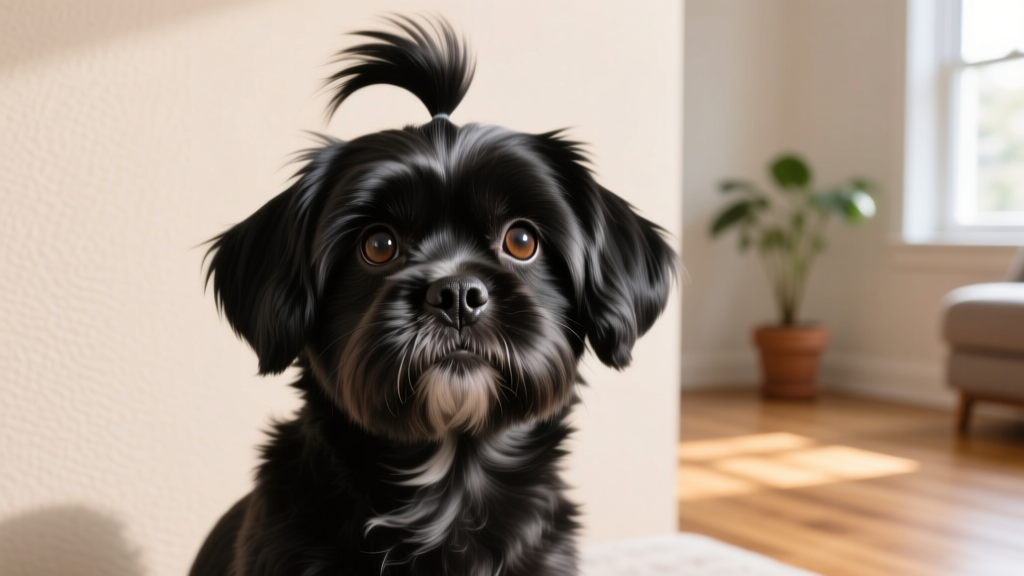
If you're researching the Shih Tzu, one question almost always comes first: what is the average age of a Shih Tzu? The short answer is that most Shih Tzus live between 10 and 18 years, with the median lifespan landing around 13 to 14 years. That places them among the longer-lived toy breeds, though individual longevity depends heavily on genetics, preventive care, and how well you manage the breed-specific health risks we'll cover below.
This guide goes well beyond lifespan numbers. Whether you're considering your first Shih Tzu or you're a seasoned owner looking to maximize your dog's healthy years, you'll find exact size data, real cost breakdowns, breed-specific disease prevalence, and actionable care schedules — all based on current veterinary data and AKC breed standards.
Shih Tzu at a Glance: Breed Overview
The Shih Tzu (pronounced "SHEED-zoo") is a toy breed with roots in Tibetan and Chinese imperial history. Buddhist monks in Tibet originally bred these small companion dogs, and they were later refined in the Chinese imperial courts during the Ming and Qing dynasties — with records of the breed dating back to at least the 17th century. The name translates to "lion dog," a reference to their association with Buddhist mythology and their flowing, mane-like coat.
After nearly disappearing during the Chinese Communist Revolution — the entire modern Shih Tzu population descends from just 14 foundation dogs — the breed was rebuilt primarily in England and Scandinavia before arriving in the United States. The AKC officially recognized the Shih Tzu in 1969.
Today, the Shih Tzu is classified as a toy breed, built exclusively for companionship rather than work. They are a brachycephalic breed, meaning they have a short, flat skull shape — a trait that directly impacts their health, exercise tolerance, and longevity.
| Attribute | Details |
|---|---|
| Size Class | Toy |
| Weight Range | 9–16 lb (4–7.3 kg) |
| Height Range | 9–10.5 inches (23–27 cm) at the withers |
| Average Age / Lifespan | 10–18 years (median 13–14 years) |
| Coat Type | Long, flowing double coat; hair (not fur) |
| Energy Level | Low to moderate |
| Grooming Frequency | Daily brushing; professional grooming every 4–6 weeks |
| Family Fit | Excellent for families with older children, seniors, apartment dwellers |
| Origin | Tibet / China, refined in Chinese imperial courts (17th century+) |
Understanding the Average Age of a Shih Tzu: What the Data Shows
The average age of a Shih Tzu consistently falls in the 10–18 year range across veterinary surveys, but several factors influence where your dog lands within that span.
A large-scale study published in the Journal of Small Animal Practice found that small and toy breeds generally outlive larger breeds by 2–5 years, largely because they experience lower rates of musculoskeletal disease and certain cancers. The Shih Tzu benefits from this small-breed longevity advantage.
However, the breed's brachycephalic anatomy introduces respiratory and ophthalmologic risks that can shorten lifespan if unmanaged. According to the Merck Veterinary Manual, Shih Tzus are predisposed to brachycephalic obstructive airway syndrome (BOAS), which, in severe cases, can lead to life-threatening respiratory distress.
Key longevity factors for Shih Tzus:
- Genetics: Dogs from breeders who perform OFA (Orthopedic Foundation for Animals) health screenings on breeding stock tend to have fewer inherited conditions.
- Weight management: Obesity dramatically worsens brachycephalic breathing issues and joint stress. Keeping your Shih Tzu at their ideal weight (9–16 lb / 4–7.3 kg) is one of the most impactful things you can do.
- Dental care: Small breeds are disproportionately affected by periodontal disease, which can lead to systemic infections affecting the heart and kidneys.
- Preventive veterinary care: Biannual wellness exams (every 6 months) catch issues like kidney disease and heart murmurs early, when treatment is most effective.
- Spay/neuter status: Spayed and neutered dogs statistically live 1–2 years longer, partly due to reduced cancer risk and roaming behavior.
Physical Characteristics: Size, Build, and Coat
The Shih Tzu is a sturdy toy dog — heavier and more solidly built than many people expect for their size. Per the AKC breed standard, the ideal Shih Tzu stands 9 to 10.5 inches (23–27 cm) at the withers and weighs 9 to 16 pounds (4–7.3 kg). They are slightly longer than tall, giving them a rectangular silhouette.
Their most defining feature is the long, luxurious double coat, which is technically hair rather than fur. This means Shih Tzus shed minimally and are often (though not always) better tolerated by people with mild allergies. Coat colors span virtually every combination: gold, white, black, liver, brindle, red, and parti-color patterns.
The brachycephalic skull gives them a distinctively short muzzle, large round eyes, and a pronounced stop (the indentation between the forehead and nose). Their ears are large, dropped, and heavily feathered — blending almost seamlessly into the neck coat when grown out.
Temperament & Personality: 5 Core Traits
The Shih Tzu was bred for one job: companionship. Every behavioral trait below reflects centuries of selective breeding for a dog that thrives on human proximity.
1. Affectionate and Clingy
Shih Tzus are "velcro dogs" in the truest sense. Expect your dog to follow you from room to room, curl up in your lap within seconds of you sitting down, and become visibly distressed if excluded from family activities. This makes them wonderful companions but poor candidates for owners who work 10+ hour days without pet care arrangements.
2. Outgoing and Friendly
Unlike some toy breeds that bond exclusively with one person, well-socialized Shih Tzus tend to greet strangers with tail wags rather than suspicion. They generally do well in social settings, dog-friendly cafes, and multi-person households.
3. Playful but Not Hyperactive
A Shih Tzu will happily chase a toy across the living room, but they don't have the endurance for marathon play sessions. Expect bursts of 5–10 minutes of activity followed by a nap. This "on-off" energy pattern suits apartment living perfectly.
4. Stubbornly Independent
Don't mistake their small size for easy trainability. Shih Tzus are intelligent but have a mind of their own. They respond well to motivation but may simply choose to ignore commands they find uninteresting — a trait inherited from their centuries of being pampered rather than tasked with work.
5. Alert but Not Yappy
Shih Tzus will announce visitors with a bark or two, but they are not typically excessive barkers compared to breeds like Yorkshire Terriers or Miniature Pinschers. They are watchdogs in the sense of alerting, not guarding — they are far more likely to lick an intruder than confront one.
Exercise & Activity Needs
Despite their low-key reputation, Shih Tzus still need structured daily exercise to maintain a healthy weight and prevent boredom-related behaviors like chewing or digging.
Recommended daily exercise: 30–45 minutes total, broken into two sessions.
- Morning walk: 15–20 minutes at a moderate pace on a harness (never a collar, due to tracheal collapse risk).
- Evening activity: 15–20 minutes of indoor play (fetch, puzzle toys, hide-and-seek) or a second short walk.
- Mental stimulation: 10–15 minutes of food puzzle toys, snuffle mats, or short training sessions to engage their intelligence.
Brachycephalic exercise precautions: Because of their short airways, Shih Tzus overheat quickly. Avoid exercise when outdoor temperatures exceed 80°F (27°C). Watch for excessive panting, blue-tinged gums, or collapse — these are emergency signs of heatstroke. Always carry water on walks and allow frequent rest breaks.
Common Health Issues in Shih Tzus
Understanding what can go wrong is essential to maximizing the average age of your Shih Tzu. Below are the most significant breed-specific conditions, with prevalence data where available. Always consult your veterinarian for diagnosis and treatment — this information is for educational purposes only.
| Condition | Description | Estimated Prevalence | Typical Age of Onset |
|---|---|---|---|
| Brachycephalic Obstructive Airway Syndrome (BOAS) | Narrowed nostrils, elongated soft palate, and compressed airways causing breathing difficulty, snoring, and exercise intolerance | ~50–60% of brachycephalic breeds show clinical signs | Present from birth; worsens with age and obesity |
| Intervertebral Disc Disease (IVDD) | Herniation of spinal discs causing pain, nerve damage, or paralysis — the long back and short legs increase risk | Estimated 3–5% of Shih Tzus | Typically 3–7 years |
| Keratoconjunctivitis Sicca (Dry Eye) | Inadequate tear production leading to corneal irritation, ulcers, and potential vision loss | One of the most commonly affected breeds | Any age; often middle-aged onset |
| Patellar Luxation | Kneecap slipping out of position, causing intermittent limping or a "skipping" gait | ~4–7% in toy breeds | Often detected by 1 year; may worsen with age |
| Renal Dysplasia | Abnormal kidney development leading to progressive kidney failure — an inherited condition with known breed predisposition | Estimated 1–3% (higher in certain bloodlines) | Often detected before 5 years; sometimes as early as puppyhood |
Additional concerns include periodontal disease (affecting an estimated 80% of small-breed dogs by age 3), hip dysplasia (present in approximately 6–8% of Shih Tzus per OFA data), and various eye conditions including progressive retinal atrophy (PRA) and cataracts.
Contact your veterinarian or an emergency clinic right away if your Shih Tzu shows any of these signs:
- Difficulty breathing, blue or pale gums, or collapse after exercise
- Sudden inability to use hind legs (possible IVDD emergency)
- Excessive drinking and urination with weight loss (possible renal disease or diabetes)
- Cloudy or blue-tinged eye, squinting, or pawing at the eye
- Seizures or disorientation
Grooming Requirements
The Shih Tzu's glamorous coat is also its most demanding feature. Grooming commitment depends on whether you keep the coat long (show style) or short (puppy clip).
| Task | Frequency | Tools Needed |
|---|---|---|
| Brushing (full coat) | Daily (long coat) or 2–3x/week (puppy clip) | Pin brush, metal comb, detangling spray |
| Professional grooming | Every 4–6 weeks | Professional groomer; expect $50–$90 per session |
| Eye cleaning | Daily | Canine eye wipes or damp cotton pad — remove tear stains |
| Ear cleaning | Weekly | Veterinary ear cleaner; cotton balls (never Q-tips) |
| Nail trimming | Every 2–3 weeks | Guillotine or scissor-style nail clippers; styptic powder |
| Teeth brushing | Daily (ideal) or minimum 3x/week | Canine enzymatic toothpaste and finger brush or small toothbrush |
| Bathing | Every 3–4 weeks (long coat) or as needed | Mild canine shampoo; conditioner for coat maintenance |
Pro tip: Many owners opt for a "puppy clip" — keeping the body coat trimmed to 1–2 inches — which reduces daily brushing to a quick 5-minute session and cuts matting risk dramatically. The face still requires daily attention regardless of coat length because food and moisture collect around the muzzle and eye area.
Training & Intelligence
Shih Tzus rank in the lower tier of working/obedience intelligence among breeds (often placing around 70th out of 138 breeds in Stanley Coren's intelligence rankings), but this reflects their independence rather than a lack of ability. They learn commands readily — they simply choose when to comply.
Trainability rating: 3/5 — trainable with the right approach, but not a breed that will drill obedience for hours.
Recommended training methods:
- Positive reinforcement only: High-value treats (small pieces of chicken, cheese, or commercial training treats like Zuke's Mini Naturals), praise, and play. Never use aversive methods — shock collars, prong collars, and alpha rolls damage trust and can worsen fear-based behaviors in sensitive toy breeds.
- Short sessions: 5–10 minutes per session, 2–3 times daily. Shih Tzus lose focus quickly in longer sessions.
- Early socialization: Expose puppies to diverse people, surfaces, sounds, and other dogs between 8 and 16 weeks of age to prevent fearfulness.
- Housebreaking patience: Toy breeds are notoriously slow to house-train. Expect 4–8 months of consistent crate training and scheduled outdoor breaks. Indoor potty pads are a practical backup for apartment dwellers.
Family Suitability: Kids, Pets, and Living Spaces
Children: Shih Tzus do well with gentle, older children (ages 8+) who understand how to handle small dogs carefully. Their small size makes them vulnerable to accidental injury from toddlers who may drop, squeeze, or step on them. Supervision is essential with any child under 8.
Other pets: Generally excellent with other dogs and cats, especially when introduced during puppyhood. Their low prey drive means they rarely chase household cats. However, they can be territorial over their owner's lap — expect some resource guarding of human attention in multi-pet homes.
Apartment living: One of the best apartment breeds available. Their low exercise needs, small size, minimal barking, and strong desire to be near their owner make them ideal for condo and apartment life. They do not require a yard.
Seniors and less active owners: An outstanding match. Shih Tzus are content with short walks and long cuddle sessions, making them one of the top recommended breeds for retirees and people with limited mobility.
Cost of Ownership: Purchase Price and Annual Care
Budgeting accurately is essential before bringing any breed home. Here's a realistic breakdown based on 2026 market data:
Initial Costs
- Puppy from responsible breeder: $1,500–$4,000 (health-tested parents, AKC registration)
- Adoption/rescue: $200–$600
- Initial supplies (crate, bed, harness, bowls, grooming tools): $200–$400
- First-year veterinary (vaccines, spay/neuter, microchip): $500–$1,200
- Total first-year cost: $2,400–$6,800
Ongoing Annual Costs
- High-quality food (AAFCO complete & balanced, small-breed formula): $300–$600/year
- Routine veterinary care (2 wellness exams, vaccines, heartworm/flea prevention): $400–$800/year
- Professional grooming (every 4–6 weeks): $500–$1,100/year
- Dental cleanings (annual under anesthesia): $300–$700/year
- Pet insurance (optional but recommended): $350–$700/year
- Miscellaneous (toys, treats, replacements): $150–$300/year
- Total annual cost: $2,000–$4,200/year
Lifetime cost estimate: Over a 13–14 year median lifespan, expect to spend between $28,000 and $60,000+ on your Shih Tzu, not including emergency veterinary care for unexpected conditions like IVDD surgery ($3,000–$8,000) or dental extractions ($500–$2,000+).
Is the Shih Tzu Right for You?
The Shih Tzu is an excellent choice if you want a devoted, low-exercise companion who thrives on proximity and fits well in smaller living spaces. They are well-suited for first-time owners who are prepared for the grooming commitment and patient with housebreaking. They are not ideal for owners who are away from home for long hours, want an off-leash hiking partner, or are unwilling to invest in regular professional grooming.
If longevity is your priority, investing in a puppy from a breeder who performs OFA health clearances (hips, eyes, cardiac, and renal screening) and maintaining your dog at a lean body condition score (BCS 4–5 out of 9) are the two highest-impact decisions you can make.
Frequently Asked Questions
Is the Shih Tzu a good breed for first-time dog owners?
Yes, with caveats. Shih Tzus are forgiving of beginner mistakes, have manageable exercise needs, and are generally eager to please when motivated by treats. However, first-time owners should be prepared for the daily grooming requirement, a potentially lengthy housebreaking period (4–8 months), and the need for consistent, positive reinforcement training. If you're willing to invest time in grooming and patient training, a Shih Tzu is a strong first-dog choice.
How much exercise does a Shih Tzu need daily?
Aim for 30–45 minutes total per day, split into a 15–20 minute morning walk and a 15–20 minute evening play session or second walk. Add 10–15 minutes of mental stimulation with puzzle toys or short training drills. Always use a harness rather than a collar to protect their trachea, and avoid exercising in temperatures above 80°F (27°C) due to brachycephalic heat sensitivity.
What health problems is the Shih Tzu breed prone to?
The most significant breed-specific conditions include brachycephalic obstructive airway syndrome (BOAS), intervertebral disc disease (IVDD), keratoconjunctivitis sicca (dry eye), patellar luxation, and renal dysplasia. They are also highly susceptible to periodontal disease. Regular veterinary checkups every 6 months, weight management, daily dental care, and choosing a puppy from health-tested parents are the best preventive strategies.
How big does a Shih Tzu get as an adult?
Adult Shih Tzus typically weigh 9–16 pounds (4–7.3 kg) and stand 9–10.5 inches (23–27 cm) tall at the shoulder. Males tend to be at the higher end of both ranges. They reach most of their adult size by 10–12 months and fill out completely by 18 months.
Are Shih Tzus good with children and other pets?
Shih Tzus are generally wonderful with gentle, older children (8+) and coexist peacefully with other dogs and cats. However, their small size makes them fragile around toddlers who may handle them roughly. Always supervise interactions between young children and any toy breed. In multi-pet households, some Shih Tzus may guard their owner's attention — early socialization and fair distribution of affection help prevent this.
How much does it cost to buy and maintain a Shih Tzu?
Expect to pay $1,500–$4,000 for a puppy from a responsible breeder (or $200–$600 through rescue adoption). First-year costs including supplies and initial veterinary care total approximately $2,400–$6,800. Ongoing annual care — food, grooming, vet visits, dental cleanings, and preventive medications — runs $2,000–$4,200 per year. Over their 13–14 year median lifespan, total lifetime costs typically range from $28,000 to $60,000+.
What is the oldest recorded age for a Shih Tzu?
While verified records are difficult to confirm, Shih Tzus living to 20 years or more have been reported anecdotally. The breed's typical ceiling is around 18 years. Maximizing your dog's lifespan comes down to genetics (health-tested breeding), weight management, dental care, and biannual veterinary checkups.
This article is for informational purposes only and does not replace professional veterinary advice. Always consult your veterinarian for health concerns specific to your dog.
Tom Renshaw
All our authors care for dogs every day — read more of their work on the authors page.


