Anatolian Shepherd Dog: Complete Breed Guide for Prospective Owners
Everything you need to know about the Anatolian Shepherd dog: origin, temperament, health risks, costs.
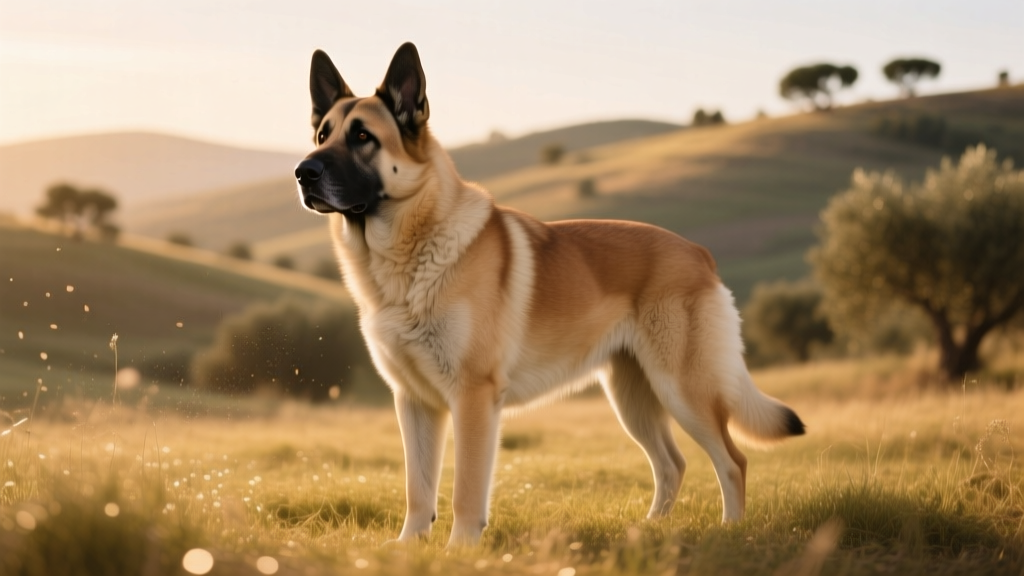
An Ancient Guardian From the Turkish Plateau
The Anatolian Shepherd dog is not a pet you stumble into casually. Standing up to 29 inches at the shoulder and weighing as much as 150 pounds, this Turkish livestock guardian has spent over 6,000 years making life-and-death decisions independently — protecting flocks from wolves, bears, and jackals across the harsh Anatolian plateau. Today, the breed remains relatively rare in the United States, with roughly 5,000–7,000 registered with the American Kennel Club since its full recognition in 1996.
If you're researching the Anatolian Shepherd dog because you're drawn to large guardian breeds, this guide will give you the unvarnished reality: what makes this breed extraordinary, what surprises new owners, and whether your household is genuinely equipped for a dog that was engineered to think for itself.
| Attribute | Details |
|---|---|
| Weight (Male) | 110–150 lb / 50–68 kg |
| Weight (Female) | 80–120 lb / 36–54 kg |
| Height (Male) | 27–29 in / 69–74 cm |
| Height (Female) | 26–28 in / 66–71 cm |
| Lifespan | 11–13 years |
| Coat | Short to medium, double coat; fawn with black mask most common |
| Energy Level | Low-moderate (patrolling bursts, not endurance running) |
| Grooming | Weekly brushing; heavy seasonal shed twice yearly |
| Family Fit | Experienced owners with acreage; not ideal for first-time owners or apartments |
| AKC Recognition | Working Group, fully recognized 1996 |
| FCI Recognition | Group 2, Section 2.2 (Molossoid — Mountain type); recognized 1989 as Kangal variant |
Origin and Historical Purpose: Bred to Decide, Not Obey
The Anatolian Shepherd dog originated in the central Anatolia region of modern-day Turkey, where nomadic herders (Yörük people) needed a dog capable of guarding sheep and goat flocks across vast, predator-rich terrain without human direction. Archaeological evidence and breed historians trace these dogs back to roughly 4000 BCE, making them one of the oldest continuously existing working breeds on record.
Unlike herding dogs that move livestock under human command, the Anatolian was selected for a fundamentally different job: livestock guardian duty. These dogs lived with the flock 24/7, bonding with sheep as their social group, and making autonomous decisions about threats. A good Anatolian didn't wait for a shepherd's command — it assessed, decided, and acted.
This evolutionary history explains the breed's defining temperament traits: independence, wariness of strangers, low biddability (willingness to obey commands for their own sake), and fierce protective instinct. These aren't flaws to be trained out; they're the breed's working software.
Recognition Timeline
- 1967: First Anatolian Shepherds imported to the United States by Robert Ballard
- 1970: Anatolian Shepherd Dog Club of America (ASDCA) founded
- 1996: Full AKC recognition in the Working Group
- 1989: FCI recognition (note: FCI later reclassified Turkish breeds separately, recognizing the Kangal Dog as distinct in 2018 — a source of ongoing debate among breeders)
- UKC: Recognized as the Anatolian Shepherd in the Guardian Dog Group
An important note for prospective buyers: The relationship between the Anatolian Shepherd dog and the Kangal Dog is contested. In Turkey, the Kangal is considered a distinct breed from the Sivas province. The AKC treats the Kangal as part of the Anatolian Shepherd registry, while the FCI and UKC now separate them. When evaluating breeders, ask specifically which bloodline they work with and whether their dogs are registered as Anatolian Shepherds, Kangals, or both.
Physical Traits: Built for Endurance, Not Speed
The Anatolian Shepherd dog is a large, powerful, but surprisingly agile animal. Unlike mastiff-type breeds that carry heavy bone and loose skin, the Anatolian is built for covering miles of rough terrain at a steady trot, then sprinting short distances when confronting a predator.
Key physical distinctions:
- Head: Broad skull with a black mask (melanistic muzzle) that extends over the muzzle and ears — a breed hallmark
- Body: Rectangular build, slightly longer than tall; deep chest but not barrel-chested like a Mastiff
- Tail: Long, reaching the hock; carried in a curl over the back when alert, low when relaxed
- Feet: Compact, well-arched toes with thick pads — built for rocky ground
- Coat: Two varieties exist — short coat (approximately 1 inch / 2.5 cm) and rough coat (up to 4 inches / 10 cm); both have a dense, weather-resistant undercoat
Compared to the Great Pyrenees, the Anatolian is leaner, more athletic, and carries less coat. Compared to the Kangal (if treated as separate), Anatolians tend to show more variation in color and coat type, while Kangals are more strictly standardized to fawn with a black mask.
Temperament: What Surprises New Owners
Most people who research the Anatolian Shepherd dog online picture a calm, noble guardian. That's accurate — but incomplete. Here's what tends to catch first-time owners off guard:
The Independence Factor
This breed scores very low on traditional obedience scales. An Anatolian will assess whether your command makes sense from its perspective before deciding whether to comply. This isn't stubbornness in the way a terrier is stubborn; it's a dog that was literally bred to ignore distractions and make its own threat assessments. If you need a dog that lives for your approval, this is not your breed.
Nocturnal Patrol Behavior
Anatolians are most active at dawn and dusk — the hours when predators hunt. Owners consistently report that their dogs spend nighttime hours patrolling the property perimeter, sometimes barking at perceived threats that humans can't see or hear. This can be a neighborhood issue in suburban settings.
Stranger Wariness vs. Aggression
A well-socialized Anatolian is aloof with strangers but not hostile. However, the breed takes its guarding role seriously. Visitors to your home should be introduced formally, and the dog should be supervised until it accepts the newcomer. This is not a dog you leave loose at a dog park expecting friendly greetings with unknown dogs.
Surprising Gentleness With Family
With their own people — including children they've been raised with — Anatolians are notably gentle and patient. Many owners describe them as "shadow dogs" that stay in the same room as family members without being clingy. They're affectionate on their own terms: leaning against you, resting a head on your lap, but rarely demanding prolonged cuddling.
Care Requirements: What This Breed Actually Needs
The Anatolian Shepherd dog has specific care needs that differ meaningfully from typical large breeds. Here's a practical breakdown:
| Category | Requirement | Details |
|---|---|---|
| Space | Minimum 1 acre fenced | 6-foot fence minimum; some individuals will dig under or climb. Underground electric fences are ineffective — this breed will push through pain to reach a perceived threat. |
| Exercise | 45–60 minutes daily | Two 20–30 minute walks plus free patrol time. Not a running partner; prefers walking and sniffing at its own pace. |
| Grooming | Weekly brushing; daily during blow coat | Use an undercoat rake during spring and fall shedding seasons (2–3 weeks each). Bathing every 8–12 weeks; over-bathing strips coat oils. |
| Socialization | Intensive, early, ongoing | Window: 8–16 weeks critical. Expose to 100+ people, surfaces, sounds before 4 months. Continue structured exposure through 2 years. |
| Training | Positive reinforcement only | Short sessions (5–10 min). Focus on reliable recall and "leave it." Do not use prong collars, shock collars, or alpha rolls — these damage trust with an independent breed and can trigger defensive aggression. |
| Diet | Large-breed formula | AAFCO-approved large-breed adult maintenance or growth formula. Target 22–26% protein, 12–15% fat. Feed 4–6 cups/day split into two meals depending on activity. Elevated bowls not recommended — may increase bloat risk. |
| Vet Care | Annual wellness + breed-specific screening | Annual orthopedic exam, hip/elbow X-rays at 2 years, cardiac screening. Discuss bloat prophylaxis (gastropexy) with your veterinarian if spaying/neutering. |
Grooming Note: The Shedding Reality
During seasonal coat blows (typically March–April and September–October), an Anatolian Shepherd will shed enough undercoat to fill multiple grocery bags. A high-velocity dryer (such as the Metro Air Commander or K-9 II) dramatically speeds up the process. Budget 30–45 minutes of grooming every other day during these periods, or arrange professional grooming sessions ($60–$90 per session for a dog this size).
Breed-Specific Health Concerns
The Anatolian Shepherd dog is generally a robust breed with a lifespan of 11–13 years — above average for a giant breed. However, several conditions appear at higher rates than in the general dog population:
| Condition | Prevalence | Screening | Estimated Treatment Cost |
|---|---|---|---|
| Hip Dysplasia | ~12–15% (OFA data) | OFA or PennHIP X-ray at 24 months | $1,500–$7,000 per hip (surgical) |
| Elbow Dysplasia | ~5–8% | OFA elbow X-ray at 24 months | $1,500–$4,000 per elbow |
| Gastric Dilatation-Volvulus (Bloat) | High risk — deep-chested giant breed | Clinical emergency; preventive gastropexy $300–$800 if done with spay/neuter | $2,500–$7,500 emergency surgery |
| Hypothyroidism | ~4–6% | Annual thyroid panel (T4, free T4, TSH) | $15–$30/month lifelong medication |
| Entropion/Ectropion | Occasional (eyelid conformation) | Veterinary ophthalmologic exam | $500–$1,500 surgical correction |
| Osteosarcoma | Elevated in giant breeds generally | Lameness workup, X-ray, biopsy | $5,000–$15,000+ with amputation and chemo |
- Distended, tight abdomen
- Unproductive retching (trying to vomit but nothing comes up)
- Restlessness, pacing, inability to settle
- Pale gums, rapid heart rate
- Onset can kill within 2–4 hours without intervention
Always consult your veterinarian to establish a screening protocol appropriate for your individual dog. Responsible breeders should provide OFA or PennHIP certification for both parents' hips, and ideally elbows and thyroid as well. You can verify health clearances through the Orthopedic Foundation for Animals database.
How the Anatolian Shepherd Compares to Similar Breeds
If you're considering the Anatolian Shepherd dog, you've likely also looked at other livestock guardian breeds. Here's how the most common alternatives stack up:
| Trait | Anatolian Shepherd | Great Pyrenees | Kangal Dog |
|---|---|---|---|
| Weight Range | 80–150 lb / 36–68 kg | 85–120 lb / 39–54 kg | 90–145 lb / 41–66 kg |
| Coat Maintenance | Moderate (weekly) | High (3–4x/week; mats easily) | Moderate (weekly) |
| Independence Level | Very high | High | Very high |
| Barking (Night Patrol) | Moderate–high | High | Moderate |
| Stranger Tolerance | Low–moderate | Moderate | Low |
| Family Affection | Moderate (calm presence) | High (gentle, demonstrative) | Low–moderate (reserved) |
| Exercise Needs | 45–60 min/day | 30–45 min/day | 45–60 min/day |
| AKC Recognition | Yes (1996) | Yes (1933) | No (UKC only in US) |
| Average Puppy Cost | $1,500–$3,500 | $1,000–$2,500 | $2,000–$5,000 |
The Great Pyrenees is generally softer-tempered and more overtly affectionate, making it a somewhat easier fit for family life. The Kangal is more physically powerful and more standardized in temperament but harder to find from US breeders. The Anatolian sits in the middle: athletic, reserved, and slightly more variable in personality depending on bloodline.
Finding an Anatolian Shepherd: Breeders, Cost, and Red Flags
Availability
The Anatolian Shepherd dog remains uncommon in the United States. The ASDCA maintains a breeder referral list, and most reputable breeders have waitlists of 6–18 months. Litters are typically small (6–10 puppies), and good breeders often keep one or two puppies from each litter for their own programs, reducing available supply.
Price Ranges (2026 Estimates)
- Pet-quality from a health-tested breeder: $1,500–$2,500
- Show/working-quality from top bloodlines: $2,500–$3,500
- Trained adult livestock guardian: $3,000–$5,000+ (dogs with proven flock experience)
- Rescue/adoption: $200–$500 (check ASDCA rescue network and large-breed rescues)
First-Year Budget Estimate
Beyond the purchase price, budget approximately $3,500–$5,500 for the first year, including:
- High-quality large-breed food: $900–$1,400/year
- Veterinary care (puppy series, spay/neuter, screenings): $1,200–$2,000
- Fencing upgrades (if needed): $500–$3,000+
- Supplies (crate, bed, leash, grooming tools): $400–$700
- Training classes: $300–$600
- Pet insurance (recommended for giant breeds): $600–$1,000/year
Breeder Red Flags
Walk away from any breeder who:
- Cannot provide OFA/PennHIP hip certifications for both parents (not just "vet checked")
- Has puppies available immediately with no questions asked
- Sells puppies under 10–12 weeks of age (guardian breeds benefit from extended litter socialization)
- Cannot explain the difference between Anatolian Shepherd and Kangal bloodlines in their program
- Offers multiple litters simultaneously or breeds more than 2–3 times per year
- Has no take-back clause in their contract (responsible breeders require dogs be returned to them at any point if the owner cannot keep them)
Is the Anatolian Shepherd Dog Right for You?
This breed thrives with owners who understand that a guardian dog's independence is a feature, not a bug. The ideal Anatolian Shepherd household includes:
- At least one acre of securely fenced land (rural or semi-rural strongly preferred)
- Owners with prior experience handling large, strong-willed breeds
- A commitment to structured socialization from 8 weeks through adulthood
- Tolerance for nighttime barking and heavy seasonal shedding
- No plans to move to an apartment or HOA-restricted community
- Willingness to manage introductions with visitors and unfamiliar dogs for the dog's entire life
The Anatolian Shepherd dog is not recommended for first-time dog owners, apartment dwellers, families seeking a highly social/playful companion dog, or anyone unwilling to invest significant time in early socialization and ongoing management.
If your lifestyle fits, though, you'll find a profoundly loyal, intelligent, and deeply satisfying companion — one that takes its job of protecting your family as seriously as its ancestors took protecting flocks on the Anatolian steppe.
Frequently Asked Questions
How rare is the Anatolian Shepherd dog today?
Outside Turkey, the breed remains uncommon. The AKC ranked the Anatolian Shepherd 83rd out of 200 recognized breeds in popularity as of 2024. In the US, you'll find the highest concentration of breeders and owners in western and midwestern states where ranching and acreage properties are common. Waitlists for puppies from reputable breeders often stretch 6–18 months.
Is the Anatolian Shepherd dog suitable for families with children?
With proper socialization and supervision, Anatolians are typically gentle and patient with children in their own family. However, their large size means they can accidentally knock over toddlers, and their guarding instinct means they may become protective of "their" children in ways that complicate playdates. Never leave any dog unsupervised with young children, and teach children to respect the dog's space, especially during eating and sleeping.
Can an Anatolian Shepherd live with other dogs?
Yes, particularly if raised together from puppyhood. Anatolians typically bond well with other household dogs, especially of the opposite sex. Introducing a new adult dog to an established Anatolian requires careful, gradual management. Same-sex pairings of intact dogs carry higher conflict risk. Spaying/neutering reduces but doesn't eliminate territorial behavior.
What makes the Anatolian Shepherd different from the Kangal?
This is debated. In Turkey, the Kangal (from Sivas province) is considered a distinct breed with stricter physical standards (fawn color only, specific proportions). The AKC registers Kangals under the Anatolian Shepherd umbrella, while the UKC and FCI separate them. Physically, Kangals tend to be more uniform in appearance; Anatolians show wider variation in coat length, color, and build. Temperamentally, both are independent guardians, though some breeders report Kangals as slightly more intense.
Do Anatolian Shepherds need livestock to be happy?
No, but they do need a job. Without livestock to guard, an Anatolian will "adopt" whatever it considers its flock — which might be your children, your other pets, or simply your property. Providing structured activities (scent work, cart pulling, long exploration walks) helps prevent boredom-related behaviors like excessive barking or fence-patrolling anxiety. Some owners use them successfully as property guardians without livestock.
Marcus Aldridge
All our authors care for dogs every day — read more of their work on the authors page.


