Top No Pull Dog Harnesses for Joint Health 2026: Vet Guide
Discover how Y-shaped no pull dog harnesses protect your dog's shoulder joints in 2026. Vet-approved guide to front-clip designs and biomechanics.
The Evolution of Canine Walking Gear in 2026
As we navigate through 2026, the veterinary and canine behavioral communities have reached a definitive consensus on walking equipment: the traditional flat collar is no longer the default recommendation for dogs that pull. Instead, the focus has shifted entirely toward biomechanically sound, joint-protecting gear. For dog owners dealing with a strong puller, the no-pull dog harness has become an essential tool. However, not all harnesses are created equal. In recent years, veterinary physical therapists have raised alarms about restrictive harness designs that inadvertently cause long-term shoulder and joint damage. Today, we are diving deep into the science of canine gait, the dangers of restrictive gear, and why the Y-shaped front-clip no-pull harness is the undisputed gold standard for canine joint health in 2026.
The Hidden Dangers of Traditional Collars
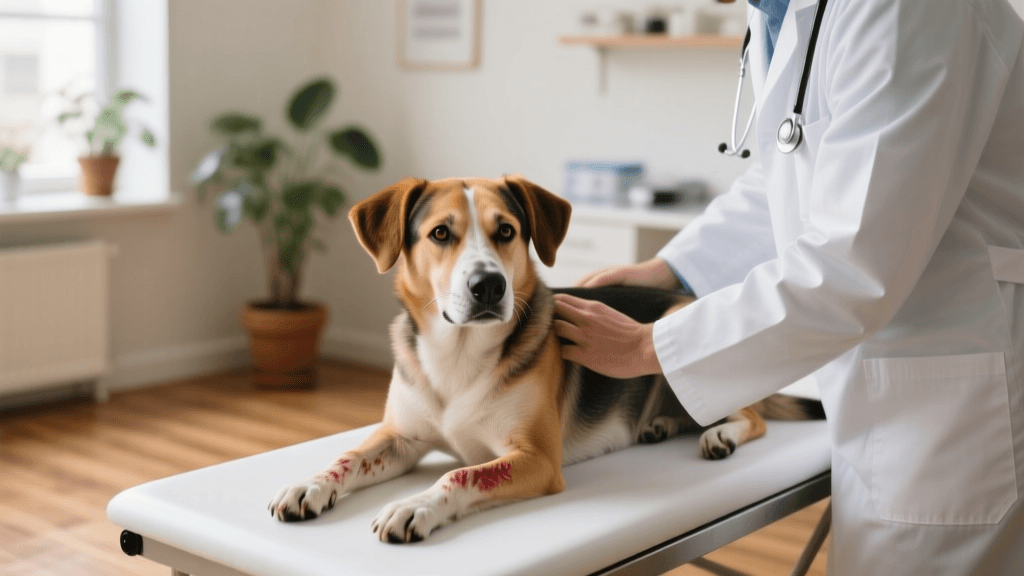
Before understanding the solution, we must address the problem. When a dog pulls on a traditional flat collar or a slip lead, the entirety of the opposing force is concentrated on the cervical spine (neck) and the delicate trachea. According to the American Kennel Club, dogs that consistently pull on collars are at a significantly higher risk for tracheal collapse, cervical disc herniation, and restricted blood flow to the brain and eyes. Small breeds, brachycephalic dogs (like Pugs and French Bulldogs), and senior dogs are particularly vulnerable. Even for large, muscular breeds, the sudden jerk of a collar can cause micro-traumas to the neck vertebrae over time. Transitioning to a harness distributes the force across the dog's chest and torso, effectively removing the neck from the equation and safeguarding the airway.
The Biomechanics of Pulling: Why Shoulder Joints Matter
While moving the pressure from the neck to the body is a massive step forward, the design of the harness dictates how that pressure affects the rest of the skeletal system. A dog's shoulder joint is highly mobile, relying on a complex network of muscles, tendons, and ligaments rather than a rigid bone-to-bone connection like the hip. This mobility allows for the extended stride necessary for running, trotting, and playing.
In the early 2010s, many 'anti-pull' harnesses featured a horizontal strap that cut directly across the front of the dog's chest and shoulders. While these stopped pulling by physically restricting the dog's front legs, veterinary gait analysis has since proven that they alter the dog's natural stride. Over months and years, this restriction leads to shortened strides, altered weight distribution, and eventually, chronic joint pain or early-onset arthritis in the shoulders and elbows. In 2026, leading veterinary orthopedic specialists strongly advise against any harness with a horizontal chest strap that sits above the point of the shoulder.
The 2026 Gold Standard: Y-Shaped Front-Clip Harnesses
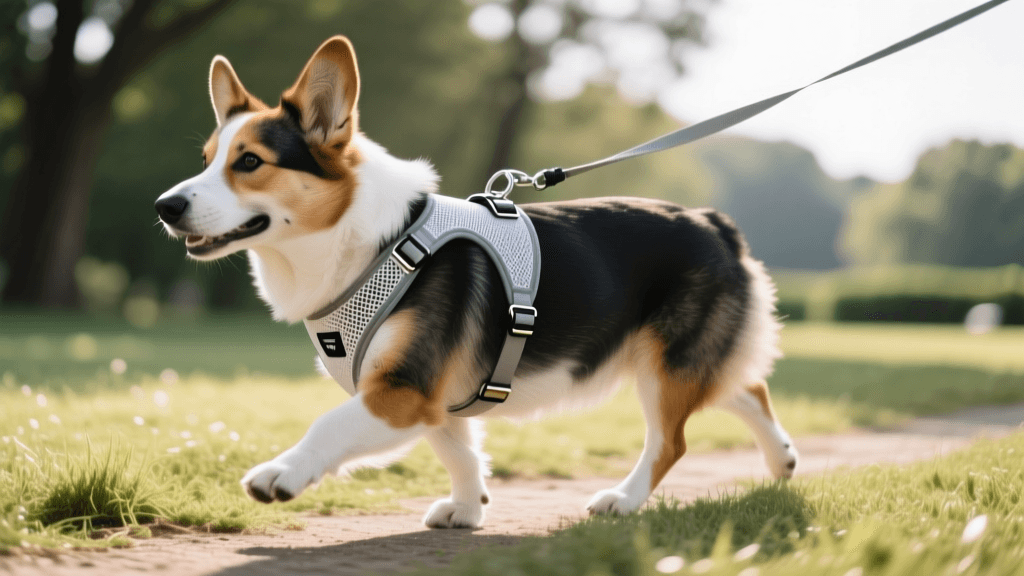
The solution to the restrictive harness problem is the Y-shaped harness. When viewed from the front, the straps of the harness form a 'Y' shape, with the central junction sitting safely on the sternum (breastbone), well below the shoulder joints. This design leaves the dog's shoulder blades completely free to rotate and extend naturally, preserving their healthy gait while still providing the owner with control.
When combined with a front-clip leash attachment (a D-ring located on the chest strap), the Y-shaped harness becomes a highly effective no-pull tool. If the dog pulls forward, the front-clip gently redirects their momentum back toward the owner, naturally discouraging pulling without causing pain or joint restriction.
Restrictive vs. Y-Shaped Harnesses: A 2026 Comparison
| Feature | Restrictive (Horizontal Strap) Harness | Y-Shaped Front-Clip Harness (2026 Standard) |
|---|---|---|
| Shoulder Mobility | Severely restricted; limits natural stride extension. | 100% unrestricted; allows full range of motion. |
| Long-Term Joint Health | High risk of shoulder strain, altered gait, and arthritis. | Promotes healthy biomechanics and joint longevity. |
| Pulling Deterrence | Relies on physical friction and restriction. | Relies on biomechanical redirection (front-clip). |
| Veterinary Recommendation | Not recommended by canine physical therapists. | Highly recommended by orthopedic specialists. |
| Escape Risk | Moderate (dogs can back out if poorly fitted). | Low (when properly fitted with dual-clip options). |
Top 5 Features to Demand in a 2026 No-Pull Harness
When shopping for a no-pull harness this year, do not settle for outdated designs. Look for these specific features to ensure maximum safety, comfort, and control:
- True Y-Shaped Front: Ensure the chest piece forms a clear 'Y' and that the horizontal elements sit below the armpits, not across the shoulders.
- Dual-Clip Attachment Points: The best 2026 models feature both a front D-ring (for training and pulling deterrence) and a back D-ring (for casual walks or attaching a seatbelt tether in the car).
- Breathable, Air-Mesh Padding: With global temperatures fluctuating, breathable, moisture-wicking materials are essential to prevent chafing and overheating during summer walks.
- Reflective Thread and LED Integration: Modern safety standards demand high-visibility reflective stitching, and many premium 2026 harnesses now include built-in, rechargeable LED strips for nighttime visibility.
- Four-Point Adjustment System: A harness should be adjustable at the neck, chest, and girth to accommodate different body shapes, from the deep-chested Greyhound to the barrel-chested Bulldog.
Step-by-Step Fitting Guide for Optimal Joint Health
Even the most advanced, veterinary-approved Y-shaped harness can cause chafing or restricted movement if fitted incorrectly. Follow the ASPCA's recommended guidelines for fitting walking equipment to ensure your dog's comfort:
- The Head Loop: Slip the neck opening over your dog's head. The central junction of the 'Y' should rest flat against the sternum, not ride up into the throat.
- The Leg Straps: Buckle the girth straps behind the front legs. Ensure the straps are not sitting directly in the sensitive armpit area, which can cause severe friction burns.
- The Two-Finger Rule: You should be able to comfortably slide two fingers under any strap on the harness. If it's too tight, it restricts breathing and blood flow; if it's too loose, the dog can easily back out and escape.
- The Chafe Check: After your first few walks, inspect your dog's fur and skin around the armpits and chest. Any redness indicates the harness needs adjusting or that the padding is insufficient for your dog's specific coat type.
Behavioral Training: Pairing the Harness with Positive Reinforcement
It is a common misconception among new dog owners that a no-pull harness will magically cure leash reactivity and pulling on its own. A front-clip Y-shaped harness is a management tool, not a training cure. It provides you with the mechanical advantage needed to safely guide your dog while you implement behavioral modification techniques. Here are two highly effective training protocols to use with your new harness in 2026:
The 'Stop and Wait' Technique
When your dog hits the end of the leash and begins to pull, simply stop walking. Do not yank the leash, and do not shout. The front-clip will naturally turn the dog slightly toward you. Wait patiently. The moment your dog releases the tension on the leash and looks back at you, mark the behavior with a 'yes' or a clicker, offer a high-value treat, and resume walking. This teaches the dog that a loose leash is the only key that unlocks forward movement.
The 'U-Turn' Redirect
If you are walking in a highly stimulating environment and your dog begins to pull toward a distraction (like a squirrel or another dog), use the front-clip to gently guide them into a 180-degree U-turn, walking in the opposite direction. When they catch up to you and are walking by your side, reward them heavily. This builds engagement and teaches the dog that paying attention to the handler is more rewarding than pulling toward environmental triggers.
Conclusion: Investing in Your Dog's Long-Term Mobility
As our understanding of canine biomechanics continues to evolve, so too must our approach to the equipment we use daily. Upgrading to a Y-shaped, front-clip no-pull dog harness in 2026 is one of the most impactful investments you can make in your dog's long-term orthopedic health. By eliminating the tracheal risks of collars and avoiding the shoulder-joint damage of restrictive harnesses, you are setting your dog up for a lifetime of pain-free, joyful walks. Remember to pair your high-quality gear with consistent, positive reinforcement training, and you will transform your daily walks from a frustrating tug-of-war into a beautiful, bonding experience.
anouk-beaumont
All our authors care for dogs every day — read more of their work on the authors page.