2026 Xoloitzcuintli Skincare & Sun Protection Guide
Discover the ultimate 2026 skincare and sun protection routine for hairless Xoloitzcuintli dogs, featuring vet-approved sunscreens and moisturizers.
The Unique Dermatological Profile of the Xoloitzcuintli
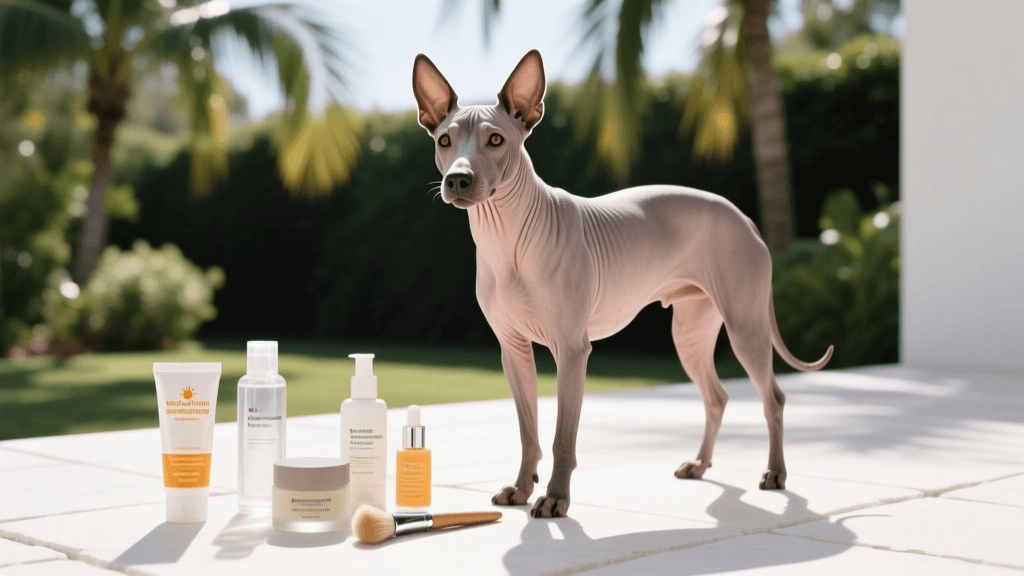
As of 2026, the Xoloitzcuintli (often affectionately called the Xolo or Mexican Hairless) continues to surge in global popularity. Revered by the Aztecs for their healing properties and companionship, these ancient dogs possess a striking appearance that sets them apart from almost every other breed. However, their most defining feature—their lack of a protective coat—brings a unique set of veterinary and dermatological challenges. For owners of the hairless variety, understanding the intricate needs of canine skin is not just about aesthetics; it is a critical component of their overall health and wellbeing.
The hairlessness in the Xoloitzcuintli is caused by a dominant mutation in the FOXI3 gene. While this gene is responsible for their sleek, elegant silhouette, it also affects their dentition (often resulting in missing premolars) and alters the structural integrity of their skin. Without a fur barrier, a Xolo's skin is directly exposed to environmental aggressors, including ultraviolet (UV) radiation, extreme temperatures, allergens, and physical abrasions. Consequently, a proactive, highly specific skincare routine is mandatory for this exotic breed.
The Critical Importance of Sun Protection
The most immediate threat to a hairless Xolo's skin is UV radiation. Just like humans, dogs can suffer from severe sunburns, premature skin aging, and, most concerningly, skin cancer. Squamous cell carcinoma and hemangiosarcoma are notably more prevalent in hairless and lightly pigmented breeds. In 2026, veterinary dermatologists emphasize that sun protection must be treated as a daily medical necessity, not an optional accessory.
Choosing a Safe and Effective Dog Sunscreen
One of the most common and dangerous mistakes new Xolo owners make is applying human sunscreen to their dogs. Many human sunscreens contain zinc oxide and PABA (para-aminobenzoic acid). If a dog licks their skin—and Xolos are meticulous groomers—ingesting zinc oxide can lead to severe zinc toxicity, causing hemolytic anemia and gastrointestinal distress. According to the Pet Poison Helpline, zinc oxide ingestion is a frequent and serious veterinary emergency.
Instead, you must use sunscreens specifically formulated for canines. Look for products that utilize titanium dioxide as the active physical blocking agent, or those relying on safe, natural oil barriers like red raspberry seed oil and carrot seed oil, which offer natural SPF properties. The American Kennel Club (AKC) strongly recommends using pet-specific SPF 30+ balms and sprays that are waterproof and non-toxic if ingested.
- Application Timing: Apply sunscreen 20 minutes before going outdoors to allow it to absorb and set, reducing the chance of immediate licking.
- Target Areas: Focus on the bridge of the nose, the tips of the ears, the groin, and the sparsely haired belly.
- Reapplication: Reapply every 3 to 4 hours, or immediately after swimming or heavy sweating.
Managing Canine Acne and Follicular Health
Despite lacking a full coat, hairless Xolos still possess hair follicles, particularly on their heads, muzzles, and paws. Because their skin produces excess sebum to compensate for the lack of fur, they are highly prone to canine acne (comedones) and folliculitis. These manifest as blackheads or small red bumps, primarily on the chin and lips.
According to VCA Animal Hospitals, canine acne is often exacerbated by friction, poor hygiene, or bacterial overgrowth. To manage this in 2026, veterinary dermatologists recommend a gentle but consistent cleansing routine:
- Daily Wiping: Use veterinary-grade chlorhexidine or salicylic acid wipes to gently clean the chin and muzzle after meals.
- Avoid Squeezing: Never pop or squeeze canine blackheads. This can push bacteria deeper into the follicle, leading to painful staph infections and scarring.
- Topical Treatments: For severe flare-ups, your veterinarian may prescribe a topical mupirocin ointment or a benzoyl peroxide gel formulated specifically for canine skin pH.
Bathing, Exfoliation, and Moisturizing
Bathing a Xoloitzcuintli requires a delicate balance. Over-bathing strips the skin of its natural, necessary oils, leading to severe dryness, flaking, and compensatory sebum overproduction. Under-bathing allows dirt, dead skin cells, and environmental pollutants to clog pores.
The Ideal Bathing Protocol
Limit full baths to once every three to four weeks, unless the dog has rolled in something particularly foul. Use a hypoallergenic, soap-free, and pH-balanced canine shampoo. Oatmeal and aloe vera-based shampoos are excellent for soothing irritated skin. Avoid any products containing artificial fragrances, dyes, or harsh sulfates.
Moisturizing the Skin Barrier
After a bath, or when the skin appears ashy and tight, moisturizing is essential. Human lotions often contain urea, alpha-hydroxy acids (AHAs), or xylitol, all of which can be toxic or highly irritating to dogs. Opt for canine-specific moisturizers rich in ceramides, shea butter, and vitamin E. Applying a light layer of pure, unrefined coconut oil or a veterinary-approved skin balm can help lock in moisture and reinforce the lipid barrier.
Veterinary Insight: "The skin of a hairless dog is an active, breathing organ that requires as much daily maintenance as the coat of a double-coated breed. Neglecting the lipid barrier in a Xoloitzcuintli inevitably leads to secondary bacterial and yeast infections." — Board-Certified Veterinary Dermatologist, 2026 Canine Dermatology Summit
Nutritional Support for Skin Health
Topical care must be supported from the inside out. A Xolo's diet in 2026 should be heavily fortified with skin-supporting nutrients. Omega-3 fatty acids, specifically EPA and DHA derived from wild-caught fish oils or microalgae, are paramount. These fatty acids modulate inflammation, reduce the severity of allergic skin reactions, and promote a supple, resilient epidermis. Additionally, ensuring adequate levels of Vitamin E and zinc in their daily kibble or raw diet helps accelerate cellular repair and maintain follicular health.
2026 Xoloitzcuintli Skincare & Maintenance Schedule
To help owners budget and plan, below is a comprehensive breakdown of the recommended skincare routine, including current 2026 market estimates for high-quality, vet-approved products.
| Maintenance Task | Frequency | Recommended Products / Methods | 2026 Est. Cost |
|---|---|---|---|
| Sunscreen Application | Daily (Outdoors/Summer) | Pet-safe Titanium Dioxide SPF 30+ Balm | $18 - $26 / tube |
| Muzzle & Chin Cleansing | Daily (Post-meals) | 2% Chlorhexidine Medicated Wipes | $12 - $15 / tub |
| Full Body Bathing | Every 3 - 4 Weeks | Hypoallergenic Oatmeal & Aloe Canine Shampoo | $20 - $30 / bottle |
| Post-Bath Moisturizing | As needed / Post-bath | Ceramide & Vitamin E Canine Skin Conditioner | $22 - $35 / pump |
| Omega-3 Supplementation | Daily (with meals) | Wild Alaskan Salmon Oil (EPA/DHA) | $25 - $40 / month |
| Winter Skin Protection | Daily (Cold Months) | Fleece-lined Dog Sweaters & Paw Balms | $35 - $60 / garment |
Seasonal Adjustments: Winter and Summer Extremes
Because they lack an insulating undercoat, Xoloitzcuintli are highly sensitive to temperature fluctuations. In the winter, their skin is prone to severe dryness and cracking due to indoor central heating and cold outdoor winds. During these months, increase the frequency of moisturizing and invest in high-quality, breathable, fleece-lined dog sweaters. Sweaters not only provide thermal regulation but also act as a physical barrier against windburn and environmental allergens.
Conversely, in the peak of summer, the primary concern shifts to heatstroke and UV damage. Limit outdoor exercise to the early morning or late evening when the UV index is lowest. Utilize cooling mats and ensure constant access to shade and fresh water. If your Xolo spends time near water, remember that UV rays reflect off the surface, increasing the risk of sunburn on their underbelly, making waterproof canine sunscreen absolutely vital.
Recognizing Early Signs of Dermatological Distress
As a responsible Xolo owner, you must perform a weekly "nose-to-tail" skin check. Run your hands over your dog's entire body, feeling for any new lumps, bumps, scabs, or changes in skin pigmentation. While Xolos naturally develop freckles and sunspots as they age, any lesion that is asymmetrical, has irregular borders, varies in color, or grows rapidly in diameter must be evaluated by a veterinarian immediately. Early detection of cutaneous tumors dramatically improves the prognosis and treatment outcomes.
Conclusion
Owning a Xoloitzcuintli is a deeply rewarding experience, offering a glimpse into ancient canine history wrapped in a deeply affectionate and intelligent companion. However, their exotic, hairless physiology demands a modern, scientifically backed approach to skincare. By committing to a rigorous routine of pet-safe sun protection, gentle cleansing, targeted moisturizing, and nutritional support, you ensure that your Xolo's skin remains a healthy, resilient shield for years to come. Embrace the maintenance, and your hairless marvel will thrive in any environment.
anouk-beaumont
All our authors care for dogs every day — read more of their work on the authors page.