Raising a Xoloitzcuintli Puppy in 2026: Skin, Diet & Training
Discover the ultimate 2026 guide to raising a Xoloitzcuintli puppy. Learn essential hairless skincare, teething tips, and diet plans for this rare breed.
Introduction to the Xoloitzcuintli Puppy
Welcoming a Xoloitzcuintli (pronounced show-low-eats-QUEEN-tlee) into your home is an extraordinary experience. Often simply called the 'Xolo' or the Mexican Hairless Dog, this ancient breed has captivated dog lovers for thousands of years. As we navigate the pet care landscape in 2026, rare and primitive breeds are seeing a massive surge in popularity among dedicated owners who appreciate their unique physiology and profound loyalty. However, raising a Xolo puppy is vastly different from raising a Golden Retriever or a Labrador. Their lack of an insulating coat, unique dental genetics, and primitive temperament require a highly specialized approach to puppy care.
Whether you have adopted a hairless or coated variety, understanding the specific developmental milestones of the Xoloitzcuintli is critical. This comprehensive 2026 guide covers everything from advanced dermatological care and temperature regulation to precise nutritional requirements and early socialization techniques.
The Primitive Charm of the Xoloitzcuintli
The Xoloitzcuintli is one of the oldest and rarest breeds in the world, with a lineage tracing back over 3,000 years to the Aztec, Toltec, and Maya civilizations. According to the American Kennel Club (AKC), the breed was historically revered as a protector and a guide for the dead. Today, they are prized for their alertness, intelligence, and striking appearance.
Xolos come in three sizes: Toy, Miniature, and Standard. While the hairless variety is the most famous, the coated variety is equally important to the breed's genetic diversity. Hairless Xolo puppies are born with remarkably soft, supple skin, but they are also highly susceptible to environmental elements. Because they are a primitive breed, Xolo puppies tend to be more reserved, observant, and independent than typical gundog or herding puppies. They require a patient, confident owner who understands canine body language.
Essential Hairless Puppy Skincare Routine for 2026
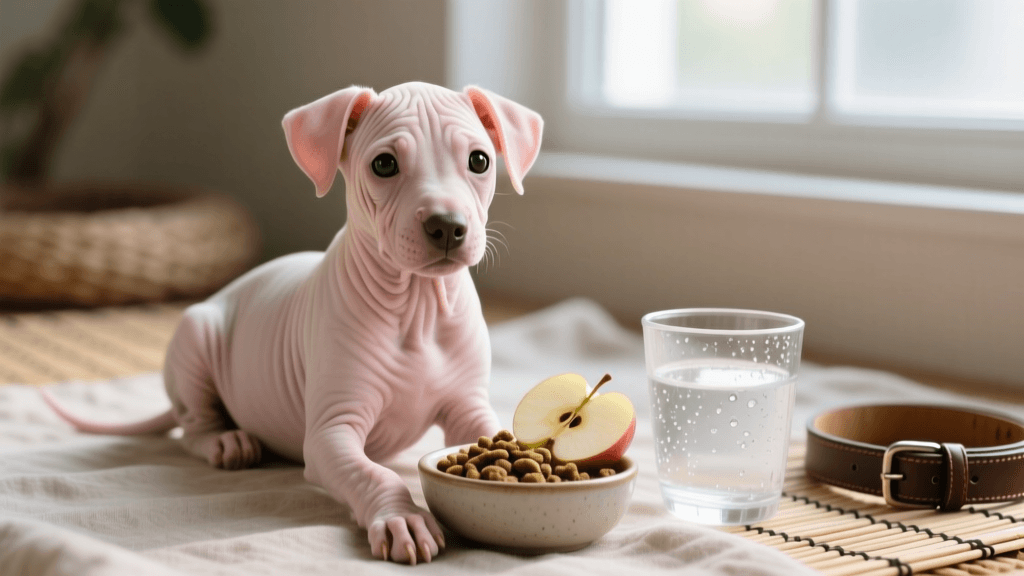
The most striking feature of the hairless Xolo is also its most vulnerable. Without a protective coat, a Xolo puppy's skin is directly exposed to UV rays, dirt, and temperature fluctuations. In 2026, veterinary dermatologists emphasize a proactive, three-step daily skincare routine to prevent puppy acne, sunburn, and severe dryness.
1. Cleansing and Acne Prevention
Xolo puppies are notoriously prone to canine acne and blackheads, particularly on their muzzles, chins, and backs. The sebaceous glands work overtime to compensate for the lack of hair, leading to clogged pores.
- Morning Wipe-Down: Use a veterinary-approved chlorhexidine wipe or a gentle, fragrance-free micellar water designed for dogs. Avoid human acne products containing salicylic acid or benzoyl peroxide, as these are highly toxic to canines.
- Bathing Frequency: Bathe your Xolo puppy every 10 to 14 days using a hypoallergenic, oatmeal-based puppy shampoo. Over-bathing strips the skin of natural oils, leading to rebound oiliness and severe flaking.
2. Sun Protection
A Xolo puppy's skin can burn in as little as 15 minutes of direct midday sun. Sunburn in puppies not only causes immediate pain but significantly increases the risk of squamous cell carcinoma later in life.
- Dog-Safe Sunscreen: Apply a pet-specific SPF 30+ sunscreen (such as Warren London or Epi-Pet) to their ears, snout, and back before any outdoor excursion. Ensure the formula is strictly free of zinc oxide and PABA, which are dangerous if ingested during grooming.
- UV Clothing: For extended outdoor play in the summer of 2026, invest in a lightweight, UPF 50+ dog sun shirt. This provides physical barrier protection without the need for constant chemical reapplication.
3. Moisturizing
To maintain skin elasticity and prevent cracking, moisturize your puppy after every bath and before bedtime. Organic, cold-pressed coconut oil is a favorite among Xolo breeders, but specialized canine ceramide lotions offer longer-lasting hydration without leaving a greasy residue on your furniture.
Temperature Regulation and Environmental Setup
Hairless Xolo puppies lack the double coat required to trap body heat. Consequently, they cannot regulate their body temperature efficiently. A standard room temperature of 68°F (20°C), which is comfortable for humans and coated dogs, can cause a hairless Xolo puppy to shiver and expend vital calories just to stay warm.
The 2026 Puppy Setup:
- Ambient Temperature: Keep the puppy's primary living area between 72°F and 75°F (22°C - 24°C).
- Heating Pads: Use a microwavable, non-electric heating pad like the Snuggle Safe Pet Bed Heating Pad inside their crate. Electric heating pads pose a severe chewing and electrocution hazard for teething puppies.
- Wardrobe Essentials: Purchase a well-fitted fleece sweater for indoor use during winter months and a waterproof, insulated jacket for outdoor potty breaks. Measure your puppy's chest girth and back length weekly, as they will outgrow garments rapidly during their first six months.
Nutrition and Feeding Chart
Xolos are athletic, muscular dogs that require a diet rich in high-quality animal proteins to support their rapid bone and muscle development. According to VCA Animal Hospitals, large and medium breed puppies require carefully balanced calcium-to-phosphorus ratios to prevent developmental orthopedic diseases. In 2026, premium kibble and gently cooked fresh food diets are the top recommendations for this active breed.
Vet Tip: Because hairless Xolos burn more calories simply trying to maintain their core body temperature in cooler environments, you may need to increase their daily caloric intake by 10-15% during the winter months compared to coated breeds of the same size.
| Puppy Age | Feeding Frequency | Estimated Daily Portion (Miniature/Standard) | Recommended Diet Type |
|---|---|---|---|
| 8 - 12 Weeks | 4 times daily | 1 to 1.5 cups (divided) | High-protein puppy kibble softened with warm water or goat's milk. |
| 3 - 6 Months | 3 times daily | 1.5 to 2.5 cups (divided) | Dry puppy kibble (e.g., Farmina N&D or Orijen Puppy) to aid dental health. |
| 6 - 9 Months | 2 times daily | 2 to 3 cups (divided) | Transition to large-breed puppy formula if Standard size to control growth rate. |
| 9 - 12 Months | 2 times daily | 2.5 to 3.5 cups (divided) | Begin gradual transition to high-quality adult maintenance diet. |
Note: Portions are estimates based on a 20-30 lb adult target weight. Always adjust based on your puppy's body condition score and your veterinarian's specific 2026 dietary guidelines.
Teething and the 'Missing Premolar' Trait
One of the most fascinating genetic quirks of the Xoloitzcuintli is their dentition. The gene responsible for hairlessness is also linked to dental anomalies. It is entirely normal, and in fact expected, for adult hairless Xolos to be missing several premolars. However, during the puppy teething phase (which peaks between 4 and 6 months of age), they experience the same intense gum discomfort as any other breed.
Because their adult dentition may be compromised, preserving the health of the teeth they do have is paramount.
- Safe Teething Toys: Provide chillable rubber toys like the KONG Puppy Goodie Bone. Avoid hard nylon bones or antlers during the teething phase, as Xolo puppies can have slightly weaker jaw structures and are prone to slab fractures on developing teeth.
- Dental Hygiene: Begin brushing your Xolo's teeth daily at 10 weeks of age using a poultry-flavored enzymatic dog toothpaste. Establishing this routine early is crucial, as their irregular tooth spacing makes them highly susceptible to plaque buildup and early-onset periodontal disease.
Socializing a Primitive Breed
Xolos are deeply devoted to their families but are naturally aloof and suspicious of strangers. If not properly socialized during the critical 8 to 16-week window, a Xolo puppy can develop fear-based reactivity or severe separation anxiety.
In 2026, positive reinforcement and force-free training methods are the absolute gold standard for primitive breeds. Punishment or harsh corrections will cause a Xolo to shut down and destroy the trust you have built.
- Exposure Therapy: Take your puppy to various environments (outdoor cafes, hardware stores, busy parks) but allow them to observe from a distance. Let them approach new people on their own terms; never force a stranger to pet a hesitant Xolo puppy.
- Puppy Classes: Enroll in a structured, reward-based puppy kindergarten. Focus heavily on recall and 'leave it' commands, as Xolos possess a high prey drive and will instinctively chase small wildlife.
- Handling Exercises: Because they require frequent skincare and grooming, spend 10 minutes daily gently touching your puppy's paws, ears, and mouth, rewarding them with high-value treats like freeze-dried liver. This ensures that veterinary exams and bathing sessions remain stress-free as they mature.
Conclusion
Raising a Xoloitzcuintli puppy in 2026 is a deeply rewarding endeavor that demands dedication, specialized knowledge, and a proactive approach to healthcare. By mastering their unique skincare needs, providing precise nutritional support, and respecting their primitive temperament through gentle socialization, you will forge an unbreakable bond with one of the world's most magnificent and ancient canine companions. Always consult with a veterinarian experienced in rare and hairless breeds to ensure your Xolo thrives through every stage of their first year.
beth-carrasco
All our authors care for dogs every day — read more of their work on the authors page.