Why Do Dogs Tilt Their Heads? Canine Behavior Facts
Discover why dogs tilt their heads. Explore the science, psychology, and breed instincts behind this adorable canine behavior and when to see a vet.
The Most-Asked Question: Why Do Dogs Tilt Their Heads?
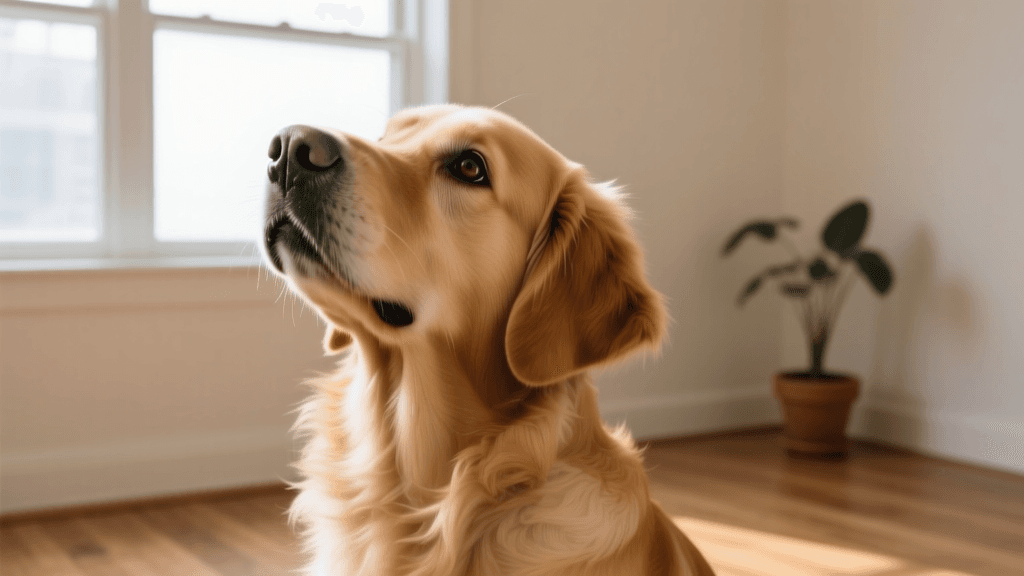
If you have ever spent more than five minutes with a dog, you have likely witnessed the infamous head tilt. It is one of the most endearing quirks in the canine repertoire, and consequently, it remains one of Google's most-asked questions regarding dog behavior. But is this charming gesture simply a plea for treats, or is there a deeper evolutionary and psychological mechanism at play? As it turns out, the answer is a fascinating mix of anatomy, sensory processing, and learned behavior. Understanding why your dog tilts their head can give you profound insights into their breed instincts, their empathy levels, and their unique way of navigating a human-centric world.
1. Adjusting Their Visual Field (The Muzzle Factor)
One of the most compelling scientific explanations for the canine head tilt comes from Dr. Stanley Coren's research published in Psychology Today. Dr. Coren hypothesized that a dog's muzzle actually obstructs their lower field of vision, specifically blocking their view of a human's mouth. Because dogs rely heavily on reading human facial expressions to gauge emotion and intent, the mouth is a critical data point. By tilting their head, dogs adjust their visual angle to see the lower half of your face more clearly.
To test this, Dr. Coren surveyed 582 dog owners and found a direct correlation between snout length and head-tilting frequency. Dogs with longer muzzles tilted their heads far more often than flat-faced breeds. You can even test this yourself: try speaking to your dog while holding your fist gently over their snout to simulate a longer muzzle, and watch as the head tilts become more frequent and pronounced.
| Breed Category | Snout Type | Examples | Head Tilt Frequency |
|---|---|---|---|
| Dolichocephalic | Long | Greyhound, Collie, German Shepherd | 71% frequently |
| Mesocephalic | Medium | Labrador Retriever, Beagle | 60% occasionally |
| Brachycephalic | Short/Flat | Pug, French Bulldog, Boxer | 52% rarely/sometimes |
2. Enhancing Auditory Reception and Sound Triangulation
Dogs possess an incredible auditory system, complete with 18 distinct muscles in each ear that allow them to swivel their pinnae (the outer ear flaps) like radar dishes. According to the American Kennel Club, when a dog hears a sound that is unfamiliar, faint, or coming from an unusual angle, they will tilt their head to adjust the position of their ears. This micro-adjustment helps them triangulate the exact location, distance, and nature of the sound. If you make a high-pitched noise, crinkle a treat bag from another room, or use a strange inflection in your voice, your dog's head tilt is essentially them 'tuning in' their biological satellite dishes to process the acoustic data more effectively.
3. Empathy and Emotional Contagion
Dogs are one of the only species that have evolved alongside humans for tens of thousands of years, developing a specialized form of cross-species empathy. Studies in canine psychology suggest that dogs tilt their heads when they are deeply engaged in trying to understand your emotional state. When you speak to your dog using 'dog-directed speech' (a higher-pitched, exaggerated tone similar to baby talk), your dog is actively trying to parse the emotional weight of your words. The head tilt is a physical manifestation of intense concentration and emotional attunement. They are listening not just to the command, but to the feeling behind it.
4. Positive Reinforcement: Did You Accidentally Train It?
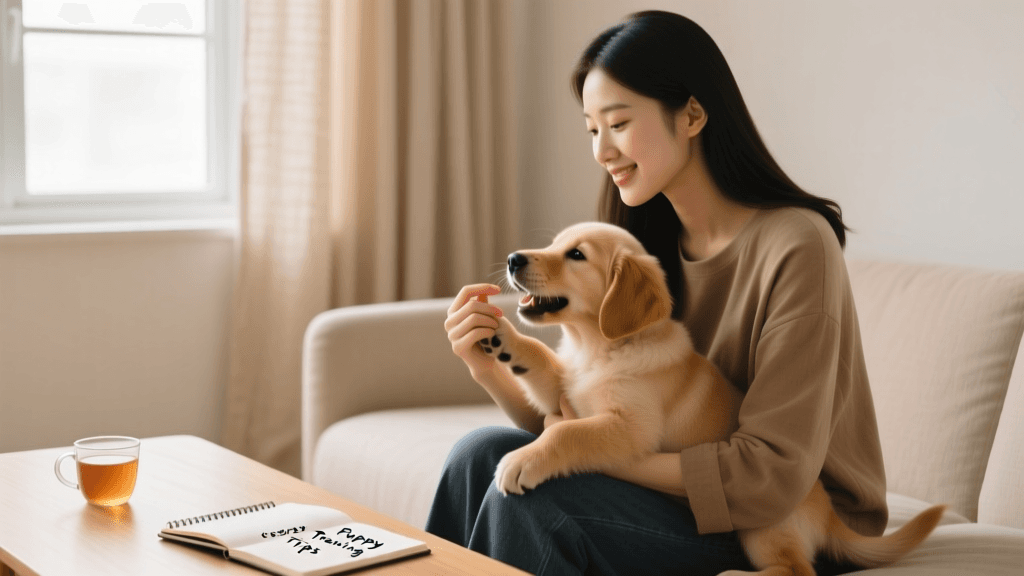
While anatomy and empathy provide the biological foundation for the head tilt, operant conditioning is what often turns it into a frequent habit. Dogs are masters of observing human reactions. The first time your dog tilted their head, you likely reacted with a burst of affection, a high-pitched 'Aww!', or perhaps even a treat.
If you rewarded this behavior with a high-value snack, like Zuke's Mini Naturals (which cost around $6 per 6oz bag and are excellent for quick training rewards), your dog immediately made a positive association. In dog training, timing is everything. If you deliver a treat or enthusiastic praise within 1 to 2 seconds of the head tilt, the behavior is reinforced. Over time, your dog learns that tilting their head is a reliable way to earn rewards, attention, and praise from their favorite human.
When a Head Tilt is a Medical Emergency
While a temporary, reactive head tilt is perfectly normal and healthy, a constant head tilt is a major red flag. If your dog's head remains tilted to one side regardless of their environment, or if they are not reacting to sounds or treats, this is not a behavioral quirk—it is a medical symptom.
A persistent tilt often indicates Idiopathic Vestibular Disease (often called 'Old Dog Vestibular Syndrome') or a severe inner ear infection. The vestibular system controls balance and spatial orientation. When compromised, dogs experience intense vertigo. According to VCA Animal Hospitals, symptoms to watch for include:
- Nystagmus: Rapid, involuntary flicking of the eyes from side to side.
- Ataxia: Stumbling, falling over, or walking in tight circles.
- Nausea: Drooling, lip smacking, or vomiting due to motion sickness.
Actionable Advice & Costs: If you observe these symptoms, do not wait. Schedule a veterinary exam immediately. A standard emergency or urgent care exam fee typically ranges from $50 to $150. If diagnosed with vestibular syndrome or an ear infection, your vet may prescribe an anti-nausea medication like Cerenia (costing roughly $40 to $80 depending on your dog's weight) and antibiotics if an infection is present. Keep your dog confined to a safe, padded area on the floor to prevent falls while they experience vertigo.
Summary: How to Test and Respond to Your Dog's Head Tilt
Understanding your dog's body language strengthens the bond you share. To actively engage your dog's cognitive and sensory processing, try these actionable steps:
- The Vocabulary Test: Say a word your dog does not know (e.g., 'kumquat' or 'television') using an enthusiastic, questioning tone. Observe if they tilt their head to process the novel sound.
- The Muzzle Block: Gently place a rolled-up sock or your hand over your dog's snout (without causing stress) and speak to them. Note if the angle and frequency of the tilt increase to compensate for the blocked lower vision.
- Reward Wisely: If you love the head tilt, continue to reward it with verbal praise and occasional treats. If it becomes excessive or annoying, simply ignore the behavior and only reward when all four paws are on the ground and their head is level.
Ultimately, the canine head tilt is a beautiful intersection of evolutionary biology, sensory adaptation, and the deep emotional connection between dogs and humans. The next time your furry friend cocks their head to the side, you will know exactly what they are trying to see, hear, and understand about you.
hannah-wickes
All our authors care for dogs every day — read more of their work on the authors page.