Canine Scent Work & Sniffari Walks: Bonding Guide 2026
Discover how Sniffari walks and birch oil scent work deepen your bond, reduce anxiety, and mentally stimulate your dog in 2026. Expert tips inside.
The Olfactory Brain: Why Smell is the Ultimate Bonding Tool
When we think of bonding with our dogs, we often picture games of fetch, cuddle sessions on the couch, or rigorous obedience training. However, true psychological bonding requires us to step into our dog's world—and their world is primarily experienced through their nose. A dog possesses up to 300 million olfactory receptors (compared to our mere 6 million), and the part of their brain dedicated to analyzing odors is proportionally 40 times greater than ours. According to research from the Barnard College Dog Cognition Lab, a dog's sense of smell is not just a tool for finding food; it is their primary method of gathering information, processing emotions, and understanding their environment.
When you engage your dog in scent-based activities, you are speaking their native language. This shared communication builds a profound layer of trust. You transition from being just a provider of food and shelter to a partner who facilitates their deepest biological needs. In 2026, veterinary behaviorists heavily emphasize olfactory enrichment as a cornerstone for managing canine anxiety, reactivity, and hyperactivity, making scent work an essential pillar of modern relationship building.
The 'Sniffari' Walk: Rewiring the Daily Stroll in 2026
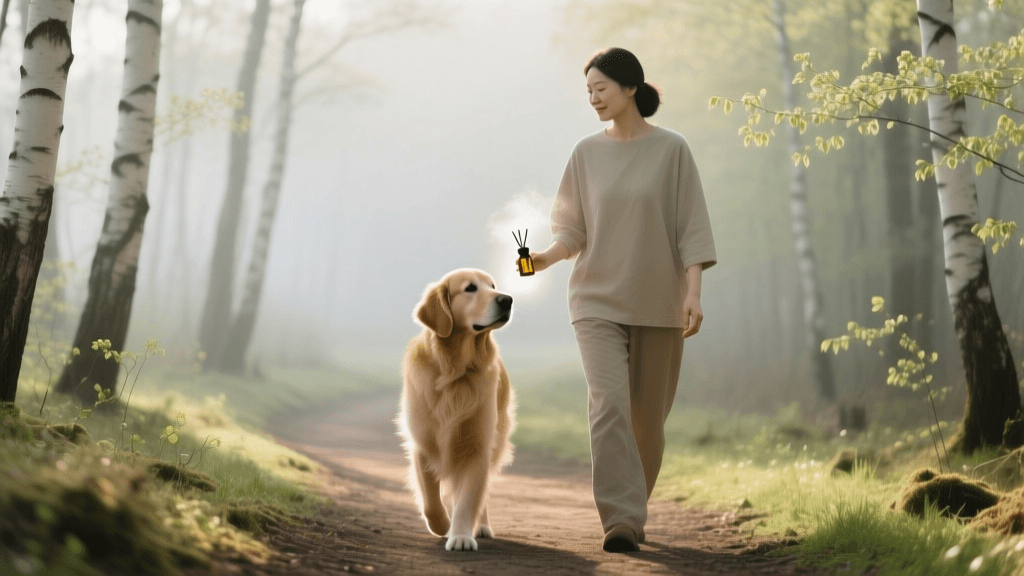
The traditional 'heel' walk has its place for safety and loose-leash training, but it does little for a dog's mental health. Enter the 'Sniffari'—a decompression walk where the dog dictates the pace and direction, and sniffing is the primary objective. During a Sniffari, a dog's heart rate actually decreases as the parasympathetic nervous system engages. They are essentially practicing canine mindfulness.
Essential Gear for Decompression Walks
To facilitate a proper Sniffari in 2026, you need gear that allows freedom of movement without sacrificing safety:
- 15 to 30-Foot Biothane Long Line: Modern biothane is lightweight, waterproof, and doesn't tangle like nylon. A 15-foot line is ideal for suburban areas, while 30 feet is perfect for open fields.
- Y-Shaped Harness: Harnesses with a Y-shaped front (like the Perfect Fit or Haqihana models) ensure the dog's shoulder joints are completely unrestricted, allowing them to stretch their neck to the ground comfortably.
- Treat Pouch with High-Value Rewards: Use a silicone, easy-to-clean pouch filled with novel, smelly treats (like freeze-dried beef liver or sardines) to reward 'checking in' with you during the walk.
During the walk, resist the urge to pull your dog away from a fascinating bush or fire hydrant. Let them process the 'pee-mail.' If they want to sniff a patch of grass for three minutes, let them. Your patience communicates that you respect their needs, which dramatically strengthens your bond.
Step-by-Step Birch Oil Scent Imprinting
While Sniffari walks utilize environmental scents, formal scent work involves teaching your dog to identify a specific target odor. Sweet Birch essential oil is one of the standard odors used in competitive nose work because it is distinct, safe when handled correctly, and highly motivating. The American Kennel Club (AKC) Guide to Nose Work highlights that scent imprinting builds immense confidence in shy or fearful dogs, as it gives them a 'job' where they are the experts and the handler is merely the support system.
Phase 1: Scent Association (The Hand Target)
You will need a 'scent tin' (a small metal tin with holes punched in the lid) and a cotton swab dipped in 100% therapeutic grade Sweet Birch essential oil. Never let the oil touch your dog's skin or nose directly.
- Place the scented cotton swab inside the tin and close it.
- Hold the tin in your hand and present it to your dog.
- The moment your dog's nose touches the tin or sniffs it closely, say 'Yes!' and feed a high-value treat directly at the source (near the tin).
- Repeat this 10-15 times per session. You are teaching the dog: 'This specific smell equals a jackpot reward.'
Phase 2: The Box Game
Once your dog is enthusiastically targeting the tin in your hand, it is time to introduce searching.
- Place 3 to 4 identical cardboard boxes in a quiet room.
- With your dog watching, place the scent tin inside one of the boxes.
- Release your dog with a cue like 'Find it!'
- When they investigate the correct box and linger at the source, mark with 'Yes!' and drop a handful of treats directly into the box.
- Shuffle the boxes and repeat, ensuring you do not accidentally cue the dog with your body language or eye contact. Let their nose do the work.
Reading Your Dog's Scent Body Language
A critical part of bonding through scent work is learning to read your dog's subtle body language when they catch a 'scent cone' (the invisible plume of odor traveling through the air). In 2026, force-free trainers emphasize observing these micro-expressions:
- The Head Snap: When a dog first catches a whiff of the target odor, you will often see a sudden, distinct snap of the head toward the source.
- Changes in Breathing: The dog will switch from a normal panting rhythm to rapid, shallow sniffs, sometimes followed by a deep, processing 'huff' to pull the scent into the vomeronasal organ.
- Tail Carriage Shifts: A dog on a scent trail often raises their tail and stiffens it slightly, indicating high focus and arousal. A tucked tail during scent work usually indicates confusion or frustration, signaling you need to make the hide easier.
- The 'Freeze': Right before indicating the source, many dogs will completely freeze, hovering their nose millimeters from the target. Recognizing this freeze allows you to reward at the exact moment of success, preventing frustration.
Mental vs. Physical Fatigue: The Data
Many owners believe a tired dog is a good dog, leading them to over-exercise their pets physically. However, mental fatigue achieved through scent work is vastly more effective for behavioral balance. Below is a comparison of fatigue types based on current canine sports science metrics:
| Activity Type | Duration | Primary Energy System | Post-Activity Behavior |
|---|---|---|---|
| Brisk Leash Walking | 60 Minutes | Physical (Aerobic) | Dog may still seek mental stimulation; prone to barking or pacing if under-stimulated mentally. |
| Sniffari Walk | 30 Minutes | Sensory / Mild Physical | Dog is relaxed, heart rate lowered, highly receptive to resting and bonding. |
| Formal Scent Work | 15 Minutes | Cognitive (Intense Focus) | Dog exhibits deep sleep patterns; equivalent to hours of physical running in terms of caloric brain burn. |
Troubleshooting Common Scent Work Hurdles
Even with the best intentions, you may encounter friction during training. Here is how to handle common issues while preserving your bond:
The Dog Uses Eyes Instead of Nose: If your dog is watching where you hide the treat or box, you are moving too fast. Go back to Phase 1 and do the hides behind a barrier or in another room so they cannot rely on visual memory. Scent work requires trust; if they feel tricked, they will disengage.
Frustration and Barking: If your dog barks at the boxes or paws aggressively, the criteria is too high. Make the hide incredibly easy (e.g., leaving the tin half-out of the box) to rebuild their confidence. Never scold a dog for frustration in scent work; instead, lower the difficulty and end on a massive jackpot reward.
Building a 2026 Weekly Bonding Routine
To integrate this into your life, aim for a balanced weekly routine that prioritizes the nose. A sample schedule for a healthy adult dog might look like this:
- Monday & Wednesday: 20-minute Sniffari walk in a novel environment (a new park or quiet trail).
- Tuesday & Thursday: 10-15 minutes of indoor Birch Oil Box Game before dinner.
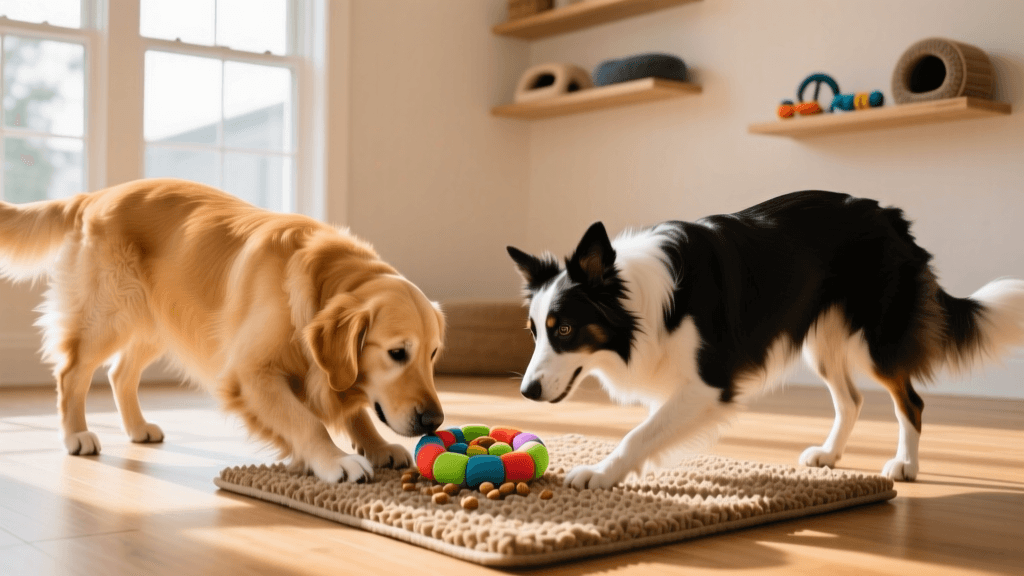
- Friday: Rest day with passive enrichment (e.g., a frozen Kong or snuffle mat).
- Saturday: Advanced outdoor hide-and-seek using the scent tin in the backyard.
- Sunday: Decompression day with gentle massage and unstructured cuddle time.
By dedicating time to understand and engage your dog's olfactory system, you are doing more than just teaching a trick. You are validating their biological identity. In the fast-paced world of 2026, slowing down to let your dog sniff is one of the most profound acts of love and respect you can offer, resulting in a calmer, happier, and deeply bonded companion.
robin-maitland
All our authors care for dogs every day — read more of their work on the authors page.