2026 Guide: Preventing Dog Separation Anxiety With Smart Safe Spaces
Learn how to set up a smart safe space and use a 14-day training protocol to prevent separation anxiety in your newly adopted dog in 2026.
The Reality of Leaving Your New Dog Alone
Bringing a new dog into your home is one of the most rewarding experiences in life, but it comes with a significant responsibility: teaching your new companion how to be comfortably alone. As hybrid and return-to-office work models continue to dominate the professional landscape in 2026, the abrupt transition from constant human presence to hours of solitude has become a primary trigger for canine stress. According to recent veterinary behavior surveys, separation-related behaviors remain one of the top reasons dogs are surrendered to shelters within their first six months of adoption.
However, separation anxiety is not an inevitable consequence of dog ownership. By proactively designing a "smart safe space" and implementing a structured alone-time protocol from day one, you can build your dog's independence and emotional resilience. This guide will walk you through the exact physical setups, 2026 smart-home technologies, and daily training progressions required to ensure your new dog thrives even when you are not in the room.
Understanding the Canine Transition Period
The first 30 days in a new home are often referred to as the "honeymoon period." During this time, a newly adopted dog may appear unusually calm, quiet, or compliant. Many new owners mistake this decompression phase for a naturally relaxed temperament and assume it is safe to leave the dog alone for eight hours while they run errands or return to the office. This is a critical mistake.
When the honeymoon period ends and the dog's true personality emerges, the sudden realization that they are trapped in an unfamiliar environment without their new bonded human can trigger severe panic. To prevent this, you must establish a predictable routine and a designated safe zone before the dog's true baseline behavior surfaces. The goal is not to isolate the dog, but to create a sanctuary where solitude is associated with positive, calming experiences.
Designing the Physical Safe Space
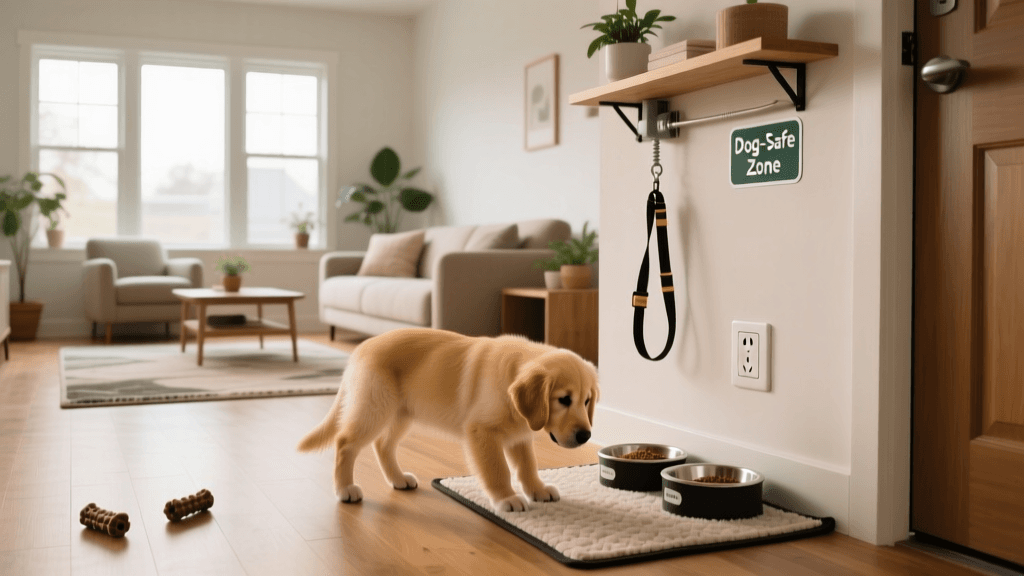
A safe space is not a punishment zone; it is a canine bedroom. For a new dog, an open-concept house is overwhelmingly large and difficult to patrol, which can actually increase anxiety. You need to shrink their world to a manageable size.
1. The Exercise Pen Configuration
Instead of relying solely on a closed crate, which can induce claustrophobia in some rescue dogs, use a heavy-duty metal exercise pen (x-pen) to create a 4x4 foot or 4x8 foot enclosure in a low-traffic area of your home, such as a corner of the living room or a spare bedroom. This provides enough room for the dog to stretch, play, and choose where to rest, while preventing them from pacing or engaging in destructive behaviors like chewing baseboards.
2. Strategic Bedding and Enrichment
Outfit the pen with an elevated, chew-resistant cot (such as the Coolaroo Elevated Pet Bed) rather than a plush mattress, which can be shredded and ingested by a stressed dog. Anchor a Lickimat Soother or a frozen Kong to the side of the pen using a carabiner. Licking and chewing are self-soothing behaviors that release endorphins in a dog's brain, naturally lowering their heart rate and cortisol levels.
3. Scent and Sound Anchoring
Dogs experience the world primarily through their noses. Place a worn t-shirt that smells like you in their sleeping area. Pair this with a Snuffle Mat scattered with high-value, low-calorie treats to encourage natural foraging behaviors. For auditory masking, use a dedicated white noise machine or a smart speaker playing continuous brown noise, which is highly effective at drowning out triggering outdoor sounds like delivery trucks or neighborhood dogs.
Integrating 2026 Smart Technology
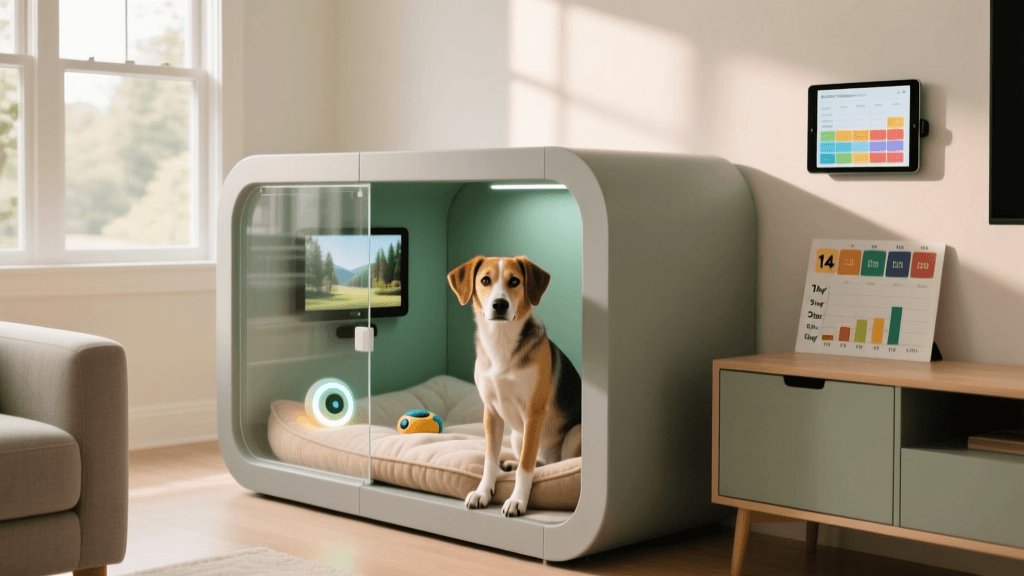
The pet tech industry has advanced significantly, offering tools that allow you to monitor and soothe your dog remotely. Integrating these devices into your safe space provides an extra layer of security and behavioral data.
- Two-Way Treat Cameras: The latest iterations of the Furbo 360 Pro and PetCube Bites 3 feature auto-patrol and AI-driven bark alerts. In 2026, these cameras can distinguish between a playful "boof" and a distressed, continuous bark, sending targeted push notifications to your phone so you can intervene via the two-way speaker and treat tosser before a panic spiral begins.
- Smart Pheromone Diffusers: Devices like the Adaptil Smart Diffuser now integrate with home automation systems. You can schedule the diffuser to release synthetic dog-appeasing pheromones (which mimic the calming pheromones of a nursing mother) 15 minutes before your scheduled departure, pre-conditioning the dog to associate the scent with a relaxed state.
- Automated Enrichment Toys: Timed puzzle feeders can be programmed to dispense kibble at randomized intervals throughout your absence, breaking up the monotony of alone time and keeping the dog's brain engaged in problem-solving rather than fixating on your return.
The 14-Day Alone-Time Progression Protocol
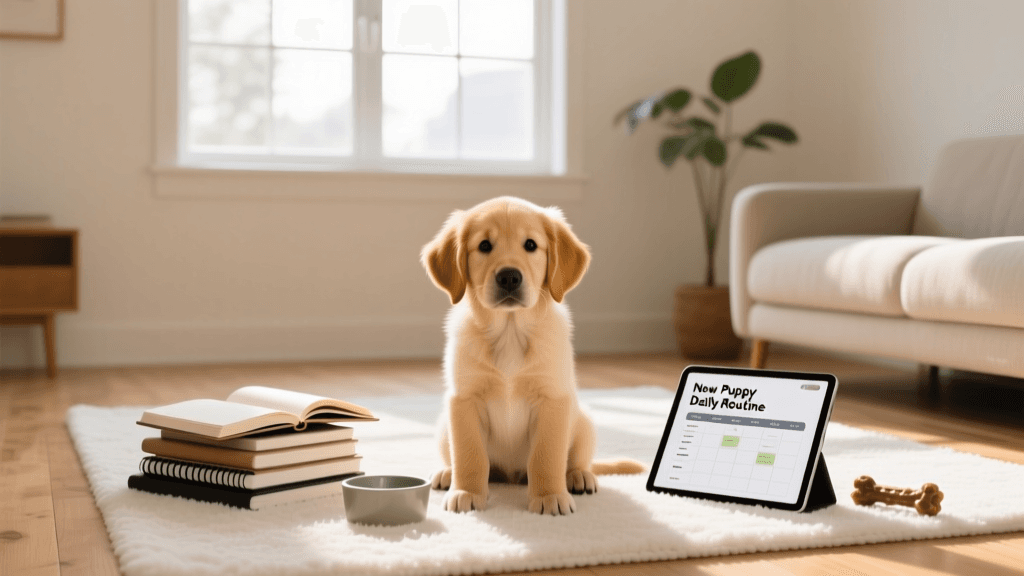
You cannot teach a dog to tolerate eight hours of solitude by simply walking out the door for eight hours. Alone time is a muscle that must be built incrementally. Below is a structured 14-day protocol designed to build your dog's confidence without triggering their panic threshold.
| Phase | Days | Duration Alone | Owner Location | Primary Enrichment Tool |
|---|---|---|---|---|
| Phase 1: Micro-Absences | 1 - 3 | 5 to 15 minutes | Just outside the front door | Frozen Kong (Peanut Butter) |
| Phase 2: Short Errands | 4 - 7 | 20 to 45 minutes | Driving around the block / Coffee run | Snuffle Mat with high-value treats |
| Phase 3: Moderate Absences | 8 - 11 | 1 to 2 hours | Grocery store / Gym | Automated puzzle feeder |
| Phase 4: Workday Simulation | 12 - 14 | 3 to 4 hours | Co-working space or friend's house | Lickimat + Smart Camera monitoring |
Crucial Rule: Never let your dog out of the safe space while they are crying, barking, or scratching at the gate. Doing so teaches them that vocalization and panic are the keys to unlocking the door and summoning you. Always wait for a minimum of 10 seconds of complete silence before opening the gate.
Differentiating Boredom from Clinical Anxiety
It is vital for new owners to understand the difference between a dog who is simply bored and one who is experiencing clinical separation anxiety. According to the ASPCA, true separation anxiety is characterized by extreme distress behaviors that occur exclusively when the dog is left alone or separated from their primary attachment figure. These behaviors include frantic escape attempts (resulting in broken teeth or damaged claws), excessive drooling, inappropriate elimination despite being house-trained, and self-mutilation.
If your dog chews up a pair of shoes but then takes a nap on the couch, they are likely bored or under-exercised, not suffering from separation anxiety. The American Kennel Club emphasizes that while boredom can be cured with more physical exercise and mental stimulation, true separation anxiety requires a dedicated behavioral modification plan and, in severe cases, anti-anxiety medication prescribed by a veterinarian. If you review your smart camera footage and see your dog pacing relentlessly, panting heavily, and ignoring high-value food treats the moment you leave, you must consult a certified veterinary behaviorist immediately. The Humane Society of the United States also recommends avoiding punishment for anxiety-related destruction, as this only exacerbates the underlying panic and damages the trust between you and your dog.
Budgeting for Your Dog's Mental Wellness in 2026
Preventing behavioral issues is significantly cheaper than rehabilitating them. When preparing your home for a new dog, allocate a specific budget for alone-time management. Here is a realistic breakdown of the initial setup costs for a modern, anxiety-resistant safe space:
- Heavy-Duty Metal X-Pen (8 panels): $65 - $90
- Elevated Chew-Proof Cot: $45 - $75
- Smart Treat Camera (e.g., Furbo/PetCube): $150 - $220
- Adaptil Smart Pheromone Diffuser (Starter Kit): $35 - $50
- Enrichment Bundle (Lickimat, Kong, Snuffle Mat): $40 - $60
- White Noise Machine: $25 - $40
Total Estimated Investment: $360 - $535. While this may seem like a premium upfront cost, compare it to the cost of replacing destroyed furniture, paying for emergency veterinary visits for ingested foreign objects, or hiring a private behaviorist at $150+ per hour. Investing in your dog's mental wellness infrastructure from day one is one of the smartest financial decisions a new pet parent can make.
Final Thoughts on Fostering Independence
Getting a dog is a commitment to their physical and emotional well-being. By utilizing a structured safe space, leveraging modern smart-home technology, and respecting the 14-day alone-time progression protocol, you are giving your new companion the greatest gift possible: the confidence to feel secure in their own skin, even when you are not there to hold their paw. Patience, consistency, and proactive environmental management are the cornerstones of a happy, well-adjusted dog in 2026 and beyond.
marcus-aldridge
All our authors care for dogs every day — read more of their work on the authors page.