2026 Guide: Curing Dog Separation Anxiety With Smart Dispensers
Discover how to cure canine separation anxiety in 2026 using smart treat dispensers and systematic departure cue desensitization protocols.
Understanding Separation Anxiety in the 2026 Landscape
As hybrid work models and flexible office schedules continue to evolve in 2026, canine separation anxiety remains one of the most pressing behavioral challenges for modern dog owners. Unlike general boredom or mild isolation distress, true separation anxiety is a severe panic disorder. Dogs suffering from this condition experience an overwhelming, involuntary spike in cortisol and adrenaline the moment they perceive that their primary attachment figure is about to leave. This results in destructive behaviors, excessive vocalization, inappropriate elimination, and in severe cases, self-injury as the dog attempts to escape confinement.
According to the ASPCA, separation anxiety is triggered when a dog becomes hyper-attached to their owner and lacks the coping mechanisms to self-soothe during absences. Traditional training methods often fail because they attempt to address the symptom (the barking or chewing) rather than the root cause (the panic response). In 2026, the gold standard for treating this condition involves a combination of systematic desensitization, counter-conditioning, and the strategic use of smart home technology to deliver remote reinforcement.
The Neurological Impact of Departure Cues
Dogs are masters of predictive associations. Long before you actually walk out the front door, your dog has already observed a sequence of 'departure cues' that signal your impending absence. These cues might include putting on your shoes, picking up your car keys, grabbing your coat, or even applying sunscreen. For a dog with separation anxiety, these cues trigger an immediate neurological panic response. By the time you actually leave, the dog is already in a state of high arousal, making it impossible for them to learn or relax.
The core of the smart dispenser departure cue desensitization protocol is to systematically dismantle these predictive associations. By pairing traditionally stressful triggers with high-value rewards delivered via a smart treat dispenser, we can rewire the dog's emotional response. The goal is to shift the dog's internal monologue from 'My human is leaving, and I am in danger' to 'My human is doing the shoe routine, which means a high-value treat is about to launch from the camera.'
Top Smart Treat Dispensers for Alone Time Training in 2026
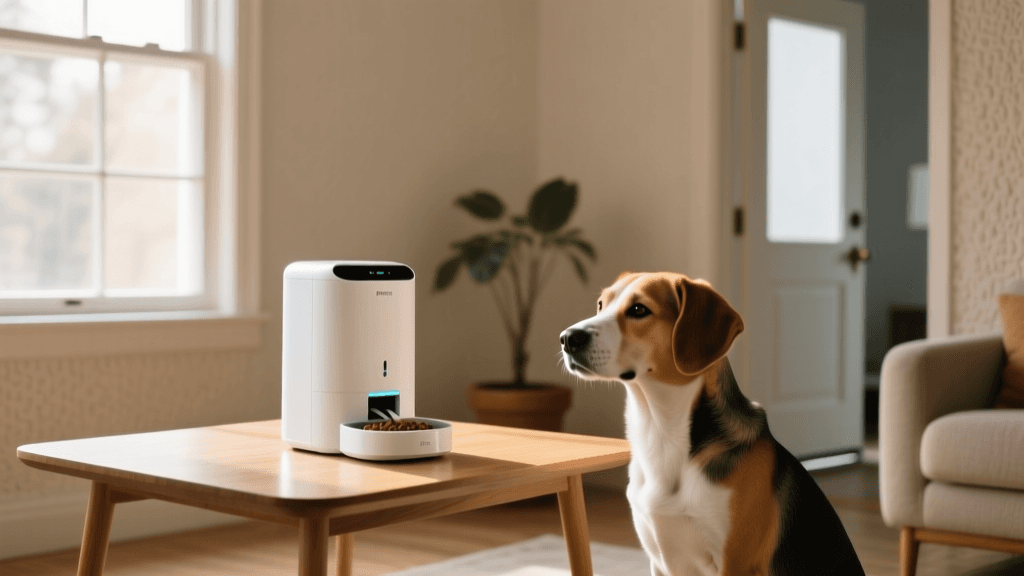
To successfully execute remote counter-conditioning, you need a reliable device capable of delivering treats on demand via a smartphone application. The 2026 market features several advanced models equipped with AI-driven behavioral alerts, high-definition two-way audio, and precise treat-tossing mechanisms. Below is a comparison of the top three smart dispensers recommended by certified veterinary behaviorists this year.
| Device Model (2026) | Key Features for Anxiety Training | Camera Quality & Field of View | Approximate Retail Price |
|---|---|---|---|
| Furbo 4 Pro | AI separation anxiety alerts, auto-toss scheduling, variable treat distance, bark recognition | 2K HD, 160-degree wide angle with night vision | $219 |
| Petcube Bites 3 Lite | 180-degree treat tossing, dual-band Wi-Fi stability, Alexa integration for voice routines | 1080p HD, 160-degree diagonal view | $179 |
| Eufy Pet Smart Dispenser | Local storage (no cloud fees), precise portion control, low-latency app response | 1080p HD, 120-degree view with privacy shutter | $129 |
When selecting a device, prioritize app latency and treat-tossing reliability. If the app lags when you attempt to dispense a treat during a critical micro-departure, you risk missing the optimal window for counter-conditioning.
Step-by-Step Protocol: Integrating Tech with Behavioral Conditioning
The following protocol is designed to be executed over several weeks. Patience is paramount. If your dog shows signs of stress at any point, you have progressed too quickly and must return to the previous successful step.
Phase 1: Baseline Threshold Testing and Camera Placement
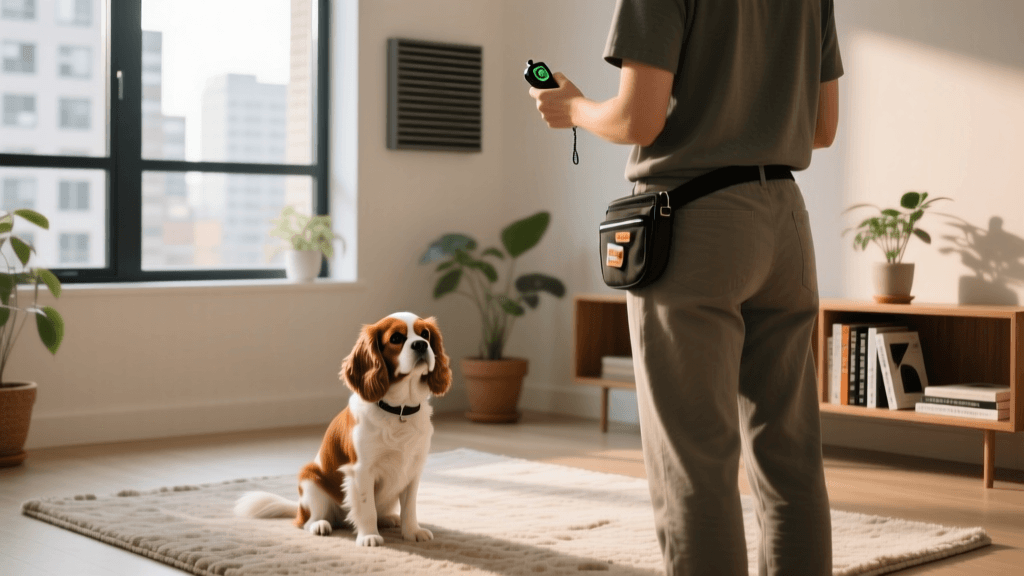
Before beginning active training, set up your smart dispenser in the area where your dog typically rests when you are home. Spend three to five days simply tossing treats randomly while you are sitting on the couch. This builds a strong positive association with the device itself. Next, identify your dog's specific departure cues. Make a list of every action you take before leaving the house. During this phase, do not actually leave the house. Simply perform one cue (e.g., picking up your keys), immediately toss a high-value treat (like freeze-dried liver or boiled chicken) via the app, and then put the keys down. Repeat this until the dog shows zero signs of arousal when the cue is performed.
Phase 2: Micro-Departures and Automated Reinforcement
Once your dog is completely relaxed with all departure cues, you will begin micro-departures. A micro-departure involves stepping out of the dog's line of sight for a duration so short that the dog does not have time to experience panic.
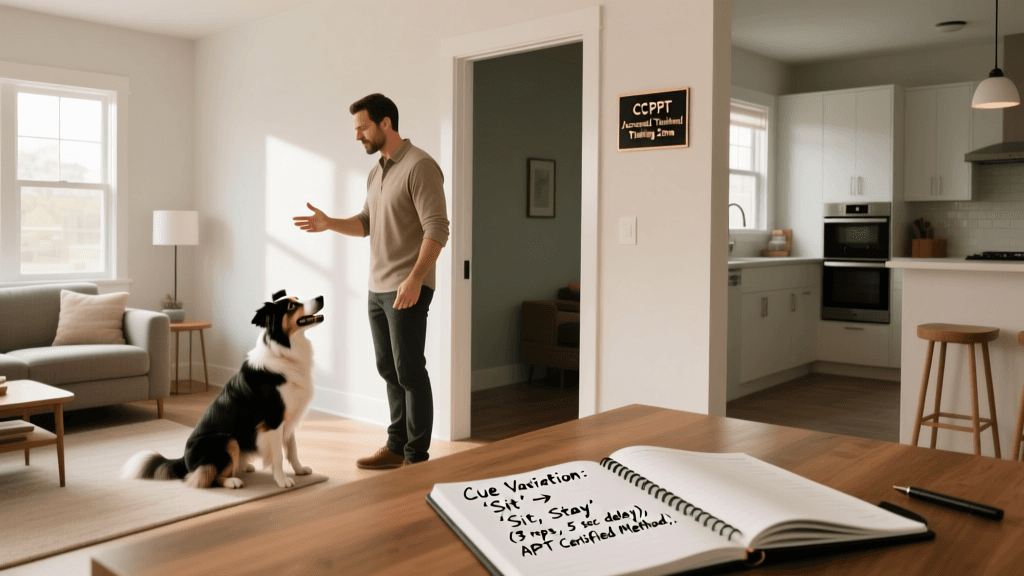
- Step 1: Perform your departure cues, toss a treat, walk to the door, open it, step outside, and immediately close it. Return inside within two seconds.
- Step 2: Toss another treat via the app the moment you re-enter, keeping your greeting incredibly low-key. The Humane Society of the United States strongly advises against making a fuss when leaving or returning, as this amplifies the contrast between your presence and absence.
- Step 3: Gradually increase the time outside from two seconds to five seconds, then ten seconds, then thirty seconds. Use your smartphone app to monitor the camera feed. If your dog paces, whines, or exhibits lip-licking and yawning (calming signals indicating stress), you have exceeded their threshold. Return inside immediately and shorten the duration for the next session.
Phase 3: Extending Duration and Fading the Tech
As your dog successfully tolerates absences of one to five minutes, you can begin to extend the duration. During these longer absences, use the smart dispenser's automated scheduling feature to toss a treat every three to five minutes. This prevents the dog from anticipating a specific time limit and keeps them engaged in a state of relaxed foraging. Once your dog can comfortably handle a 30-minute absence without displaying anxiety signals, you can begin to fade the use of the technology. Slowly increase the interval between automated treat tosses until the device is no longer necessary for short errands.
Environmental Enrichment vs. Tech Dependency
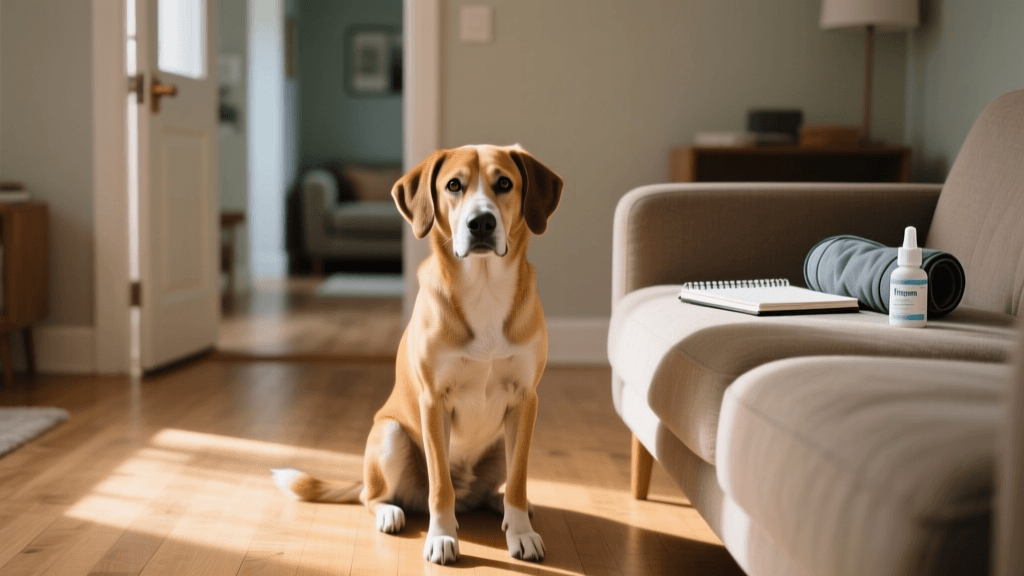
While smart treat dispensers are invaluable for active desensitization, they should not replace foundational environmental enrichment. Dogs with separation anxiety benefit immensely from 'decompression activities' that encourage natural foraging and chewing behaviors, which naturally release endorphins. In 2026, veterinary behaviorists recommend pairing your tech-based training with long-lasting consumable chews, such as Yak cheese chews or collagen sticks, and frozen lick mats filled with bone broth and goat milk. These items should be presented exclusively when you leave the house, creating a secondary positive association with your departure. However, always ensure your dog is fully supervised with chews during the initial training phases to prevent choking hazards.
Adjunct Therapies: Pheromones and Calming Wearables
For dogs with severe baseline anxiety, behavioral conditioning alone may not be enough to lower their arousal threshold sufficiently for learning to occur. In these cases, adjunct therapies are highly recommended. The latest iterations of synthetic dog-appeasing pheromone (DAP) diffusers, such as the 2026 Adaptil Optimum models, have shown improved efficacy in creating a baseline sense of security in the dog's primary resting area. Additionally, deep-pressure therapy garments like the ThunderShirt provide gentle, constant pressure that has a calming effect on the canine nervous system, similar to swaddling an infant. These tools should be introduced during positive, low-stress times at home before being utilized during departure training.
When to Consult a Certified Veterinary Behaviorist
It is crucial to recognize the limits of at-home training. If your dog is engaging in self-mutilation, breaking teeth on crates, or experiencing panic attacks that do not respond to systematic desensitization after several weeks, you must seek professional help. The American Kennel Club notes that severe separation anxiety often requires pharmacological intervention. A board-certified veterinary behaviorist can prescribe anti-anxiety medications, such as SSRIs or fast-acting situational anxiolytics, which lower the dog's panic threshold enough to allow the behavioral modification protocols to take effect. Medication is not a failure of training; it is a necessary medical intervention for a neurological panic disorder.
By combining the precision of 2026 smart home technology with evidence-based behavioral science, you can systematically dismantle your dog's separation anxiety. Consistency, patience, and a deep understanding of your dog's stress signals are the keys to helping your canine companion find peace and independence when left alone.
priya-sutaria
All our authors care for dogs every day — read more of their work on the authors page.