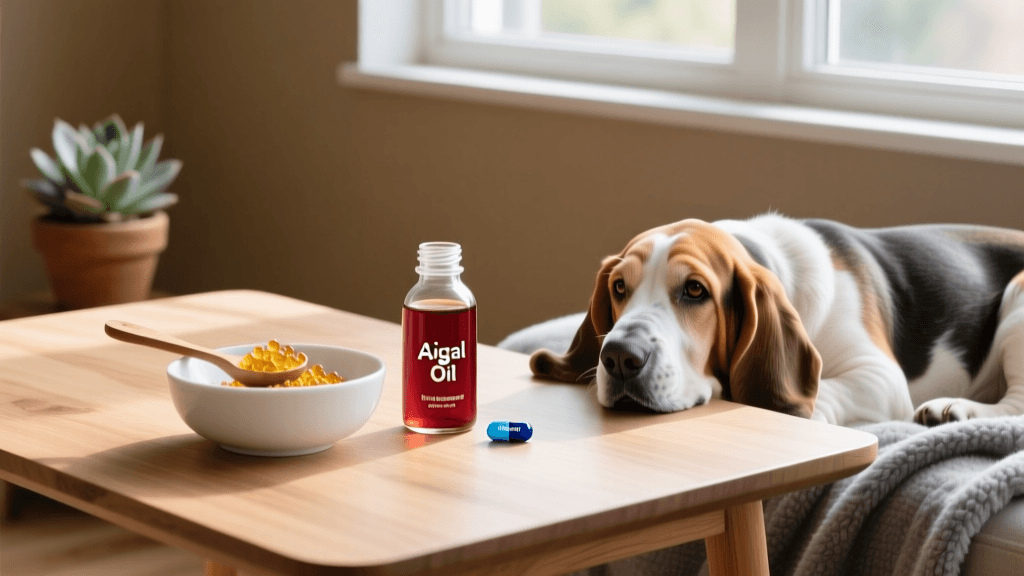
Top Omega-3 Oils for Senior Dog Joints & Cognition in 2026
Discover the exact EPA and DHA dosing for senior dogs in 2026. Compare krill, salmon, and algal oils for joint pain and cognitive support.
The 2026 Consensus on Canine Omega-3 Fatty Acids
As we navigate the veterinary nutrition landscape in 2026, the conversation surrounding canine joint health and cognitive decline has shifted dramatically. Gone are the days when veterinarians simply recommended 'adding a pump of fish oil' to your dog's bowl. Today, board-certified veterinary nutritionists emphasize targeted, weight-based dosing of specific Omega-3 fatty acids to manage osteoarthritis and Canine Cognitive Dysfunction (CCD). For senior dogs, the right balance of these essential fats can mean the difference between a sedentary, painful retirement and an active, mentally sharp golden age.
According to the American Kennel Club, Omega-3s are crucial for reducing systemic inflammation, supporting cellular health, and maintaining neural pathways. However, not all Omega-3 supplements are created equal, and the source of the oil drastically impacts its bioavailability and safety profile. In this comprehensive guide, we break down the exact dosing protocols, compare the top oil sources available on the market this year, and highlight the hidden dangers of lipid oxidation.
EPA vs. DHA: Targeting Joints and the Aging Brain
When discussing Omega-3s for dogs, we are primarily concerned with two long-chain polyunsaturated fatty acids: Eicosapentaenoic acid (EPA) and Docosahexaenoic acid (DHA). While both are vital, they serve distinctly different therapeutic roles in the aging canine body.
- EPA (Eicosapentaenoic Acid): This is the primary anti-inflammatory powerhouse. EPA competes with arachidonic acid (an Omega-6 fatty acid) for the same metabolic enzymes, effectively down-regulating the production of pro-inflammatory prostaglandins and leukotrienes. For senior dogs suffering from osteoarthritis, hip dysplasia, or inflammatory bowel disease, high-EPA formulations are the gold standard for pain management and joint preservation.
- DHA (Docosahexaenoic Acid): DHA is a major structural component of the mammalian brain and retina. In 2026, veterinary neurologists heavily rely on DHA-rich protocols to slow the progression of Canine Cognitive Dysfunction (the canine equivalent of Alzheimer's disease). DHA supports synaptic plasticity, helps maintain cell membrane fluidity in neurons, and has been shown to improve spatial awareness and reduce sundowning behaviors in elderly dogs.
Because the body cannot synthesize these fatty acids efficiently on its own, they must be provided through the diet. However, plant-based sources like flaxseed oil contain ALA (Alpha-linolenic acid), which dogs are notoriously poor at converting into EPA and DHA. Therefore, direct marine or algal sources remain the only reliable option for therapeutic intervention.
2026 Veterinary Dosing Guidelines for Osteoarthritis
One of the most common mistakes pet parents make is under-dosing. The amount of Omega-3 required to achieve a therapeutic anti-inflammatory effect is significantly higher than the amount needed merely to prevent a nutritional deficiency. The WSAVA Global Nutrition Toolkit and recent veterinary consensus panels recommend dosing based on metabolic body weight rather than linear weight, though linear weight charts provide a safe and practical baseline for owners.
Seminal research published in the National Institutes of Health established the foundational dosages for canine osteoarthritis, which continue to guide 2026 clinical practices. The target therapeutic dose for joint inflammation is generally between 50 to 75 mg of combined EPA and DHA per kilogram of body weight daily.
| Dog Weight (lbs) | Dog Weight (kg) | Target EPA+DHA (mg/day) | Approx. High-Potency Salmon Oil (ml) |
|---|---|---|---|
| 10 - 20 lbs | 4.5 - 9 kg | 225 - 450 mg | 1.5 - 3.0 ml |
| 21 - 40 lbs | 9.5 - 18 kg | 475 - 900 mg | 3.2 - 6.0 ml |
| 41 - 60 lbs | 18.6 - 27 kg | 930 - 1350 mg | 6.2 - 9.0 ml |
| 61 - 80 lbs | 27.7 - 36 kg | 1385 - 1800 mg | 9.2 - 12.0 ml |
| 81 - 100 lbs | 36.8 - 45 kg | 1840 - 2250 mg | 12.3 - 15.0 ml |
Note: Always check the specific supplement's label for the exact EPA/DHA concentration per milliliter, as potency varies wildly between brands in 2026.
Salmon vs. Krill vs. Algal Oil: A 2026 Sourcing Comparison
The market for canine Omega-3s has expanded significantly. Choosing the right vehicle for these fatty acids depends on your dog's specific health profile, allergies, and your personal sustainability preferences.
| Oil Type | Molecular Form | Key Benefits & Drawbacks | 2026 Sustainability Rating |
|---|---|---|---|
| Wild Salmon Oil | Triglyceride | Pros: High EPA/DHA, widely available, palatable. Cons: Prone to oxidation, larger molecular size may slow absorption. | Moderate (Depends on MSC certification) |
| Antarctic Krill Oil | Phospholipid | Pros: Superior cellular absorption, contains Astaxanthin (a potent antioxidant), naturally resists rancidity. Cons: More expensive, lower total EPA/DHA per ml. | High (Strictly regulated krill harvesting) |
| Algal Oil (Vegan) | Triglyceride | Pros: Zero heavy metal risk, excellent DHA profile, hypoallergenic (no fish proteins). Cons: Often lower in EPA, requires specialized cultivation facilities. | Very High (Lab-grown, zero ocean impact) |
For senior dogs with severe cognitive decline, a blend that heavily features DHA (such as Algal or specific deep-water fish oils) is ideal. For dogs with severe osteoarthritis, Krill oil's phospholipid structure allows for faster integration into inflamed joint tissues, making it a premium choice for mobility support.
The Hidden Danger: Lipid Oxidation and Rancidity
The most critical, yet frequently overlooked, aspect of Omega-3 supplementation in 2026 is lipid oxidation. Polyunsaturated fats are highly unstable and react rapidly with oxygen, heat, and light. When fish oil oxidizes, it turns rancid, forming harmful free radicals and lipid peroxides. Feeding rancid oil to your dog does not reduce inflammation; it actually causes systemic oxidative stress, potentially damaging the liver and exacerbating joint degradation.
To ensure you are not inadvertently harming your pet, follow these strict storage and purchasing rules:
- Avoid Clear Bottles: Only purchase oils housed in opaque, UV-protected bottles or dark amber glass.
- Demand Pump Dispensers or Nitrogen Flushing: Pumps that prevent air from entering the bottle are vastly superior to pour-spout caps. Some premium 2026 brands use nitrogen-flushing during bottling to displace oxygen entirely.
- Refrigerate After Opening: Liquid fish and krill oils must be kept in the refrigerator immediately after breaking the seal. Discard any liquid oil that has been open for more than 90 days.
- The 'Sniff Test': Fresh marine oil should smell mildly of the ocean or seaweed. If it smells sharply of rotting fish, sour apples, or paint thinner, it is rancid and must be thrown away immediately.
Contraindications and Drug Interactions
While Omega-3s are generally safe, their potent anti-inflammatory properties mean they can interact with certain medications commonly prescribed to senior dogs. High doses of EPA and DHA possess mild anticoagulant (blood-thinning) effects. If your dog is currently taking NSAIDs (like Carprofen or Meloxicam), corticosteroids, or prescription blood thinners, you must consult your veterinarian before initiating a high-dose Omega-3 protocol.
Furthermore, because Omega-3s alter the body's inflammatory response, veterinary surgeons in 2026 routinely recommend discontinuing all fish, krill, and algal oil supplements at least 10 to 14 days prior to any scheduled surgical procedure, including routine dental extractions, to prevent excessive intra-operative bleeding.
How to Safely Introduce Omega-3s to Your Senior Dog
Sudden introduction of high-fat supplements can trigger gastrointestinal upset, including diarrhea, steatorrhea (fatty stools), and in severe cases, acute pancreatitis—especially in senior dogs with compromised digestive systems or a history of dietary indiscretion. To avoid this, you must titrate the dose gradually over a three-week period.
- Week 1 (Acclimation): Administer 25% of the target therapeutic dose. Monitor stool quality and appetite closely.
- Week 2 (Escalation): If stools remain firm and digestion is normal, increase to 50% of the target dose.
- Week 3 (Finalization): Increase to 75% of the target dose. If tolerated well, move to the full 100% therapeutic dose by day 21.
Always administer Omega-3 oils alongside a substantial meal rather than on an empty stomach. Mixing the oil thoroughly into wet food or coating kibble ensures the fats are properly emulsified with other dietary components, optimizing digestion and absorption. By respecting the science of dosing, prioritizing freshness, and choosing the right source for your dog's specific needs, you can harness the full, restorative power of Omega-3s to keep your senior companion thriving well into their twilight years.
beth-carrasco
All our authors care for dogs every day — read more of their work on the authors page.