Senior Dog Care Guide: Managing Joints and Brain Health
Discover essential senior dog care tips for managing joint pain and cognitive decline. Learn about supplements, diet, and vet care for aging dogs.
Defining the Senior Life Stage
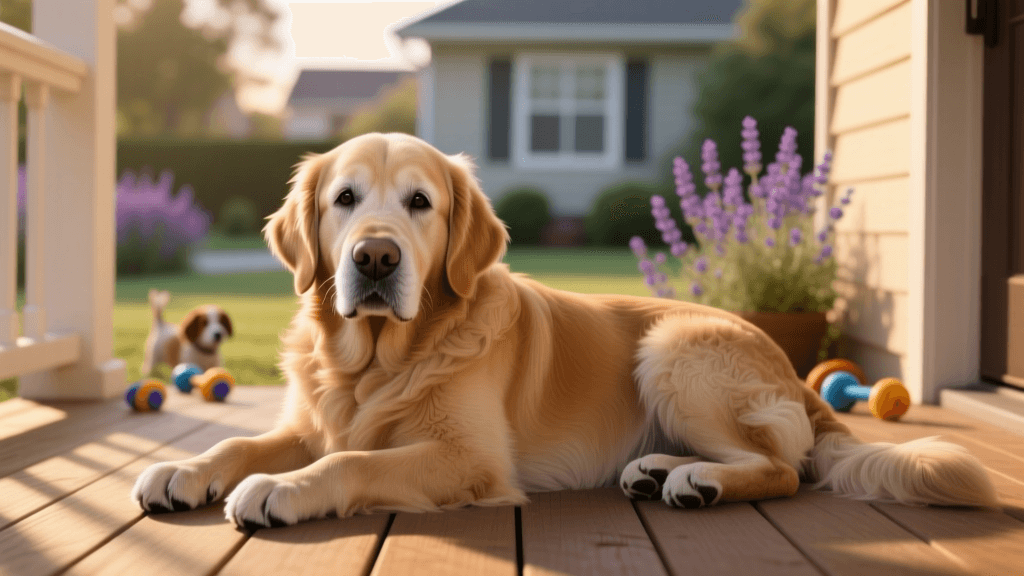
As much as we wish our canine companions could stay young forever, aging is an inevitable part of the life cycle. However, the transition into the 'senior' life stage is not a one-size-fits-all milestone. While many pet owners assume a dog becomes a senior at age seven, veterinary science tells a more nuanced story. A dog's aging process is heavily influenced by their breed, genetics, and most notably, their adult size. Larger breeds age significantly faster than smaller breeds due to the accelerated growth rates they experience during their first year of life.
Understanding when your dog enters their golden years is the first step in implementing proactive life stage care. Early intervention in senior care can add years to your dog's life and, more importantly, add life to their years. Below is a general guideline to help you identify when your dog transitions into seniorhood based on their weight class.
| Size Category | Adult Weight | Senior Age Threshold | Common Breeds |
|---|---|---|---|
| Small | Under 20 lbs | 10 - 12 Years | Chihuahua, Toy Poodle, Pomeranian |
| Medium | 21 - 50 lbs | 8 - 10 Years | Beagle, Cocker Spaniel, Bulldog |
| Large | 51 - 90 lbs | 7 - 9 Years | Labrador Retriever, Golden Retriever |
| Giant | Over 90 lbs | 5 - 7 Years | Great Dane, Mastiff, Saint Bernard |
Once your dog crosses these thresholds, their physiological needs shift dramatically. The two most pervasive and impactful health challenges you will face during this life stage are osteoarthritis (joint degeneration) and Canine Cognitive Dysfunction (CCD). Let us explore actionable, practical strategies to manage both conditions effectively.
Tackling Osteoarthritis and Joint Mobility
Osteoarthritis (OA) is a degenerative joint disease that affects an estimated 80% of dogs over the age of eight. According to the American Animal Hospital Association (AAHA), OA is often underdiagnosed because dogs are stoic and will hide their pain until it becomes severe. Recognizing the subtle signs early—such as reluctance to jump into the car, stiffness after resting, or lagging behind on walks—is critical for preserving their mobility.
Environmental Modifications
Your home environment plays a massive role in joint preservation. Hardwood floors and tiles are incredibly slippery and force dogs to engage their stabilizing muscles constantly, leading to micro-traumas in compromised joints. Invest in interlocking foam mats or non-slip area rugs for high-traffic zones. Furthermore, your dog's bed is no longer just a luxury; it is a medical necessity. A standard stuffed dog bed does not provide adequate support for aging joints. You need a high-density orthopedic memory foam bed that is at least 4 inches thick to prevent their heavy joints from bottoming out against the hard floor. Premium options like the Big Barker Orthopedic Bed (approximately $250 to $350) offer 10-year warranties against flattening, while budget-friendly alternatives like the Furhaven Orthopedic Bed (approximately $40 to $80) offer decent short-term support but may require replacement every 6 to 12 months.
Nutritional Support and Supplements
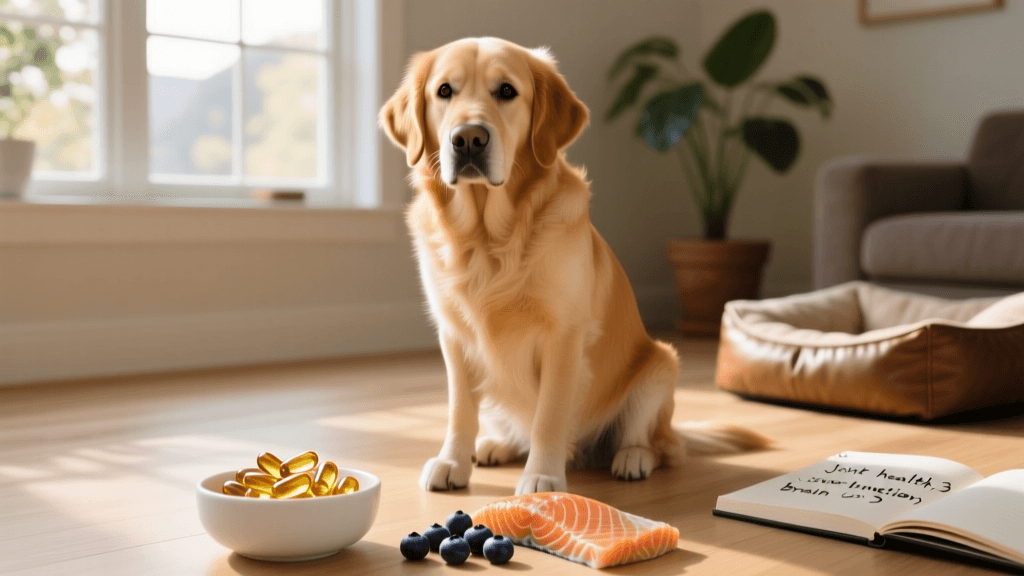
Dietary management is paramount. Keeping your senior dog lean is the single most effective way to reduce joint stress; even a 5% reduction in body weight can dramatically decrease lameness. Alongside weight management, targeted joint supplements can alter the disease course. Look for veterinary-recommended chews containing Glucosamine Hydrochloride, Chondroitin Sulfate, and Boswellia serrata. Products like Dasuquin Advanced (roughly $65 for an 84-count bottle for medium dogs) provide ASU (Avocado/Soybean Unsaponifiables), which helps prevent cartilage breakdown. Administer these supplements consistently with their morning meal, as it can take 4 to 6 weeks of daily use to see noticeable improvements in joint lubrication and inflammation reduction.
Exercise Adjustments
Do not stop exercising your senior dog, but do change how you exercise them. Replace the weekend 3-mile hike with two 15-minute leisurely walks daily. Consistent, low-impact movement keeps the synovial fluid circulating in the joints, which is essential for cartilage nutrition. If your dog loves the water, hydrotherapy or simple swimming is the ultimate low-impact exercise, as the buoyancy supports their weight while the water resistance builds muscle.
Navigating Canine Cognitive Dysfunction (CCD)
Just as humans can experience dementia, aging dogs can develop Canine Cognitive Dysfunction (CCD). The American Kennel Club (AKC) notes that CCD affects nearly 50% of dogs over the age of 11. It is a progressive neurological disorder that impacts memory, learning, and perception. Veterinarians often use the acronym DISHA to help owners identify the clinical signs of cognitive decline:
- Disorientation: Wandering into corners and getting stuck, or failing to recognize familiar family members.
- Interactions Altered: Clinginess, irritability, or a sudden lack of interest in greeting you at the door.
- Sleep-Wake Cycle Changes: Pacing and panting late at night, followed by heavy sleeping during the day.
- House Soiling: Forgetting previously learned housetraining rules or lacking the signal to ask to go outside.
- Activity Level Changes: Repetitive behaviors like licking walls, or a general apathy toward favorite toys.
Mental Enrichment and Brain Games
A bored brain ages faster. Mental stimulation builds cognitive reserve, which can delay the onset of severe CCD symptoms. Ditch the standard food bowl and transition to interactive puzzle feeders. The Outward Hound Dog Brick Puzzle (approximately $15) is an excellent entry-level toy that forces your dog to use their paws and nose to uncover kibble. Start on the easiest difficulty setting to prevent frustration, and gradually increase the complexity. Dedicate at least 15 minutes a day to active training sessions. Teaching an old dog new tricks, such as 'touch' (targeting your hand with their nose) or 'find it' (scent work), stimulates neuroplasticity and strengthens your bond.
Brain-Boosting Dietary Additions
The aging brain struggles to metabolize glucose efficiently. Medium Chain Triglycerides (MCTs) provide an alternative energy source for the brain in the form of ketones. Adding a high-quality, unrefined MCT oil (derived from coconuts, not palm oil) to your dog's diet can improve alertness and sociability. The recommended starting dose is 1/4 teaspoon per 10 pounds of body weight, mixed into their wet food. Introduce it slowly over two weeks to avoid gastrointestinal upset, eventually working up to 1 teaspoon per 10 pounds. Additionally, incorporate antioxidant-rich foods like fresh blueberries (3 to 5 berries daily for a medium dog) to combat oxidative stress in neural tissues.
Essential Veterinary Preventive Care for Seniors
Preventive care must evolve as your dog ages. The ASPCA strongly recommends shifting from annual wellness exams to bi-annual (every six months) veterinary visits. In dog years, six months is equivalent to roughly three human years; a lot of pathological changes can occur in that timeframe, especially concerning kidney and liver function.
During these visits, request a comprehensive Senior Blood Panel and Urinalysis (typically costing between $150 and $250, depending on your region). This diagnostic suite establishes a baseline and tracks trends in critical biomarkers:
- BUN and Creatinine: Indicators of kidney function. Early detection of chronic kidney disease (CKD) allows for dietary interventions that can extend life by years.
- ALT and ALP: Liver enzymes that can signal hepatic disease, Cushing's disease, or adverse reactions to long-term NSAID pain medications.
- Total T4: Thyroid hormone levels, as hypothyroidism is common in seniors and can mimic or exacerbate cognitive decline and lethargy.
Dental health is another critical pillar of senior care. Periodontal disease allows bacteria to enter the bloodstream, potentially colonizing the heart valves and kidneys. If your dog cannot tolerate daily tooth brushing, ask your veterinarian about prescription dental diets or water additives containing chlorhexidine to reduce the bacterial load in their mouth.
Senior Dog Care Cost and Supplement Comparison
Budgeting for a senior dog requires foresight, as medical and supportive care needs increase. Below is a structured comparison of common senior care investments to help you plan your monthly and annual expenses effectively.
| Care Item / Supplement | Primary Purpose | Frequency / Timing | Estimated Cost |
|---|---|---|---|
| Orthopedic Memory Foam Bed | Joint support, pressure relief | One-time (Replace every 3-5 yrs) | $40 - $350 |
| Glucosamine/Chondroitin/ASU | Cartilage preservation, OA pain | Daily with morning meal | $40 - $70 / month |
| MCT Oil (Coconut derived) | Brain energy, CCD management | Daily, introduced slowly | $15 - $25 / bottle |
| Interactive Puzzle Toys | Cognitive stimulation, slowing meals | Daily mental enrichment | $15 - $30 each |
| Bi-Annual Vet Exam + Bloodwork | Organ function monitoring, early detection | Every 6 months | $250 - $400 / visit |
Conclusion: Embracing the Golden Years
Caring for a senior dog is a profound privilege. While the life stage brings undeniable challenges regarding mobility and cognitive sharpness, modern veterinary science and proactive home care offer incredible tools to maintain their quality of life. By optimizing their environment with orthopedic support, fueling their brain and joints with targeted nutrition, and staying ahead of systemic diseases with bi-annual veterinary screenings, you can ensure your dog's twilight years are comfortable, engaging, and deeply fulfilling. Remember, they spent their youth giving you their absolute best; now it is your turn to give them yours.
anouk-beaumont
All our authors care for dogs every day — read more of their work on the authors page.