Navigating the Senior Dog Transition: A Complete Care Guide
Discover essential tips for your senior dog transition. Learn about diet changes, joint health, and lifestyle adjustments to keep your aging pup happy and healthy.
Understanding the Senior Dog Transition
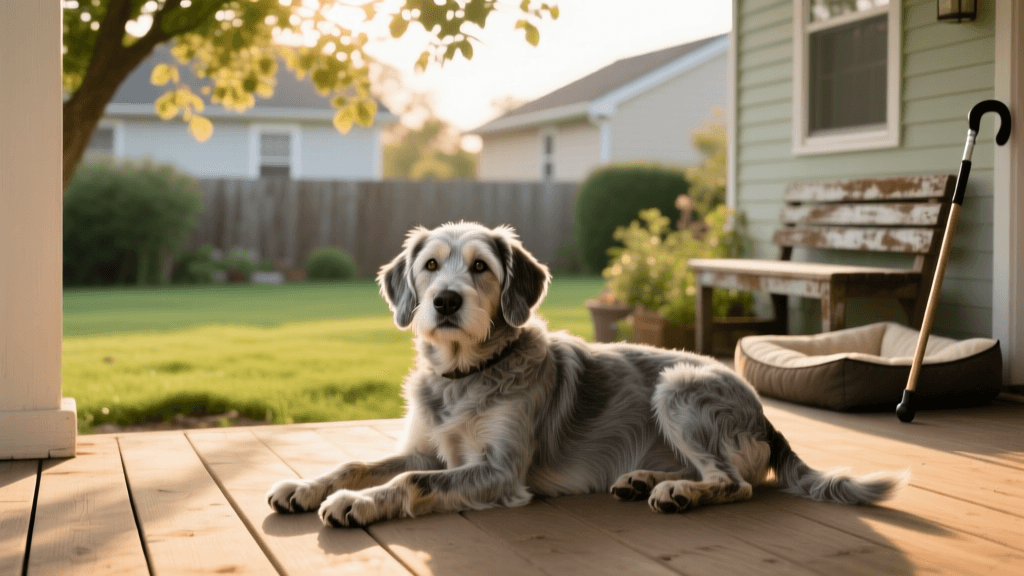
Watching your vibrant, energetic puppy grow into a distinguished, gray-muzzled senior is one of the most rewarding yet bittersweet journeys of dog ownership. As your canine companion enters their golden years, their physical and cognitive needs begin to shift. The 'Life with Your Dog' category often focuses on puppy training or adult maintenance, but the senior transition requires a highly specialized, proactive approach. Aging is not a disease, but it does demand that we adapt our daily routines, home environments, and veterinary care to ensure our dogs remain comfortable and joyful. According to the American Veterinary Medical Association (AVMA), early recognition of age-related changes is the cornerstone of maintaining a high quality of life for older pets.
When Does a Dog Become a Senior?
One of the most common questions owners ask is, 'At what age is my dog considered a senior?' The answer is not a single number. A dog's aging process is heavily influenced by their breed and overall size. Generally, smaller dogs age more slowly and have longer lifespans, while giant breeds enter their senior years much earlier. Understanding this timeline is crucial for knowing when to implement senior-specific care protocols.
| Dog Size Category | Typical Weight Range | Senior Age Threshold |
|---|---|---|
| Small Breeds | Under 20 lbs | 10 - 12 Years |
| Medium Breeds | 21 - 50 lbs | 8 - 10 Years |
| Large Breeds | 51 - 90 lbs | 7 - 9 Years |
| Giant Breeds | Over 90 lbs | 5 - 7 Years |
Once your dog crosses the threshold for their size category, it is time to transition from standard adult care to a comprehensive senior care strategy.
Nutritional Shifts: Fueling the Golden Years
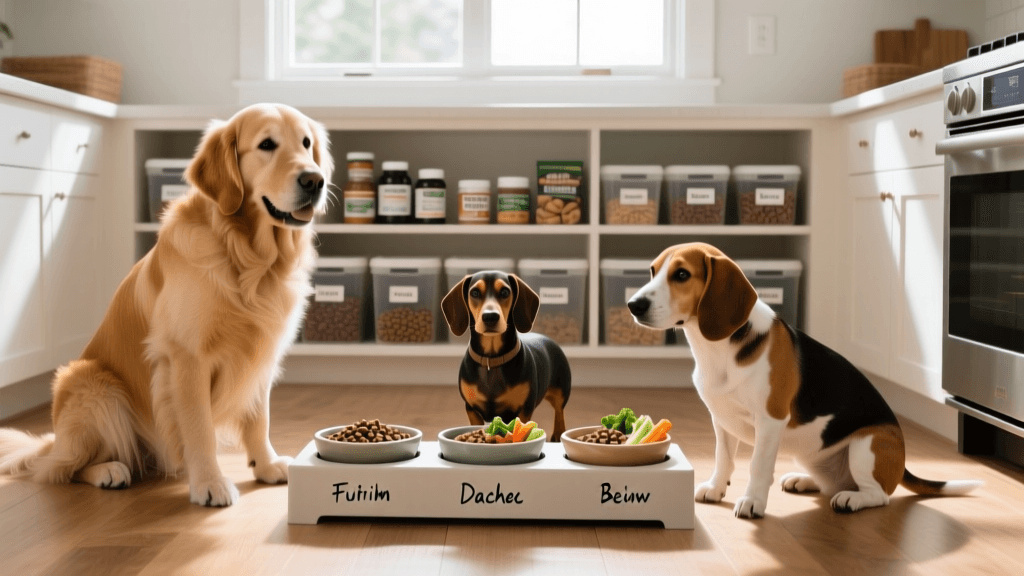
As dogs age, their metabolism naturally slows down, and their activity levels often decrease. This combination makes senior dogs highly susceptible to obesity, which exacerbates joint pain and cardiovascular strain. However, simply reducing food intake is not the answer; older dogs still require high-quality, easily digestible nutrients to maintain muscle mass and immune function.
Debunking the Low-Protein Myth
For decades, a pervasive myth suggested that senior dogs should be fed low-protein diets to protect their kidneys. Modern veterinary nutrition has largely debunked this. Unless your dog has been specifically diagnosed with chronic kidney disease (CKD), a high-quality, highly digestible protein source is essential to prevent sarcopenia (age-related muscle loss). Look for senior formulas that list named animal proteins (like chicken, salmon, or lamb) as the first ingredient.
Targeted Supplements for Aging Joints and Brains
- Glucosamine and Chondroitin: These are the building blocks of cartilage. Products like Cosequin or Dasuquin can help slow the progression of osteoarthritis, a condition affecting a vast majority of senior dogs.
- Omega-3 Fatty Acids (EPA and DHA): Found in fish oils like Nordic Naturals Omega-3 Pet, these fatty acids are potent anti-inflammatories that support joint health, skin integrity, and cognitive function.
- MCT Oils: Medium-chain triglycerides, often found in specialized brain-aging diets like Purina Pro Plan Bright Mind, provide an alternative energy source for aging brain cells, helping to maintain mental sharpness.
Environmental Modifications for Comfort and Safety
Your home environment might be perfectly suited for an agile, three-year-old Labrador, but it can become an obstacle course for a twelve-year-old with arthritis and fading vision. Making strategic, cost-effective modifications can drastically improve your senior dog's daily life and prevent catastrophic injuries from slips and falls.
Orthopedic Support and Sleep Quality
Senior dogs spend significantly more time sleeping or resting. A standard stuffed dog bed will flatten out, offering zero support for aching joints. Investing in a high-density, orthopedic foam bed is non-negotiable. Brands like Big Barker offer 10-year warranties on their orthopedic foam, which is designed not to pancake over time. Expect to invest between $150 and $350 in a premium bed, but the return on investment regarding your dog's mobility is immense. Place beds in draft-free areas and consider a heated pet pad during winter months to soothe stiff joints.
Mobility Aids and Flooring
Hardwood, tile, and laminate floors are notoriously dangerous for senior dogs with weakened hindquarters. A simple slip can lead to a torn cranial cruciate ligament (CCL) or a hip fracture. Cover high-traffic areas and the pathways to their bed and food bowls with non-slip rugs, yoga mats, or specialized pet traction tape. Furthermore, if your dog is still allowed on furniture or needs to enter a vehicle, eliminate jumping entirely. A folding pet ramp, such as the PetSafe Happy Ride (approximately $70), or pet stairs with a gentle incline will protect their spine and joints from unnecessary impact.
Exercise: Shifting from Intensity to Consistency
The days of throwing a tennis ball for two hours straight at the dog park may be behind you, but exercise remains a critical component of senior care. The goal shifts from cardiovascular conditioning and high-impact play to maintaining joint mobility, muscle tone, and mental well-being. Low-impact, consistent exercise is the key.
Swap out long, fast-paced runs for multiple short, leisurely walks throughout the day. This prevents the 'weekend warrior' syndrome, where a dog overexerts themselves and spends the next three days in pain. Swimming or using an underwater treadmill (often available at canine rehabilitation centers) provides excellent resistance training without any concussive force on the joints. Additionally, engage your dog in 'sniffaris'—walks where the primary goal is to let the dog sniff their environment at their own pace. Sniffing is mentally exhausting and deeply enriching for an older dog whose physical stamina is waning.
Veterinary Care: The Importance of Bi-Annual Screenings
The American Animal Hospital Association (AAHA) strongly recommends that senior dogs transition from annual to bi-annual veterinary wellness exams. Because dogs age roughly four to seven times faster than humans, a six-month gap between visits can allow diseases like diabetes, hypothyroidism, or renal failure to progress to advanced, harder-to-treat stages.
A comprehensive senior blood panel, urinalysis, and thyroid check should be performed at least once a year. While this preventative screening may cost between $150 and $300 out-of-pocket, it establishes a baseline for your dog's internal health and catches abnormalities long before clinical symptoms appear. Furthermore, do not neglect dental care. Periodontal disease is rampant in senior dogs and can lead to systemic infections affecting the heart and kidneys. Professional dental cleanings under anesthesia, preceded by thorough pre-anesthetic bloodwork, are vital for extending your dog's lifespan and comfort.
Cognitive Health: Recognizing Canine Cognitive Dysfunction
Just as humans can develop dementia, dogs are susceptible to Canine Cognitive Dysfunction (CCD). The American Kennel Club (AKC) notes that CCD is frequently underdiagnosed because owners mistakenly attribute the symptoms to 'just getting old.' Early intervention with specific diets, environmental enrichment, and medications like Selegiline can slow the progression of cognitive decline.
Monitor your dog for the DISHAA acronym, a veterinary tool used to identify cognitive decline:
- D - Disorientation: Wandering aimlessly, getting stuck behind furniture, or staring blankly at walls.
- I - Interactions: Changes in how they interact with family members, such as increased clinginess or sudden irritability.
- S - Sleep-Wake Cycle: Pacing or vocalizing at night while sleeping heavily during the day.
- H - House-Soiling: Forgetting house-training rules or lacking the physical awareness to signal they need to go outside.
- A - Activity Levels: A decrease in purposeful activity or an increase in repetitive, aimless behaviors.
- A - Anxiety: Increased panting, pacing, or distress when left alone or in new situations.
'Aging is not a disease, but it does require a proactive shift in how we manage our dogs' daily lives. The goal of senior care is not just to add years to their life, but to add life to their years.'
Conclusion: Embracing the Golden Years
Sharing your life with a senior dog is a profound privilege. They have spent their youth giving you unconditional love, boundless energy, and endless companionship. Navigating the senior dog transition requires patience, financial commitment, and a willingness to adapt your lifestyle to meet their changing needs. By adjusting their diet to support aging bodies, modifying your home to ensure safety, prioritizing low-impact enrichment, and maintaining rigorous veterinary screenings, you can ensure your dog's final chapters are defined by comfort, dignity, and deep connection. Embrace the slower pace, cherish the quiet moments, and honor the beautiful journey of growing old together.
jonas-cole
All our authors care for dogs every day — read more of their work on the authors page.