Canine Scent Psychology: Bonding With Rescues In 2026
Discover how canine scent psychology builds trust. Learn 2026 nosework techniques, gear, and routines to bond deeply with your rescue dog.
The Neurological Magic of the Canine Olfactory System
To truly understand your dog, especially a rescue with an unknown history, you must first understand how they perceive the world. While humans are highly visual creatures, dogs are olfactory savants. A dog's olfactory bulb is proportionally 40 times larger than a human's, and they possess up to 300 million olfactory receptors in their nasal cavity. According to research highlighted by Cornell University's Canine Health Center, a dog's sense of smell is anywhere from 10,000 to 100,000 times more acute than ours.
But scent is not just about finding food or tracking animals; it is deeply tied to emotional regulation and bonding. When a dog engages in active sniffing, their brain releases dopamine, which creates a sense of pleasure and satisfaction. Furthermore, mutual engagement in scent-based activities stimulates the release of oxytocin—the "love hormone"—in both the dog and the handler. This biological feedback loop is the foundation of canine scent psychology and the secret to building unbreakable trust with a fearful or anxious rescue dog in 2026.
Why Scent Work Bypasses Rescue Dog Trauma
Many rescue dogs arrive in their forever homes carrying invisible baggage. Traditional bonding activities like fetch, tug-of-war, or even direct physical petting can sometimes trigger a fearful dog's amygdala, initiating a "fight or flight" response. Visual stimuli (like a hand reaching out) or loud auditory stimuli (like a bouncing tennis ball) can be overwhelming.
Scent work, however, bypasses these triggers. When a rescue dog puts their nose to the ground, their parasympathetic nervous system engages. Their heart rate naturally lowers, and their breathing shifts into a rhythmic, calming pattern. By utilizing scent-based bonding, you are communicating with your dog in their native language. You are not forcing them to look at you or interact physically before they are ready; instead, you are partnering with them to solve environmental puzzles, positioning yourself as a source of safety and enrichment rather than a source of pressure.
Essential 2026 Nosework Gear for Scent Bonding
The pet industry has evolved significantly, offering specialized tools designed to maximize mental enrichment and scent engagement. Here are the top-rated, behaviorist-recommended products for scent bonding in 2026:
- Paw5 Wooly Snuffle Mat ($48.00): Made from upcycled, sustainable materials, this mat mimics the texture of deep grass. It forces the dog to use their nose to forage for kibble, turning a 2-minute meal into a 15-minute mental workout.
- K9 Nose Work Official Scent Kit ($35.00): For dogs ready to move beyond food, this kit includes Birch, Anise, and Clove essential oils, along with specialized scent vessels. It aligns perfectly with the American Kennel Club's Scent Work guidelines for foundational imprinting.
- Outward Hound Hide-A-Squirrel Puzzle Toy ($22.00): A classic for a reason. The plush tree trunk and squeaky squirrels hold scent exceptionally well, making it an excellent introductory tool for indoor hide-and-seek games.
- Sniffsmith Custom Foraging Box ($65.00): A premium 2026 release featuring modular, adjustable cardboard and fabric layers that allow you to scale the difficulty of the scent puzzle as your rescue dog's confidence grows.
The 4-Week Scent Bonding Blueprint
Building a relationship through scent requires patience and structured progression. Follow this 4-week blueprint, keeping sessions short (10 to 15 minutes) to prevent mental fatigue.
Week 1: Scent Imprinting and Food Scatters
Start in a low-distraction indoor environment. Ditch the food bowl and begin scattering your dog's daily kibble across a snuffle mat or a clean rug. Sit quietly nearby. Do not point or guide them. Let them realize that their nose is the key to the reward. Your presence becomes associated with the positive experience of foraging.
Week 2: The "Find It" Game
Introduce a verbal cue. Hold a high-value, strongly scented treat (like a 1/4 inch cube of freeze-dried liver) in your hand. Let your dog sniff it, then gently toss it a few feet away onto a flat surface. Say "Find it!" in an upbeat tone. As they eat it, praise them calmly. Gradually increase the distance and toss the treats into slightly taller grass or behind furniture legs.
Week 3: Elevated and Hidden Targets
Dogs naturally search low to the ground, but teaching them to lift their heads builds spatial awareness and confidence. Hide treats on chair legs, low shelves, or inside the folds of a blanket. When your dog finds an elevated target, mark the behavior with a gentle "Yes!" and reward them. This phase is critical for shy rescues, as it encourages them to explore their 3D environment without fear.
Week 4: The Scent Trail and Partnership
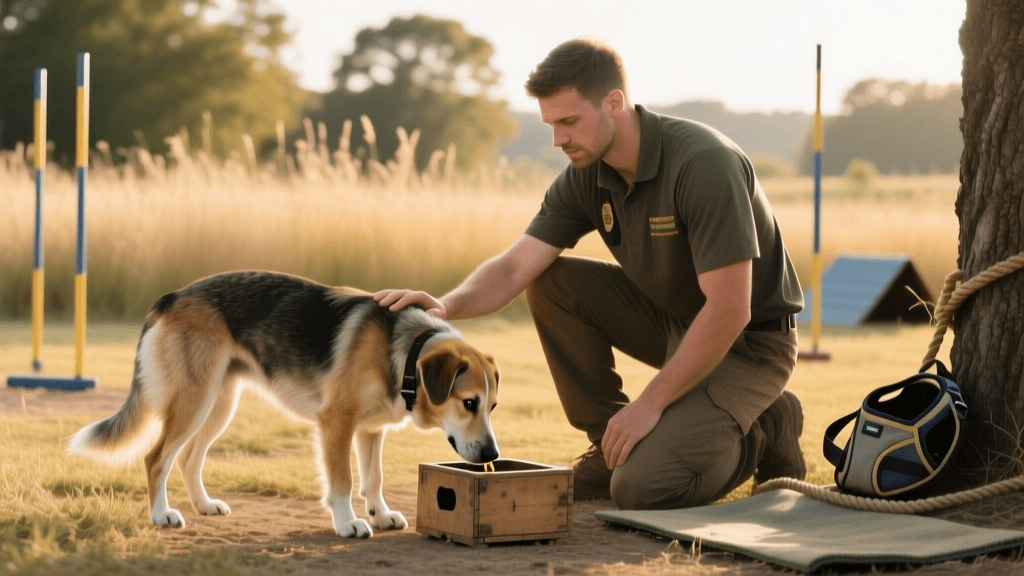
Drag a treat across the floor to create a scent trail leading to a larger reward or a favorite toy hidden in another room. Walk beside your dog, following their lead. This is the ultimate bonding exercise: you are no longer the dictator of the walk; you are the follower, trusting your dog's nose to guide the team. As noted in the ASPCA's Dog Care behavioral resources, allowing a dog agency and choice in their environment is one of the most effective ways to reduce chronic anxiety.
Comparison Chart: Visual vs. Scent-Based Bonding Activities
Understanding the difference between physical/visual play and scent-based engagement will help you tailor your daily routine to your rescue dog's emotional needs.
| Activity Type | Mental Fatigue Level | Stress Reduction | Bonding Speed | Best For |
|---|---|---|---|---|
| Fetch / Tug (Visual/Physical) | Low (Mostly Physical) | Low (Can increase arousal) | Moderate | Confident, high-drive dogs |
| Snuffle Mat Foraging | High (Cognitive) | High (Activates parasympathetic NS) | Fast | Anxious rescues, senior dogs |
| Indoor Hide-and-Seek | Moderate to High | Moderate | Fast | Building recall and trust |
| Essential Oil Nosework | Very High (Intense focus) | Very High (Deep flow state) | Gradual but deep | Reactive dogs, trauma recovery |
Decoding Your Dog's Scent Body Language
To build a true relationship, you must learn to read your dog's subtle signals while they work. A dog engaged in deep scent processing looks very different from a dog who is frustrated or stressed.
The "Scent Cone" Posture: When a dog catches the odor trail of a hidden treat or toy, you will notice their body stiffen slightly, their mouth will often close, and their breathing will become rapid and shallow ("sniffing in stereo"). Their tail may hold completely still or point directly at the source. This is the moment of pure cognitive flow. Do not interrupt them with praise until they have located the item.
Conversely, if your dog begins frantically pawing at the ground, whining, or looking back at you with wide eyes, they have lost the scent thread and are experiencing frustration. In 2026, modern force-free behaviorists recommend stepping in immediately when you see these signs. Simply toss a treat near their nose to "reset" their brain, lower the difficulty of the next hide, and rebuild their confidence.
Conclusion: Trust Built One Sniff at a Time
Bonding with a rescue dog is rarely a linear journey, and it cannot be rushed through forced affection. By embracing canine scent psychology, you meet your dog exactly where they are. You provide them with an outlet for their most powerful natural instinct, while simultaneously proving that you are a safe, supportive partner in their environment. Whether you are utilizing a simple snuffle mat or training for advanced essential oil detection, the time you spend watching your dog's nose work is the time you spend weaving the invisible threads of lifelong trust.
marcus-aldridge
All our authors care for dogs every day — read more of their work on the authors page.