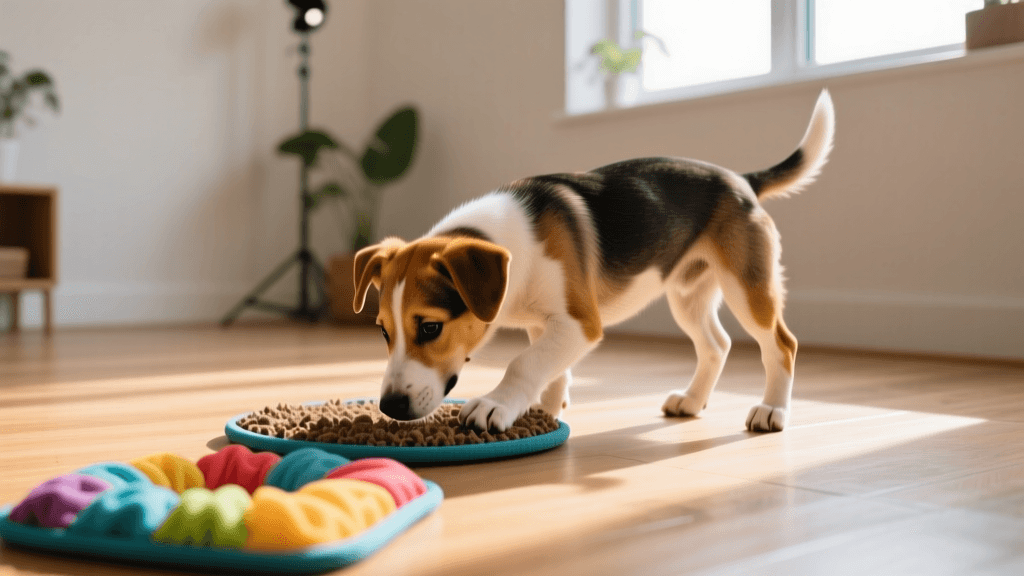
Best Fresh & Raw Puppy Diets 2026: Safe Weaning Guide
Discover the best AAFCO-compliant fresh and raw puppy diets for 2026. Learn safe weaning protocols, HPP raw options, and large-breed nutrition tips.
The 2026 Evolution of Fresh and Raw Puppy Nutrition
Bringing home a new puppy is a milestone filled with joy, but it also brings the immediate responsibility of establishing a lifelong nutritional foundation. In 2026, the landscape of canine nutrition has shifted dramatically. Fresh, raw, and alternative diets are no longer considered fringe movements; they are now backed by rigorous veterinary research and advanced food safety technologies. For puppies in their critical first year of life, the transition from mother's milk or breeder kibble to a solid diet is a delicate process. The goal is to support rapid skeletal growth, cognitive development, and immune system maturation without causing gastrointestinal distress. This comprehensive guide explores how to safely integrate raw and gently cooked fresh diets into your puppy's weaning and growth phases this year.
Safety First: Navigating Raw Diets for Developing Immune Systems
When considering a raw diet for an 8-to-12-week-old puppy, safety is the paramount concern. Puppies possess developing immune systems and lower stomach acidity compared to adult dogs, making them more susceptible to foodborne pathogens like Salmonella, Listeria, and E. coli. The FDA's perspective on raw pet food diets clearly outlines the risks associated with handling and consuming unprocessed raw meat, not just for the pet, but for the humans in the household.
However, the 2026 pet food industry has largely addressed these concerns through High-Pressure Processing (HPP). HPP uses extreme water pressure to neutralize harmful bacteria without applying heat, thereby preserving the raw nutritional profile, enzymes, and natural flavors of the meat. For puppy owners who want the benefits of a raw diet—such as improved stool quality and high bioavailability of nutrients—HPP-treated raw diets offer a scientifically sound compromise. Alternatively, "gently cooked" fresh diets have surged in popularity. These meals are cooked at lower temperatures to eliminate pathogens while retaining more moisture and natural vitamins than traditional extruded kibble.
2026 Comparison: Top AAFCO-Compliant Fresh & Raw Puppy Brands
The most critical factor when selecting a fresh or raw diet for a growing puppy is ensuring it meets the Association of American Feed Control Officials (AAFCO) nutrient profiles for "growth and reproduction" or "all life stages including the growth of large size dogs." Feeding a diet formulated only for adult maintenance can lead to severe developmental orthopedic diseases in puppies. According to the WSAVA Global Nutrition Guidelines, a complete and balanced diet must be formulated by a qualified veterinary nutritionist and undergo rigorous feeding trials.
Below is a comparison of the top-performing fresh and raw brands in 2026 that explicitly meet AAFCO puppy growth requirements.
| Brand | Diet Type | AAFCO Statement | Best For | Est. 2026 Cost |
|---|---|---|---|---|
| We Feed Raw | HPP Raw | All Life Stages (incl. Large Breed Growth) | Owners wanting raw benefits with pathogen safety | $12 - $15 / lb |
| The Farmer's Dog | Gently Cooked Fresh | Growth & Reproduction | Puppies with sensitive stomachs needing high digestibility | $9 - $12 / lb |
| Nom Nom | Gently Cooked Fresh | All Life Stages (incl. Large Breed Growth) | Owners wanting precise, pre-portioned daily meal packs | $10 - $13 / lb |
| JustFoodForDogs (Fresh) | Gently Cooked / Raw | Growth & Reproduction | Owners who prefer buying fresh food in retail vet clinics | $8 - $11 / lb |
The 14-Day Weaning and Transition Protocol
Transitioning a puppy to a fresh or raw diet must be done gradually to allow their developing gut microbiome to adapt. A sudden switch can result in diarrhea, vomiting, and dehydration. Follow this 14-day protocol to ensure a smooth transition from the breeder's food to your chosen fresh diet:
- Days 1-3 (25% Fresh / 75% Old): Mix a small amount of the new fresh food into the puppy's current kibble or canned food. Monitor stool consistency closely. If stools become soft, pause the transition and maintain this ratio for two extra days.
- Days 4-7 (50% Fresh / 50% Old): Increase the fresh food ratio. You may notice your puppy eating with more enthusiasm, as fresh diets are highly palatable. Ensure you are reducing the old food proportionally to avoid overfeeding and excessive calorie intake.
- Days 8-11 (75% Fresh / 25% Old): The gut microbiome is now adapting to the higher moisture and protein levels of the fresh diet. Stools should be firm and smaller in volume, a common benefit of highly digestible fresh foods.
- Days 12-14 (100% Fresh): Fully transition to the fresh or raw diet. Continue to monitor your puppy's body condition score (BCS) weekly to ensure they are growing at a healthy, lean rate.
Crucial Nutrients: DHA, Calcium, and Phosphorus
When evaluating fresh diets for puppies, two specific nutritional areas require intense scrutiny: brain development and skeletal growth.
DHA for Cognitive Development
Docosahexaenoic acid (DHA), an omega-3 fatty acid, is vital for a puppy's brain and retinal development during the first six months of life. While many traditional kibbles spray DHA onto the extruded pellets (where it can degrade due to oxidation), fresh and raw diets utilize whole food sources like wild-caught salmon oil, sardines, or algae oil. This ensures the DHA remains stable and highly bioavailable, supporting better trainability and cognitive function during early socialization and obedience training.
The Calcium-to-Phosphorus Ratio
For large and giant breed puppies (those expected to weigh over 50 lbs as adults), the calcium-to-phosphorus (Ca:P) ratio is non-negotiable. The American College of Veterinary Nutrition (ACVN) emphasizes that excessive calcium or an improper Ca:P ratio can lead to developmental orthopedic diseases such as hypertrophic osteodystrophy (HOD) or osteochondritis dissecans (OCD). A safe Ca:P ratio for large breed puppies must be strictly maintained between 1.1:1 and 1.4:1. Never add calcium supplements, bone meal, or dairy to a commercially prepared, AAFCO-approved fresh puppy diet, as this will dangerously unbalance the carefully formulated ratio.
Environmental Sourcing Trends in 2026
An exciting development in the 2026 fresh pet food market is the industry-wide pivot toward regenerative agriculture and sustainable sourcing. Top-tier fresh brands are now partnering with farms that utilize rotational grazing and upcycled, human-grade vegetable trimmings to reduce their carbon paw-print. For the eco-conscious puppy owner, selecting a fresh diet that proudly displays certifications for humane raising and sustainable farming ensures that your puppy's health does not come at the expense of the planet. These high-quality, ethically sourced proteins also tend to have superior amino acid profiles, further supporting lean muscle development in growing dogs.
Kitchen Safety and Handling Protocols
Handling fresh and raw puppy food requires strict hygiene practices to protect both your family and your pet. Because puppies often drop food, lick their faces, and require frequent handling, cross-contamination is a real risk.
- Designated Prep Areas: Use a specific cutting board and utensils solely for your puppy's raw or fresh food. Do not use the same surfaces you use for human vegetable prep.
- Thawing Practices: Never thaw raw puppy food on the kitchen counter at room temperature. Always thaw HPP raw portions in the refrigerator overnight, or use the cold-water submersion method in a sealed, leak-proof bag.
- Bowl Sanitation: Wash your puppy's food bowls daily in hot, soapy water or run them through the dishwasher. Stainless steel or ceramic bowls are highly recommended in 2026 over plastic, which can harbor microscopic scratches where bacteria thrive.
- Hand Washing: Always wash your hands with soap and warm water for at least 20 seconds after handling raw food, preparing meals, or picking up your puppy's waste.
Conclusion
Feeding your puppy a fresh, raw, or alternative diet in 2026 is an excellent way to invest in their long-term health, provided you prioritize safety, AAFCO compliance, and proper handling. By choosing high-quality, scientifically formulated brands and following a methodical transition protocol, you set your growing puppy up for a vibrant, active, and well-nourished life.
robin-maitland
All our authors care for dogs every day — read more of their work on the authors page.