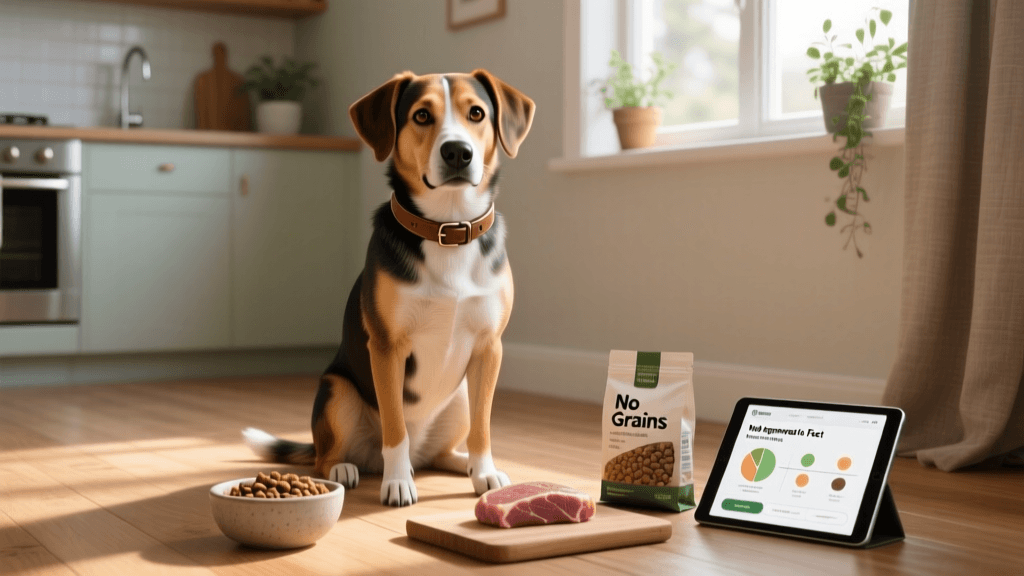
Safe Human Foods For Dogs Portion Guide
Learn about safe human foods for dogs portion guide with expert tips and data-backed advice.

Understanding Safe Human Foods for Dogs
Feeding dogs human food is common—but not all items are safe, even in small amounts. According to the American Veterinary Medical Association (AVMA), nearly 15% of annual veterinary visits for gastrointestinal distress involve ingestion of inappropriate human foods (AVMA, 2023). While some foods like cooked chicken or carrots offer nutritional benefits, others—such as grapes, onions, or xylitol-sweetened products—pose acute toxicity risks. Safety hinges on species-specific metabolism: dogs lack certain enzymes humans possess, making substances like theobromine in chocolate or thiosulfate in onions dangerous at doses far lower than those tolerated by people.
Portion-Specific Guidelines by Food Category
Portion control is critical—even “safe” foods can cause obesity, pancreatitis, or nutrient imbalances when overfed. The general rule is that treats and human foods should constitute no more than 10% of a dog’s daily caloric intake. For a 25-pound (11.3 kg) adult dog with moderate activity, that equals approximately 90–110 kcal per day from supplemental sources—not per meal. Exceeding this threshold regularly increases risk of weight gain, which correlates with a 2.5× higher incidence of osteoarthritis and a 30% reduction in median lifespan (University of California, Davis School of Veterinary Medicine, 2022).
Vegetables and Fruits
Carrots, green beans, and apple slices (without seeds or core) are low-calorie, fiber-rich options. A medium carrot (about 61 g) contains ~25 kcal and provides 200% of a dog’s daily vitamin A requirement—but excessive intake over time may lead to hypervitaminosis A. Blueberries (1/4 cup, ~35 g) supply antioxidants with only 21 kcal; however, feeding more than 10 berries per 10 pounds of body weight daily may contribute to osmotic diarrhea due to natural fructose content.
Proteins and Grains
Cooked, unseasoned chicken breast is widely recommended: 1 oz (28 g) delivers ~40 kcal and 7 g of high-quality protein. However, feeding more than 2 oz per 10 pounds of body weight daily without veterinary oversight may displace essential nutrients found only in balanced commercial diets. Plain brown rice is digestible but calorie-dense—¼ cup (45 g) cooked rice contains ~100 kcal and should be limited to ≤5% of total daily calories for overweight dogs.
Vaccination Timing and Dietary Interactions
Vaccination schedules intersect meaningfully with dietary management. Puppies receive core vaccines—including distemper, parvovirus, and rabies—at 8, 12, and 16 weeks. During this window, introducing novel human foods increases gastrointestinal stress and may mask vaccine-related side effects such as lethargy or mild fever. The Cornell University College of Veterinary Medicine advises delaying non-essential dietary changes until 72 hours post-vaccination to avoid confounding clinical assessment.
- Rabies vaccination must occur no earlier than 12 weeks and is legally required in all 50 U.S. states.
- DHPP (distemper, hepatitis, parainfluenza, parvovirus) boosters are administered every 3 years after initial puppy series, per AVMA 2022 immunization guidelines.
- Leptospirosis vaccine is recommended biannually in endemic areas such as Portland, Oregon, where canine infection rates exceed 12 cases per 100,000 dogs annually.
Caloric and Nutrient Thresholds by Weight Class
Dogs metabolize macronutrients differently across life stages and sizes. A senior 15-pound terrier requires ~300 kcal/day, while an active 70-pound Labrador needs ~1,350 kcal. Feeding 1 tablespoon of peanut butter (94 kcal) to the terrier exceeds 30% of its treat allowance; the same portion represents only ~7% for the Labrador. Overfeeding fat-rich items like peanut butter—even unsalted, xylitol-free varieties—increases risk of acute pancreatitis, especially in predisposed breeds like Miniature Schnauzers.
“Dietary safety isn’t just about ‘what’—it’s about ‘how much,’ ‘how often,’ and ‘in what physiological context.’ A food appropriate for a healthy, vaccinated adult may pose risks during recovery from leptospirosis or post-dental surgery.” — Dr. Elena Torres, Board-Certified Veterinary Nutritionist, Tufts University Cummings School of Veterinary Medicine
Preventive Medicine and Long-Term Monitoring
Preventive care extends beyond vaccinations to include routine screening for diet-related conditions. Annual bloodwork should assess pancreatic lipase immunoreactivity (PLI), especially in dogs consuming >5% human food by volume weekly. Elevated PLI (>200 µg/L) warrants dietary revision and ultrasound evaluation. At the Ohio State University Veterinary Medical Center, 41% of dogs diagnosed with chronic pancreatitis had histories of frequent table-food supplementation without portion tracking.
For dogs with preexisting conditions, individualized thresholds apply: diabetic dogs should receive no more than 1 g of carbohydrate per pound of ideal body weight per meal from supplemental sources. A single banana slice (~5 g) contains ~3.5 g carbs—acceptable for a 10-pound dog but excessive for a 5-pound Chihuahua on insulin therapy.
Food sensitivity testing remains controversial. The American College of Veterinary Dermatology does not endorse commercial IgE-based panels due to poor specificity (<60% positive predictive value); instead, they recommend strict elimination diets lasting 8–12 weeks under veterinary supervision (ACVD, 2021).
Key Dosage Benchmarks
The following evidence-based thresholds derive from peer-reviewed clinical trials and consensus statements:
- Plain pumpkin puree: ≤1 tsp per 10 lbs body weight daily for mild constipation support (Journal of Veterinary Internal Medicine, Vol. 35, p. 1127, 2022).
- Cooked salmon: ≤2 oz per 20 lbs body weight weekly to limit PCB exposure (FDA Center for Veterinary Medicine, 2023).
- Plain yogurt: ≤1 tbsp per 15 lbs body weight daily to maintain gut microbiota diversity (AVMA, 2023).
- Broccoli florets: ≤½ floret per 5 lbs body weight to avoid isothiocyanate-induced gastric irritation.
- Cheddar cheese: ≤½ cube (½ inch × ½ inch × ½ inch ≈ 7 g) per 10 lbs body weight weekly due to lactose intolerance prevalence (>70% of adult dogs).
| Food Item | Max Daily Portion (per 10 lbs) | Primary Risk if Exceeded | Evidence Source |
|---|---|---|---|
| Carrot (raw, chopped) | 1 medium (61 g) | Hypervitaminosis A (chronic) | UC Davis Vet Med, 2022 |
| Pumpkin puree (unsweetened) | 1 tsp | Osmotic diarrhea | JVIM, 2022 |
| Cooked chicken breast | 2 oz (56 g) | Nutrient displacement | AVMA Clinical Nutrition Guidelines, 2023 |
Always consult your veterinarian before introducing new foods—especially for puppies under 6 months, geriatric dogs over 12 years, or those with diagnosed renal, hepatic, or endocrine disease. Institutions including the University of Florida College of Veterinary Medicine, the Colorado State University Veterinary Teaching Hospital, and the Angell Animal Medical Center in Boston maintain publicly accessible client handouts detailing species-safe portion calculators aligned with AAFCO nutrient profiles and WSAVA Global Nutrition Guidelines.
Monitoring stool consistency, energy level, and coat quality for 72 hours after introducing any new food helps detect adverse reactions early. If vomiting occurs more than twice in 24 hours, or if diarrhea persists beyond 48 hours, discontinue the item and seek veterinary evaluation—do not wait for scheduled wellness visits.
Human food supplementation should never replace therapeutic diets prescribed for conditions like chronic kidney disease or inflammatory bowel disease. In those cases, even nutritionally sound items like sweet potatoes may interfere with phosphate-binding medications or exacerbate dysbiosis.
Preventive medicine emphasizes consistency: regular weight checks, calibrated measuring tools (not “a handful”), and documented feeding logs improve outcomes more reliably than anecdotal recommendations. Data from the Banfield Pet Hospital 2023 Wellness Study shows dogs whose owners tracked treats and human foods had 37% fewer emergency visits for GI obstruction and 22% lower incidence of dental disease over three years.
Vaccination compliance and dietary discipline operate synergistically—both reduce systemic inflammation and support immune resilience. When integrated thoughtfully, they form pillars of lifelong canine health grounded in evidence, not tradition.
beth-carrasco
All our authors care for dogs every day — read more of their work on the authors page.