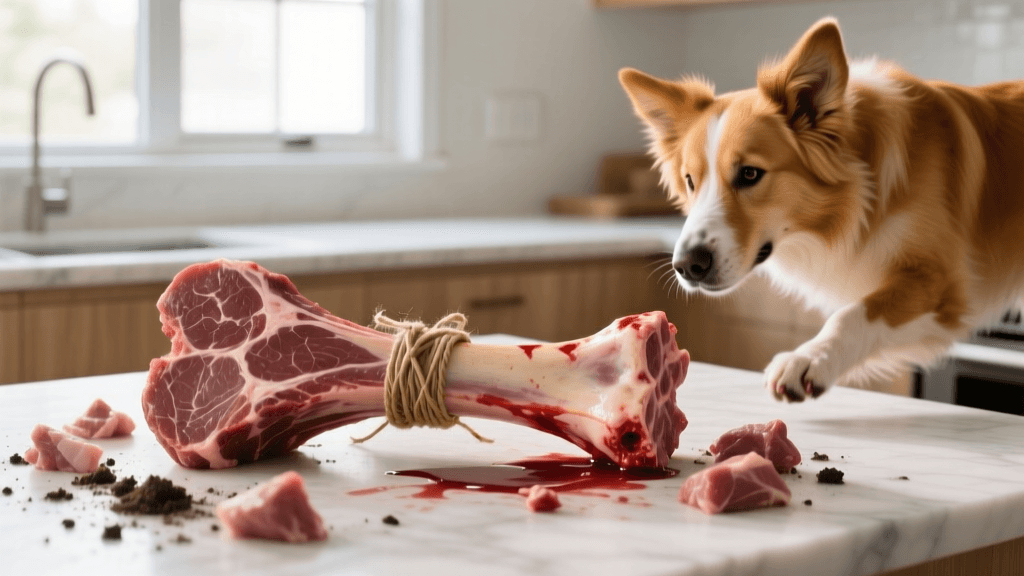
Understanding Canine Prey Drive: 2026 Raw Diet Guide
Discover how feeding raw meaty bones satisfies canine prey drive, reduces destructive behavior, and improves mental health with our 2026 enrichment guide.
The Intersection of Nutrition and Canine Psychology
As we navigate the canine behavioral landscape in 2026, veterinary behaviorists and nutritionists have increasingly aligned on a fascinating premise: many common behavioral issues in dogs, from leash reactivity to destructive chewing, are not merely training deficits but manifestations of unfulfilled biological instincts. While traditional obedience training addresses the symptoms, addressing the root cause often requires looking at how our dogs interact with their food. The modern kibble diet, while convenient and nutritionally complete, strips away the psychological enrichment inherent in a dog’s evolutionary feeding behaviors. This is where the raw and fresh diet movement transcends mere physical health and enters the realm of behavioral medicine.
Understanding your dog requires looking through the lens of their ancestors. Dogs are opportunistic predators and scavengers. When we feed them from a stainless-steel bowl, we are bypassing millions of years of neurological programming. By reintroducing raw meaty bones (RMBs) and fresh, whole-prey alternatives, we can profoundly impact a dog’s mental state, reducing anxiety and providing a natural outlet for their innate prey drive.
Decoding the Predatory Motor Sequence
To understand why fresh and raw diets are so critical for canine mental health, we must first examine the predatory motor sequence. This is the hardwired behavioral pattern dogs use to hunt, and it consists of eight distinct phases: orient, eye, stalk, chase, grab-bite, kill-bite, dissect, and consume.
When a dog is fed highly processed kibble from a bowl, the sequence is abruptly truncated. The dog skips directly to the final phase: consume. The brain’s reward center is deprived of the dopamine and endorphin cascade that naturally occurs during the grab-bite, kill-bite, and dissect phases. In 2026, canine behaviorists recognize this truncation as a primary driver of "behavioral frustration." When the dissect and grab-bite urges are left unsatisfied, dogs often redirect these instincts onto inappropriate targets, such as furniture, shoes, or even their own tails.
How Raw Meaty Bones Fulfill Instinctual Needs
Feeding raw meaty bones allows a dog to engage in the grab-bite and dissect phases safely. The mechanical act of tearing flesh, crushing cartilage, and manipulating bone with their paws and jaw provides intense mental stimulation. This physical exertion triggers the release of serotonin and endorphins, acting as a natural tranquilizer. Many owners of highly reactive or anxious dogs report a noticeable "post-raw-chew coma," a state of deep relaxation and mental fatigue that no amount of physical walking can replicate.
The Gut-Brain Axis: Fresh Diets and Canine Anxiety
Beyond the mechanical satisfaction of chewing, the nutritional profile of raw and fresh diets plays a pivotal role in canine psychology via the gut-brain axis. In 2026, extensive veterinary research has solidified the link between the canine microbiome and behavioral outcomes. The gut produces approximately 90% of the body’s serotonin, the neurotransmitter responsible for regulating mood and anxiety.
Highly processed diets, which are subjected to extreme heat and extrusion, lack the natural enzymes, prebiotics, and diverse microbial life found in fresh, raw foods. A raw diet introduces a wider spectrum of natural bacteria and bioavailable nutrients that foster a robust microbiome. A healthier, more diverse gut microbiome communicates with the brain via the vagus nerve, effectively lowering systemic cortisol levels and reducing hyper-vigilance in anxious dogs.
"We are no longer just feeding the dog; we are feeding the dog’s microbiome, which in turn dictates the dog’s behavioral baseline. Fresh, species-appropriate diets are a cornerstone of modern anxiety management protocols." — 2026 Consensus Statement on Canine Behavioral Nutrition
2026 Sourcing and Safety Protocols for Raw Diets
If you are considering integrating raw meaty bones or fresh prey models into your dog’s routine to improve their behavior, safety and sourcing are paramount. The U.S. Food and Drug Administration maintains strict guidelines regarding the handling of raw pet food to prevent cross-contamination and bacterial exposure. Always practice rigorous hygiene, using dedicated cutting boards and washing hands thoroughly with hot, soapy water after handling raw meats.
Furthermore, the American Veterinary Medical Association advises pet owners to weigh the behavioral benefits against the potential risks of pathogen exposure, particularly in households with immunocompromised individuals. In 2026, the market has responded with advanced High-Pressure Processing (HPP) technologies and ethically sourced, regenerative farm-to-bowl raw suppliers that mitigate many of these historical risks while preserving the raw enzymatic profile.
Safe Raw Enrichment Feeding Chart
Not all bones are created equal. Cooked bones are strictly forbidden as they splinter and cause gastrointestinal perforations. Always feed raw, and always match the bone size to your dog’s jaw strength and weight. Below is a 2026 guideline for using raw meaty bones as behavioral enrichment.
| Dog Weight Category | Recommended Raw Meaty Bone | Estimated Chew Time | Primary Behavioral Benefit |
|---|---|---|---|
| Under 15 lbs | Quail, Chicken Necks, Duck Feet | 10-15 mins | Jaw tension release, mild anxiety reduction |
| 15 - 40 lbs | Turkey Necks, Whole Mackerel | 20-30 mins | Mental fatigue, focus improvement |
| 40 - 80 lbs | Lamb Ribs, Venison Ribs | 30-45 mins | Deep enrichment, destructive habit replacement |
| 80+ lbs | Beef Marrow Bones (Raw), Oxtail | 45-60+ mins | Prolonged serotonin release, reactivity management |
Alternative Fresh Diets for Prey Drive Enrichment
For owners who are uncomfortable handling raw bones, or for dogs with dental issues that preclude heavy chewing, the fresh diet movement in 2026 offers excellent alternatives to satisfy the predatory sequence. The World Small Animal Veterinary Association emphasizes that whether you feed a complete raw diet or use fresh foods as enrichment toppers, the nutritional balance must remain intact.
- Frozen Raw Patties in Foraging Toys: Stuffing a durable rubber toy with a frozen, commercially prepared raw patty forces the dog to use their tongue and paws to extract the food, mimicking the "dissect" phase of the predatory sequence.
- Whole Prey Fish: Feeding whole, frozen sardines or sprats triggers the "grab-bite" and "consume" phases. The strong scent and unique texture provide immense olfactory stimulation, which is deeply calming for scent-hound breeds.
- Scatter Feeding Fresh Toppers: Instead of placing fresh, lightly cooked meats or freeze-dried raw toppers in a bowl, scatter them across a snuffle mat or a patch of grass. This engages the "orient" and "stalk" phases, turning a five-minute meal into a twenty-minute foraging expedition that tires the brain.
Recognizing Behavioral Shifts
When you begin to incorporate raw and fresh enrichment into your dog’s routine, pay close attention to their body language and daily rhythms. Within the first few weeks, owners typically report a decrease in pacing, a reduction in demand-barking, and deeper, more restorative sleep patterns. The dog’s baseline arousal level drops, making them more receptive to traditional obedience training and less reactive to environmental triggers like passing dogs or doorbells.
Conclusion
Understanding your dog means acknowledging the predator that lives within your living room. While we have domesticated dogs for companionship, we cannot erase their biological imperative to tear, chew, and forage. By embracing raw meaty bones and fresh, alternative diets in 2026, we do more than just improve their coat and digestion; we provide a vital psychological outlet. Feeding the instinct is just as important as feeding the body, and the result is a calmer, more fulfilled, and behaviorally balanced companion.
jonas-cole
All our authors care for dogs every day — read more of their work on the authors page.