Best Dog Breeds for Remote Workers in 2026: Top 5 Picks
Discover the best dog breeds for remote workers in 2026. Find low-bark, moderate-energy WFH companions perfect for Zoom calls and screen breaks.
The Evolution of the Home Office in 2026
As we navigate the professional landscape of 2026, remote and hybrid work models have transitioned from temporary alternatives to permanent fixtures of the global economy. A significant majority of knowledge workers now operate from home offices at least three days a week. This profound shift has dramatically impacted pet ownership trends and the daily routines of millions of professionals. According to the Centers for Disease Control and Prevention (CDC), pet ownership provides substantial mental health benefits, including stress reduction, lowered blood pressure, and decreased feelings of isolation—perks that are invaluable during high-stakes virtual meetings and long stretches of solo deep work.
However, not every dog is naturally suited for the work-from-home (WFH) lifestyle. A highly vocal breed that barks at every delivery drone passing by the window, or a high-energy herding dog that demands constant physical engagement, can easily derail your productivity and disrupt your most important Zoom calls. Finding the perfect canine coworker requires a careful balance of companionship, independence, and environmental adaptability. In this comprehensive guide, we explore the absolute best dog breeds for remote workers in 2026, ensuring your home office remains a sanctuary of both productivity and puppy love.
Essential Traits of a WFH-Friendly Dog
Before diving into specific breeds, it is crucial to understand the characteristics that make a dog an ideal remote work companion. When you are on a tight deadline or presenting to stakeholders, your dog needs to be a silent partner rather than an active participant.
- Low Vocalization: Dogs that are naturally quiet or easily trained to suppress alert barking are essential. You want a breed that observes the mail carrier without feeling the need to announce their arrival to the entire neighborhood.
- Moderate to Low Indoor Energy: While all dogs need daily exercise, a WFH dog should be content to lounge on an orthopedic bed by your desk for hours at a time, saving their bursts of energy for your scheduled morning and evening walks.
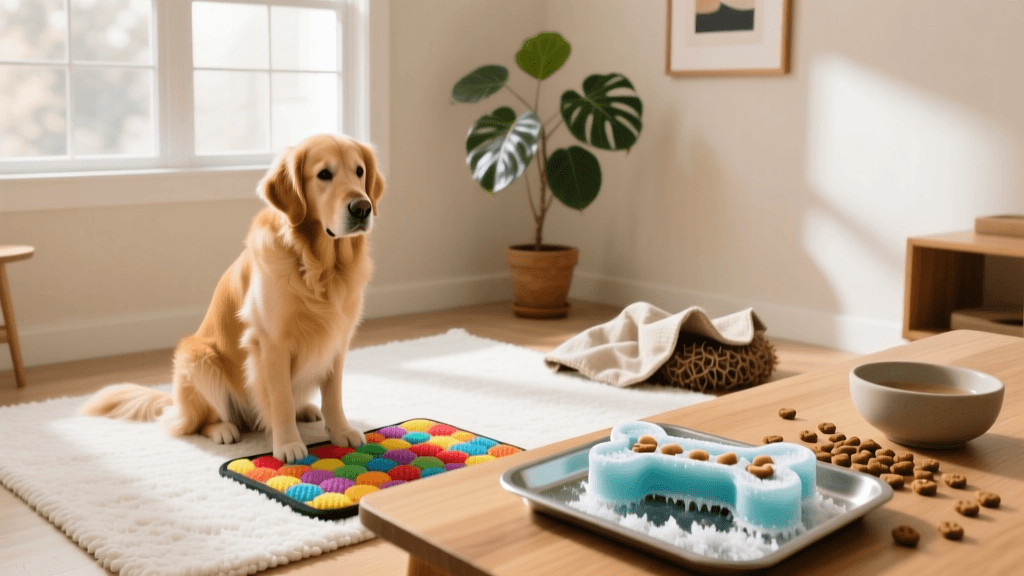
- Independence and Confidence: Clingy breeds that suffer from separation anxiety even when you are just in the next room can be distracting. A confident dog that can entertain themselves with a puzzle toy while you focus on a spreadsheet is ideal.
- Adaptability: The best remote work dogs can seamlessly transition from a quiet morning in the home office to an afternoon trip to a dog-friendly coffee shop or coworking space.
Top 5 Dog Breeds for Remote Workers in 2026
1. The Cavalier King Charles Spaniel: The Ultimate Lap Warmer
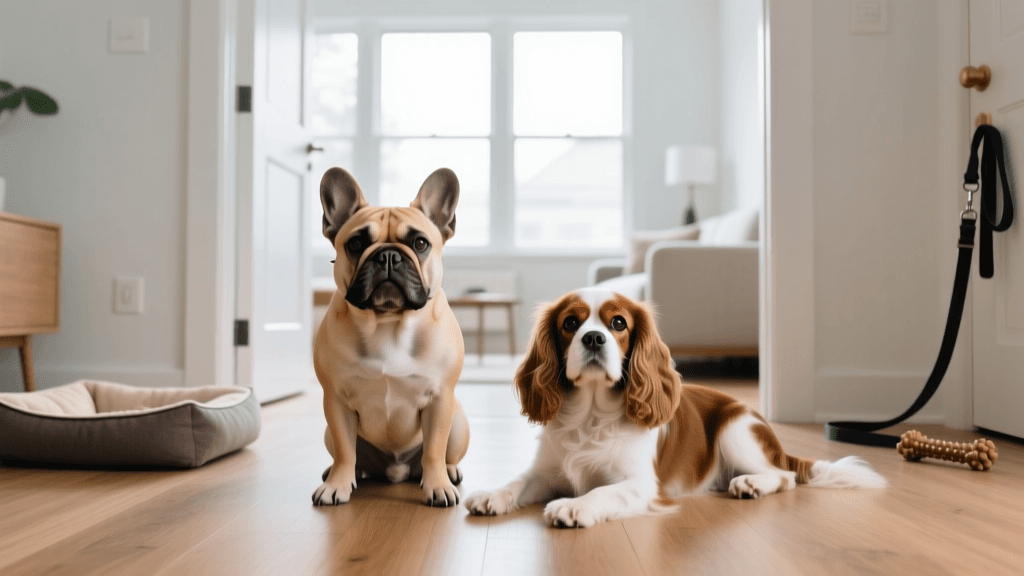
If your ideal workday involves a warm, comforting presence resting quietly at your feet or on your lap, the Cavalier King Charles Spaniel is an unparalleled choice. The American Kennel Club (AKC) describes the Cavalier as an affectionate, gentle, and highly adaptable companion. They are notoriously quiet dogs, rarely barking without a very good reason. Their moderate energy levels mean they are perfectly satisfied with a brisk 30-minute morning walk and a short evening stroll, spending the rest of the workday dozing peacefully beneath your standing desk. They thrive on proximity, so simply being in the same room as you while you type is often enough to keep them content and relaxed.
2. The Greyhound: The 45-MPH Couch Potato
It is a common misconception that Greyhounds require massive amounts of space and constant running. In reality, retired racing Greyhounds and standard pet Greyhounds are famous for being extreme couch potatoes. They are sprinters, not marathon runners. A single, vigorous 20-minute run in a fenced area or a long sniffari walk in the morning will completely exhaust them. For the remaining eight hours of your workday, a Greyhound will happily curl up into a tight ball on a large, plush dog bed and sleep deeply. They are incredibly quiet, rarely bark, and possess a calm, almost stoic demeanor that makes them invisible during your video conferences.
3. The Basset Hound: The Silent Supervisor
Basset Hounds are low-to-the-ground, heavy-boned scent hounds known for their laid-back and somewhat stubborn personalities. While they can be vocal if left alone outdoors for long periods, indoors they are remarkably sedentary and quiet. They are perfectly happy to supervise your work from a comfortable rug, occasionally letting out a deep sigh before returning to sleep. Their stubbornness actually works in your favor when working from home; they are highly unlikely to interrupt your workflow with frantic demands to play fetch. A short, leisurely walk around the block during your lunch break is usually sufficient to meet their exercise needs.
4. The Shiba Inu: The Independent Colleague
For remote workers who prefer a more feline-like canine companion, the Shiba Inu is a stellar option. Shibas are famously clean, quiet, and independent. They do not typically seek out constant physical affection, preferring to sit in the same room as you while maintaining their own personal space. This independence means you can easily take a one-hour phone call without your dog whining for attention. Shibas are highly alert but tend to reserve their barking for actual threats rather than passing shadows. They require consistent mental stimulation, so providing them with advanced interactive puzzle feeders during your deep work blocks will keep them happily occupied.
5. The Bernese Mountain Dog: The Gentle Giant
If you have a spacious home office and prefer a larger dog, the Bernese Mountain Dog is a majestic, calm, and deeply devoted breed. Despite their impressive size, Berners are known for their mellow indoor temperament. They are not hyperactive and do not tend to dart around the house, which is crucial when you are navigating around them with a hot cup of coffee. They are deeply bonded to their owners and will act as a massive, comforting anchor in your office space. While they require more space to stretch out and a bit more food, their quiet dignity and low indoor energy make them fantastic companions for long days of remote work.
WFH Dog Breed Comparison Chart
To help you make an informed decision, here is a quick comparison of the top breeds based on their suitability for a home office environment in 2026.
| Breed | Indoor Energy | Bark Level | Independence | Space Required |
|---|---|---|---|---|
| Cavalier King Charles Spaniel | Low | Very Low | Low (Clingy) | Small to Medium |
| Greyhound | Very Low | Low | Moderate | Medium (Needs soft surfaces) |
| Basset Hound | Low | Low to Moderate | Moderate | Small to Medium |
| Shiba Inu | Moderate | Low | High | Small to Medium |
| Bernese Mountain Dog | Low | Low | Low (Clingy) | Large |
Structuring Your Day: The Canine Pomodoro Technique
Even the most laid-back dog requires a structured routine to thrive. In 2026, remote workers are increasingly adopting the 'Canine Pomodoro Technique' to seamlessly blend productivity with pet care. The traditional Pomodoro method involves 25 minutes of focused work followed by a 5-minute break. When working with a dog at home, you can adapt this by scheduling three 25-minute focus blocks, followed by a 15-minute active break dedicated entirely to your pet.
During these 15-minute intervals, step away from your monitors. Engage in a quick game of indoor tug, practice obedience training, or take a brief walk around the block. This not only prevents your dog from becoming bored and seeking destructive entertainment, but it also forces you to step away from your screen, reducing eye strain and preventing the physical stiffness associated with prolonged sitting. The American Veterinary Medical Association (AVMA) emphasizes that predictable daily routines are critical for reducing canine anxiety and promoting behavioral stability, making scheduled breaks a win-win for both you and your pet.
Optimizing Your 2026 Home Office for Your Dog
Creating a dog-friendly home office goes beyond simply placing a water bowl in the corner. Modern home office setups in 2026 integrate pet comfort and safety directly into the workspace design. First, invest in high-quality cable management solutions. Exposed power cords and ethernet cables are major chewing hazards, especially for puppies or teething dogs. Use under-desk cable trays and braided cord protectors to keep your technology safe.
Second, upgrade your dog's resting area with an orthopedic memory foam bed. Brands like Big Barker and K9 Ballistics offer beds specifically designed to support the joints of both large and small breeds, ensuring your dog remains comfortable during your longest workdays. Position the bed in a quiet corner of your office where your dog can see you without being directly in the pathway of your rolling desk chair.
Finally, leverage smart pet technology to monitor and engage your dog when you need to close your office door for a confidential meeting. AI-driven pet cameras with automated treat-tossing capabilities and two-way audio allow you to check in on your dog, reward them for calm behavior, and dispense treats remotely. Smart collars equipped with advanced biometric tracking can also monitor your dog's sleep patterns and activity levels throughout the day, sending alerts to your smartwatch if your dog has been resting for too long and needs a quick potty break.
Conclusion
Sharing your home office with a dog is one of the greatest perks of the modern remote work lifestyle. By selecting a breed that aligns with your professional demands—prioritizing low vocalization, moderate energy, and emotional stability—you can create a harmonious environment where both your career and your canine companion thrive. Whether you choose the affectionate Cavalier, the sleepy Greyhound, or the independent Shiba Inu, implementing structured routines and optimizing your physical workspace will ensure that your four-legged coworker remains your best professional partner in 2026 and beyond.
marcus-aldridge
All our authors care for dogs every day — read more of their work on the authors page.