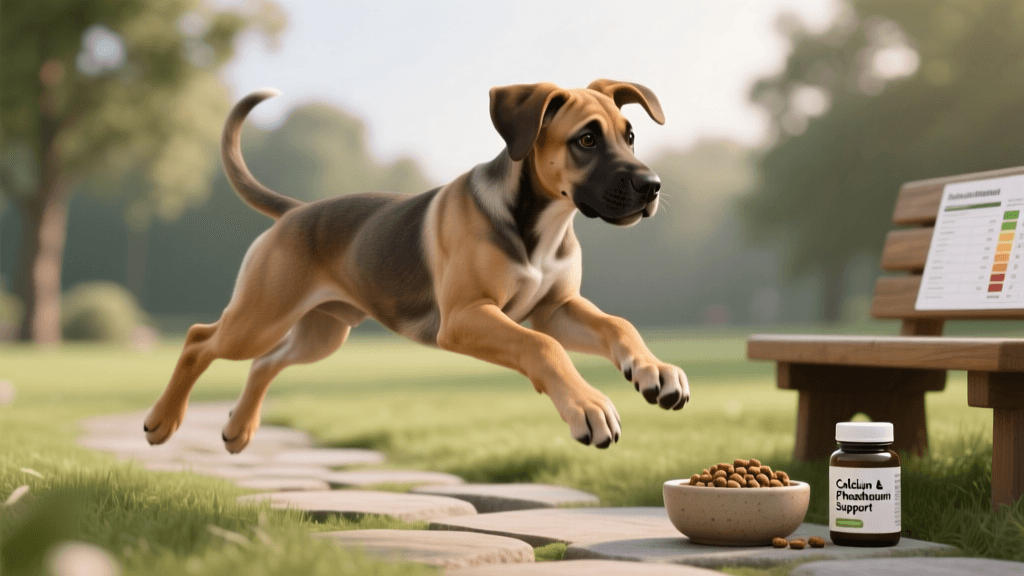
Puppy Feeding Schedule: Portions, Frequencies, And Tips
Discover the ideal puppy feeding schedule, portion sizes, and nutritional milestones for your dog's first year to ensure healthy growth and development.

The Foundation of Puppy Health: Nutrition and Feeding Strategies
Bringing a new puppy home is one of the most exciting experiences in a dog owner's life. However, amidst the potty training and early socialization, one of the most critical responsibilities you hold is managing your puppy's nutrition. The first twelve months of a dog's life are marked by explosive growth, skeletal development, and neurological milestones. Providing the right balance of macronutrients, vitamins, and minerals at the correct times is not just about keeping your puppy full; it is about setting the stage for a lifetime of health.
In this comprehensive guide from Paws-Tales, we break down the ultimate puppy feeding schedule, portion strategies, and nutritional milestones from eight weeks to one year of age. Whether you have a Chihuahua or a Great Dane, understanding these feeding strategies will help you avoid common pitfalls and ensure your furry friend thrives.
Understanding Puppy Nutritional Needs
Puppies require significantly more calories, protein, and specific nutrients like DHA (docosahexaenoic acid) and calcium compared to adult dogs. According to the Tufts Cummings School of Veterinary Medicine Clinical Nutrition Service, a puppy's diet must be carefully calibrated to support rapid tissue growth without causing excessive weight gain, which can lead to orthopedic issues later in life.
When shopping for food, always look for a statement from the Association of American Feed Control Officials (AAFCO) on the packaging. This statement confirms that the food is formulated to meet the nutritional levels established for growth or all life stages. The U.S. Food and Drug Administration (FDA) heavily recommends checking these labels to ensure the commercial diet is complete and balanced for a growing canine.
Reading the Ingredient Label
Understanding the ingredient list is crucial. The first ingredient should always be a named, high-quality animal protein source, such as chicken, lamb, or salmon. Avoid generic terms like 'meat by-products' or 'animal fat,' which offer little nutritional transparency. Furthermore, look for added sources of Omega-3 fatty acids, such as fish oil or flaxseed, which are vital for cognitive development and a healthy coat. Carbohydrates should come from easily digestible whole sources like sweet potatoes, brown rice, or oats, rather than cheap fillers like corn syrup or artificial dyes.
The 8 to 12 Week Stage: Establishing the Routine
When you bring your puppy home at eight weeks, they are likely already weaned onto solid food. At this tender age, their stomachs are incredibly small, and their metabolisms are running at top speed. Hypoglycemia (low blood sugar) is a real risk, especially in toy and small breeds.
Feeding Frequency and Portions
- Frequency: 3 to 4 meals per day, spaced evenly apart (e.g., 7:00 AM, 12:00 PM, 5:00 PM, and 9:00 PM).
- Portions: Follow the specific guidelines on your chosen food's packaging, but generally, a 10-pound puppy will consume about 1 to 1.25 cups of high-quality dry kibble per day, divided across their meals.
- Food Type: A high-quality dry kibble formulated specifically for puppies. Brands like Purina Pro Plan Puppy or Hill's Science Diet Puppy are excellent, veterinarian-recommended choices. Expect to spend between $45 and $65 for a 15-to-18-pound bag.
The 3 to 6 Month Stage: Rapid Growth and Teething
As your puppy crosses the three-month mark, their growth rate accelerates. This is also the window when teething begins, which can temporarily suppress their appetite or make chewing hard kibble uncomfortable.
Adjusting the Schedule
At around four months of age, you can safely reduce the feeding frequency to three meals a day. Dropping the midday meal is usually the easiest transition. If your puppy is struggling with teething, try softening their kibble with a few tablespoons of warm water or low-sodium chicken broth (ensure it contains no onions or garlic) for 10 minutes before serving.
Pro Tip: Never leave softened food out for more than 20 minutes. The added moisture creates a breeding ground for bacteria, which can cause gastrointestinal upset in your vulnerable puppy.
The 6 to 12 Month Stage: Transitioning to Adulthood
Between six and twelve months, most small and medium-sized breeds will reach their adult size, while large and giant breeds will continue to grow well into their second year. This is the stage where breed size dictates your nutritional strategy.
Small and Medium Breeds
At around nine to twelve months, small and medium breeds can begin transitioning from puppy food to an adult maintenance diet. Do this gradually over 7 to 10 days by mixing increasing amounts of the adult food with the decreasing amount of puppy food to avoid digestive distress.
Large and Giant Breeds
Large breed puppies (those expected to weigh over 50 pounds as adults) have unique nutritional requirements. The World Small Animal Veterinary Association (WSAVA) emphasizes that large breed puppies must be fed diets specifically formulated with controlled calcium and phosphorus levels to prevent developmental orthopedic diseases like hip dysplasia. These breeds should remain on a Large Breed Puppy formula until they are 12 to 18 months old, and their meals should be strictly portion-controlled to keep them lean.
Hydration and Water Access
Water is just as critical as food. A puppy should have access to fresh, clean water at all times, except perhaps an hour before bedtime to aid in potty training. As a general rule, puppies need between one-half to one ounce of water per pound of body weight each day. During periods of high activity or hot weather, this requirement increases. Always wash your puppy's water bowl daily with hot, soapy water to prevent bacterial biofilms from forming, which can cause canine acne or digestive issues.
Puppy Feeding Chart by Age and Weight
Use the following table as a general baseline for feeding a medium-breed puppy using a standard premium dry kibble (approx. 400 kcal/cup). Always adjust based on your puppy's body condition score and your veterinarian's advice.
| Puppy Age | Meals Per Day | Estimated Daily Kibble (15 lb Puppy) | Estimated Daily Kibble (30 lb Puppy) |
|---|---|---|---|
| 8 - 12 Weeks | 4 | 1.5 cups | 2.5 cups |
| 3 - 4 Months | 3 | 1.75 cups | 3.0 cups |
| 5 - 6 Months | 2 to 3 | 2.0 cups | 3.5 cups |
| 7 - 12 Months | 2 | 2.25 cups (Transitioning) | 4.0 cups (Large Breed Formula) |
Alternative Feeding Strategies: Wet and Fresh Food
While dry kibble is the most cost-effective and convenient option (averaging $1.50 to $2.50 per day for a medium puppy), many owners opt for wet or fresh food diets.
- Wet/Canned Food: Highly palatable and great for hydration. However, it is more expensive (approx. $3.00 to $5.00 per day) and can contribute to dental plaque if you do not implement a strict tooth-brushing routine.
- Fresh/Subscription Diets: Brands like The Farmer's Dog or Nom Nom offer gently cooked, human-grade meals delivered to your door. These are portioned precisely to your puppy's caloric needs. The cost is significantly higher, ranging from $4.00 to $8.00 per day for a growing puppy, but the bioavailability of the nutrients is exceptional.
Four Critical Feeding Mistakes to Avoid
- Free-Feeding: Leaving a bowl of food out all day destroys your ability to monitor your puppy's appetite (a key indicator of illness) and makes potty training nearly impossible, as you cannot predict when they will need to eliminate.
- Over-Supplementing Calcium: Never give calcium supplements to a growing puppy unless explicitly directed by a veterinarian. Excess calcium in large breeds disrupts normal bone remodeling and can cause severe skeletal deformities.
- The 10% Treat Rule: Treats, training rewards, and chews should never make up more than 10% of your puppy's total daily caloric intake. If you are doing heavy treat-based training, deduct those calories from their main meals or use their daily kibble allotment as training rewards.
- Feeding Toxic Foods: Never feed your puppy grapes, raisins, onions, garlic, macadamia nuts, or anything containing xylitol (a common artificial sweetener in peanut butter). These can cause acute organ failure and require immediate emergency veterinary intervention.
Conclusion
Mastering your puppy's feeding schedule and understanding their evolving nutritional needs is one of the most impactful ways you can care for them during their first year. By adhering to age-appropriate portioning, selecting high-quality AAFCO-approved diets, and avoiding common feeding traps, you are actively investing in your dog's long-term mobility, immunity, and vitality. Always consult with your primary veterinarian to tailor these general guidelines to your specific puppy's breed, metabolism, and health profile.
marcus-aldridge
All our authors care for dogs every day — read more of their work on the authors page.