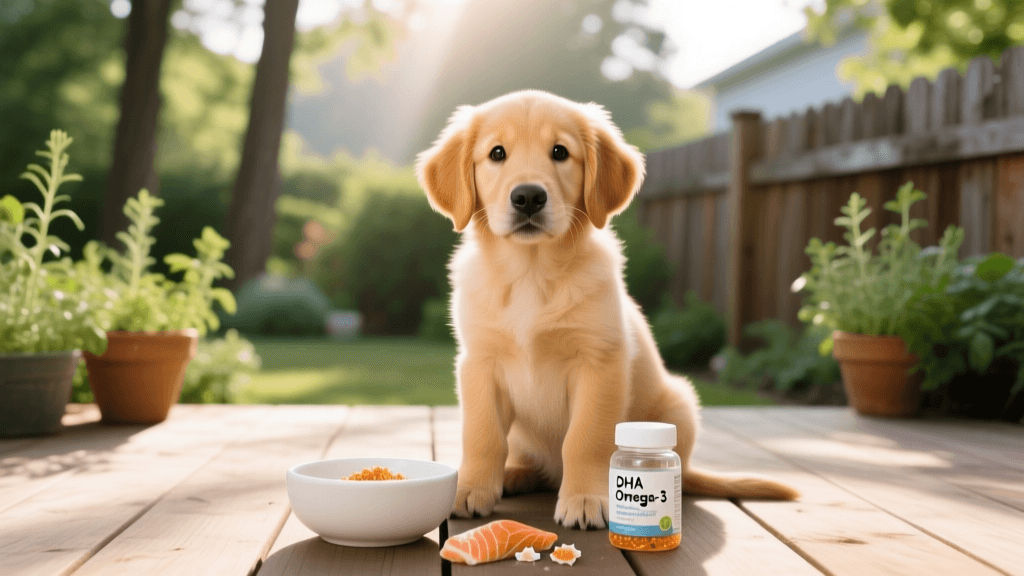
Best Omega-3 Fish Oil Supplements for Puppies in 2026
Discover the best omega-3 fish oil supplements for puppy brain and joint health in 2026. Learn DHA dosage, top brands, and feeding tips for your pup.
The Critical Role of Omega-3 in Puppy Development
The first year of your puppy’s life is a period of explosive growth, rapid cognitive development, and foundational joint formation. While a high-quality commercial puppy food provides the baseline calories and macronutrients needed to grow, it often falls short in delivering optimal levels of essential fatty acids. This is where omega-3 for dogs becomes a vital component of your puppy care routine. In 2026, veterinary nutritionists continue to emphasize that supplementing with targeted marine-based omega-3s—specifically DHA and EPA—can profoundly impact your puppy’s trainability, vision, and long-term orthopedic health.
Unlike adult dogs, puppies are building their neural pathways and retinal structures from scratch. The brain is composed of nearly 60% fat, and a significant portion of that structural fat is docosahexaenoic acid (DHA). Without adequate DHA during the critical socialization and early training windows (between 8 and 16 weeks of age), puppies may struggle with focus, memory retention, and impulse control. According to veterinary nutrition guidelines highlighted by the ASPCA, ensuring your growing dog receives the right balance of fatty acids is essential for holistic development.
DHA vs. EPA: What Your Puppy Actually Needs
When shopping for supplements, you will frequently see DHA and EPA listed on the label. Both are crucial, but they serve distinctly different purposes in a growing canine body:
- DHA (Docosahexaenoic Acid): This is the primary structural component of the brain and retina. Supplementing with DHA during the first six months of life has been clinically shown to improve maze-solving skills, object recognition, and overall trainability in puppies.
- EPA (Eicosapentaenoic Acid): EPA is the master regulator of cellular inflammation. While puppies do not typically suffer from the joint pain seen in senior dogs, EPA ensures that the rapid growth of their bones and cartilage occurs without excessive inflammatory responses, setting the stage for healthy joints in adulthood.
As noted by experts at PetMD, the ideal puppy supplement should feature a higher ratio of DHA to EPA to prioritize neurological and visual development during the formative months.
The Flaxseed Myth: Why ALA Is Not Enough
Many budget-friendly puppy kibbles boast the inclusion of omega-3s by listing flaxseed or chia seeds in their ingredients. These plant-based sources contain Alpha-linolenic acid (ALA). While ALA is an omega-3, the canine body lacks the necessary enzymes to efficiently convert ALA into the usable DHA and EPA forms. In puppies, this conversion rate is virtually negligible. Therefore, to achieve the cognitive and anti-inflammatory benefits your puppy needs, you must provide direct marine sources such as wild-caught fish oil or algae oil.
2026 Puppy Omega-3 Dosage Chart
Dosing omega-3 for dogs is not a one-size-fits-all scenario. Over-supplementing can lead to gastrointestinal upset or, in extreme cases, altered blood clotting. Under-supplementing will yield no cognitive or physical benefits. The following chart outlines the recommended daily combined DHA/EPA targets for puppies based on their current body weight. Always consult your veterinarian before starting a new supplement regimen, especially if your puppy is on a prescription diet.
| Puppy Weight | Target DHA (mg) | Target EPA (mg) | Approx. Liquid Fish Oil |
|---|---|---|---|
| 5 - 10 lbs | 50 - 100 mg | 25 - 50 mg | 1/2 Teaspoon |
| 11 - 20 lbs | 100 - 150 mg | 50 - 75 mg | 1 Teaspoon |
| 21 - 40 lbs | 150 - 250 mg | 75 - 125 mg | 1.5 Teaspoons |
| 41 - 60 lbs | 250 - 350 mg | 125 - 175 mg | 2 Teaspoons |
| 61+ lbs | 350 - 500 mg | 175 - 250 mg | 1 Tablespoon |
Note: The FDA monitors the safety and labeling of animal supplements closely. Always read the label to ensure the product provides guaranteed analysis of DHA and EPA, rather than just 'Total Omega-3s', as outlined in the FDA’s Guide to Treats and Supplements.
Top Omega-3 Supplements for Puppies in 2026
The pet supplement market has evolved significantly, with a strong emphasis on sustainability, purity, and bioavailability. Here are the top three omega-3 fish oil supplements for puppies available this year.
1. Nordic Naturals Omega-3 Pet (Liquid)
Nordic Naturals remains the gold standard for both human and canine fish oils. Their Omega-3 Pet liquid is derived from wild anchovies and sardines, which are naturally low in heavy metals. Crucially, this product is processed in the triglyceride form—the natural state of fat—which ensures maximum absorption in your puppy’s developing digestive tract. It comes with a convenient pump and is flavored with a mild, natural fish taste that most puppies find irresistible when mixed into their kibble. Because it is a liquid, it is incredibly easy to micro-dose for tiny breeds like Chihuahuas or Pomeranians.
2. Grizzly Salmon Plus Wild Fish Oil
For puppies with sensitive skin or those prone to early-onset environmental allergies, Grizzly Salmon Plus is an exceptional choice. Sourced from wild-caught Alaskan salmon, this oil contains a robust profile of DHA and EPA, alongside naturally occurring astaxanthin—a powerful antioxidant that gives salmon its pink color. Astaxanthin helps protect the oil from oxidizing in the bottle while providing an extra layer of cellular protection for your puppy. The pump dispenser is highly accurate, making it easy to adhere to the dosage chart above.
3. Native Pet Omega-3 Wild Fish Oil
If you are looking for a single-ingredient, minimalist approach, Native Pet offers a wildly popular wild-caught fish oil sourced from Icelandic waters. The cold-extraction process preserves the delicate fatty acids without the use of harsh chemicals or heat. In 2026, their updated airless pump design prevents oxygen from entering the bottle, drastically extending the shelf life and preventing the dreaded 'fishy burps' that can occur when oils begin to oxidize. It is an excellent, pure option for puppies transitioning to adult food.
How to Safely Introduce Fish Oil to Your Puppy
A common mistake new owners make is immediately adding the full recommended dose of fish oil to their puppy’s bowl. Because fats are calorie-dense and require specific enzymes to break down, a sudden influx of omega-3s can cause loose stools, diarrhea, or vomiting.
To avoid gastrointestinal distress, follow this 7-day introduction schedule:
- Days 1-2: Administer 25% of the target daily dose.
- Days 3-4: Increase to 50% of the target daily dose.
- Days 5-6: Increase to 75% of the target daily dose.
- Day 7: Administer the full 100% target dose.
Always mix the oil thoroughly into wet food or moisten dry kibble with a little warm water before adding the oil. This ensures the oil coats the food evenly, preventing your puppy from eating around the oily spots and ensuring they consume the entire dose.
Storage, Rancidity, and Safety Precautions
Omega-3 fatty acids are highly unstable and prone to oxidation when exposed to light, heat, and oxygen. Oxidized fish oil is not only ineffective, but it can actually introduce harmful free radicals into your puppy’s body, causing cellular damage rather than preventing it.
To ensure your puppy is getting a safe, potent supplement, adhere to these storage rules:
- Refrigerate After Opening: Liquid fish oils must be kept in the refrigerator at all times once the seal is broken. The cold temperature slows the oxidation process significantly.
- The Smell Test: Fresh fish oil should smell mildly of the ocean or the specific fish it was derived from. If the oil smells sharply rancid, sour, or like rotting fish, it has oxidized and must be discarded immediately.
- Check for Vitamin E: High doses of omega-3s can naturally deplete the body’s stores of Vitamin E. Look for supplements that include mixed tocopherols (Vitamin E) in the ingredient list, or ensure your puppy’s primary diet is rich in this essential vitamin.
- Respect the Expiration Date: Unlike dry treats, liquid omega-3s have a strict shelf life. Never use a fish oil product past its expiration date, even if it has been stored in the fridge.
Final Thoughts on Puppy Brain and Joint Health
Investing in a high-quality omega-3 supplement during your puppy’s first year is one of the most proactive steps you can take for their long-term well-being. By prioritizing marine-based DHA and EPA over plant-based ALA, carefully measuring doses based on your puppy's current weight, and storing the oil correctly, you are setting the stage for a smarter, more trainable, and physically resilient adult dog. As you navigate the chaotic and joyful first year of puppyhood, let the power of omega-3s work behind the scenes to support every leap, bound, and new trick your puppy learns.
jonas-cole
All our authors care for dogs every day — read more of their work on the authors page.