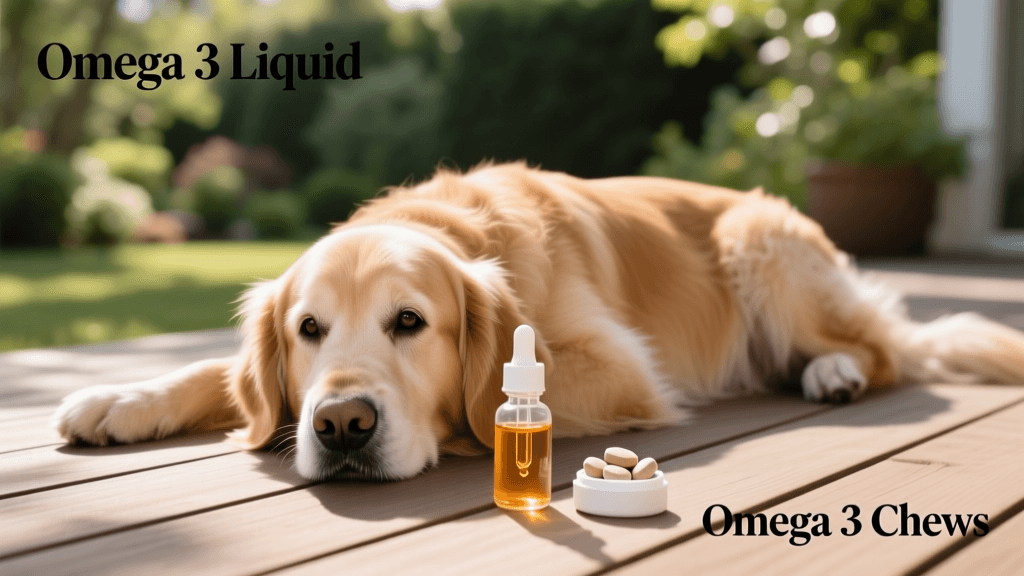
Best Omega 3 for Senior Dog Joints in 2026: Liquids vs Chews
Discover the best Omega 3 supplements for senior dog joint health in 2026. We compare liquid pumps and soft chews for maximum EPA and DHA absorption.
Why Omega-3 is Non-Negotiable for Senior Dogs in 2026
As our canine companions enter their golden years, maintaining their mobility and cognitive function becomes a top priority for dedicated pet parents. In 2026, veterinary nutritionists universally agree that Omega-3 fatty acids are a cornerstone of senior dog care. Whether your dog is navigating the early stages of osteoarthritis, dealing with age-related cognitive decline, or simply needs support for a healthy coat and heart, Omega-3s offer profound anti-inflammatory benefits. However, the pet supplement market is flooded with options, leaving many owners wondering about the most effective delivery method. Should you opt for traditional liquid fish oil pumps, or are the increasingly popular soft chews the better choice for your aging pup? This comprehensive guide breaks down the science, the products, and the practical daily routines for integrating Omega-3 into your senior dog's life.
The Science: EPA and DHA vs. ALA
Before comparing delivery methods, it is crucial to understand what makes Omega-3 effective for dogs. According to the VCA Hospitals, the two most critical Omega-3 fatty acids for canine health are Eicosapentaenoic acid (EPA) and Docosahexaenoic acid (DHA). These are primarily found in marine sources like wild-caught salmon, sardines, and krill. EPA is the powerhouse behind reducing joint inflammation and supporting cardiovascular health, while DHA is essential for brain health, eye function, and neurological development.
Many budget-friendly supplements rely on Alpha-linolenic acid (ALA), which is derived from plant sources like flaxseed or chia seeds. While ALA is a valid Omega-3 for humans, dogs lack the specific enzymes required to efficiently convert ALA into the usable EPA and DHA their bodies need. Therefore, in 2026, top-tier veterinary recommendations strictly advise using marine-based Omega-3 supplements to guarantee your senior dog receives direct, bioavailable EPA and DHA without relying on their compromised metabolic conversion pathways.
Liquid Pumps vs. Soft Chews: Which is Better?
The debate between liquid oils and soft chews often comes down to three factors: concentration, absorption, and palatability. Let us explore how these two formats stack up against each other for senior dogs.
Liquid Fish Oil Pumps
Liquid Omega-3s are typically derived from wild-caught fish and packaged in BPA-free, UV-protected bottles with precise pump dispensers.
- Pros: Liquids offer the highest concentration of EPA and DHA per serving. They are easily absorbed in the digestive tract and can be seamlessly mixed into wet or dry food. Furthermore, liquids are generally more cost-effective per milligram of active Omega-3.
- Cons: The pump mechanism can sometimes clog or leak. Liquid fish oil is highly susceptible to oxidation (rancidity) if not stored properly, and some picky dogs may reject the strong fishy aroma.
Omega-3 Soft Chews
Soft chews are treat-like supplements that encapsulate Omega-3 oils alongside other joint-supporting ingredients like glucosamine, chondroitin, and MSM.
- Pros: Highly palatable and easy to administer, especially for dogs that refuse food toppings. They are excellent for multi-pet households where individual dosing is required, and they often include complementary joint-support ingredients.
- Cons: The EPA/DHA concentration per chew is significantly lower than liquid equivalents. You may need to feed your large-breed senior dog multiple chews daily to reach therapeutic doses, which increases caloric intake and cost.
Veterinary Insight: 'For large breed seniors like Golden Retrievers or German Shepherds requiring high-dose therapeutic EPA for severe osteoarthritis, liquid pumps remain the gold standard in 2026 due to the sheer volume of oil required. For small breeds or dogs needing mild maintenance, soft chews are a highly convenient alternative.' - Canine Nutrition Board Guidelines, 2026.
2026 Top Omega-3 Products Compared
To help you make an informed decision, we have analyzed the top-performing Omega-3 supplements currently dominating the market. The following table highlights the specific EPA/DHA yields, formats, and ideal use cases for each.
| Brand & Product | Format | EPA / DHA per Serving | Caloric Cost | Best For |
|---|---|---|---|---|
| Nordic Naturals Omega-3 Pet | Liquid Pump | 1125mg EPA / 875mg DHA (per 1 tsp) | Low | Large breeds needing high-dose joint therapy |
| Grizzly Salmon Plus | Liquid Pump | 950mg EPA / 700mg DHA (per 1 tsp) | Low | Multi-dog homes, overall coat and joint health |
| Zesty Paws Omega-3 Chews | Soft Chew | 120mg EPA / 90mg DHA (per 2 chews) | High | Picky eaters, small breeds, mild maintenance |
| Vetz Petz Antinol Plus | Softgel Capsule | 150mg EPA / 10mg DHA (per capsule) | Medium | Dogs that will eat a hidden capsule, clinical trials |
How to Calculate the Right Dosage
One of the most common mistakes pet parents make is under-dosing Omega-3s. The American Kennel Club (AKC) notes that therapeutic doses for joint inflammation are significantly higher than the baseline nutritional requirements for healthy skin and coat. In 2026, the general veterinary consensus for a therapeutic anti-inflammatory dose ranges from 50mg to 75mg of combined EPA and DHA per kilogram of your dog's body weight daily.
Step-by-Step Dosage Calculation
- Convert Weight: Take your dog's weight in pounds and divide by 2.2 to get kilograms. (e.g., A 66 lb Labrador Retriever is 30 kg).
- Multiply by Therapeutic Factor: Multiply the kg weight by 50mg (for moderate joint support) or 75mg (for severe arthritis). For our 30 kg Lab, the target is between 1500mg and 2250mg of combined EPA/DHA daily.
- Read the Label Carefully: Do not just look at the 'Total Fish Oil' on the front of the bottle. Turn to the supplement facts panel and add the specific EPA and DHA milligrams together. If a liquid provides 1000mg of combined EPA/DHA per pump, your 66 lb Lab will need 1.5 to 2.25 pumps every single day.
Integrating Omega-3 into Your Dog's Daily Routine
Consistency is vital when supplementing with fatty acids. It typically takes 8 to 12 weeks of daily administration to see a noticeable reduction in joint stiffness and an improvement in mobility. Here is how to seamlessly build Omega-3 into your daily life with your dog.
Morning Meal Integration
If you are using a liquid pump, the morning meal is the ideal time for administration. The natural fats in the fish oil help stimulate bile production, aiding in the digestion and absorption of both the supplement and your dog's regular breakfast. Pump the liquid directly over a small portion of warm water mixed with their kibble. The warm water releases the aroma, which most dogs find highly appetizing, while the moisture prevents the oil from simply pooling at the bottom of the bowl.
Evening Enrichment and Chews
If you prefer soft chews, use them as part of your evening wind-down routine or training sessions. Because chews contain additional calories and binders, feeding them in the evening ensures you can accurately track their daily caloric intake without disrupting their morning appetite. For senior dogs with dental issues, you can easily crumble soft chews into a snuffle mat or a lick bowl mixed with low-sodium bone broth, turning their supplement into an engaging, brain-stimulating activity.
Storage and Freshness: Avoiding Rancid Oil
Perhaps the most critical aspect of managing liquid Omega-3s in 2026 is proper storage. Fish oil is highly unstable and prone to oxidation when exposed to heat, light, and oxygen. Feeding rancid fish oil to your dog is not only unpalatable but can actually induce cellular damage and gastrointestinal distress due to the presence of free radicals.
According to nutritional guidelines from the Tufts Cummings School of Veterinary Medicine, maintaining the integrity of fatty acids requires strict adherence to storage protocols. Always store liquid fish oil in the refrigerator immediately after opening. Most high-quality brands will include a 'use-by' date that applies to the unopened bottle, but once opened, you should aim to consume the liquid within 60 to 90 days. Before every use, perform a quick 'sniff test'. Fresh fish oil should smell mildly of the ocean or the specific fish source (like salmon or sardines). If it smells sharply sour, metallic, or overwhelmingly rotten, discard it immediately and replace the bottle. By prioritizing freshness, correct dosing, and the right delivery format, you can significantly enhance your senior dog's comfort, mobility, and overall quality of life in their twilight years.
beth-carrasco
All our authors care for dogs every day — read more of their work on the authors page.