Dog Puzzle Progression Guide 2026: Boost Canine Brain Power
Discover how to level up your dog's mental enrichment in 2026. Learn puzzle progression steps, behavioral cues, and the best cognitive toys for dogs.
In the landscape of modern dog ownership in 2026, physical exercise is no longer viewed as the sole metric for a tired, happy dog. Veterinary behaviorists and canine enrichment experts have overwhelmingly shifted the focus toward cognitive fatigue. While a three-mile run might tire your dog's muscles, it often fails to satisfy their innate psychological need to forage, problem-solve, and work for their resources. This is where structured mental enrichment and puzzle games become essential tools in your canine care arsenal.
According to the American Kennel Club, mental stimulation can be just as exhausting for a dog as a long run, with some experts noting that fifteen minutes of intense sniffing and problem-solving can equate to an hour of physical walking. However, simply tossing a complex puzzle toy on the floor and walking away is a recipe for frustration. To truly harness the power of canine cognitive enrichment, you must understand the psychology of puzzle progression and how to scaffold your dog's learning experience.
The Neuroscience of the Canine 'Seeking' System
To understand why puzzle games are so effective, we must look at the canine brain. Neuroscientist Jaak Panksepp identified the 'seeking system' as one of the primary emotional circuits in the mammalian brain. This system is driven by dopamine and is responsible for the anticipation, exploration, and foraging behaviors that keep dogs engaged with their environment.
When a dog sniffs out a hidden treat or figures out how to slide a wooden block to reveal a piece of kibble, their brain releases a surge of dopamine. This neurotransmitter not only provides a sense of reward but also reinforces the learning process, creating a state of 'flow.' Conversely, when dogs are deprived of these seeking opportunities—such as when they are fed exclusively from a static bowl twice a day—they can develop behavioral issues rooted in boredom and under-stimulation, including destructive chewing, excessive barking, and hyperactivity.
The 2026 Puzzle Toy Progression Framework
The most common mistake owners make is purchasing a Level 3 puzzle toy for a dog that has never interacted with a food puzzle before. Just as you would not ask a child to solve algebra before learning addition, dogs require a structured progression to build confidence and problem-solving skills. The industry standard for this progression remains the tiered system pioneered by Nina Ottosson, which categorizes toys by mechanical complexity.
| Puzzle Level | Toy Example | Primary Mechanism | Best Suited For |
|---|---|---|---|
| Level 1 (Beginner) | Dog Smart or Dog Treat Maze | Lift, remove, or simple tilt | Puppies, senior dogs, and absolute puzzle novices |
| Level 2 (Intermediate) | Dog Brick or Dog Tornado | Slide, flip, and lift combinations | Intermediate solvers, food-motivated breeds, and dogs mastering Level 1 |
| Level 3 (Advanced) | Dog Casino or Dog Worker | Pull, slide, and multi-step locking mechanisms | High-drive working breeds, gifted problem solvers, and enrichment veterans |
Level 1: The Novice (Lift and Remove)
At the beginner stage, the goal is to teach the dog the fundamental concept: your interaction with the toy yields food. Toys at this level typically involve removable bones or simple cups that the dog can easily nudge with their nose or paw to reveal the treat underneath. The win must be immediate to build a positive association with the puzzle.
Level 2: The Intermediate (Slide and Lift)
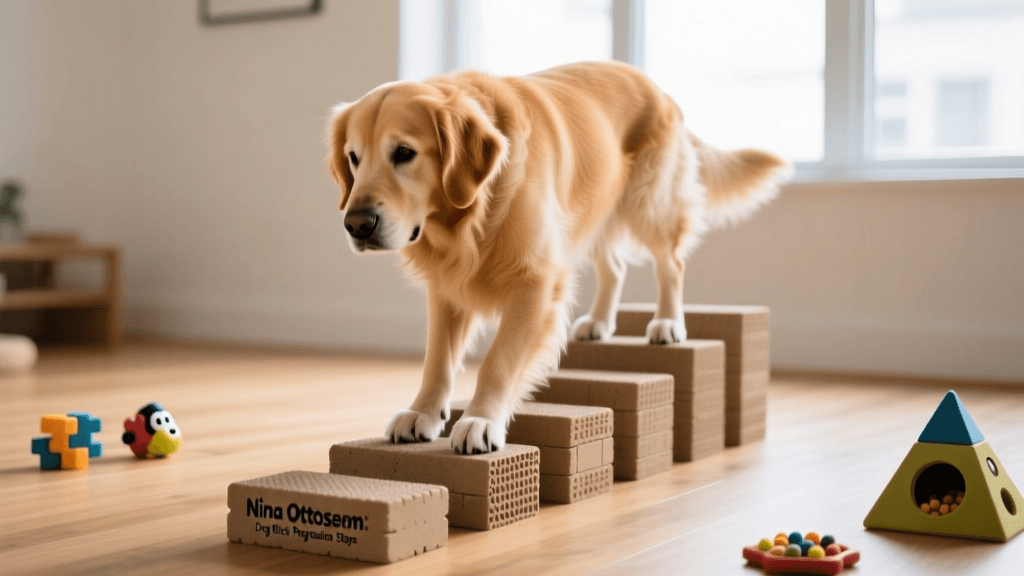
Once your dog understands the game, you introduce the 'Dog Brick' or similar sliding puzzles. Here, the treats are hidden under sliding compartments and removable bones. The dog must learn to use their paws to slide the blocks laterally before they can access the reward. This requires a higher degree of paw-eye coordination and impulse control.
Level 3: The Advanced (Multi-Step Locking)
Advanced puzzles introduce sequential problem-solving. For example, in the 'Dog Casino,' the dog must first pull out a peg to unlock the spinning compartments before they can slide the covers to reveal the treats. This mimics the complex, multi-step foraging behaviors seen in wild canids and provides immense cognitive fatigue for high-drive breeds like Border Collies, Belgian Malinois, and German Shepherds.
Step-by-Step Guide to Teaching Puzzle Games
According to guidelines from Fear Free Happy Homes, enrichment should always be a positive, stress-free experience. If a dog becomes frustrated, the enrichment value drops to zero, and the activity becomes a stressor. Follow these steps to properly introduce a new puzzle:
- Step 1: The Bait and Reveal (High Visibility)
For the first few sessions, do not hide the treats completely. Leave the sliding compartments half-open or the removable bones slightly ajar. Use high-value, aromatic treats like freeze-dried liver or boiled chicken. Let the dog see and smell the reward so they are motivated to interact. - Step 2: The Partial Challenge
Once the dog is confidently eating from the half-open puzzle, close the compartments completely but do not engage any locking mechanisms. Sit with your dog and offer verbal encouragement. If they struggle, point to the compartment or gently tap it to draw their attention. - Step 3: The Full Lock (Advanced Only)
Only introduce locking mechanisms when the dog can solve the sliding puzzle in under a minute without signs of stress. Engage the locks and observe. If the dog cannot figure out the unlock sequence within a few minutes, step in and demonstrate the action to prevent frustration.
Reading Your Dog's Body Language: Flow vs. Frustration
Understanding your dog's body language is critical when introducing mental enrichment. You must be able to distinguish between a dog in a state of cognitive 'flow' and a dog experiencing frustration.
Signs of Cognitive Flow (Keep Going)
When a dog is appropriately challenged, they will exhibit focused, deliberate movements. You may see targeted sniffing, careful pawing, and a relaxed posture. Some dogs will exhibit 'calming signals' such as occasional lip licking or a soft, mid-height tail wag. They are thinking, processing, and engaged. Whining or vocalizing can sometimes occur in high-drive dogs out of sheer excitement, provided they are still actively working the toy and not giving up.
Signs of Frustration (Intervene Immediately)
If the puzzle is too difficult, the dog's behavior will shift from problem-solving to destruction or avoidance. Watch for aggressive, rapid pawing that flips the toy upside down, chewing on the plastic or wooden edges, excessive panting, 'whale eye' (showing the whites of the eyes), or simply walking away and giving up. If you see these signs, the puzzle is too advanced. Immediately make the puzzle easier by removing obstacles or scattering a few treats on top of the toy to give them a 'free win' before putting it away.
Blending Analog Puzzles with 2026 Smart Tech
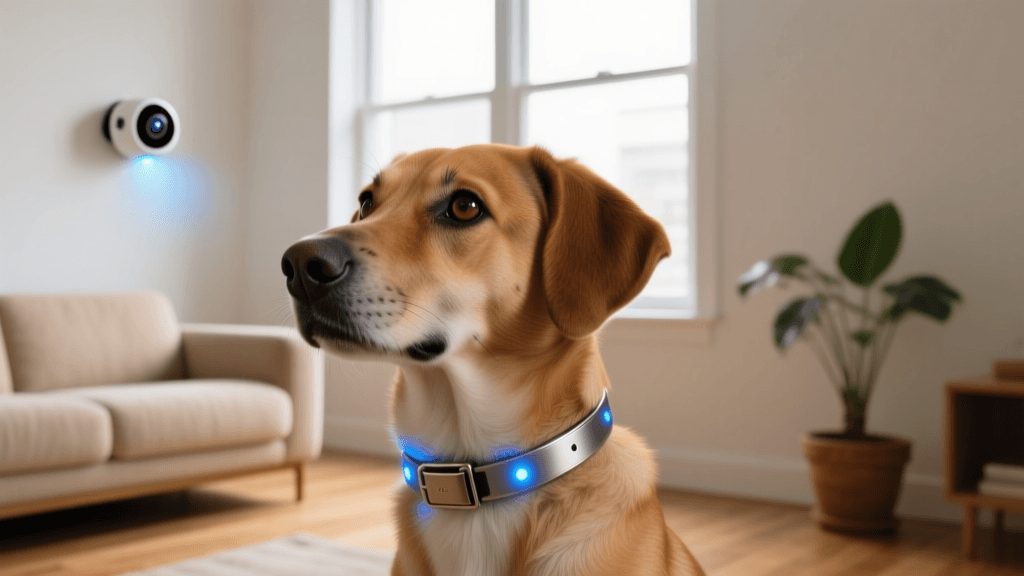
While analog wooden and BPA-free plastic puzzles remain the gold standard for tactile problem-solving, 2026 has seen a massive rise in smart enrichment technology that complements traditional toys. Modern automated puzzle feeders and AI-driven treat dispensers can now adjust the difficulty of the puzzle based on the dog's solve time. If a dog solves the digital puzzle too quickly, the companion app automatically increases the cognitive requirement for the next dispense, ensuring the dog remains in the optimal zone of proximal development.
However, technology should not replace the tactile satisfaction of physical puzzles. Dogs rely heavily on their sense of touch and smell, and physically manipulating a sliding block provides sensory feedback that a digital screen or automated motor cannot replicate. The best enrichment routines in 2026 blend both: using smart dispensers for scheduled daytime enrichment when the owner is at work, and utilizing hands-on, multi-level analog puzzles for evening bonding and training sessions.
Final Thoughts on Canine Cognitive Health
Mental enrichment is not a luxury; it is a fundamental biological need for domestic dogs. By understanding the neuroscience of the seeking system and applying a structured, step-by-step progression to puzzle toys, you can dramatically improve your dog's behavioral health, reduce anxiety, and deepen your bond. Start at Level 1, observe their body language closely, and watch as your dog transforms from a bored pet into a confident, engaged problem-solver. Your dog's brain is a muscle—make sure you are giving it the workout it deserves this year and beyond.
marcus-aldridge
All our authors care for dogs every day — read more of their work on the authors page.