Crafting a Morning Wellness Routine for High-Energy Dogs
Discover a structured morning wellness and enrichment schedule for high-energy dogs, featuring timed activities, puzzle toys, and joint care tips.

Why High-Energy Dogs Need a Structured Morning Routine
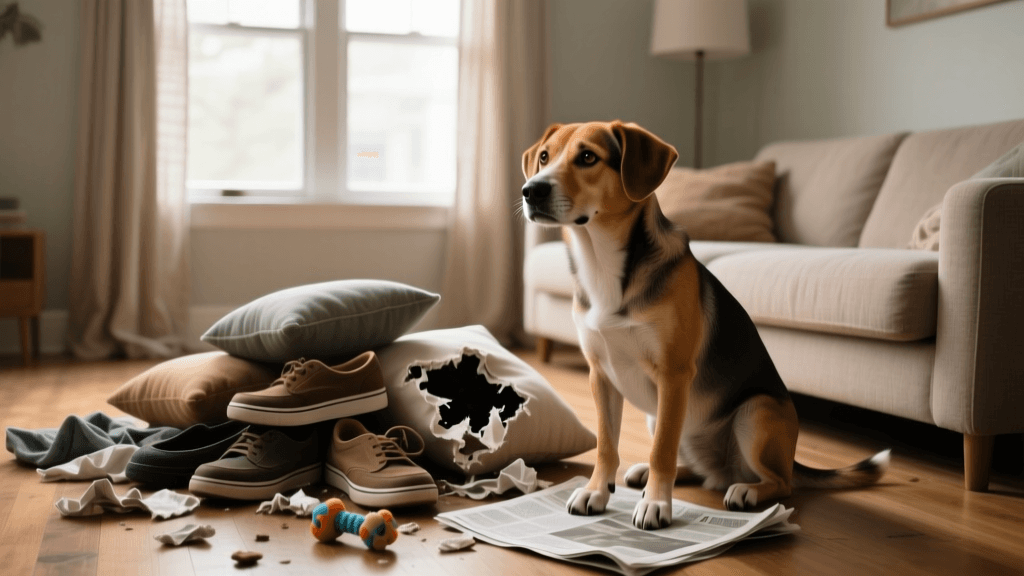
Living with a high-energy dog—such as a Border Collie, Belgian Malinois, Vizsla, or German Shepherd—is a rewarding but demanding experience. These breeds were developed to work tirelessly for hours, meaning their brains and bodies are hardwired for intense activity. A simple ten-minute potty break and a bowl of kibble are rarely enough to set them up for a calm, successful day. Without a structured morning wellness and enrichment routine, these dogs often resort to destructive behaviors, excessive barking, or neurotic pacing out of sheer boredom and pent-up energy.
Creating a dedicated morning schedule does more than just burn off physical energy; it fulfills their psychological need for a 'job.' According to the American Society for the Prevention of Cruelty to Animals (ASPCA), regular physical and mental exercise is critical for preventing behavioral issues and maintaining a dog's overall well-being. By implementing a structured 90-minute morning routine, you can help regulate your dog's cortisol levels, provide vital mental stimulation, and protect their long-term joint health.
The 90-Minute Morning Wellness Schedule
Below is a comprehensive, timed morning routine designed for a high-energy adult dog. This schedule assumes a wake-up time of 6:30 AM, but you can shift the timestamps to fit your personal work schedule. The key is maintaining the sequence of activities to guide your dog from a state of rest to active engagement, and finally to a relaxed settling period before you leave for the day.
| Time Block | Activity Phase | Primary Purpose | Estimated Cost |
|---|---|---|---|
| 6:30 - 6:45 AM | Hydration & Joint Care | Rehydrate after sleep, support joint mobility | $0.50 - $1.50/day |
| 6:45 - 7:05 AM | Scent Work & Enrichment | Mental stimulation, lower heart rate via sniffing | $20 - $40 (one-time) |
| 7:05 - 7:45 AM | Decompression Walk | Physical exercise, environmental exploration | $30 - $50 (one-time) |
| 7:45 - 8:00 AM | Cool Down & Settling | Endorphin release, transition to rest mode | $15 - $25 (one-time) |
Phase 1: Hydration and Joint Care (Minutes 0-15)
After 8 to 10 hours of sleep, your dog is naturally dehydrated. High-energy dogs are particularly prone to joint wear-and-tear due to their explosive movements and athletic lifestyles. Start the morning by enhancing their breakfast to promote hydration and joint health.
- Hydration Hack: Add 1/2 cup of warm water or low-sodium, onion-free bone broth to their morning kibble or freeze-dried raw meal. This increases moisture intake and aids digestion.
- Joint Support: If your dog is over the age of two, consult your veterinarian about adding a joint supplement. Products containing glucosamine, chondroitin, and MSM, such as Dasuquin Advanced or Cosequin DS (approximately $45 to $60 for a two-month supply), are excellent for proactive joint care. Sprinkle the recommended capsule powder directly over the moistened food.
- Gut Health: Top the meal with one tablespoon of plain, unsweetened kefir or goat's milk to introduce beneficial probiotics, which support the immune system and nutrient absorption.
Phase 2: Scent Work and Mental Enrichment (Minutes 15-35)
Physical exercise alone will not tire out a working breed; you must engage their brain. Canine scent work is one of the most exhausting activities for a dog. The olfactory lobe in a dog's brain is proportionally much larger than in humans, and processing scents requires immense cognitive energy.
- The Snuffle Mat Breakfast: Instead of feeding their remaining morning ration in a bowl, use a high-quality snuffle mat (like the PAW5 Wooly Snuffle Mat, approx. $35). Scatter their dry food or training treats deep into the fabric strips. It should take a high-energy dog 10 to 15 minutes of continuous sniffing to find every piece.
- Hide and Seek: If you have a safe, enclosed yard or a puppy-proofed living room, place your dog in a 'stay' or have a partner hold them. Hide three high-value treats (like freeze-dried liver) around the room. Give the cue 'Find it!' This engages their natural hunting instincts and builds focus.
As highlighted by the American Kennel Club (AKC), mental stimulation and brain games are just as important as physical exercise, often leaving a dog more satisfied and relaxed than a simple run around the block.
Phase 3: Physical Exercise and Decompression (Minutes 35-75)
Now that your dog's brain has been engaged and their stomach has settled, it is time for physical movement. However, avoid high-impact activities like repetitive ball-throwing on hard surfaces first thing in the morning, as their muscles and joints are not fully warmed up, increasing the risk of injury.
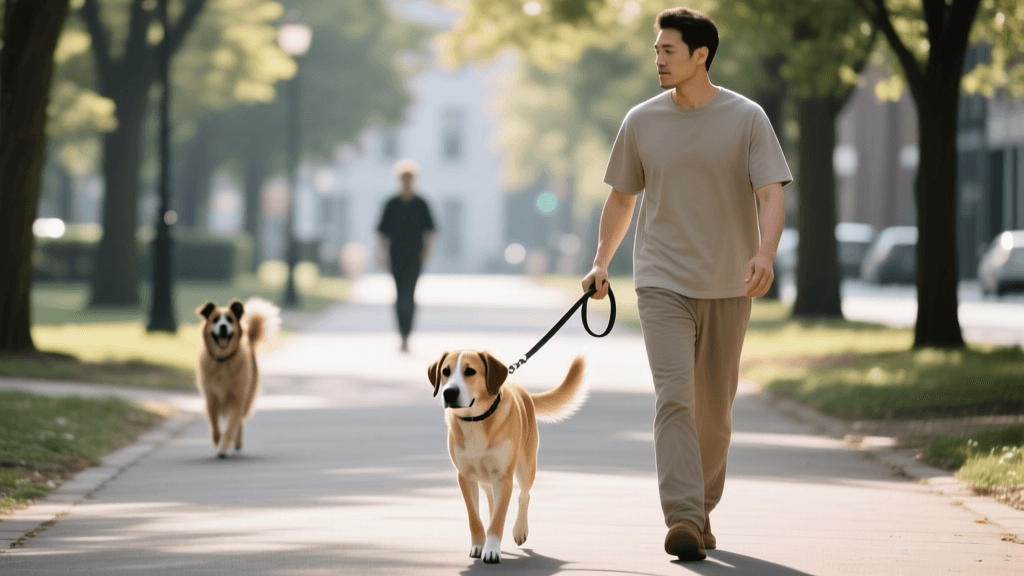
- The 'Sniffari' Walk: Equip your dog with a well-fitted Y-front harness (such as the Ruffwear Front Range, approx. $40) and a 15-to-30-foot Biothane long line (approx. $35). Head to a quiet park or trail. The goal is a 'decompression walk' where the dog is allowed to sniff, wander, and explore at their own pace. Keep the leash loose and let them dictate the route.
- Flirt Pole Warm-up: If you lack access to a trail, use a flirt pole (like the Outward Hound Tail Teaser, approx. $20) in your yard. Keep the toy on the ground to protect their neck and spine, encouraging them to run, pivot, and capture the toy for 10 to 15 minutes of intense cardiovascular work.
The Centers for Disease Control and Prevention (CDC) notes that establishing consistent daily routines involving physical activity not only benefits the dog's cardiovascular health but also significantly improves the mental health and stress levels of the pet owner.
Phase 4: Cool Down and Settling (Minutes 75-90)
The final phase of your morning routine is crucial for transitioning your high-energy dog from an aroused, active state into a calm, resting state before you leave for work or begin your daily tasks.
- Licking Mat Protocol: Prepare a licking mat (such as the Hyper Pet IQ Treat Mat or LickiMat Soother, approx. $15) the night before. Spread a mixture of plain Greek yogurt, mashed banana, and a spoonful of peanut butter (xylitol-free) onto the mat and freeze it. Hand this to your dog in their crate or on their designated settling mat.
- The Science of Licking: The repetitive action of licking releases endorphins in a dog's brain, which act as natural calming agents. A frozen mat will keep them occupied for 15 to 20 minutes, allowing their heart rate to drop and signaling that it is time to sleep.
- Environmental Cues: Turn on a white noise machine or play classical music designed for dogs (such as the 'Through a Dog's Ear' audio series). Draw the curtains to reduce visual stimulation. This creates a sensory cue that the morning routine is complete and rest is expected.
Recommended Enrichment Tools and Costs
To successfully execute this routine, investing in the right tools is essential. Here is a breakdown of the core items needed for a high-energy morning wellness schedule:
- Y-Front Harness: Prevents tracheal damage when the dog pulls on the long line. (Cost: $35 - $50)
- Biothane Long Line (15-30 ft): Waterproof, durable, and provides the dog with the freedom to explore safely. (Cost: $25 - $45)
- Snuffle Mat: Essential for slow feeding and cognitive engagement. (Cost: $20 - $40)
- Frozen Licking Mat: Promotes endorphin release and aids in separation anxiety prevention. (Cost: $10 - $20)
- Joint Supplement (Glucosamine/MSM): Vital for proactive orthopedic care in athletic breeds. (Cost: $40 - $60 per bottle)
Adapting the Routine for Multi-Dog Households
Managing a 90-minute wellness routine is challenging enough with one dog; with multiple high-energy dogs, it can feel chaotic. The golden rule for multi-dog enrichment is separation during cognitive tasks. When using snuffle mats or food puzzles, place dogs in separate rooms or crates. High-energy dogs can become resource-guarders or 'mat-bullies,' stealing food from slower-eating housemates, which spikes stress and ruins the enrichment value.
For the decompression walk, if you cannot walk them separately, use a hands-free dual-leash system and choose wide, open trails where the dogs can spread out and sniff independently without tangling. However, for true decompression, staggered 20-minute solo walks are vastly superior to a single 40-minute group walk.
Tracking Your Dog's Wellness Metrics
To ensure your morning routine is actually meeting your dog's needs, track a few simple wellness metrics over a 30-day period:
- Resting Heart Rate: Check your dog's pulse while they are sleeping deeply. A normal resting heart rate for a large dog is 60-100 BPM. If it consistently trends high, they may be over-aroused and need more mental (not physical) enrichment.
- Post-Routine Settling Time: Note how long it takes your dog to fall asleep after the cool-down phase. If they are still pacing 30 minutes later, you may need to increase the duration of the sniffari walk or the complexity of their scent work.
- Joint Stiffness: Observe their gait when they first wake up and after their evening rest. Any 'bunny-hopping' or reluctance to jump into the car warrants an immediate veterinary orthopedic evaluation.
Conclusion
Living with a high-energy dog requires intentionality. By shifting your perspective from simply 'walking the dog' to facilitating a comprehensive morning wellness routine, you protect their joints, fulfill their genetic drive to work, and cultivate a peaceful home environment. The 90-minute investment you make each morning will pay dividends in the form of a healthier, happier, and profoundly more relaxed canine companion.
aaron-whyte
All our authors care for dogs every day — read more of their work on the authors page.