Quiet Apartment Breeds 2026: Mental & Physical Health Guide
Discover the best quiet dog breeds for apartments in 2026 and learn essential health, mental stimulation, and obesity prevention tips for small-space living.
The Rise of the Quiet Apartment Dog in 2026
As urban living continues to evolve in 2026, more dog owners are navigating the challenges and joys of apartment life. With shared walls and strict strata or HOA noise regulations, the demand for quiet, low-vocalization dog breeds has skyrocketed. However, while a quiet dog might save you from noise complaints, their silent nature often masks underlying health and wellbeing issues that are uniquely exacerbated by small-space living. When a dog does not bark or whine to communicate stress, boredom, or physical discomfort, owners must become hyper-vigilant observers of their pet's mental and physical health.
The intersection of apartment living and canine wellbeing requires a proactive approach. Low-energy, quiet breeds are often mistakenly labeled as 'easy' or 'low-maintenance.' In reality, their propensity for indoor lounging makes them prime candidates for obesity, joint degradation, and silent separation anxiety. This comprehensive guide explores the specific health profiles of top quiet apartment breeds and provides actionable, 2026-compliant strategies to ensure your canine companion thrives in a compact environment.
Top Quiet Breeds and Their Unique Health Profiles
Choosing a quiet breed is only the first step; understanding their genetic predispositions is vital for long-term wellness. Below is a breakdown of popular quiet apartment dogs and their primary health considerations.
| Breed | Vocalization Level | Primary Health Risk in Apartments | Daily Enrichment Need |
|---|---|---|---|
| Greyhound | Very Low | Muscle atrophy, cold sensitivity | Short sprints, indoor sniffing |
| Basset Hound | Low (but howls rarely) | Obesity, Intervertebral Disc Disease (IVDD) | Low-impact scent work |
| Shiba Inu | Low (prone to silent stress) | Allergies, anxiety-induced overgrooming | High mental puzzle stimulation |
| Cavalier King Charles | Very Low | Mitral Valve Disease, Syringomyelia | Gentle indoor play, cuddle time |
1. The Greyhound: The 45-MPH Couch Potato
Greyhounds are famously quiet and sleep up to 18 hours a day, making them seemingly perfect for apartments. However, their fast-twitch muscle fibers require occasional sprinting to maintain cardiovascular health and muscle mass. In an apartment, a lack of outdoor space can lead to muscle atrophy. Furthermore, their lack of body fat means they are highly susceptible to cold drafts common in modern, air-conditioned 2026 apartment complexes. Investing in orthopedic, heated pet beds and utilizing indoor flirt poles for safe, controlled sprinting in hallways or large living rooms is essential.
2. The Basset Hound: Scent-Driven and Prone to Weight Gain
Basset Hounds rarely bark without a profound reason, preferring to communicate through sighs or low grumbles. Their low-slung bodies and heavy bone structure make them highly susceptible to Intervertebral Disc Disease (IVDD) and obesity. In an apartment setting, where incidental exercise is limited, weight management is critical. Stairs should be avoided entirely to protect their spines, meaning owners must utilize pet ramps for furniture access and strictly monitor caloric intake using automated, portion-controlled smart feeders.
3. The Shiba Inu: The Silent Stoic
Shiba Inus are notoriously clean and quiet, but their stoicism is a double-edged sword. They rarely vocalize pain or anxiety, often internalizing stress until it manifests as destructive behavior or severe allergic skin flare-ups. Shibas require intense mental stimulation to prevent boredom in small spaces. Without adequate cognitive challenges, they may develop compulsive behaviors like excessive paw licking.
4. The Cavalier King Charles Spaniel: The Affectionate Shadow
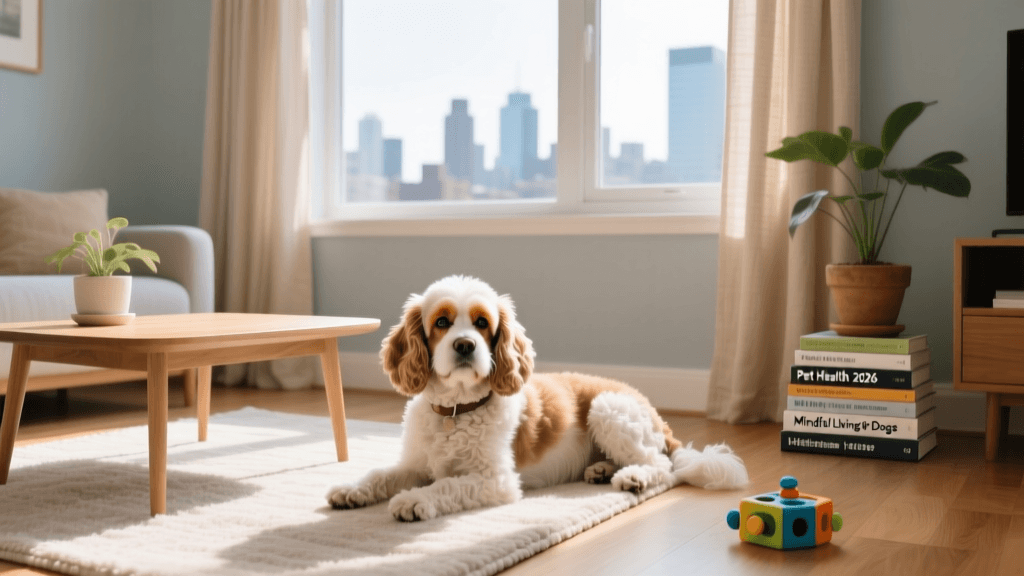
Cavaliers are gentle, quiet, and deeply bonded to their owners. This intense loyalty makes them highly prone to separation anxiety. Because they suffer in silence, a Cavalier left alone in an apartment may not bark, but their cortisol levels will spike, leading to stress-induced gastrointestinal issues and premature aging. They also require careful monitoring for heart murmurs, a common genetic trait that necessitates low-stress, low-impact indoor environments.
Mental Wellbeing: Identifying and Treating Silent Anxiety
One of the most dangerous aspects of owning a quiet dog in an apartment is the illusion that they are perfectly content when left alone. According to the ASPCA's guidelines on separation anxiety, dogs that do not vocalize may instead exhibit pacing, drooling, panting, or attempts to escape. In 2026, veterinary behaviorists emphasize the importance of environmental enrichment and biometric monitoring for quiet breeds.
Actionable Mental Health Strategies
- Biometric Smart Collars: The latest 2026 models of smart collars track Heart Rate Variability (HRV) and resting respiratory rates. A spike in these metrics while you are at work is a clear indicator of silent anxiety, even if your apartment's pet camera shows the dog is lying still.
- Decompression Scent Work: Since quiet breeds like Basset Hounds and Beagles are scent-driven, hiding high-value treats inside snuffle mats or rolled-up towels provides profound mental exhaustion. Ten minutes of intense sniffing equates to an hour of physical walking in terms of caloric burn and mental fatigue.
- Lick Mats and Frozen Enrichment: Licking releases endorphins in a dog's brain, naturally soothing anxiety. Freezing bone broth mixed with dog-safe blueberries and plain pumpkin puree in a silicone lick mat provides a long-lasting, quiet distraction when you leave the apartment.
Physical Health: Combating the Apartment Obesity Epidemic
The Association for Pet Obesity Prevention (APOP) continues to report alarming rates of canine obesity, a condition heavily exacerbated by apartment living where yards are non-existent. The American Kennel Club (AKC) notes that excess weight in dogs leads to a cascade of secondary health issues, including osteoarthritis, diabetes, and respiratory compromise. For quiet, low-energy breeds, the risk is magnified.
Nutrition and Caloric Management in Small Spaces
In a house with a yard, a dog might burn 300 extra calories a day simply wandering, patrolling, and playing. In an apartment, that incidental exercise drops to near zero. Therefore, their caloric intake must be adjusted downward.
2026 Feeding Tip: Ditch the free-feeding bowl. Utilize microchip-activated smart feeders that dispense exact caloric portions based on your dog's real-time activity data synced from their smart collar. This prevents the 'boredom eating' common in confined spaces.
Indoor Joint and Mobility Care
Apartments often feature hardwood, tile, or laminate flooring, which is notoriously slippery. For breeds prone to joint issues or IVDD (like Basset Hounds and older Cavaliers), slipping on smooth floors can cause micro-traumas that lead to severe orthopedic injuries over time.
- Strategic Traction: Place interlocking, pet-safe foam mats or low-pile, non-slip rugs in high-traffic corridors and near food/water stations.
- Orthopedic Support: Invest in high-density memory foam beds (minimum 4 inches thick for medium breeds) to prevent pressure sores and support joints, especially for Greyhounds who lack natural padding.
Environmental Wellbeing: Air Quality and Spatial Stress
Apartment environments in 2026 are highly sealed for energy efficiency, which can lead to poor indoor air quality. Dogs spend their entire lives breathing the same recycled air, making them highly susceptible to respiratory irritation and airborne allergens.
Optimizing the Apartment Micro-Climate
- HEPA Filtration: Run a true HEPA air purifier rated for your apartment's square footage. This is especially critical for Shiba Inus and Cavaliers, who are prone to environmental allergies and respiratory sensitivities. It removes dander, dust mites, and volatile organic compounds (VOCs) from cleaning products.
- Toxic Houseplant Audit: Many apartment dwellers decorate with indoor plants to bring nature inside. However, common apartment staples like Pothos, Snake Plants, and Peace Lilies are highly toxic to dogs. Replace these with pet-safe alternatives like Calathea, Spider Plants, or Boston Ferns to prevent accidental poisoning in confined spaces where a curious dog has constant access to window sills.
- Acoustic Buffering: Even if your dog is quiet, the noise from neighbors, elevators, and street traffic can cause chronic low-grade stress. Utilize white noise machines or smart speakers playing canine-specific calming frequencies (classical music or bio-acoustic tracks) to mask startling apartment noises.
Conclusion: Proactive Care for the Silent Companion
Living with a quiet dog in an apartment is a rewarding experience, but it demands a high level of proactive health management. Because these breeds do not vocalize their discomfort, boredom, or anxiety, it is up to the owner to create an environment that caters to their specific physical and mental needs. By leveraging 2026's advancements in pet biometric monitoring, strict caloric management, and intentional indoor enrichment, you can ensure your quiet companion lives a vibrant, healthy, and stress-free life, regardless of your square footage.
tom-renshaw
All our authors care for dogs every day — read more of their work on the authors page.