Managing Dog Travel Anxiety and Motion Sickness on Road Trips
Learn how to manage dog travel anxiety and motion sickness on road trips with expert tips, natural remedies, and medication options for a stress-free adventure.
The Root of the Problem: Anxiety vs. Motion Sickness
Embarking on a road trip with your canine companion should be an exhilarating experience, filled with scenic vistas, new smells, and quality bonding time. However, for many dog owners, the reality of dog-friendly travel involves whining, panting, drooling, and sometimes vomiting. To effectively manage these issues, it is crucial to understand the distinction between travel anxiety and motion sickness, as the treatment protocols for each differ significantly.
Motion sickness in dogs is primarily a physiological response. The vestibular system, located in the inner ear, is responsible for maintaining balance. When a dog is in a moving vehicle, their eyes may see the stationary interior of the car, while their inner ear feels the motion of the vehicle. This sensory conflict leads to nausea, much like it does in humans. Puppies are especially prone to this because their vestibular systems are not fully developed until they are about a year old.
Travel anxiety, on the other hand, is psychological. A dog may associate the car with stressful destinations, such as the veterinary clinic, or they may simply be overwhelmed by the confined space, loud engine noises, and unpredictable movements. According to the ASPCA, dogs that exhibit trembling, hiding, excessive panting, or attempts to escape the vehicle are often suffering from psychological stress rather than purely physical nausea. In many cases, motion sickness and anxiety become intertwined; a dog feels sick, becomes anxious about feeling sick again, and the cycle perpetuates.
Pre-Trip Conditioning: Training Your Dog to Love the Car
Before reaching for supplements or medications, behavioral conditioning is the most sustainable long-term solution for travel anxiety. This process requires patience and should begin at least four to six weeks before your planned adventure.
Step 1: The Stationary Safe Zone
Start by making the parked car a highly rewarding environment. Leave the doors open and toss high-value treats (like boiled chicken or freeze-dried liver) into the back seat. Feed your dog their regular meals inside the stationary car for a week. The goal is to build a positive emotional response without any of the scary engine noises or movement.
Step 2: Engine On, No Movement
Once your dog is comfortably relaxing in the parked car, start the engine. Do not drive anywhere. Simply sit with your dog, offer a long-lasting chew like a bully stick or a frozen Kong stuffed with peanut butter, and let the engine idle for 5 to 10 minutes. Repeat this daily until the sound of the engine no longer triggers a stress response.
Step 3: Micro-Drives
Begin taking incredibly short drives—just around the block or to the end of the driveway. Keep these trips under two minutes initially. Always end the drive with a highly rewarding activity, such as a trip to a local park or a vigorous game of fetch. Gradually increase the duration of the drives by 2 to 5 minutes each session. The Humane Society of the United States recommends keeping early trips short and positive to prevent overwhelming the animal.
Natural Remedies and Over-the-Counter Supplements
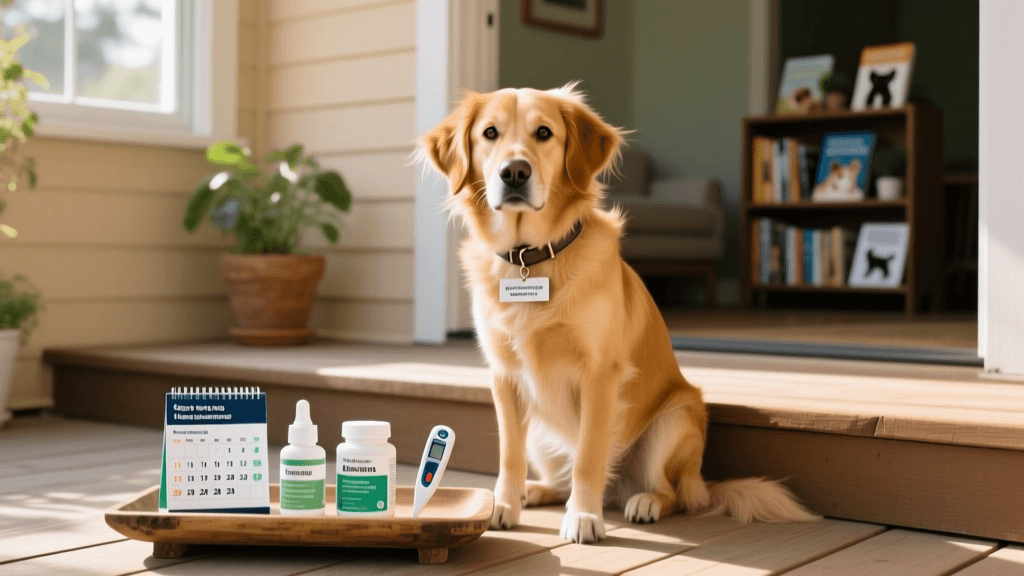
For dogs with mild to moderate anxiety or nausea, natural remedies and over-the-counter supplements can provide a gentle buffer against travel stress. These options generally have fewer side effects than prescription medications and are widely available.
- Ginger Root: Ginger is a well-documented natural antiemetic (anti-nausea remedy). You can administer ginger in the form of canine-specific chews or by adding a small amount of powdered ginger to your dog's food. The general dosage is about 1/4 teaspoon for small dogs and up to 3/4 teaspoon for large dogs, given 30 minutes before departure.
- L-Theanine and L-Tryptophan: These amino acids promote the production of dopamine and serotonin, neurotransmitters that induce relaxation. Products like Virbac Anxitane or Zesty Paws Calming Bites utilize these ingredients. They should be administered 30 to 45 minutes before the trip.
- Adaptil Transport Spray: Adaptil is a synthetic copy of the dog-appeasing pheromone that mother dogs produce to comfort their puppies. Spraying the car interior and your dog's bedding 15 minutes before travel can significantly reduce psychological stress. A standard 20ml bottle costs around $25 and provides approximately 40 applications.
- CBD Oil: High-quality, pet-specific CBD oil (containing less than 0.3% THC) interacts with the endocannabinoid system to reduce anxiety and nausea. Look for products with a Certificate of Analysis (COA) from a third-party lab. Dosages typically range from 1mg to 5mg per 10 pounds of body weight, given an hour before travel.
Prescription Medications for Severe Cases
When behavioral training and natural remedies are insufficient, veterinary intervention is necessary. According to the American Kennel Club, veterinarians can prescribe highly effective medications tailored to whether your dog is suffering from physical nausea, psychological anxiety, or both.
Cerenia (Maropitant Citrate)
Cerenia is the only FDA-approved medication specifically for the prevention of acute vomiting and motion sickness in dogs. It works by blocking substance P from binding to NK1 receptors in the brainstem. Unlike older antihistamines, Cerenia does not cause drowsiness. It is typically administered as a tablet at a dosage of 8 mg/kg, given at least two hours before travel. The cost is approximately $4 to $8 per pill, depending on your dog's weight.
Trazodone
Trazodone is an atypical antidepressant frequently used off-label as a situational anti-anxiety medication for dogs. It provides a mild sedative effect, keeping the dog calm and relaxed without completely knocking them out. It is usually dosed at 3 to 5 mg/kg and given 1.5 to 2 hours before the car ride. A common side effect is mild lethargy or ataxia (wobbliness), so it is best to test a dose at home before the actual travel day.
Gabapentin
Originally an anti-seizure and nerve pain medication, Gabapentin has become a staple in veterinary medicine for situational anxiety. It alters neurotransmitter release to produce a calming effect. It is often prescribed in combination with Trazodone for severe cases of travel panic. Gabapentin requires a veterinary prescription and a consultation fee, which typically ranges from $50 to $80, plus the cost of the medication.
Optimizing the In-Car Environment
Even the best medication cannot entirely compensate for a poor travel environment. Ensuring your dog's physical safety and comfort is a non-negotiable aspect of dog-friendly travel.
Crash-Tested Restraints
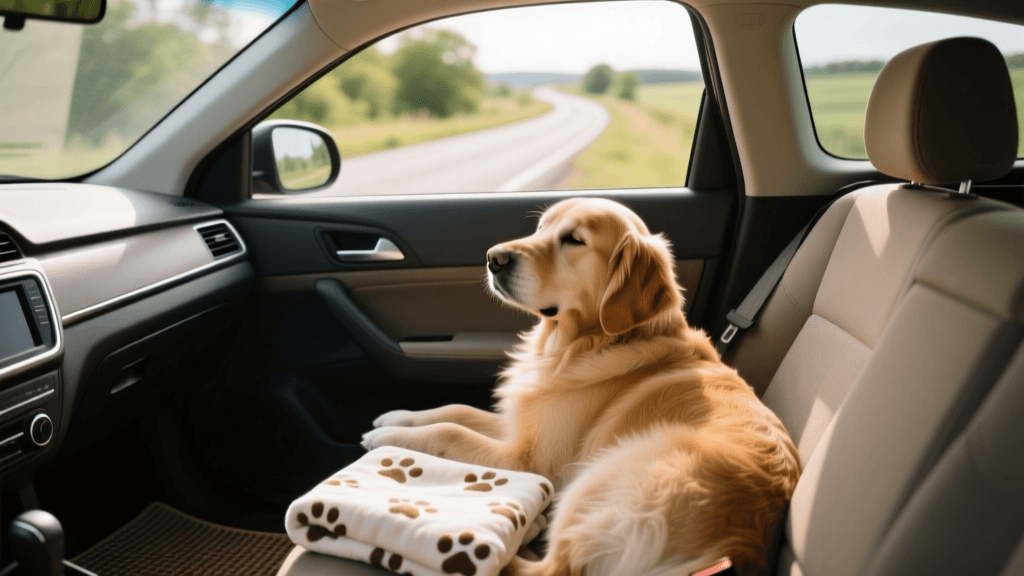
An unrestrained dog is a projectile in the event of a sudden stop or collision. Furthermore, roaming freely in the car exacerbates anxiety and motion sickness. Invest in a crash-tested restraint system. The Sleepypod Mobile Pet Bed (approx. $180-$220) is an excellent option for small dogs under 15 lbs, offering a cozy, enclosed space that straps directly into the seatbelt. For medium to large dogs, a crash-tested harness like the Kurgo Enhanced Strength Tru-Fit Harness (approx. $35) or the Sleepypod Clickit Sport (approx. $90) tethered to the vehicle's LATCH system or seatbelt is essential.
Climate Control and Airflow
Dogs regulate their body temperature primarily through panting, making them highly susceptible to heat exhaustion. Keep the car temperature between 68°F and 72°F (20°C - 22°C). Ensure that air conditioning vents are directed toward your dog, but avoid blasting air directly into their face, which can cause eye irritation and discomfort.
Visual Barriers
For dogs that experience visual overstimulation or get carsick from watching the horizon whip by, window covers or a covered crate can be a game-changer. Blocking the visual field forces the dog to rely on their other senses and often drastically reduces nausea.
Comparison Chart: Calming Options for Travel
| Option | Best For | Onset Time | Approx. Cost | Rx Needed? |
|---|---|---|---|---|
| Adaptil Spray | Mild anxiety, environmental stress | 15 minutes | $25 (bottle) | No |
| L-Theanine Chews | Mild to moderate nervousness | 30-45 minutes | $25-$35 | No |
| Cerenia | Severe motion sickness, vomiting | 2 hours | $4-$8 / pill | Yes |
| Trazodone | Moderate to severe travel anxiety | 1.5-2 hours | $15-$30 (bottle) | Yes |
| Gabapentin | Severe panic, multi-modal calming | 1-2 hours | $10-$25 (bottle) | Yes |
Creating a Safe and Engaging Itinerary
Managing travel health extends beyond the car ride itself; it encompasses how you structure your adventure. Dogs thrive on routine, and disrupting their schedule can lead to gastrointestinal upset and heightened stress.
Plan to stop every 2 to 3 hours for a 15-minute break. These stops should be in quiet, secure areas where your dog can sniff, hydrate, and relieve themselves on a leash. Avoid crowded, noisy rest stops if your dog is easily overwhelmed. Bring a familiar, collapsible silicone water bowl and offer small amounts of water frequently to prevent dehydration without causing a sloshing, uncomfortable stomach.
"Never feed your dog a full meal immediately before a long car ride. A light snack 2 to 3 hours prior to departure is sufficient to prevent an empty stomach (which can worsen nausea) without overloading their digestive system while in motion."
Finally, ensure your dog gets a vigorous 30-minute exercise session before loading into the car. A tired dog is naturally more inclined to sleep through the journey, bypassing the peak hours of travel anxiety and motion sickness. By combining behavioral conditioning, the right environmental setup, and targeted medical support when necessary, you can transform road trips from a stressful chore into a joyful, shared adventure.
tom-renshaw
All our authors care for dogs every day — read more of their work on the authors page.