Top 5 Quiet Dog Breeds for Apartments in 2026: Urban Renter Guide
Discover the top 5 quiet dog breeds for apartments in 2026. Learn urban renter routines, noise mitigation gear, and low-bark training tips.
The Urban Renter's Dilemma in 2026
As urban housing density continues to rise in 2026, apartment living with a dog requires careful planning, especially regarding noise. Thin walls and strict homeowners association (HOA) or rental lease noise clauses mean that a vocal dog can quickly lead to complaints or even eviction. For city dwellers and high-rise renters, selecting a naturally quiet breed is not just a preference—it is a necessity for harmonious living. According to the American Kennel Club (AKC), selecting a breed with a naturally lower vocal drive and adaptable temperament is the first step toward a successful apartment lifestyle.
However, a quiet breed is only half the equation. Proper environmental enrichment, sound-mitigation strategies, and specialized apartment gear are essential to ensure your dog remains calm and content in a confined space. This comprehensive guide explores the top five low-bark breeds for apartments in 2026, alongside actionable routines and gear recommendations to keep your urban sanctuary peaceful.
Top 5 Quiet Dog Breeds for Small Apartments
1. The Basenji
Famously known as the "barkless dog," the Basenji is a prime candidate for noise-sensitive environments. Instead of a traditional bark, they produce a unique yodel-like sound called a "baroo," which is significantly less likely to penetrate apartment walls. Basenjis are fastidious, cat-like groomers and generally keep to themselves. However, they are highly intelligent and prone to boredom. In 2026, canine behaviorists emphasize that Basenjis require rigorous mental enrichment, such as scent work and puzzle feeders, to prevent destructive behaviors that can arise from under-stimulation.
2. The Greyhound
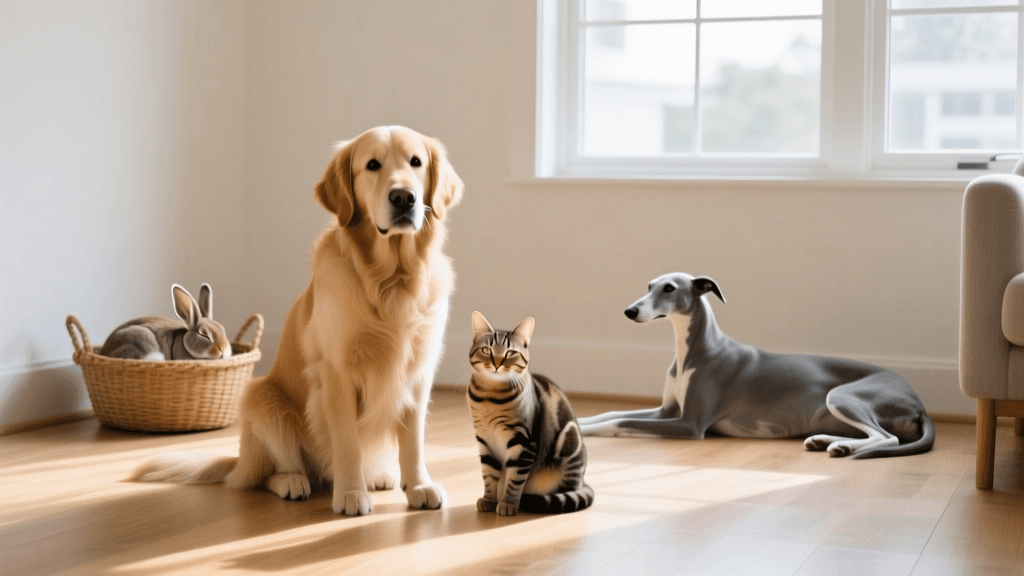
Despite their reputation as elite racing athletes, Greyhounds are famously dubbed "45-mph couch potatoes." They are incredibly docile, quiet, and sleep up to 18 hours a day, making them exceptional apartment companions. A retired racing Greyhound or a rescue from a dedicated Greyhound adoption group will typically require only a moderate daily walk and a soft bed. Their low vocal drive and gentle demeanor make them ideal for high-rise living where elevator etiquette and quiet hallways are paramount.
3. The Cavalier King Charles Spaniel
The Cavalier King Charles Spaniel is the quintessential lap dog. They are deeply bonded to their owners, highly adaptable, and rarely bark without a significant reason. Their moderate energy levels mean they are perfectly content with a couple of short neighborhood walks and indoor play sessions. Cavaliers thrive on companionship, so they are best suited for remote workers or those who can take their dogs to dog-friendly offices, as isolation can trigger separation anxiety and subsequent whining.
4. The Japanese Chin
With a history rooted in Asian royalty, the Japanese Chin is an aristocratic, feline-like companion. They are remarkably quiet, observant, and perfectly suited to the spatial constraints of a studio or one-bedroom apartment. They require minimal exercise and are highly attuned to their owner's emotions. Their silky coat does require regular brushing, but their overall low-maintenance lifestyle and near-silent demeanor make them a top-tier choice for urbanites in 2026.
5. The French Bulldog
The French Bulldog remains one of the most popular apartment dogs globally. They are stubborn but notably quiet, preferring to snore on the sofa rather than bark at the mail carrier. Prospective owners in 2026 must be aware of Brachycephalic Obstructive Airway Syndrome (BOAS). Investing in a harness rather than a collar, avoiding strenuous exercise in heat, and maintaining a strict diet to prevent obesity are critical for their health and comfort in a small space.
2026 Apartment Dog Breed Comparison Chart
| Breed | Avg Weight | Bark Level | Energy Level | 2026 Avg Cost (Puppy/Adoption) |
|---|---|---|---|---|
| Basenji | 22-24 lbs | Very Low (Yodels) | High | $1,800 - $2,500 |
| Greyhound | 60-70 lbs | Very Low | Low (Indoors) | $300 - $500 (Rescue) |
| Cavalier King Charles | 13-18 lbs | Low | Moderate | $2,500 - $3,500 |
| Japanese Chin | 7-11 lbs | Very Low | Low | $2,000 - $2,800 |
| French Bulldog | 16-28 lbs | Low | Low to Moderate | $3,000 - $5,000 |
Essential Apartment Gear for 2026
Living in a high-rise or multi-family dwelling requires specialized gear to manage potty breaks, noise, and boredom. Here are the top-rated products for apartment dog owners this year:
- Hydroponic Grass Patches (e.g., Fresh Patch or DoggyLawn): For high-rise residents, taking the elevator down multiple times a day for potty breaks can be tedious. Subscription-based hydroponic grass delivery services cost around $35 to $45 per month in 2026. They provide a natural, odor-absorbing surface on your balcony or near your entryway, drastically reducing indoor accidents.
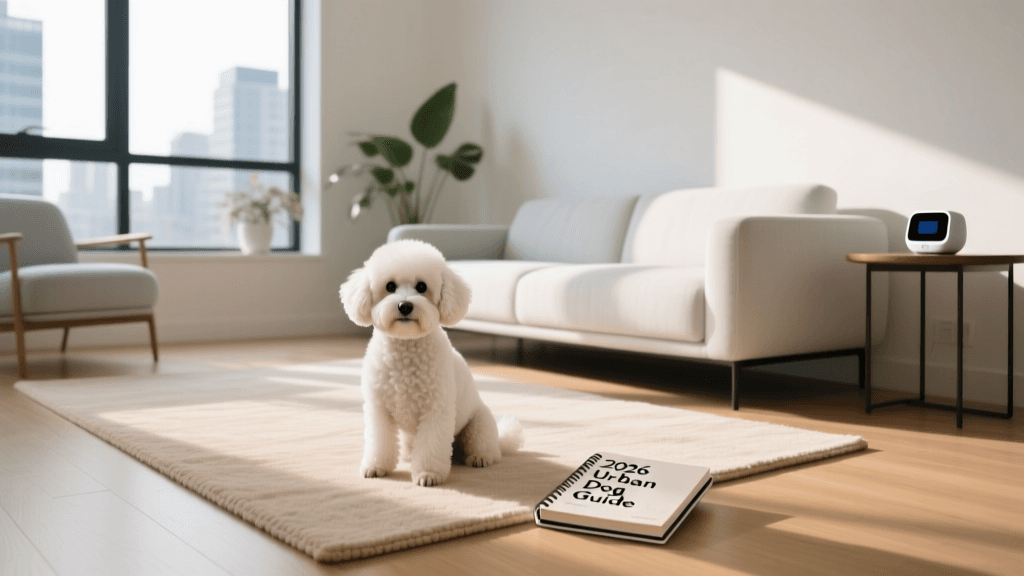
- White Noise Machines (e.g., Yogasleep Dohm Classic): Hallway foot traffic and neighboring conversations can trigger territorial barking. The Yogasleep Dohm Classic (retailing around $49.99) uses an internal fan to create a soothing, non-looping ambient sound that masks sudden noises, keeping your dog in a relaxed state.
- Interactive Puzzle Toys (e.g., Outward Hound Nina Ottosson Dog Brick): The ASPCA notes that boredom is a leading cause of excessive barking. Puzzle toys that require your dog to slide compartments and lift flaps to reveal treats engage their cognitive functions, tiring them out mentally without requiring a massive backyard.
- LickiMat Soother: Spreading plain yogurt or dog-safe peanut butter on a textured silicone mat and freezing it provides a long-lasting, anxiety-reducing activity. Licking releases endorphins in dogs, making this an excellent tool to use when you are leaving for work or when guests are arriving.
Proactive Noise Mitigation Strategies
Even the quietest dog may occasionally vocalize. Proactive noise mitigation protects your relationship with your neighbors and your landlord. Consider installing acoustic dampening panels on shared walls. In 2026, peel-and-stick acoustic foam tiles are aesthetically pleasing and highly effective at absorbing mid-to-high frequency sounds like whines or sharp barks. Additionally, utilizing heavy blackout curtains not only blocks visual triggers (like passing cars or pedestrians) that might incite barking but also adds a layer of sound insulation to your windows.
Training the "Quiet" Command
Teaching your dog the "Quiet" command is an indispensable skill for apartment living. Follow this step-by-step protocol:
- Trigger the Bark: Have a friend knock on the door or ring the bell to prompt a bark.
- Mark and Reward: Allow two or three barks, then say "Quiet" in a calm, firm voice.
- Redirect Attention: Immediately present a high-value treat (like freeze-dried liver) right at their nose. The dog must stop barking to sniff the treat.
- Delay the Reward: Gradually increase the time between the "Quiet" command and the treat delivery, building their impulse control.
- Generalize: Practice this in various scenarios—when the elevator dings, when the garbage truck passes, and when neighbors walk by.
Final Thoughts
Sharing an apartment with a dog in 2026 is a deeply rewarding experience that requires strategic breed selection and environmental management. By choosing a naturally low-bark breed like the Greyhound or Japanese Chin, investing in sound-mitigation gear, and committing to daily mental enrichment, you can create a tranquil urban oasis for both you and your canine companion. Always prioritize positive reinforcement and proactive routines to ensure your life with your dog remains harmonious, regardless of your square footage.
priya-sutaria
All our authors care for dogs every day — read more of their work on the authors page.