Understanding Canine OA Pain Signals & 2026 Treatments
Learn how to decode subtle canine osteoarthritis pain behaviors and explore the latest 2026 treatments, including Librela and joint supplements.
Osteoarthritis (OA) is a degenerative joint disease that affects a significant portion of the aging canine population. However, because dogs are masters at masking their discomfort, many owners fail to recognize the early signs of joint pain. Understanding your dog requires looking beyond obvious limping and tuning into the subtle psychological and behavioral shifts that indicate chronic pain. As we move through 2026, veterinary medicine has made incredible strides in managing canine OA, moving far beyond traditional NSAIDs to offer targeted, long-term relief. This guide will help you decode your dog’s hidden pain signals and explore the most effective, modern treatment protocols available today.
The Evolutionary Psychology of Masking Pain
To truly understand why your dog hides their osteoarthritis pain, we must look at their evolutionary history. In the wild, displaying weakness or injury makes an animal a target for predators and can lead to ostracization from the pack. While our domesticated dogs live in the safety of our homes, these deep-seated survival instincts remain hardwired into their psychology.
Dogs do not complain, cry, or verbally articulate their discomfort the way humans do. Instead, they adapt. They quietly alter their daily routines to avoid movements that trigger joint pain. This stoicism is a double-edged sword; while it is a testament to their resilience, it often delays diagnosis until the cartilage degradation is severe. Recognizing that your dog is biologically programmed to hide their pain is the first step in becoming a proactive advocate for their joint health.
Behavioral Shifts: What Your Dog is Trying to Tell You
Because physical lameness is often a late-stage symptom of OA, behavioral changes are usually the earliest indicators of joint discomfort. Many owners mistakenly attribute these shifts to "old age" or cognitive decline, when in reality, they are coping mechanisms for chronic pain.
Reluctance and Avoidance
If your once-enthusiastic dog now hesitates before jumping into the car, avoids climbing the stairs, or chooses to lie on the floor instead of their favorite elevated dog bed, they are actively managing their pain threshold. They are not being lazy; they are making calculated decisions to protect their aching joints.
Irritability and Reactivity
Chronic pain takes a massive psychological toll. A dog suffering from undiagnosed OA may become snappy when petted, especially around the hips or lower back. They might growl when approached while resting or show a shortened fuse with other household pets. This reactivity is not sudden aggression; it is a defensive reflex triggered by the anticipation of pain.
Changes in Sleep and Grooming
Joint pain can severely disrupt a dog’s sleep cycle. You might notice your dog pacing at night, struggling to find a comfortable position, or sleeping excessively during the day due to poor nighttime rest. Additionally, dogs with advanced hip or spine OA often lose the flexibility required to groom themselves, leading to a scruffy or unkempt coat, particularly around the hindquarters.
Reading the Physical Body Language of OA
Beyond behavior, your dog’s physical posture and micro-expressions offer vital clues about their joint health. The WSAVA Global Pain Council emphasizes the importance of observing the "Canine Grimace Scale" and overall body carriage to assess chronic discomfort.
- Weight Shifting: A dog with early-stage OA will often shift their weight away from the affected limb while standing. You may notice them leaning heavily onto their front legs if their hips are sore.
- The "Bunny Hop": Instead of using their hind legs alternately when trotting or running, a dog with bilateral hip OA may lock both hind legs together and move them simultaneously to distribute the impact evenly.
- Hunched Posture: A tucked abdomen and a hunched, roached back can indicate severe spinal or hip discomfort, as the dog attempts to relieve pressure on their nerve roots and joints.
- Facial Tension: Look for a flattened ear position, narrowed eyes, and a tense muzzle. These micro-expressions are involuntary responses to chronic, low-grade pain.
Modern 2026 Treatments: Beyond Basic Painkillers
The veterinary landscape in 2026 offers a multi-modal approach to canine OA, focusing on halting disease progression, managing pain, and improving quality of life. The days of relying solely on traditional Non-Steroidal Anti-Inflammatory Drugs (NSAIDs) are behind us, as newer, targeted therapies provide safer, long-term solutions.
Monoclonal Antibodies (Anti-NGF Therapy)
The most significant breakthrough in recent years, which continues to dominate 2026 treatment protocols, is the use of anti-Nerve Growth Factor (anti-NGF) monoclonal antibodies. Bedinvetmab, widely known by the brand name Librela, is administered as a monthly subcutaneous injection. Unlike NSAIDs that process through the liver and kidneys, Librela specifically targets the NGF protein that transmits pain signals from the joints to the brain. This targeted approach provides profound pain relief with minimal systemic side effects, making it a game-changer for senior dogs with compromised organ function.
EP4 Receptor Antagonists
For dogs that require daily oral medication, Grapipant (Galliprant) remains a cornerstone of OA management. By specifically blocking the EP4 prostaglandin receptor—the primary mediator of pain and inflammation in OA—Gallipant offers effective relief with a significantly lower risk of gastrointestinal and renal side effects compared to older, non-selective NSAIDs.
Regenerative Medicine and Joint Supplements
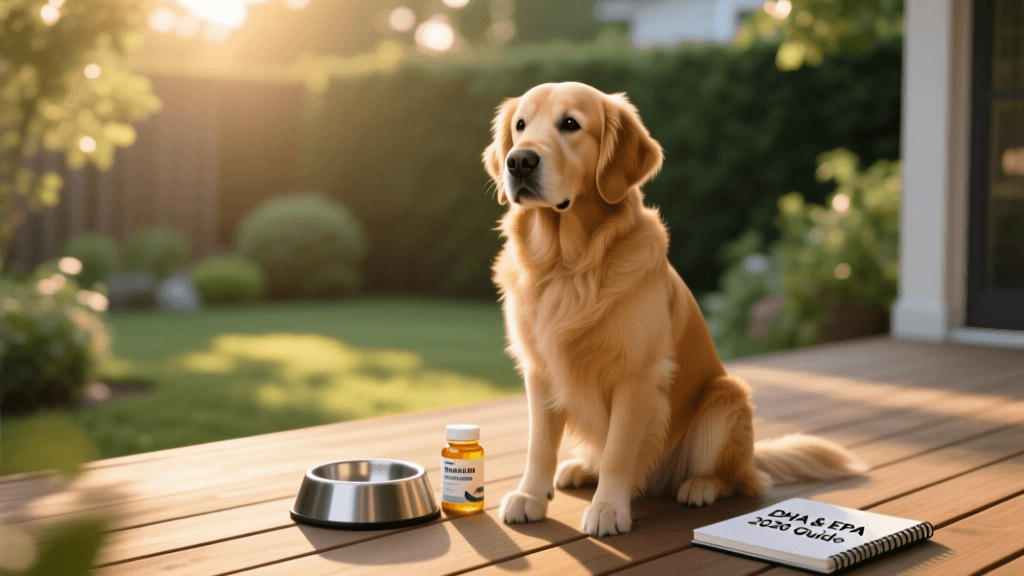
In 2026, regenerative therapies such as Platelet-Rich Plasma (PRP) and mesenchymal stem cell therapy are more accessible than ever. These treatments aim to reduce intra-articular inflammation and promote tissue healing. Furthermore, veterinary-formulated joint supplements containing high levels of Omega-3 fatty acids (EPA/DHA), undenatured type II collagen, and green-lipped mussel extract are heavily recommended by the Canine Osteoarthritis Staging Tool (COAST) group as essential daily baselines for joint lubrication and cartilage support.
Comparison Chart: 2026 Canine OA Treatment Options
| Treatment Modality | Type | Mechanism of Action | Best Suited For |
|---|---|---|---|
| Bedinvetmab (Librela) | Monthly Injection | Neutralizes Nerve Growth Factor (NGF) to block pain signaling. | Senior dogs, dogs with liver/kidney concerns, moderate to severe OA. |
| Grapipant (Galliprant) | Daily Oral Tablet | Targets the EP4 receptor to reduce specific OA inflammation. | Dogs needing daily oral control, early to moderate OA stages. |
| Adequan Canine | Polysulfated Glycosaminoglycan (PSGAG) Injection | Inhibits cartilage degradation and stimulates joint fluid production. | Early-stage OA, active dogs needing cartilage protection. |
| PRP / Stem Cell Therapy | Regenerative In-Clinic Procedure | Modulates the immune response and promotes tissue repair. | Focal joint issues, dogs unresponsive to traditional medications. |
Psychological Enrichment for Mobility-Restricted Dogs
Treating the physical pain of OA is only half the battle. As your dog's physical mobility decreases, their psychological need for mental stimulation remains unchanged. A lack of physical exercise can lead to boredom, anxiety, and destructive behaviors. As noted by the American Kennel Club, adapting your dog's enrichment routine is vital for their overall well-being.
Scent Work and Snuffle Mats
Scent work is incredibly taxing on a dog’s brain and requires minimal physical exertion. Hiding high-value treats in a snuffle mat or setting up a simple indoor scent trail allows your dog to engage their natural foraging instincts without putting stress on their joints. Ten minutes of intensive sniffing can provide the same mental fatigue as a long walk.
Food Puzzles and Lick Mats
Ditch the standard food bowl and transition to interactive food puzzles or frozen lick mats. The act of licking is naturally soothing for dogs, releasing endorphins that help reduce anxiety and pain perception.
Low-Impact Training
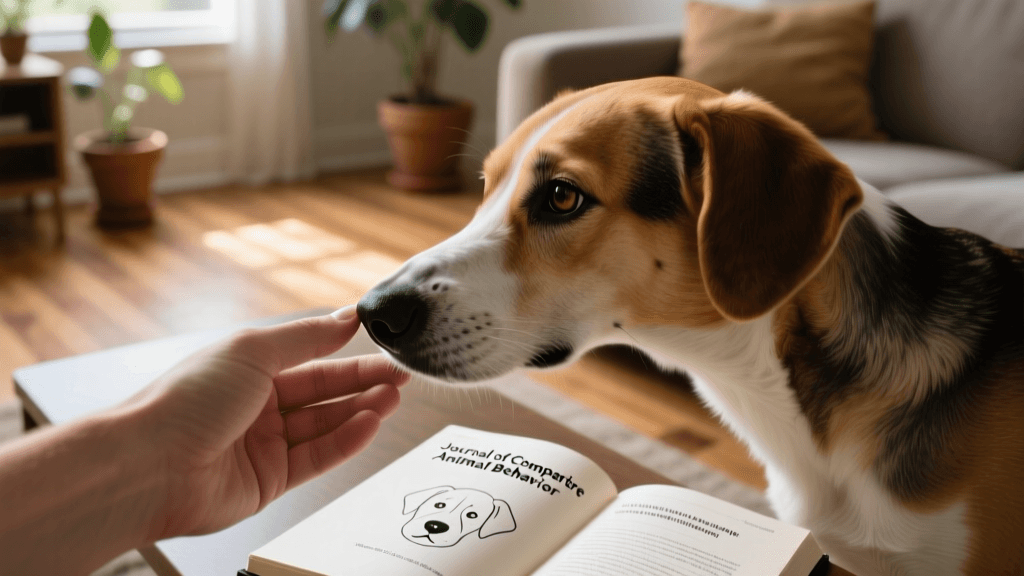
Teach your dog new, low-impact tricks that can be performed from a lying down or sitting position. Target training, where the dog touches their nose to a stick or your hand, is an excellent way to keep their cognitive functions sharp and maintain a strong, positive bond with you.
Creating a Joint-Friendly Home Environment
Your home environment should act as an extension of your dog's OA treatment plan. Simple modifications can drastically reduce the daily wear and tear on their joints.
- Orthopedic Bedding: Invest in a high-density, memory foam orthopedic bed that supports the spine and prevents pressure sores on the elbows and hocks.
- Traction Control: Slippery hardwood or tile floors are a nightmare for dogs with weak hind legs. Use interlocking foam mats or non-slip area rugs to provide secure footing and prevent catastrophic slips.
- Ramps and Stairs: Never force an OA dog to jump into an SUV or onto a bed. Use sturdy, gently sloped ramps with high-traction surfaces to preserve their independence safely.
- Elevated Bowls: For large breed dogs with cervical (neck) or shoulder OA, slightly elevated food and water bowls can reduce the strain of bending down to eat.
Conclusion
Understanding your dog’s osteoarthritis requires a shift in perspective. By looking past the stoic facade and recognizing the subtle behavioral and physical cues of chronic pain, you can intervene long before their quality of life severely declines. The 2026 veterinary toolkit—highlighted by revolutionary treatments like Librela, targeted oral medications, and advanced regenerative therapies—offers unprecedented hope for managing this progressive disease. Combine these medical interventions with psychological enrichment and environmental modifications, and you can ensure your loyal companion remains comfortable, happy, and engaged in their golden years. Always consult with your veterinarian to tailor a multi-modal pain management plan specific to your dog's unique needs.
tom-renshaw
All our authors care for dogs every day — read more of their work on the authors page.