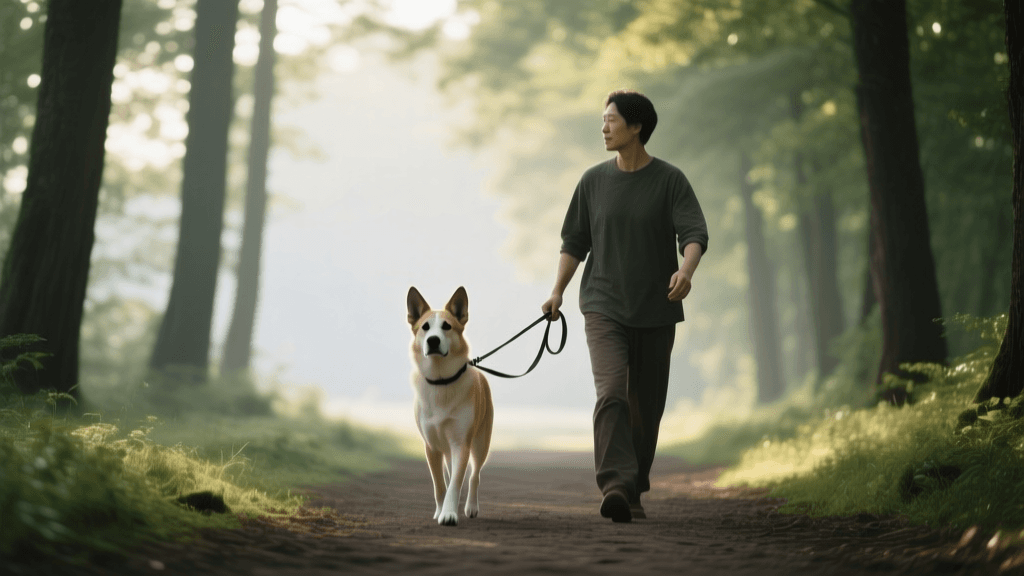
Managing Leash Reactivity: Thresholds & Engage-Disengage 2026
Learn to manage leash reactivity in 2026 by understanding threshold distances and mastering the engage-disengage game for a calmer dog.
Understanding Canine Leash Reactivity in 2026
As we navigate the densely populated urban and suburban environments of 2026, leash reactivity has emerged as one of the most prevalent behavioral challenges reported by dog owners. Reactivity—characterized by barking, lunging, growling, or freezing while on a leash—is frequently misunderstood as outright aggression or stubborn disobedience. However, modern canine psychology and veterinary behaviorists emphasize that the vast majority of leash reactivity is rooted in fear, anxiety, frustration, or a lack of adequate socialization during critical developmental windows.
For owners managing an anxious or reactive dog, the sidewalk can feel like a minefield. Every passing dog, cyclist, or loud vehicle can trigger an explosive response. The key to successfully managing and rehabilitating a reactive dog lies not in suppressing the behavior through force, but in understanding the underlying emotional drivers and systematically changing the dog's emotional response to their triggers. At the core of this rehabilitative process is the concept of the 'threshold' and the application of evidence-based counter-conditioning protocols, most notably the Engage-Disengage game.
The Neurobiology of the Threshold
To effectively manage a reactive dog, you must first understand what happens inside their brain when they encounter a trigger. The 'threshold' is the imaginary line or specific distance at which a dog transitions from a state of calm awareness to a state of emotional arousal. When a dog notices a trigger (like another dog) from a distance, their sensory processing centers evaluate the threat. If the trigger is far enough away, the dog remains under their 'threshold,' and their prefrontal cortex—the area of the brain responsible for learning, decision-making, and impulse control—remains active.
However, as the trigger crosses the threshold distance, the dog's amygdala hijacks their nervous system. The sympathetic nervous system activates the 'fight or flight' response, flooding the body with cortisol and adrenaline. In this 'over-threshold' state, the prefrontal cortex essentially shuts down. From a psychological and neurological standpoint, it is biologically impossible for a dog to learn new behaviors, process complex commands, or accept food rewards when they are over threshold. Therefore, all effective reactivity training in 2026 must occur strictly under the dog's threshold distance.
Mapping Your Dog's Threshold Zones
Every dog has a unique threshold distance, which can fluctuate daily based on their sleep quality, physical health, and cumulative stress levels (often referred to as 'trigger stacking'). Understanding these zones is critical for safe decompression walks and structured training sessions.
| Zone Name | Distance (Example) | Canine Body Language | Neurological State | Handler Action |
|---|---|---|---|---|
| Green Zone (Under Threshold) | 50+ feet | Relaxed posture, soft eyes, willing to take treats, sniffing the environment. | Prefrontal cortex active; parasympathetic nervous system dominant. Capable of learning. | Engage in training, counter-conditioning, and reward-based games. |
| Yellow Zone (Approaching Threshold) | 30-50 feet | Ears pinned back, closed mouth, stiff tail, whale eye, refusing high-value treats. | Amygdala activating; stress hormones rising. Learning capacity rapidly declining. | Increase distance immediately, use calming signals, toss treats on the ground to encourage sniffing. |
| Red Zone (Over Threshold) | Under 30 feet | Lunging, barking, snapping, raised hackles, panting heavily, or complete freezing. | Full sympathetic nervous system override. 'Fight or flight' mode. Zero learning capacity. | Do not train. Calmly and swiftly remove the dog from the situation. Do not punish the reaction. |
The Engage-Disengage Game: A 2026 Standard for Reactivity
Developed by renowned dog trainer Leslie McDevitt in her seminal 'Control Unleashed' program, the Engage-Disengage game remains the gold standard for treating leash reactivity. This protocol leverages classical and operant conditioning to change the dog's emotional response from 'Trigger = Threat' to 'Trigger = Good Things Happen.' Here is the step-by-step methodology recommended by modern behaviorists:
Level 1: Mark and Reward
Step 1: The Engage. While walking in a controlled environment where you can manage the distance to triggers, wait for your dog to notice a trigger (e.g., a dog walking on the opposite side of the street). Ensure you are in the Green Zone. The moment your dog looks at the trigger, use a marker word like 'Yes!' or click a clicker.
Step 2: The Reward. Immediately follow the marker with a high-value food reward (such as boiled chicken or freeze-dried liver). The goal here is simply to build an association: seeing the trigger predicts a delicious reward.
Step 3: The Disengage. After a few repetitions, your dog will begin to anticipate the treat after looking at the trigger. When they look at the trigger and then voluntarily turn their head back to look at you (the disengage), mark that head turn with your 'Yes!' and reward generously.
Level 2: The Voluntary Check-In
Once your dog is consistently disengaging and looking at you for the treat in Level 1, you move to Level 2. In this phase, when the dog notices the trigger, you stay completely silent. Do not mark and do not prompt. Wait for the dog to process the trigger and voluntarily disengage to look at you. The moment they make eye contact with you, mark and reward. This phase empowers the dog to make the choice to look away from the trigger, building deep-seated confidence and impulse control.
Modern Environmental Management and Gear
Training is only half the battle; environmental management is the other. In 2026, we have access to better tools and a deeper understanding of canine enrichment than ever before. For reactive dogs, 'decompression walks' in low-traffic, nature-dense areas are vital for lowering baseline cortisol levels. Using a long line (15 to 30 feet) attached to a well-fitted, Y-front harness allows the dog to sniff and explore safely without the restrictive tension of a short leash, which can inherently increase frustration and anxiety.
Additionally, visual barriers are highly effective. If you live in a dense urban area, applying frosted window film to lower windows can prevent your dog from rehearsing barrier frustration and reactivity at home. For walks, utilizing a 'snuffle mat' or scatter-feeding treats in the grass can engage the dog's seeking system, which neurologically counteracts the fear system.
Avoiding Aversive Pitfalls in Reactivity Training
Despite the overwhelming consensus in the veterinary and behavioral communities, some outdated training methods still circulate online. It is critical to avoid the use of aversive tools such as prong collars, choke chains, or electronic shock collars when dealing with a fearful or reactive dog. While these tools may suppress the outward symptoms of reactivity (the barking and lunging) through pain or fear, they do not change the underlying emotional response. In fact, they often worsen the anxiety, leading to 'shut down' behaviors or sudden, unpredictable bites without warning signs.
The American Veterinary Society of Animal Behavior (AVSAB) maintains strict position statements against the use of punishment-based training, noting that aversives can cause severe psychological harm and exacerbate fear-based aggression. Similarly, the American Kennel Club (AKC) and the ASPCA strongly advocate for positive reinforcement, counter-conditioning, and desensitization as the safest and most effective methods for addressing leash reactivity. By focusing on changing the dog's emotional state rather than merely suppressing their symptoms, we build a foundation of trust that lasts a lifetime.
When to Seek Professional Help
Managing a reactive dog requires immense patience, consistency, and emotional regulation from the handler. If you find that your dog's reactivity is escalating, if they have a history of biting, or if you are feeling overwhelmed, it is time to seek professional guidance. Look for a certified veterinary behaviorist or a fear-free certified professional dog trainer who utilizes force-free, science-based methodologies. In some cases, a consultation with your veterinarian regarding short-term or long-term anti-anxiety medications may be recommended to lower the dog's baseline arousal, making behavioral modification significantly more effective.
Conclusion
Leash reactivity is not a reflection of a 'bad' dog or a failing owner; it is a manifestation of a nervous system struggling to cope with overwhelming stimuli. By respecting your dog's threshold distances, utilizing the Engage-Disengage game, and managing their environment, you can help your anxious dog navigate the world with greater confidence and calm. In 2026, the focus of canine behavioral science is firmly on empathy, neurobiology, and positive reinforcement—providing a clear, compassionate roadmap for transforming your reactive dog's walking experience from a source of stress into an opportunity for connection and growth.
marcus-aldridge
All our authors care for dogs every day — read more of their work on the authors page.