Hidden Household Toxins: A Room-by-Room Dog-Proofing Guide
Discover hidden household toxins and learn room-by-room dog-proofing strategies to keep your pet safe from common indoor hazards and poisonous plants.
The Hidden Dangers Lurking in Your Home
Bringing a dog into your home is a joyous occasion, but it also requires a significant shift in how you view your living space. Dogs, much like human toddlers, explore their environment using their mouths and noses. However, unlike toddlers, dogs cannot read warning labels, and their unique metabolisms make them highly susceptible to everyday household items that humans consider completely safe. According to veterinary toxicologists, thousands of pets are treated for accidental poisoning every year, with the vast majority of these incidents occurring right inside the home. Effective dog-proofing goes far beyond simply putting away shoes and hiding the trash; it requires a meticulous, room-by-room audit of chemical, biological, and physical hazards.
In this comprehensive guide, we will break down the most common hidden toxins in your home, explain the physiological risks they pose to your canine companion, and provide actionable, specific upgrades you can implement today to create a truly safe sanctuary for your dog.
The Kitchen: A High-Risk Zone for Canines
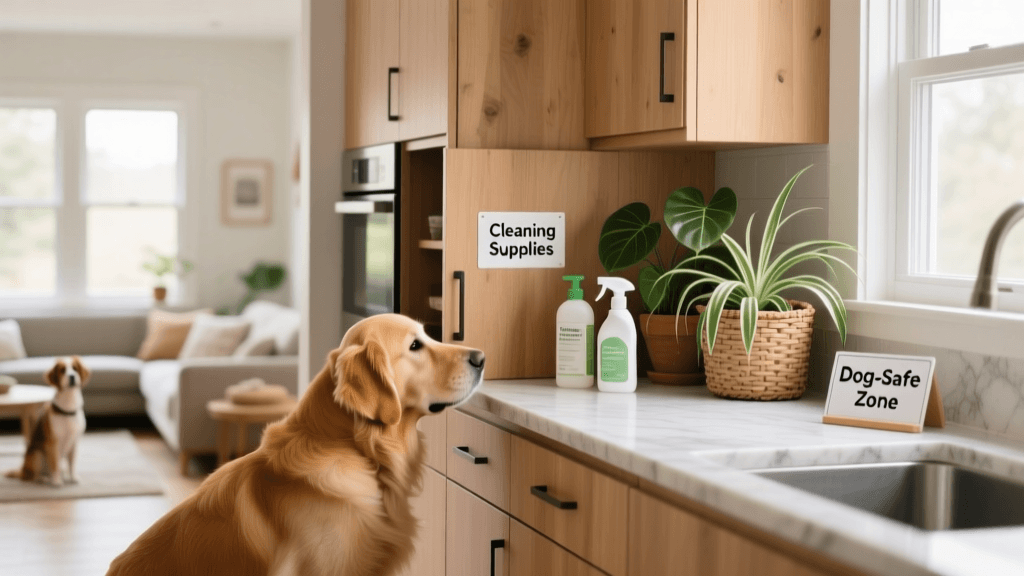
The kitchen is arguably the most dangerous room in the house for a dog. It is a hub of food preparation, chemical storage, and waste disposal, all of which present severe risks. The most notorious kitchen hazard is xylitol, an artificial sweetener found in sugar-free gum, mints, baked goods, and even some brands of peanut butter. While harmless to humans, xylitol triggers a massive, rapid release of insulin in dogs, leading to profound hypoglycemia (low blood sugar) and, in severe cases, acute liver failure. Ingestion of as little as 0.1 grams per kilogram of body weight can be toxic.
Beyond xylitol, the kitchen harbors other severe food-based threats. Grapes and raisins can cause idiosyncratic acute kidney injury, while onions, garlic, and chives (alliums) contain N-propyl disulfide, which damages canine red blood cells and leads to hemolytic anemia. Macadamia nuts can cause severe lethargy, hyperthermia, and hind-limb weakness.
Actionable Kitchen Upgrades
- Trash Containment: Replace open or easily nudged trash cans with a heavy-duty, locking option. The simplehuman 13-Gallon Step Can with Lock (approx. $120) features a secure lid mechanism that prevents dogs from foraging for cooked bones (which can splinter and puncture the GI tract) or spoiled food containing bacterial toxins.
- Cabinet Security: Install magnetic cabinet locks on all lower cabinetry. Products like the Safety 1st Magnetic Cabinet Locks (approx. $18 for an 8-pack) require a magnetic key to open, ensuring your dog cannot paw open doors to access dishwashing detergents, oven cleaners, or stored human medications.
- Pantry Audits: Store all peanut butter, sugar-free items, and baking supplies on shelves that are at least 5 feet off the ground, as large dogs can easily reach lower shelves by standing on their hind legs.
The Living Room: Botanical and Electrical Hazards
The living room is designed for comfort, but it often contains decorative elements that are highly toxic to dogs. Houseplants are a major culprit. The Sago Palm (Cycas revoluta), a popular indoor decorative tree, is exceptionally toxic. All parts of the plant contain cycasin, which causes severe gastrointestinal bleeding, liver failure, and central nervous system damage. Even a single seed can be fatal. Other common toxic plants include Pothos, Aloe Vera, and Peace Lilies, which contain insoluble calcium oxalate crystals that cause intense oral pain, drooling, and airway swelling when chewed.
Another hidden danger in the living room is the tangle of electrical cords behind the television and entertainment center. Chewing on a live wire can result in severe oral burns, pulmonary edema (fluid in the lungs), and fatal electrocution. Furthermore, many pet owners use essential oil diffusers in their living spaces to freshen the air. Oils such as tea tree, eucalyptus, citrus, and pine are highly toxic to dogs when inhaled or absorbed through the skin, potentially causing respiratory distress, ataxia, and liver damage.
Actionable Living Room Upgrades
- Plant Relocation: Remove all toxic plants from the home entirely. If you must keep them, place them in hanging planters suspended at least 6 feet from the floor. Always consult the ASPCA Toxic and Non-Toxic Plants database before bringing any new greenery into your home.
- Cord Management: Bundle and conceal all electrical wiring using split loom tubing or rigid cord channels. The JOTO Cable Management Sleeve (approx. $12 for 10 feet) or hard PVC cord covers (approx. $15) physically block access to the wires and eliminate the tactile temptation of chewing.
- Air Quality: Discontinue the use of essential oil diffusers. Opt for pet-safe HEPA air purifiers, such as the Levoit Core 300 (approx. $99), which physically remove dander and odors without introducing volatile organic compounds (VOCs) into the air.
The Bathroom and Laundry Room: Chemical and Pharmaceutical Dangers
Bathrooms and laundry rooms are repositories for concentrated chemicals and human medications. Dogs are notoriously adept at breaking into pill bottles; a dog's jaw pressure can easily crush a child-proof cap, giving them access to dozens of pills at once. Human non-steroidal anti-inflammatory drugs (NSAIDs) like ibuprofen and naproxen are highly toxic to dogs, causing severe gastric ulceration and acute renal failure even at low doses. Acetaminophen interferes with a dog's red blood cells' ability to carry oxygen, leading to methemoglobinemia.
In the laundry room, liquid laundry detergent pods pose a unique risk. When punctured by a dog's teeth, the highly concentrated, pressurized detergent can shoot directly into the back of the throat, causing severe chemical burns, vomiting, and aspiration pneumonia if the foam is inhaled into the lungs.
Actionable Bathroom Upgrades
- Medication Storage: Never leave medications on the bathroom counter or in low cabinets. Store all human and veterinary medications in a high, locked medicine cabinet or a lockbox. Keep the national emergency numbers clearly posted on the cabinet door.
- Toilet Safety: Keep the toilet lid closed at all times, especially if you use automatic drop-in toilet bowl cleaners. These tablets contain concentrated bleach or other harsh chemicals that can cause severe esophageal and gastric burns if a dog drinks from the bowl.
The Garage and Entryway: Automotive and Outdoor Toxins
The garage and the transition zones to the outdoors harbor some of the most lethal substances known to veterinary medicine. Antifreeze (coolant) typically contains ethylene glycol, a chemical with a sweet taste that is highly attractive to dogs. Ethylene glycol is rapidly absorbed and metabolized into toxic acids and calcium oxalate crystals, which destroy the kidneys. Ingestion of just one teaspoon can be fatal to a 10-pound dog. Similarly, rodenticides (rat poison) and certain fertilizers contain anticoagulants or cholecalciferol, which cause internal bleeding or lethal spikes in blood calcium levels.
Quick Reference: Common Household Toxins and Symptoms
| Hazard | Common Location | Toxicity Level | Immediate Symptoms |
|---|---|---|---|
| Xylitol | Kitchen (gum, peanut butter) | Extreme | Vomiting, lethargy, collapse, seizures |
| Sago Palm | Living Room (decorative plant) | Extreme | Vomiting, melena (black stool), jaundice |
| Ibuprofen | Bathroom (medicine cabinet) | High | Abdominal pain, vomiting blood, increased thirst |
| Ethylene Glycol | Garage (antifreeze spills) | Extreme | 'Drunken' gait, excessive urination, acute kidney failure |
| Laundry Pods | Laundry Room (low shelves) | High | Hypersalivation, oral burns, respiratory distress |
Essential Dog-Proofing Products and Estimated Costs
Investing in dog-proofing equipment is a fraction of the cost of an emergency veterinary visit. Here is a structured list of highly recommended upgrades to secure your home environment:
- Heavy-Duty Locking Trash Can: simplehuman 13-Gallon Step Can ($120 - $150). Prevents access to hazardous food waste and bones.
- Magnetic Cabinet Locks: Safety 1st Magnetic Locks, 8-pack ($18 - $22). Secures lower kitchen and bathroom cabinets against pawing.
- Hard PVC Cord Covers: Yecaye Cord Channel, 120 inches ($15 - $20). Prevents electrocution and oral burns from chewed wires.
- Pet-Safe Enzymatic Cleaner: Nature's Miracle Advanced Stain and Odor Eliminator ($12 - $15). Cleans accidents without using ammonia, which can actually attract dogs back to the same spot to re-soil.
- Smart Pet Camera: Furbo Dog Camera ($150 - $180). Allows you to monitor your dog's behavior remotely, dispense treats, and use two-way audio to issue a 'leave it' command if they approach a hazard while you are in another room.
Emergency Protocols and Conclusion
Even with the most rigorous dog-proofing, accidents can happen. Time is the most critical factor when a dog ingests a toxic substance. Do not attempt to induce vomiting using hydrogen peroxide unless explicitly instructed to do so by a veterinary professional, as this can cause severe aspiration pneumonia or exacerbate esophageal damage from caustic substances.
Save These Numbers Now:
ASPCA Animal Poison Control Center: (888) 426-4435
Pet Poison Helpline: (855) 764-7661
Note: Consultation fees may apply, but these services are available 24/7 and are staffed by veterinary toxicologists.
Creating a safe home environment is an ongoing process. As your dog ages, their mobility and curiosity will change, requiring you to reassess your dog-proofing strategies. By understanding the hidden toxins in your kitchen, living room, bathroom, and garage, and by implementing physical barriers and secure storage solutions, you can drastically reduce the risk of accidental poisoning. For further reading on specific toxic substances and to verify the safety of items in your home, always refer to the ASPCA Animal Poison Control and the comprehensive database at the Pet Poison Helpline. Your vigilance is your dog's best defense against the hidden dangers of the modern home.
marcus-aldridge
All our authors care for dogs every day — read more of their work on the authors page.