Is Your Dog Grumpy Or In Pain? 2026 Canine OA Treatments
Discover how canine osteoarthritis alters your dog's behavior and body language. Explore the latest 2026 OA treatments to restore their comfort and joy.
The Hidden Psychology of Canine Osteoarthritis
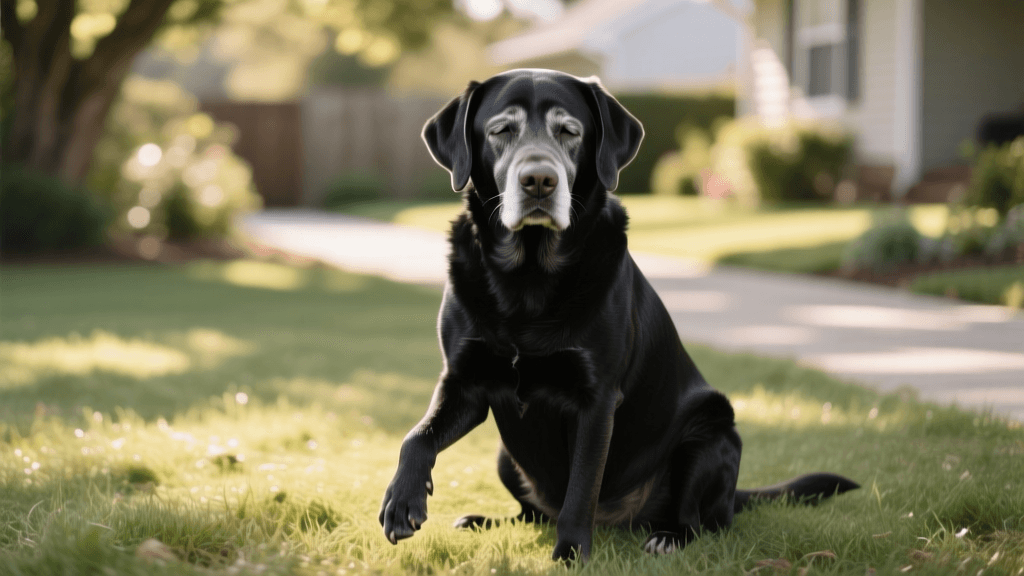
As dog owners, we often misinterpret changes in our senior dogs' personalities as mere aging. A once-vibrant Golden Retriever who now hides under the bed, or a formerly gentle rescue who suddenly snaps when brushed, is rarely just being stubborn or grumpy. In 2026, veterinary behaviorists and pain specialists emphasize a critical truth: sudden behavioral shifts in older dogs are frequently a cry for help stemming from untreated canine osteoarthritis (OA). Understanding the psychological and behavioral impacts of chronic joint pain is the first step toward reclaiming your dog's true personality and improving their quality of life.
Dogs are evolutionarily hardwired to mask pain. In the wild, showing vulnerability invites predators or ostracization from the pack. This deep-seated stoicism means that by the time your dog exhibits a visible limp, the OA is often advanced, and their chronic pain has already fundamentally altered their brain chemistry and daily behavior. According to the WSAVA Global Pain Council, chronic pain lowers a dog's threshold for stress. A dog suffering from constant joint aches has no emotional bandwidth left for loud noises, unfamiliar guests, or even enthusiastic children. This neurological exhaustion manifests as irritability, anxiety, and withdrawal.
Decoding the Behavioral Signs of Joint Pain
Before exploring medical interventions, it is vital to understand how OA communicates itself through canine body language. Because dogs cannot verbally complain about stiff knees or aching hips, they adapt their behavior to avoid discomfort. Look for these subtle psychological and behavioral shifts:
- Uncharacteristic Aggression or Irritability: If your dog snaps when touched near the hips, tail, or hind legs, it is often a defensive reflex triggered by anticipated pain, not true aggression.
- Altered Sleep Patterns and Isolation: Dogs with OA often struggle to get comfortable. You may notice them pacing at night, sleeping in isolated corners away from the family, or frequently changing positions.
- House Soiling in Previously Trained Dogs: Posturing to urinate or defecate requires significant core and hindquarter strength. If it hurts to squat, a dog may hold it until they cannot, or they may avoid going outside if navigating the stairs or doggy door is painful.
- Excessive Licking or Grooming: Dogs will obsessively lick their carpal joints (wrists), hocks, or hips. This is a self-soothing behavior triggered by localized nerve pain and inflammation.
- Reluctance and Avoidance: Hesitation to jump into the car, climb stairs, or engage in play that they previously loved are classic avoidance behaviors rooted in fear of pain.
The 2026 Landscape of Canine OA Treatment
The veterinary landscape has evolved dramatically, shifting away from simply masking pain toward targeted therapies that alter pain pathways and preserve joint health. When managing OA, a multimodal approach is the gold standard. The AAHA guidelines on pet pain management strongly recommend combining pharmaceuticals with environmental and physical therapies.
1. Anti-NGF Monoclonal Antibodies (The Behavioral Game Changer)
Bedinvetmab (marketed as Librela) has revolutionized canine OA care by 2026. Unlike traditional painkillers that process through the liver or kidneys, this monthly injection uses monoclonal antibodies to target and neutralize Nerve Growth Factor (NGF) directly at the joint. NGF is a protein that amplifies pain signals to the brain. By blocking it, dogs experience profound relief without systemic organ stress. Behaviorally, owners often report a 'puppy effect' within weeks, where dogs resume playing, greeting owners at the door, and showing reduced anxiety.
2. EP4 Receptor Antagonists (Targeted NSAIDs)
Grapiprant (Galliprant) represents a newer class of targeted NSAIDs. Instead of blocking all COX enzymes (which can cause gastrointestinal and renal side effects), Grapiprant specifically blocks the EP4 prostaglandin receptor, which is the primary mediator of OA pain and inflammation in dogs. This allows for safer, long-term daily management of joint inflammation, keeping the dog's mood stable and pain-free.
3. Polysulfated Glycosaminoglycan (PSGAG) Injections
Adequan is an injectable disease-modifying osteoarthritis drug (DMOAD). It works by inhibiting the enzymes that break down cartilage while stimulating the production of healthy joint fluid. This improves joint lubrication, reducing the mechanical friction that causes a dog to stiffen up after resting.
4. Advanced Physical Rehabilitation
Physical therapy is no longer just for post-surgical recovery. In 2026, Class IV therapeutic laser therapy, underwater treadmills, and targeted acupuncture are mainstream treatments. These modalities reduce local inflammation, build compensatory muscle mass to support failing joints, and release endorphins that naturally improve a dog's psychological well-being.
2026 Canine OA Treatment Comparison Chart
| Treatment Type | Mechanism of Action | Primary Behavioral Impact | Administration |
|---|---|---|---|
| Anti-NGF (Bedinvetmab) | Neutralizes Nerve Growth Factor pain signals | Rapid return to play, reduced anxiety, improved sleep | Monthly subcutaneous injection |
| EP4 Antagonist (Grapiprant) | Blocks specific prostaglandin pain receptors | Consistent daily comfort, reduced irritability | Daily oral tablet |
| PSGAG (Adequan) | Inhibits cartilage breakdown, improves joint fluid | Less morning stiffness, easier mobility and posturing | Series of intramuscular injections |
| Class IV Laser Therapy | Photobiomodulation to reduce cellular inflammation | Local pain relief, increased willingness to walk | In-clinic sessions (1-2x weekly) |
Environmental Modifications to Support Behavioral Recovery
Medical treatment must be paired with environmental empathy. A dog that has experienced chronic pain develops a 'fear memory' associated with certain surfaces or activities. Modifying your home helps rebuild their confidence.
- Implement Traction Solutions: Hardwood and tile floors are terrifying for dogs with weak hindquarters. Slipping causes micro-traumas to the joints and spikes anxiety. Use interlocking foam mats, yoga mats, or specialized canine toe grips to provide secure footing.
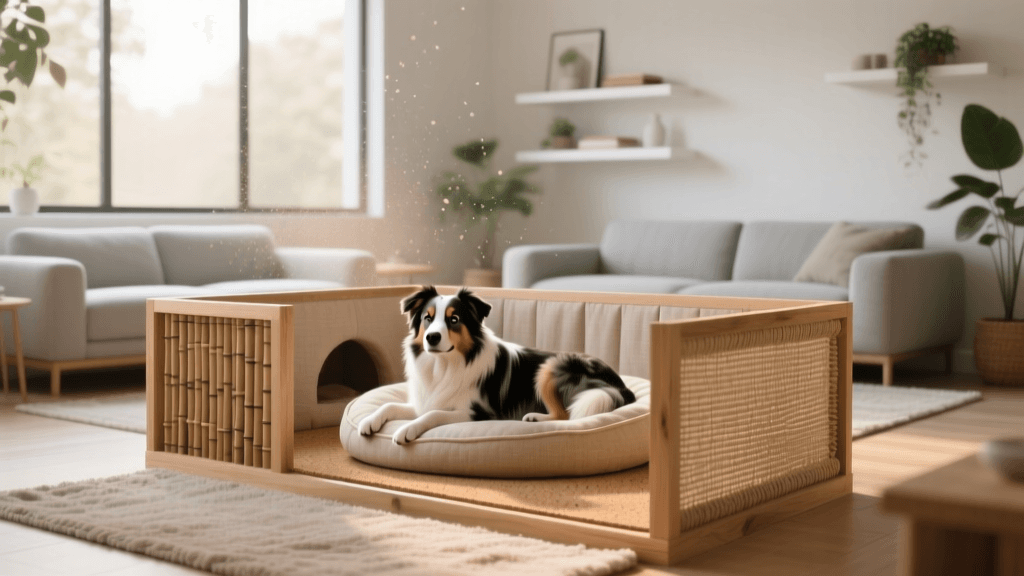
- Upgrade to True Orthopedic Bedding: Avoid 'egg-crate' foam, which bottoms out under a dog's weight. Invest in high-density memory foam beds with bolsters. Bolsters provide a psychological sense of security and a physical place to rest their head and limbs without joint strain.
- Ramps and Stairs: Use low-incline, carpeted ramps for vehicle entry and couch access. Teach your dog to use them using high-value treats, ensuring they never feel forced into a vulnerable position.
Rebuilding Your Dog’s Confidence Post-Treatment
One of the most misunderstood aspects of canine OA treatment is that eliminating the pain does not instantly eliminate the fear. If your dog spent the last year associating the car with agonizing joint pain, they may still refuse to jump in, even after starting Librela or Grapiprant. This requires behavioral rehabilitation.
Use desensitization and counter-conditioning. Start by rewarding your dog for simply looking at the car. Next, reward them for approaching it, then for placing one paw on the ramp. Break the scary task into micro-steps, pairing each with a high-value reward like boiled chicken or freeze-dried liver. As noted in FDA literature regarding safe pain management, keeping your dog comfortable allows them to remain active, which is vital for mental stimulation and preventing depressive behaviors in senior dogs.
Conclusion: Seeing the Dog Behind the Pain
Understanding your dog means looking past the surface of 'bad behavior' and recognizing the silent language of pain. Canine osteoarthritis is not just a physical condition; it is a psychological burden that dims your dog's spirit. By leveraging the advanced, targeted treatments available in 2026 and pairing them with compassionate environmental and behavioral support, you can lift the veil of chronic pain. The result is not just a dog that moves better, but a dog that feels safe, happy, and deeply connected to you once again.
marcus-aldridge
All our authors care for dogs every day — read more of their work on the authors page.