Furbo 360 vs Petcube Bites 2 For Dog Separation Anxiety 2026
Compare Furbo 360 and Petcube Bites 2 for managing dog separation anxiety in 2026. Learn step-by-step camera desensitization routines and expert tips.
The 2026 Landscape of Canine Separation Anxiety
As we navigate the widespread hybrid work models and flexible scheduling of 2026, many dogs who grew accustomed to constant human presence over the past few years are struggling with sudden alone time. Separation anxiety is not merely a case of a dog missing its owner; it is a profound panic response triggered by isolation. According to the ASPCA, separation anxiety affects a significant percentage of the canine population, manifesting in destructive behavior, excessive vocalization, pacing, and inappropriate elimination. Recognizing the difference between mild boredom and clinical anxiety is the first step toward effective management.
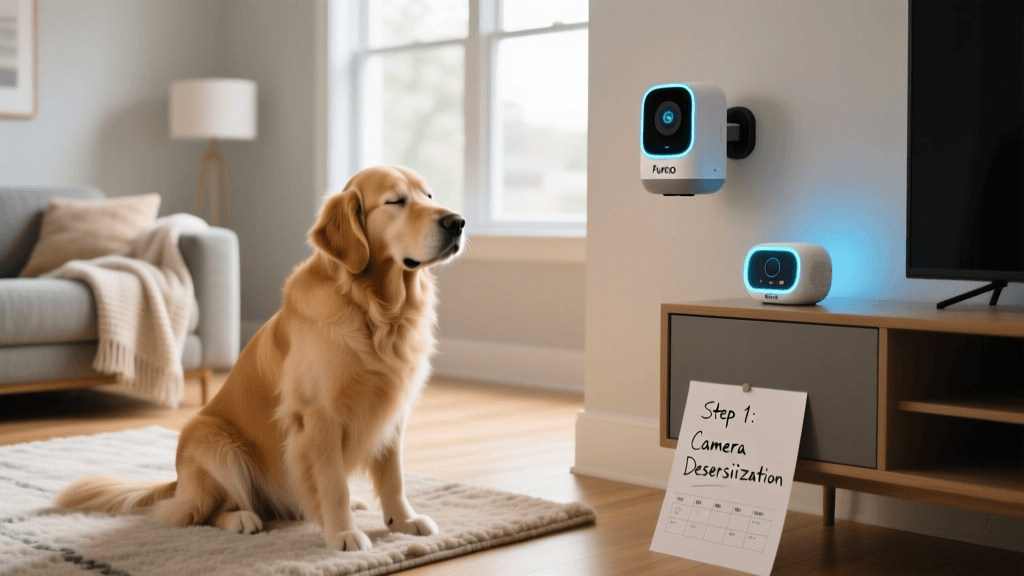
While technology cannot replace professional behavioral modification or veterinary intervention for severe cases, smart pet cameras with interactive treat-tossing capabilities have become essential tools for mild to moderate cases. In 2026, the market is dominated by advanced AI features, auto-roaming capabilities, and precision treat dispensers. In this comprehensive guide, we compare the two industry leaders—the Furbo 360 and the Petcube Bites 2—and outline a step-by-step desensitization protocol to help your dog build confidence when left alone.
Hardware Review: Furbo 360 Dog Camera
The Furbo 360 remains a top-tier choice for pet parents dealing with separation anxiety in 2026. Priced at approximately $249, its standout feature is the motorized base that allows the camera to rotate a full 360 degrees. This auto-roaming capability is crucial for dogs who pace or hide when anxious, as the camera can be set to automatically track your dog's movement, keeping them in frame so you can monitor their stress levels in real-time.
Furbo's AI-driven Dog Nanny subscription (around $6.99 per month in 2026) offers highly specific alerts, including vomiting detection, dog crying alerts, and person detection. For separation anxiety, the 'Dog Crying' and 'Bark' alerts are invaluable. They allow you to intervene with two-way audio or a treat toss before your dog's anxiety escalates into a full-blown panic attack. The treat tosser is relatively quiet compared to older models, which is important because loud mechanical whirring can startle an already nervous dog.
Hardware Review: Petcube Bites 2 Lite
The Petcube Bites 2 Lite is a formidable competitor, retailing for about $199 in 2026. While it lacks the 360-degree auto-roaming base of the Furbo, it offers a wide 160-degree diagonal viewing angle and a built-in laser pointer. The laser pointer can be a double-edged sword for anxious dogs; while it provides mental stimulation, it can trigger obsessive-compulsive behaviors in some breeds, so it should be used cautiously.
Where the Petcube shines for separation anxiety is its integrated Vet Chat feature included in the Petcube Care subscription. If you notice your dog exhibiting severe distress on camera, you can instantly connect with an on-call veterinary professional for triage advice. The treat dispenser on the Petcube is slightly louder but can handle a wider variety of treat sizes, including softer, high-value chews that might jam the Furbo's mechanism.
2026 Interactive Camera Comparison Chart
| Feature | Furbo 360 | Petcube Bites 2 Lite |
|---|---|---|
| 2026 Retail Price | $249.00 | $199.00 |
| Camera View | 360° Auto-Roaming | 160° Wide Angle (Fixed) |
| Treat Capacity | Up to 100 treats (0.4 in) | Up to 12 treats (varies) |
| AI Anxiety Alerts | Bark, Crying, Pacing | Bark, Motion, Sound |
| Subscription Cost | $6.99 / month | $5.99 / month |
| Two-Way Audio | Yes (Noise Cancelling) | Yes (Standard) |
The Camera-Assisted Desensitization Protocol
Buying a smart camera will not cure separation anxiety on its own. The camera is simply a tool to facilitate systematic desensitization and counterconditioning. The Humane Society of the United States emphasizes that changing your dog's emotional response to being alone requires patience, consistency, and keeping the dog under their anxiety threshold at all times. Here is a practical, three-phase routine using your smart camera.
Phase 1: Pre-Departure Cue Desensitization
Dogs with separation anxiety often begin panicking before you even leave the house. They recognize 'departure cues' such as picking up your keys, putting on your shoes, or grabbing your coat. Action Step: Perform these cues randomly throughout the day when you have no intention of leaving. Pick up your keys, then sit on the couch. Put on your coat, then make a cup of coffee. Use the camera's two-way audio to praise your dog calmly if they remain relaxed. This breaks the associative bond between the cue and the panic of your departure.
Phase 2: Short Absences with High-Value Treat Tossing
Once your dog is desensitized to your cues, begin practicing micro-absences. Action Step: Give your dog a long-lasting enrichment toy, like a Kong stuffed with frozen peanut butter and kibble. Step outside the front door and close it. Immediately open the Furbo or Petcube app on your phone. Watch your dog's body language. If they are engaged with the toy, use the treat-toss feature to dispense a high-value reward (like a small piece of freeze-dried liver) through the camera every 30 to 60 seconds. Return inside before the dog finishes the toy and before they show any signs of distress. Gradually increase the time between treat tosses from 60 seconds to 2 minutes, then 5 minutes.
Phase 3: Extending Alone Time and Fading the Treats
As your dog learns that your departure predicts a steady stream of high-value rewards and that you always return, their baseline anxiety will drop. Action Step: Begin extending your absences to 15, 30, and eventually 60 minutes. Start fading the frequency of the treat tosses. Instead of tossing a treat every two minutes, toss one every ten minutes, then randomly. The goal is to shift the dog from expecting a continuous stream of food to feeling a general sense of safety and positive anticipation when the camera is active.
Best Treats for Remote Tossing in 2026
Not all treats work well in automated dispensers. For the Furbo 360, you need uniform, dry, and relatively hard treats to prevent jamming. Zuke's Mini Naturals (cut in half) or Charlie Bear Crunchies are excellent, low-calorie options that fit the 0.4-inch requirement perfectly. For the Petcube Bites 2, you can use slightly softer treats, but avoid anything overly sticky or moist, as it will clog the dispensing chute. Always factor the calories from camera-tossed treats into your dog's daily caloric intake to prevent obesity, adjusting their standard meal portions accordingly.
Complementary Tools and Professional Intervention
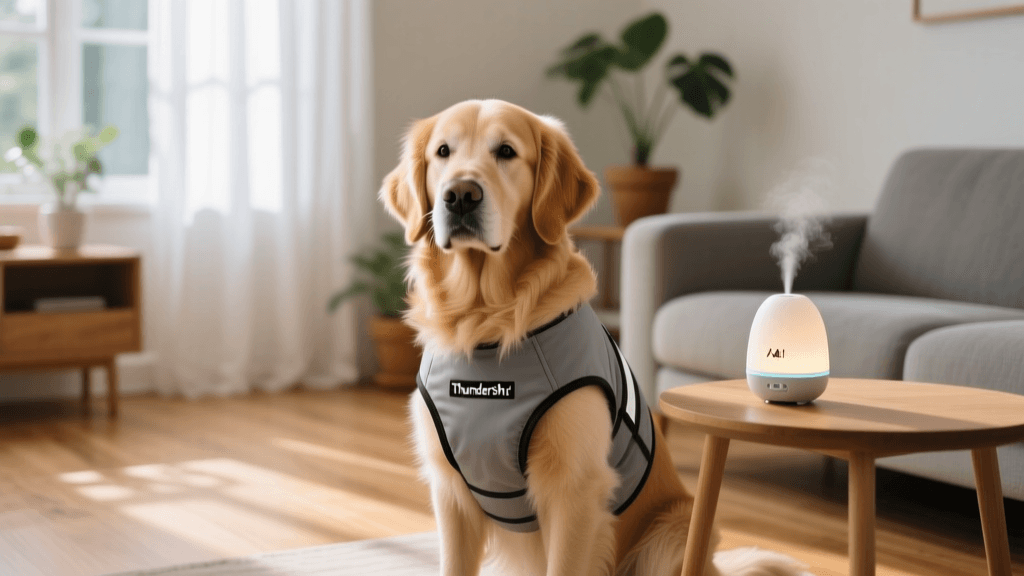
Smart cameras are highly effective for mild to moderate anxiety and training reinforcement, but they are rarely a standalone cure for severe clinical cases. To create a holistic alone-time routine, pair your camera training with environmental modifications. Adaptil Optimum diffusers, which release synthetic dog-appeasing pheromones, can help lower baseline stress levels in the room where the dog is confined. Additionally, providing a safe, den-like space, such as a covered crate (if the dog is crate-trained and views it as a safe haven, not a punishment zone), can reduce visual stimuli that trigger barking.
If your dog exhibits severe panic behaviors—such as injuring themselves trying to escape through windows or doors, excessive drooling, or complete refusal to eat high-value treats when left alone—it is time to seek professional help. A board-certified veterinary behaviorist can assess your dog and may prescribe anti-anxiety medications, such as fluoxetine or clomipramine. Medication does not replace training; rather, it lowers the dog's neurochemical panic response enough to allow the desensitization protocols outlined above to actually take effect.
Final Thoughts on Managing Alone Time
Managing separation anxiety in 2026 requires a blend of empathy, behavioral science, and smart technology. By leveraging the advanced AI tracking of the Furbo 360 or the interactive features of the Petcube Bites 2, you can actively participate in your dog's rehabilitation even when you are physically apart. Remember to keep training sessions positive, progress at your dog's individual pace, and celebrate the small victories. With consistent camera-assisted desensitization, your dog can learn that being alone is not something to fear, but rather a peaceful time to rest and enjoy a well-earned treat.
beth-carrasco
All our authors care for dogs every day — read more of their work on the authors page.