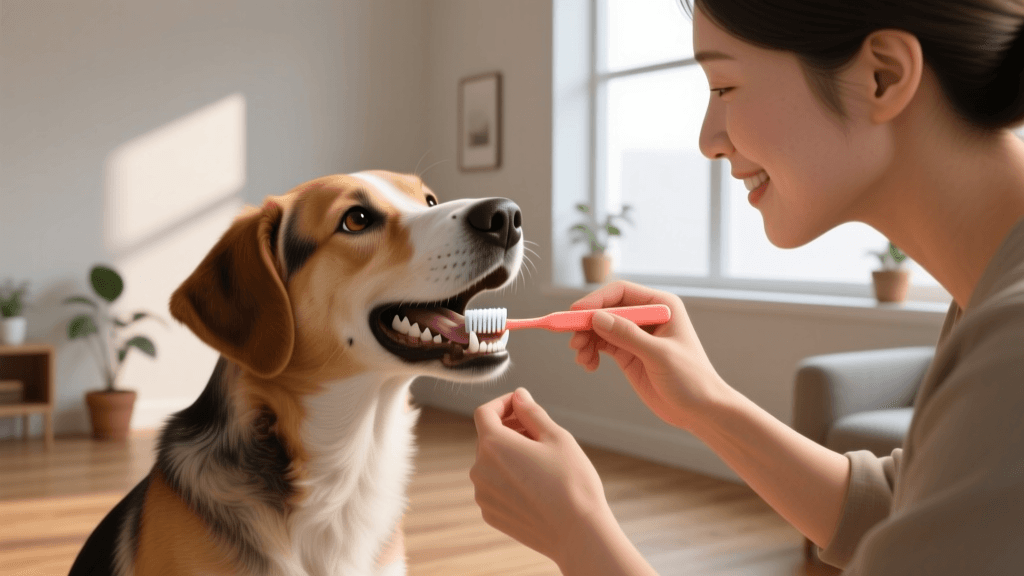
Force-Free Dog Teeth Brushing: 2026 Cooperative Care Guide
Learn how to brush your dog's teeth using force-free cooperative care methods in 2026. Reduce stress and improve canine dental health with positive reinforcement.
The Shift Toward Cooperative Canine Dental Care in 2026
Canine dental health is a fundamental cornerstone of overall wellbeing, yet it remains one of the most historically neglected aspects of dog ownership. According to the American Veterinary Medical Association (AVMA), periodontal disease is the most common clinical condition occurring in adult dogs, affecting over 80% of canines by the age of three. Left untreated, dental disease leads to chronic pain, tooth loss, and systemic infections that can damage the heart, liver, and kidneys.
As we navigate veterinary and behavioral standards in 2026, the gold standard for at-home canine healthcare has shifted dramatically. The outdated practice of pinning a struggling dog to the floor to scrub their teeth is now widely recognized as psychologically damaging and counterproductive. Today, force-free trainers and Fear Free certified veterinarians advocate for 'cooperative care.' This positive reinforcement methodology empowers dogs to willingly participate in their own dental hygiene routines, transforming a stressful chore into a bonding, rewarding experience.
Why Forceful Restraint is Obsolete
For decades, traditional dog training relied on physical restraint to force compliance during grooming and veterinary procedures. However, modern animal behavior science has proven that forceful restraint spikes cortisol levels, triggers the sympathetic nervous system's 'fight or flight' response, and creates deep-seated negative associations. When a dog is pinned down for teeth brushing, they learn that the toothbrush, the toothpaste, and even the owner's hands are predictors of fear and helplessness.
By contrast, cooperative care utilizes desensitization and counter-conditioning. The dog is given agency and a 'voice' in the procedure. If the dog becomes uncomfortable, they can opt-out, which paradoxically makes them far more likely to opt-in. This force-free approach aligns perfectly with the ASPCA's guidelines on dog dental care, which emphasize gentle handling, stress reduction, and the use of positive reinforcement to maintain long-term oral hygiene.
Essential Force-Free Dental Tools for 2026
To build a successful cooperative care routine, you need the right tools. In 2026, the market offers excellent, dog-centric dental products designed to make positive reinforcement easier.
- Virbac C.E.T. Enzymatic Toothpaste (Poultry or Beef): Priced around $12 to $15 in 2026, this is a veterinary staple. The enzymatic formula works with the dog's natural saliva to break down plaque, meaning you don't need to scrub aggressively. The highly palatable flavors act as a primary reinforcer.
- Mindful Pet Bamboo Dual-Headed Brush: Costing approximately $8, this eco-friendly brush features a smaller head for precision and a longer handle, which keeps your fingers safely away from the dog's bite zone while allowing for a gentle grip.
- Hyper Pet IQ Treat Spread & Lick Mat: At roughly $12, a silicone lick mat smeared with dog-safe peanut butter or yogurt is an invaluable counter-conditioning tool. Licking releases endorphins in dogs, naturally soothing their nervous system during the introduction of new stimuli.
- VOHC-Approved Dental Chews: Products like Purina Pro Plan Dental Chewz (Veterinary Oral Health Council approved) serve as excellent high-value rewards during training sessions, providing mechanical plaque removal while reinforcing positive behavior.
Force-Free Dental Training Progression Chart
Cooperative care is a journey, not a one-time event. Below is a structured progression chart to guide your force-free dental training. Never rush the phases; let your dog's comfort level dictate the timeline.
| Phase | Primary Goal | Action | Reinforcement Strategy |
|---|---|---|---|
| Phase 1 | Taste Desensitization | Offer toothpaste on a finger or lick mat. | Allow free licking; praise calmly. |
| Phase 2 | Muzzle Handling | Gently lift lips while dog eats from lick mat. | Continuous licking; stop handling if licking stops. |
| Phase 3 | Tool Introduction | Touch toothbrush to cheek/lips without brushing. | Clicker or marker word, followed by high-value treat. |
| Phase 4 | The 'Chin Rest' | Train dog to rest chin on hand or mat as a 'start button'. | Jackpot reward for voluntary chin placement. |
| Phase 5 | Active Brushing | Brush 1-2 teeth using the chin rest consent behavior. | Treat after every 3 seconds of brushing. |
Step-by-Step Positive Reinforcement Routine
Week 1: Taste and Lick Mat Association
Begin by introducing the Virbac C.E.T. toothpaste as a treat. Squeeze a small amount onto a silicone lick mat and let your dog investigate. Do not attempt to touch their mouth or teeth. The goal is simply to build a positive emotional response to the smell and taste of the toothpaste. If your dog loves the taste, you have found your primary reinforcer for the rest of the training.
Week 2: Lip Lifting and Finger Touch
Once your dog is eagerly anticipating the toothpaste, apply a small amount to your index finger. While your dog is licking the paste off your finger, use your thumb to gently lift their upper lip for one second. Mark the behavior with a calm 'yes' and offer more paste. Gradually increase the duration of the lip lift and begin gently rubbing your finger along the outside of their gum line. If the dog pulls away, you have moved too fast; return to simply offering the taste on the lick mat.
Week 3: Tool Introduction and Vibration
Introduce the bamboo toothbrush. Let the dog sniff it, then smear a little toothpaste on the bristles. Allow them to lick it off. Next, touch the back of the brush handle to their shoulder, then their neck, then their cheek, marking and rewarding each touch. This desensitizes them to the physical presence of the tool without the pressure of it being in their mouth. Eventually, touch the bristles to their canine tooth for just one second, mark, and reward.
Week 4: The 'Chin Rest' Start Button
The 'chin rest' is a foundational cooperative care behavior. It acts as a 'start button,' giving the dog explicit control over when the procedure begins. Hold your hand flat, palm up, just below your dog's chin. When they naturally lower their head to sniff your hand, mark and reward. Gradually shape this behavior so that the dog rests their chin firmly in your palm for 3 to 5 seconds. Once established, the chin rest becomes your dog's way of saying, 'I am ready, you may proceed.' If they lift their chin, all brushing stops immediately.
Week 5 and Beyond: Active Brushing with Consent Tests
With the chin rest established, apply toothpaste to the brush. Wait for your dog to offer the chin rest. Once their chin is in your hand, gently brush the outer surfaces of their canine teeth for two seconds. Stop, remove the brush, and feed a treat. Repeat this process, slowly working your way toward the premolars and molars. Always prioritize the outer surfaces of the teeth, as this is where plaque accumulates most heavily and where periodontal disease typically originates.
Troubleshooting Common Setbacks
Even with meticulous force-free planning, setbacks can occur. Here is how to handle them without resorting to force:
- The Dog Walks Away: If your dog breaks the chin rest or walks away from the lick mat, let them go. This is the system working exactly as intended. The dog is communicating that they have reached their threshold for the day. Simply end the session on a positive note and try again tomorrow, perhaps for a shorter duration.
- The Dog Bites the Brush: Puppies and young dogs may view the toothbrush as a chew toy. If this happens, swap the long-handled brush for a silicone finger cot temporarily. Reward calm holding of the brush in the mouth with a steady stream of treats, reinforcing that the brush is a cue for food, not a toy to be destroyed.
- Sensitivity or Pain: If your dog suddenly recoils, whines, or avoids the session entirely, do not push through it. Dogs are masters at hiding pain. Sudden aversion to teeth brushing is often the first clinical sign of a fractured tooth, gingivitis, or a resorptive lesion. Stop the training and schedule a veterinary oral exam.
Long-Term Health Benefits of Force-Free Care
Transitioning to a cooperative care model for dental hygiene yields profound long-term benefits. By eliminating the stress of daily grooming, you protect your dog's cardiovascular system from the harmful effects of chronic cortisol exposure. Furthermore, you build a reservoir of trust. A dog that learns they have agency and that their boundaries will be respected is a dog that is safer, more confident, and easier to handle in all veterinary scenarios.
In 2026, there is no excuse for forceful restraint in routine canine care. With patience, high-value enzymatic toothpastes, and a commitment to positive reinforcement, you can ensure your dog's teeth remain healthy and their spirit remains unbroken. Embrace the chin rest, respect the opt-out, and watch your dog become an active partner in their own health and wellbeing.
marcus-aldridge
All our authors care for dogs every day — read more of their work on the authors page.