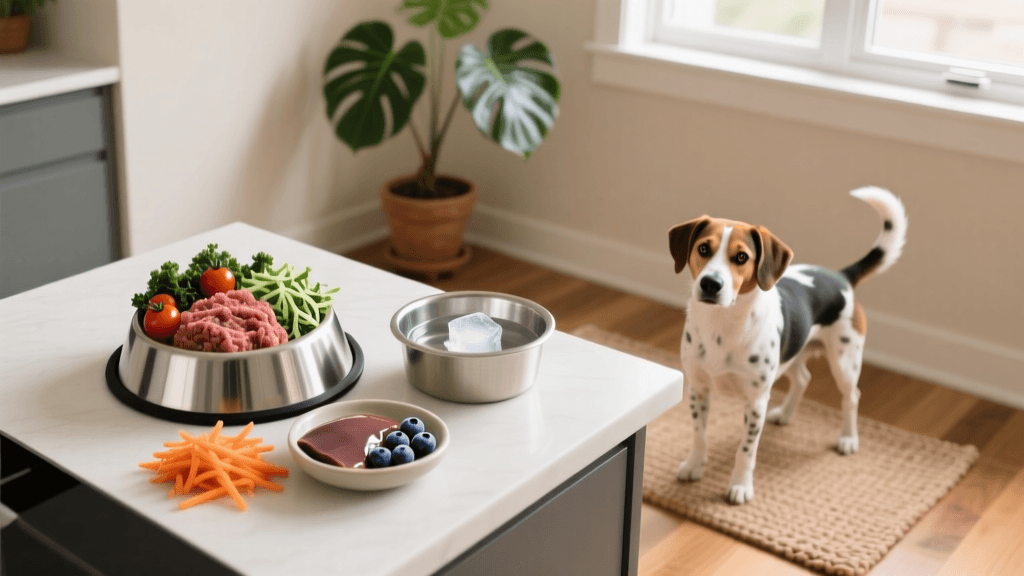
Raw & Fresh Diet Setup for New Dogs in 2026: First Week Guide
Discover how to set up a raw and fresh feeding station and safely transition your newly adopted dog to a species-appropriate diet in 2026.
Welcome to the 2026 Fresh Feeding Revolution
Bringing a new dog home is one of the most exciting milestones in life, but as a new pet parent in 2026, you are faced with more nutritional choices than ever before. The shift toward raw, fresh, and alternative diets has moved from a niche trend to a mainstream standard, backed by advancements in food safety technology and a deeper understanding of canine microbiome health. Whether you have just adopted a rescue dog or brought home a new puppy, the first week of feeding sets the foundation for their lifelong health, digestion, and immune function.
Transitioning a newly adopted dog to a raw or gently cooked fresh diet requires careful planning. Shelter environments are inherently stressful, and a dog's gastrointestinal tract is often compromised by the time they reach your home. Jumping straight into a rich, species-appropriate raw diet on day one can lead to severe digestive upset. This comprehensive guide will walk you through setting up your home prep station, understanding the 2026 landscape of commercial and DIY raw feeding, and executing a flawless 10-day transition protocol.
The 2026 Fresh Diet Landscape: HPP and Smart Nutrition
As of 2026, the raw and fresh pet food industry has been revolutionized by High-Pressure Processing (HPP) and advanced cold-chain logistics. HPP uses extreme water pressure rather than heat to neutralize harmful pathogens like Salmonella and Listeria, preserving the raw nutritional profile, enzymes, and bioavailability of the meat. This means that commercial raw diets are safer than ever, making them an excellent choice for new dog owners who may be hesitant about handling raw meat.
Furthermore, personalized fresh meal subscriptions have evolved. Companies now utilize AI-driven nutritional profiling to formulate meals that meet the precise caloric and micronutrient needs of your specific dog's breed, age, and activity level, adhering strictly to the World Small Animal Veterinary Association's Global Nutrition Committee guidelines for complete and balanced feeding.
Pre-Arrival: Building Your Raw and Fresh Prep Station
Before your new dog crosses the threshold of your home, you need a dedicated, hygienic prep station. Handling raw meat requires the same food safety protocols you would use when preparing poultry for your family. Here is your 2026 essential shopping list for a raw feeding station:
- Dedicated Cutting Boards: Purchase two color-coded, high-density polyethylene (HDPE) cutting boards. Use one exclusively for raw pet proteins and another for fresh produce or supplements.
- Stainless Steel or Ceramic Bowls: Ditch the plastic. Plastic bowls harbor microscopic scratches that trap bacteria. Opt for heavy-bottomed, dishwasher-safe stainless steel or ceramic bowls to ensure optimal sanitation.
- Silicone Splatter Mats: Place a raised-edge, food-grade silicone mat under the feeding area. This catches raw juices and makes post-meal cleanup as simple as rinsing the mat in the sink or tossing it in the dishwasher.
- Smart Freezer Thermometers: Raw diets require consistent freezing at or below 0°F (-18°C) to halt bacterial growth and preserve nutrient integrity. Smart Wi-Fi-enabled freezer sensors will alert your phone if the temperature fluctuates during a power outage.
- Precision Digital Scales: Feeding raw requires accuracy. A digital kitchen scale that measures down to the gram is non-negotiable for portion control and supplement dosing.
The Rescue Dog Microbiome: Why Day One Matters
When you adopt a rescue dog, you are not just adopting the dog; you are adopting their gut microbiome. Shelter dogs frequently suffer from dysbiosis—an imbalance of gut bacteria caused by stress, abrupt diet changes, and low-quality kibble. According to the American Kennel Club's nutritional overview, a dog's digestive system needs time to adapt to new proteins and fat profiles.
If you immediately replace their shelter kibble with a high-moisture, high-protein raw diet, the sudden influx of rich nutrients and natural bacteria can overwhelm their compromised gut, resulting in diarrhea, vomiting, and lethargy. The goal of the first week is gut stabilization, not immediate dietary perfection.
The 10-Day Fresh Transition Protocol
To safely transition your new dog from shelter kibble to a fresh or raw diet, follow this gradual 10-day protocol. This schedule allows the dog's pancreatic enzymes and stomach acidity to adapt naturally.
| Days | Diet Composition | Supplements & Additions | Observation Focus |
|---|---|---|---|
| Days 1-3 | 100% Shelter Kibble | Plain goat's milk or unsalted bone broth (1 tbsp per 10 lbs of body weight) | Stool consistency, baseline energy, hydration levels |
| Days 4-5 | 75% Kibble / 25% Fresh or Raw | Add canine-specific probiotics and digestive enzymes | Watch for gas, bloating, or soft stools |
| Days 6-7 | 50% Kibble / 50% Fresh or Raw | Continue probiotics; introduce a novel protein if applicable | Stool should remain firm; adjust portions if weight changes |
| Days 8-9 | 25% Kibble / 75% Fresh or Raw | Introduce raw meaty bones (if approved by your vet) | Monitor chewing habits and gum health |
| Day 10+ | 100% Fresh or Raw Diet | Omega-3 fish oil, kelp powder, or targeted joint support | Celebrate the transition! Monitor long-term coat and energy |
Note: If your dog experiences loose stools at any stage, pause the transition. Hold at the current ratio for an additional 48 hours until their digestion stabilizes before proceeding.
Sourcing Ingredients: Commercial HPP vs. Local Sourcing
In 2026, dog owners have two primary routes for raw feeding: commercial HPP-treated diets and DIY local sourcing.
Commercial HPP Raw Diets
Brands utilizing HPP technology offer pre-portioned, complete, and balanced patties or nuggets. This is the safest and most convenient route for first-time raw feeders. These meals are formulated to meet AAFCO (Association of American Feed Control Officials) standards, ensuring your dog receives the correct calcium-to-phosphorus ratio and essential trace minerals without the guesswork.
Local and Regenerative Sourcing
For those who prefer to prepare DIY meals, 2026 has seen a surge in regenerative farming partnerships. Sourcing muscle meat, organ meats, and raw meaty bones from local, transparent farms ensures high welfare standards and superior nutrient density. However, DIY raw feeding requires rigorous nutritional balancing. You must consult with a board-certified veterinary nutritionist to formulate recipes, as deficiencies in taurine, calcium, or vitamin D can cause severe, irreversible health issues over time.
Hygiene, Safety, and Zoonotic Risk Management
While the nutritional benefits of raw diets are well-documented, handling raw meat carries inherent zoonotic risks. The FDA's guidance on raw pet food diets emphasizes that strict hygiene is mandatory to protect both the pet and the human family members, particularly those who are immunocompromised, elderly, or very young.
Implement these non-negotiable safety rules in your home:
- The 20-Minute Rule: Never leave raw food out at room temperature for more than 20 minutes. If your dog does not finish their meal, discard the leftovers or refrigerate them immediately in a sealed, airtight glass container.
- Thawing Protocols: Never thaw raw meat on the kitchen counter. Thaw frozen patties in the refrigerator overnight, or use the defrost setting on your microwave if you are in a rush. Never refreeze thawed raw meat.
- Surface Sanitization: After every meal, wash all bowls, utensils, and prep surfaces with hot, soapy water, followed by a food-safe sanitizing spray. Wash your hands thoroughly with soap and warm water for at least 20 seconds after handling your dog's food.
- Post-Meal Cleanup: Wipe your dog's muzzle and paws with a pet-safe, antibacterial wipe after they eat to prevent them from spreading raw bacteria onto your furniture or floors.
Monitoring Your Dog's Response
The ultimate proof of a successful diet transition lies in your dog's daily output and demeanor. Within three to four weeks of completing the transition to a fresh or raw diet, you should observe distinct positive changes. The most immediate indicator is stool quality: raw-fed dogs typically produce much smaller, firmer, and less odorous stools because the body is absorbing and utilizing a higher percentage of the nutrients, leaving less waste behind.
Additionally, look for improvements in your dog's coat shine, a reduction in seasonal allergies or paw-licking (often tied to kibble-induced inflammation), and sustained, even energy levels throughout the day. By taking the time to properly set up your prep station and respecting the 10-day transition protocol, you are giving your newly adopted dog the best possible start to a vibrant, healthy life in your home.
aaron-whyte
All our authors care for dogs every day — read more of their work on the authors page.