Dog-Proofing Your Home: Hidden Toxic Plants And Hazards
Learn how to dog-proof your home environment. Discover hidden toxic houseplants, indoor hazards, and actionable tips to keep your furry friend safe.

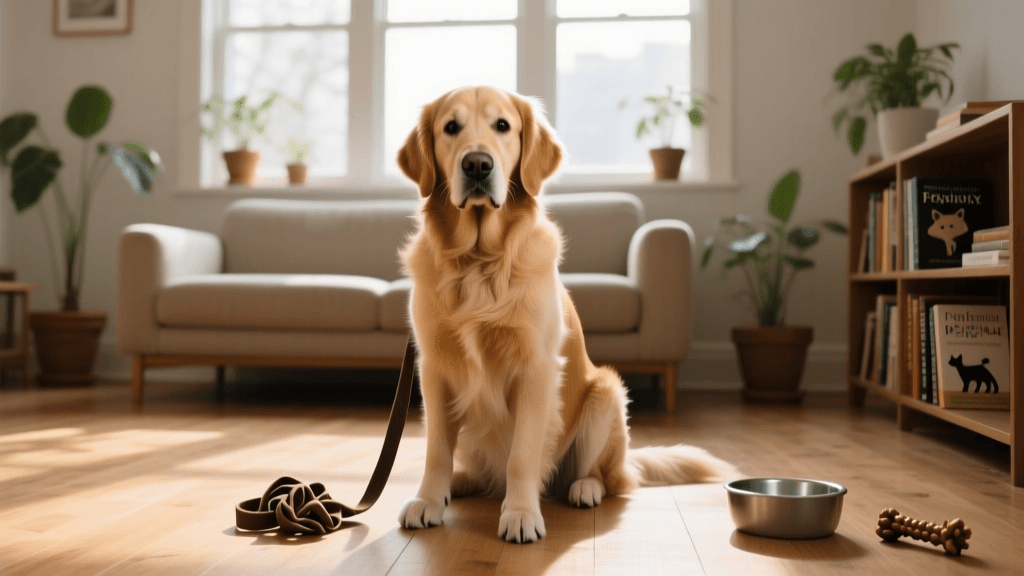
Bringing a new dog into your home is an exciting milestone, but it also requires a critical evaluation of your living space. Dogs, especially puppies and curious adolescents, explore their environment primarily through their mouths and noses. What seems like a harmless living room to a human can be an obstacle course of toxic plants, choking hazards, and dangerous chemicals to a canine companion. According to the ASPCA Animal Poison Control Center, tens of thousands of pets are exposed to household toxins every year. Dog-proofing your home is not just about preventing property damage; it is a vital component of your dog's health and wellbeing.
The Green Danger: Navigating Toxic Houseplants
Houseplants bring life and color to our indoor spaces, but many popular varieties are highly toxic to dogs. Ingestion can lead to symptoms ranging from mild gastrointestinal upset to severe neurological damage, liver failure, or even death. The ASPCA's Toxic and Non-Toxic Plants list is an essential resource for every pet owner, but knowing the most common offenders is your first line of defense.
Common Toxic vs. Pet-Safe Houseplants
| Highly Toxic Plants (Avoid) | Primary Symptoms in Dogs | Pet-Safe Alternatives |
|---|---|---|
| Sago Palm | Liver failure, seizures, death (all parts toxic, especially seeds) | Parlor Palm or Boston Fern |
| Pothos (Devil's Ivy) | Oral irritation, intense burning, excessive drooling, vomiting | Peperomia or Calathea |
| Aloe Vera | Vomiting, lethargy, diarrhea, tremors | Haworthia (Zebra Plant) |
| Snake Plant | Nausea, vomiting, diarrhea | Spider Plant |
| Lilies (All varieties) | Kidney failure (highly toxic to cats, but also dangerous to dogs) | Orchids or African Violet |
Actionable Advice: If you own toxic plants, move them to rooms your dog cannot access, or hang them in secure ceiling planters at least 6 feet off the ground. However, because dogs can knock over furniture or reach higher than expected, the safest route is to rehome toxic plants entirely and replace them with dog-safe greenery.
Household Chemicals and Essential Oils
Cleaning supplies are notoriously hazardous. Bleach, ammonia, and oven cleaners can cause severe chemical burns to a dog's paws, mouth, and esophagus. Furthermore, the rise in popularity of essential oils has introduced a new, often overlooked danger. Many pet owners assume that because essential oils are 'natural,' they are safe. This is a dangerous misconception.
The Hidden Threat of Essential Oils
According to the Pet Poison Helpline, essential oils like tea tree (melaleuca), eucalyptus, citrus, pine, and wintergreen are highly toxic to dogs. Inhalation via diffusers can cause respiratory distress, while skin contact or ingestion can lead to central nervous system depression, liver damage, and seizures.
- Safe Cleaning Alternatives: Swap harsh chemical cleaners for enzymatic cleaners specifically formulated for pet households. A simple mixture of 50% distilled white vinegar and 50% water is an excellent, pet-safe multi-surface cleaner.
- Storage Solutions: Install magnetic childproof locks (costing roughly $15 to $25 for a multi-pack) on all lower cabinets where cleaning supplies are stored. Standard push-latches are easily bypassed by determined terriers and retrievers.
- Diffuser Placement: If you must use essential oils, do so in a closed room that the dog cannot enter, and ensure the room is thoroughly ventilated before allowing your dog inside.
Electrical Cords and Choking Hazards
Puppies go through a teething phase that lasts until they are about six to eight months old, and some dogs continue to chew well into adulthood. Electrical cords pose a dual threat: electrocution and thermal burns to the mouth.
Cord Management Strategies
Do not rely on bitter apple sprays alone to deter cord chewing; many dogs simply ignore the taste. Instead, physically block access to the hazard.
- Split Loom Tubing: This flexible, corrugated plastic tubing can be slit down the side and wrapped around bundles of wires. It costs approximately $15 for a 50-foot roll and makes cords unappealing and difficult to bite through.
- Cable Concealer Boxes: Use hard plastic cord management boxes to hide power strips and excess cable slack behind TVs and computer desks.
- Adhesive Cable Clips: Route cables up the legs of furniture and secure them with adhesive clips so they do not dangle temptingly near the floor.
The True Cost of Choking and Blockages
Small items left on the floor—such as coins, children's building blocks, hair ties, and socks—are prime targets for ingestion. Swallowing a sock or a child's toy can lead to a gastrointestinal foreign body obstruction. This is a life-threatening emergency that typically requires abdominal surgery, costing anywhere from $3,000 to $7,000. Furthermore, consider the danger of small children's toys. Legos, toy car wheels, and puzzle pieces are the exact right size to become lodged in a dog's trachea or intestines. If you have a multi-pet or multi-child household, enforce strict zoning rules using baby gates to separate the toddler play areas from the dog's unsupervised roaming zones. Invest in a sturdy, hardware-mounted baby gate (typically costing between $40 and $80) rather than a pressure-mounted one, which large dogs can easily push over. To prevent blockages, establish a strict 'floor sweep' routine every evening and provide your dog with durable, appropriately sized chew toys like solid rubber Kongs or GoughNuts rings.
The Kitchen and Medication Cabinet
The kitchen and the bathroom contain some of the most concentrated hazards in the home. Human foods and over-the-counter medications are leading causes of toxicological emergencies in veterinary clinics.
Xylitol and Hidden Food Toxins
Xylitol (often listed as birch sugar) is an artificial sweetener found in sugar-free gum, mints, baked goods, and increasingly, in some commercial peanut butters. Even a tiny amount of xylitol can trigger a massive release of insulin in dogs, leading to profound hypoglycemia (low blood sugar), seizures, and acute liver failure within minutes. Always read the ingredient label before offering your dog peanut butter as a treat or using it to hide medication.
Other common kitchen hazards include:
- Grapes and Raisins: Can cause acute kidney failure. Keep fruit bowls well out of reach.
- Onions and Garlic: Contain thiosulfate, which damages red blood cells and causes hemolytic anemia.
- Macadamia Nuts: Can cause weakness, depression, vomiting, and hyperthermia.
Additionally, be mindful of your trash cans. Dogs are natural scavengers, and a knocked-over trash can expose them to moldy food, cooked bones (which can splinter and puncture the digestive tract), and discarded xylitol wrappers. Use heavy-duty, stainless steel trash cans with lockable lids or store the bin entirely inside a latched pantry cabinet.
Securing Human Medications
Never store human medications in plastic baggies or leave pill bottles on nightstands. Dogs can easily chew through plastic bags, and the rattling sound of pills in a bottle can mimic the sound of a treat container. Store all medications, including dog-specific prescriptions like flavored chewable preventatives, in a high, latched medicine cabinet. Treat your dog's monthly heartworm and flea preventatives like candy—keep them locked away so your dog cannot overdose by stealing the box.
Creating a Safe Sanctuary
Dog-proofing is not about restricting your dog's freedom; it is about setting them up for success. By eliminating toxic plants, securing chemicals, managing electrical cords, and locking away dangerous foods and medications, you create an environment where your dog can relax and thrive. Remember to view your home from your dog's perspective—get down on your hands and knees and look for hazards at their eye level. A proactive approach to your home environment is one of the most effective preventive healthcare measures you can provide for your beloved canine companion.
hannah-wickes
All our authors care for dogs every day — read more of their work on the authors page.