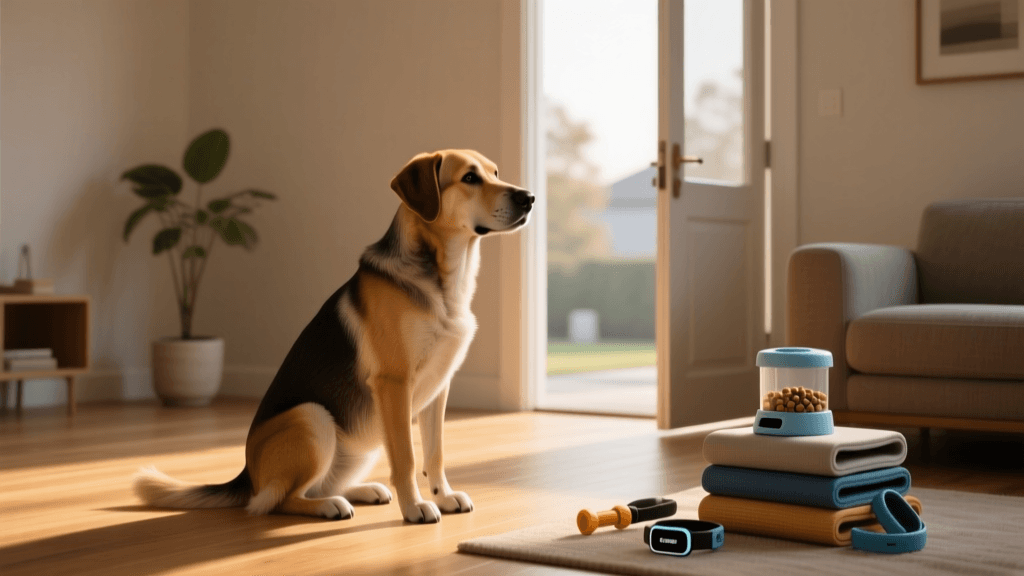
Understanding Denning Instincts: Dog-Proofing a Safe Sanctuary
Discover the psychology behind your dog's denning instincts and learn how to dog-proof a safe, stress-free sanctuary space in your home.

The Evolutionary Psychology of the Canine Den
To truly understand how to dog-proof your home, you must first understand the psychological blueprint of your dog. While modern domestic dogs do not dig complex burrows like their wild ancestors, they retain a profound psychological need for a 'den.' In canine psychology, a den is not merely a place to sleep; it is a vital sanctuary that offers thermoregulation, protection from perceived predators, and a quiet retreat from environmental stressors. When a dog feels overwhelmed by the chaotic sensory input of a modern household, their instinct is to seek out an enclosed, secure space where they can decompress.
Unfortunately, many pet owners misunderstand this instinct. They view a dog hiding under a bed or squeezing behind a sofa as 'anti-social' behavior, when in reality, the dog is simply attempting to fulfill an innate biological drive for security. By recognizing and accommodating this denning instinct through strategic home environment design and dog-proofing, you can drastically reduce your dog's baseline anxiety and prevent destructive behaviors born from stress.
Why the Modern Home Can Trigger Canine Stress
The contemporary human home is often a nightmare for canine senses. Open-concept floor plans, while visually appealing to humans, offer zero visual barriers for a dog to retreat behind. Hardwood floors and large windows create acoustic echoes and visual stimuli (like passing cars or neighborhood dogs) that keep a dog's nervous system in a state of hyper-arousal. Furthermore, high foot traffic and unpredictable noises from appliances can prevent a dog from ever achieving deep, restorative REM sleep.
When a dog cannot find a suitable sanctuary, they may resort to maladaptive coping mechanisms. This includes resource guarding, excessive vocalization, or destructive chewing. Dog-proofing, therefore, is not just about hiding toxic chemicals or protecting your favorite shoes; it is about engineering an environment that actively supports your dog's psychological need for safety and predictability.
Dog-Proofing the Sanctuary: A Step-by-Step Guide
Creating a canine sanctuary requires a blend of behavioral science and practical home modification. Here is how to dog-proof and optimize a dedicated safe zone for your dog.
1. Sizing and Selecting the Right Enclosure
The foundation of the sanctuary is the enclosure or crate. According to The Humane Society of the United States, a crate should mimic a natural den—cozy, enclosed, and secure. However, sizing is critical. A crate that is too large loses its 'den' feel and may encourage the dog to soil one corner and sleep in the other.
- The Measurement Formula: Measure your dog from the tip of their nose to the base of their tail, then add 4 inches for length. For height, measure from the floor to the top of their head (or ears, if erect) and add 2 inches.
- Product Selection: For anxious dogs, standard wire crates ($45-$90) offer poor acoustic dampening and visual barriers. Consider upgrading to a heavy-duty aluminum crate ($300-$600) or a custom-built wooden furniture crate ($150-$500) which naturally blocks peripheral vision and muffles household noise.
2. Acoustic and Visual Dog-Proofing
A true sanctuary must be dog-proofed against sensory overload. You can achieve this without major renovations by utilizing strategic environmental modifications.
- Visual Barriers: Drape a breathable, dark canvas cover over the top and sides of a wire crate. This immediately reduces visual triggers and signals to the dog that the space is enclosed.
- Acoustic Dampening: Place high-density foam acoustic panels ($40-$100 per pack) on the wall directly behind the sanctuary. Pair this with a continuous white noise machine or a fan to mask sudden, sharp household sounds like dropping pots or doorbells.
- Olfactory Soothing: Plug in an Adaptil DAP (Dog Appeasing Pheromone) diffuser approximately 4 feet away from the sanctuary. This synthetic pheromone mimics the calming signals released by nursing mother dogs, biologically lowering the dog's heart rate.
3. Chemical and Physical Hazard Removal
Dogs explore their environment primarily through scent and taste, making the sanctuary zone a high-risk area for accidental poisoning if not properly dog-proofed. According to the ASPCA Animal Poison Control Center, household toxins are a leading cause of emergency veterinary visits. Ensure the sanctuary perimeter is entirely clear of the following:
- Toxic Flora: Remove sago palms, lilies, and aloe vera from the room. Even a chewed leaf can cause fatal hepatotoxicity.
- Essential Oils: Many owners use diffusers for home fragrance, but tea tree, eucalyptus, and citrus oils are highly toxic to dogs when inhaled or ingested.
- Electrical Cords: Use split-loom tubing or rigid cord concealers to dog-proof baseboards. Puppies and anxious adult dogs frequently chew cords, risking severe oral burns or electrocution.
Sanctuary Setup Comparison Chart
Choosing the right physical structure for your dog's sanctuary depends on their specific behavioral profile. Below is a comparison of common sanctuary setups based on dog-proofing efficacy and psychological comfort.
| Sanctuary Type | Estimated Cost | Security Level | Acoustic Control | Best Suited For |
|---|---|---|---|---|
| Standard Wire Crate | $45 - $90 | Low (Easily bent) | Poor (Echoes) | Confident dogs needing basic house-training boundaries. |
| Furniture-Style Wood Crate | $150 - $500 | Medium | Good (Solid walls) | Mildly anxious dogs; blends into living spaces while blocking peripheral vision. |
| Heavy-Duty Aluminum Crate | $300 - $800 | Very High | Excellent | Severe separation anxiety, escape artists, and destructive chewers. |
| Built-In Alcove / Nook | $500 - $2,000+ | High | Superior | Permanent home integration; ideal for multi-dog households needing dedicated zones. |
Reading Your Dog's Body Language in the Sanctuary
How do you know if your dog-proofing efforts are actually working? The answer lies in observing your dog's body language when they are inside their sanctuary. A successfully dog-proofed and psychologically comforting space will elicit specific calming signals.
A dog that feels truly safe in their den will exhibit a 'loose' body posture. Look for a relaxed, open mouth (often called a 'soft smile'), ears resting in their natural position, and a tail that is either still or wagging in a wide, sweeping motion rather than a stiff, high wag.
Conversely, if your dog enters the sanctuary but remains standing, paces in tight circles, pants heavily without being hot, or exhibits 'whale eye' (showing the whites of their eyes while keeping their head turned away), the environment is still triggering their fight-or-flight response. In these cases, you must re-evaluate the acoustic dampening, visual barriers, and proximity to high-traffic household zones.
The 14-Day Desensitization Protocol
You cannot simply place a bed inside a dog-proofed crate and expect your dog to instantly view it as a sanctuary. You must build a positive psychological association over a 14-day desensitization period.
- Days 1-5 (Passive Association): Leave the sanctuary door open. Toss high-value treats (like freeze-dried liver) inside without asking the dog to enter. Let them go in, grab the treat, and immediately leave. This builds curiosity without pressure.
- Days 6-10 (Duration Building): Introduce a long-lasting enrichment item, such as a KONG Classic stuffed with frozen peanut butter and bone broth. The dog must remain inside the sanctuary to consume it. The act of licking and chewing releases endorphins, biologically linking the physical space with neurological calmness.
- Days 11-14 (Closure and Separation): Begin closing the door for micro-intervals (10 seconds, then 30 seconds, then 2 minutes) while you remain in the room. Gradually increase the time and your physical distance from the sanctuary.
Common Dog-Proofing Mistakes That Ruin the Sanctuary
Even the most expensive, acoustically treated sanctuary will fail if the human element introduces negative associations. The most critical rule of the canine den is that it must never be used for punishment. If you banish your dog to their crate when they misbehave, you instantly rewire their psychological association of the space from 'safe haven' to 'prison.'
Additionally, avoid the mistake of 'over-stimulating' the sanctuary. Do not place the dog's primary food and water bowls directly inside the crate, as this can attract pests and create a mess in their sleeping area. Keep water just outside the threshold. Finally, respect the sanctuary boundary: children and guests must be strictly taught that if the dog is inside their den, they are invisible. Reaching into the den to pet a sleeping dog is a primary trigger for defensive bites and completely destroys the psychological security you have worked so hard to build.
By understanding the deep-seated evolutionary need for a den and meticulously dog-proofing a dedicated sanctuary space, you provide your dog with the ultimate tool for emotional regulation. This not only preserves your home environment but fosters a deeper, more trusting bond between you and your canine companion.
jonas-cole
All our authors care for dogs every day — read more of their work on the authors page.