DIY Sniff Mats and Puzzles: Unlocking Canine Foraging Instincts
Discover how to make DIY sniff mats and puzzles to satisfy your dog's natural foraging instincts, reduce anxiety, and prevent destructive behaviors.
The Psychology of Sniffing: Why Dogs Need to Forage
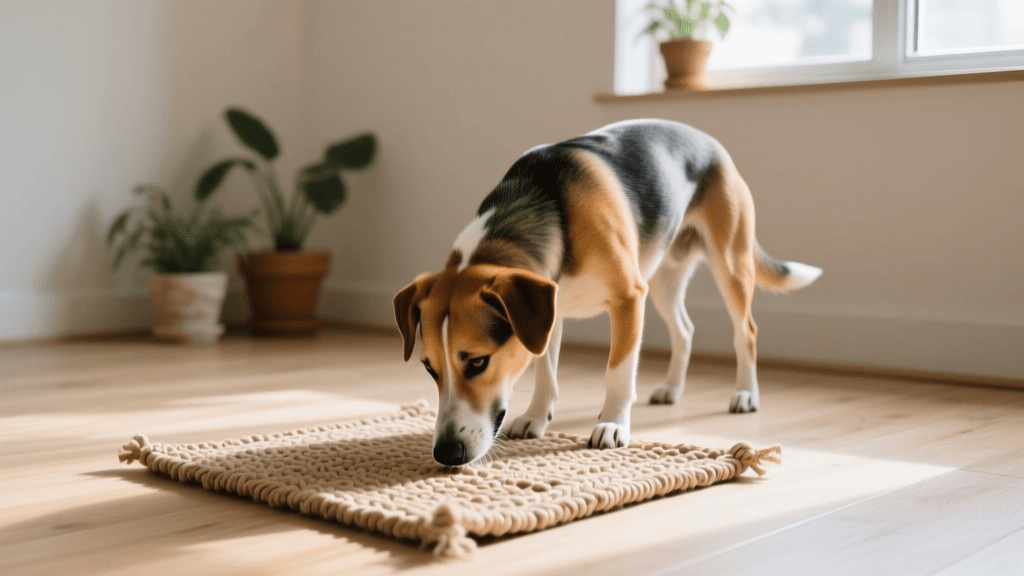
Dogs experience the world primarily through their noses. While humans possess about 6 million olfactory receptors, dogs have up to 300 million, depending on the breed. Furthermore, the part of a canine's brain devoted to analyzing smells is about 40 times proportionally larger than ours. When a dog sniffs, they are not just passively smelling; they are actively gathering complex, layered data about their environment, which provides immense mental stimulation and cognitive engagement.
In the wild, canines spend up to 80% of their waking hours foraging, scavenging, and hunting for food. Modern domestic dogs, however, are typically fed from a bowl in a matter of seconds. This profound mismatch between their evolutionary instincts and their modern lifestyle can lead to boredom, chronic anxiety, and severe behavioral issues. By introducing DIY foraging solutions, we bridge this gap, allowing dogs to engage in natural, stress-relieving behaviors that their brains are hardwired to crave.
According to the American Kennel Club, scent work and foraging activities can significantly lower a dog's heart rate and release dopamine, the brain's 'feel-good' neurotransmitter. This neurological response is why a 20-minute session of intense sniffing can leave your dog as physically and mentally exhausted as a one-hour brisk walk.
How DIY Enrichment Addresses Behavioral Issues
Destructive chewing, excessive barking, pacing, and hyperactivity are often symptoms of an under-stimulated mind. When a dog's foraging instincts are suppressed, they will inevitably find their own 'jobs' to do, which might include dismantling your favorite shoes, digging up the garden, or obsessively licking their paws.
Homemade enrichment toys provide a constructive, species-appropriate outlet for this pent-up energy. The ASPCA strongly recommends environmental enrichment to prevent behavioral problems, noting that mental exercise is just as critical to a dog's overall welfare as physical exercise. DIY solutions are particularly effective because they can be customized to your dog's specific skill level, size, and chewing habits, ensuring they remain challenged without becoming frustrated.
Step-by-Step Guide: Making a Homemade Fleece Sniff Mat
A sniff mat is a fantastic DIY project that mimics the texture and complexity of foraging in tall grass or underbrush. It requires no sewing skills and uses inexpensive, easily washable materials.
Materials and Costs
- 1 Rubber sink mat with holes (approx. 12x18 inches) - Cost: $5 to $8
- 2 to 3 Fleece blankets (avoid thick plush; standard anti-pill fleece works best) - Cost: $10 to $15
- Sharp fabric scissors - Cost: Already in your craft drawer
- High-value, dry training treats or your dog's daily kibble
Instructions
- Prepare the Fleece: Lay your fleece blankets flat. Using your scissors, cut the fleece into long strips measuring exactly 1 inch wide and 6 to 8 inches long. You will need approximately 200 to 300 strips, depending on the size of your sink mat and how dense you want the final mat to be.
- Attach the Strips: Take one fleece strip and push it through a hole in the rubber sink mat from the top down. Pull both ends of the strip so they are perfectly even.
- Tie the Knots: Tie the two ends together in a simple, tight overhand knot on the underside of the mat. Pull it taut so the fleece stands up straight on the top side.
- Repeat and Fill: Continue this process, filling every single hole in the mat. For a denser, more challenging mat, you can tie two strips into a single hole.
- Fluff and Hide: Once all holes are filled, fluff the fleece strips so they resemble a shaggy rug. Sprinkle your dog's daily kibble or small treats deep into the base of the fleece strips, forcing them to use their nose to locate the food.
Pro Tip: To increase the difficulty, fold the fleece strips in half before tying them, or mix in safe, dried herbs like chamomile or lavender to introduce novel, calming scents that engage the vomeronasal organ.
3 Quick DIY Household Foraging Puzzles
If you don't have time to craft a full sniff mat, you can create highly effective foraging puzzles using common household items in under five minutes.
1. The Muffin Tin Puzzle
Take a standard 12-cup metal muffin tin. Place a few pieces of kibble or small treats into several of the cups. Cover every cup with a tennis ball or a tightly crumpled ball of parchment paper. Your dog must figure out how to remove the 'lids' to access the food. This teaches problem-solving and paw-eye coordination.
2. The Towel Burrito
Lay an old, clean bath towel flat on the floor. Evenly scatter a handful of treats across the towel. Starting from one short end, roll the towel up tightly into a cylinder (a burrito). For an advanced challenge, tie the rolled towel into a loose knot. Your dog will have to use their nose and paws to unroll and untie the towel to find the hidden rewards.
3. The Cardboard Box Shredder
Save your empty cereal boxes, egg cartons, and toilet paper rolls. Fold the ends of the toilet paper rolls inward to close them, and place a treat inside. Put all the cardboard items into a larger shipping box (ensure all tape and staples are removed). Scatter some loose kibble at the bottom. Allow your dog to sniff, crush, and shred the cardboard to get to the food. This satisfies the natural instinct to tear apart prey carcasses.
Rotating Your DIY Puzzles to Prevent Habituation
Canines are highly intelligent and can quickly memorize the mechanics of a specific puzzle. If you leave the same muffin tin out every day, your dog will learn to flip it over in seconds, eliminating the mental challenge. To keep their brain engaged, you must rotate your DIY puzzles. Introduce the towel burrito on Monday, the sniff mat on Wednesday, and the cardboard shredder on Friday. By constantly changing the physical mechanics and the scents involved, you ensure that the foraging experience remains novel and cognitively demanding.
Comparison Chart: Commercial vs. DIY Enrichment Toys
| Feature | Commercial Puzzle Toys | DIY Homemade Puzzles |
|---|---|---|
| Average Cost | $15 - $45 per toy | $0 - $15 (often using upcycled items) |
| Customization | Fixed difficulty levels | Highly adjustable to dog's skill level |
| Durability | High (hard plastics/rubbers) | Low to Medium (fleece/cardboard) |
| Mental Stimulation | High, but dogs may memorize solutions | High, with infinite variations and novel scents |
| Washability | Wipe clean or top-rack dishwasher | Fleece mats are machine washable |
Safety First: Supervising Your Dog's DIY Play
While DIY enrichment is incredibly beneficial, it requires active supervision. Dogs, especially puppies and aggressive chewers, may attempt to ingest the materials used in homemade puzzles rather than just interacting with them to get the food.
Fleece is generally safe if a tiny fiber is swallowed, but large pieces can cause gastrointestinal blockages. Cardboard is usually passed safely in small amounts, but eating entire cereal boxes can lead to serious impactions. The Pet Poison Helpline notes that foreign body ingestion is one of the most common and expensive veterinary emergencies, often requiring surgical intervention to save the animal's life.
Always monitor your dog during foraging sessions. Once the treats are gone, promptly remove the DIY puzzle. If you notice your dog chewing and swallowing the fleece or cardboard rather than just sniffing and nudging, switch to a more durable, commercially manufactured hard-plastic puzzle toy or consult a certified canine behaviorist for tailored advice.
Conclusion
Understanding your dog means recognizing that their brain is hardwired to work for their food. By taking a DIY approach to canine enrichment, you not only save money but also gain a deeper appreciation for your dog's natural instincts. Crafting a simple fleece sniff mat or rolling up a towel burrito transforms mealtime from a mundane routine into a thrilling, instinct-driven adventure. Embrace the power of your dog's nose, and watch as their anxiety melts away, replaced by the quiet satisfaction of a job well done.
jonas-cole
All our authors care for dogs every day — read more of their work on the authors page.