Decoding Canine Calming Signals In Rescue Dogs: 2026 Guide
Learn to decode Turid Rugaas's canine calming signals in rescue dogs. Our 2026 guide covers body language, stress cues, and human mimicry techniques.
The Silent Language of Rescue Dogs
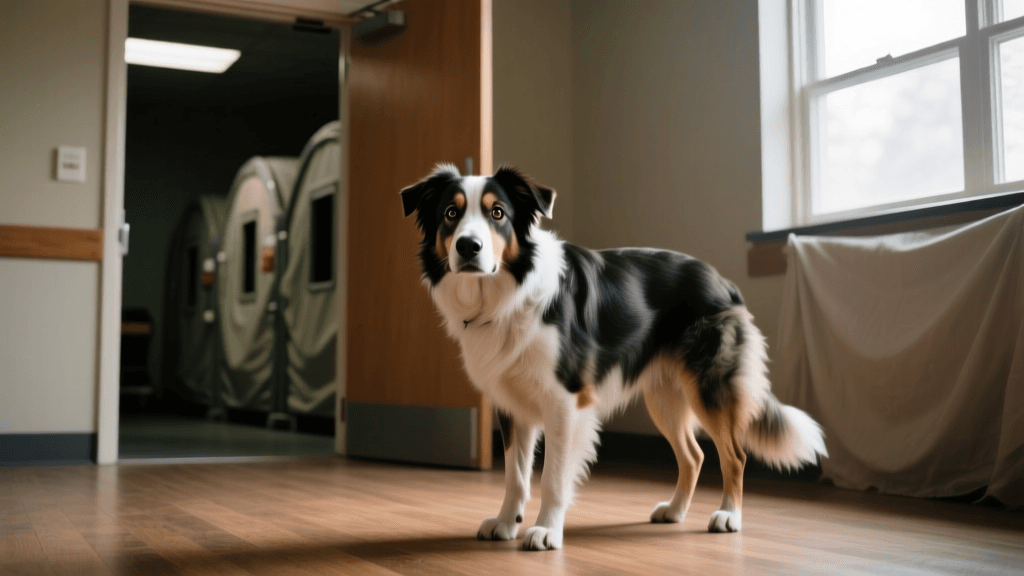
When you bring a rescue dog into your home in 2026, you are not just adopting a pet; you are welcoming a complex individual with a rich, silent vocabulary. Many rescue dogs arrive with histories of trauma, neglect, or simply the overwhelming stress of the shelter environment. In these critical early months, verbal commands often fail. Instead, your dog is speaking to you constantly through canine body language. Understanding this silent dialogue is the key to building trust.
Developed originally by Norwegian dog trainer Turid Rugaas, the concept of 'calming signals' has become a cornerstone of modern canine behavioral science. As we navigate 2026, veterinary behaviorists and certified trainers rely heavily on these signals to assess canine emotional states. Calming signals are not just cute quirks; they are vital survival mechanisms used to de-escalate tension, communicate peaceful intentions, and self-soothe in stressful situations.
What Exactly Are Calming Signals?
Calming signals are subtle, innate physical gestures dogs use to prevent conflict and calm themselves or others down. In the wild, canines cannot afford to engage in constant physical battles; injuries can be fatal. Therefore, they evolved a sophisticated system of appeasement gestures. According to the American Kennel Club, recognizing these subtle cues is essential for any owner, but it is absolutely critical for those rehabilitating anxious rescue dogs. When a dog displays a calming signal, they are essentially saying, 'I mean no harm, please do not harm me, and let us lower the tension in this environment.'
Unfortunately, humans frequently misread these signals. A dog yawning during a training session is often labeled as 'bored' or 'stubborn,' when in reality, they are experiencing cognitive overload and attempting to calm their nervous system. The ASPCA emphasizes that punishing a dog for displaying stress signals only exacerbates their anxiety, leading to a breakdown in communication and potentially triggering defensive aggression.
Top 7 Calming Signals to Watch For in 2026
1. The 'Look Away' or Head Turn
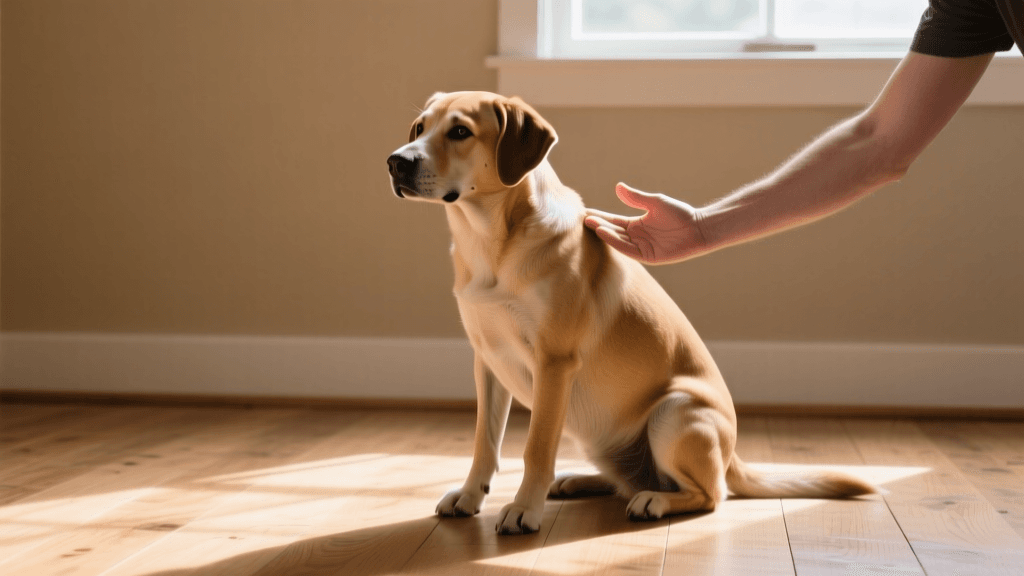
If you lean over your rescue dog to pet them and they turn their head away or avert their eyes, they are not being aloof. Direct, sustained eye contact and looming over a dog are perceived as confrontational in canine culture. By turning their head, your dog is politely asking for space and attempting to defuse the perceived threat of your looming posture.
2. Excessive Lip Licking
While a quick lick of the chops after eating is normal, rapid, repetitive lip licking when there is no food present is a primary indicator of acute stress. You will often see this at the veterinarian's office, during thunderstorms, or when a stranger approaches too quickly. It is a self-soothing mechanism that releases endorphins to help the dog cope with rising cortisol levels.
3. The Yawn Out of Context
Dogs do not just yawn when they are tired. A 'stress yawn' is often exaggerated, accompanied by a whine, and occurs in situations of social pressure. If you are scolding your dog or introducing them to a highly stimulating environment and they yawn repeatedly, they are trying to calm themselves and signal that the current interaction is too intense.
4. Sniffing the Ground
Sniffing is a naturally rewarding activity for dogs, but sudden, intense sniffing when approached by another dog or a human is a classic calming signal. It is a way of disengaging from a tense social interaction and redirecting focus to a neutral, calming activity. It signals to the approaching party that the dog is occupied and not looking for a confrontation.
5. Slow, Deliberate Movements
Fast, erratic movements trigger the predatory drift and heighten arousal in dogs. When a dog feels threatened or overwhelmed, they will often freeze or move in slow motion. If you call your anxious rescue dog and they walk toward you at a glacial pace, they are not being disobedient; they are using slow movement to signal that they are peaceful and trying to keep the interaction calm.
6. The Play Bow as a Pacifier
While the play bow (front end down, rear end up) is universally recognized as an invitation to play, it is also frequently used as a pacifying gesture. If a dog is being reprimanded or approached by an overly enthusiastic dog, they may drop into a play bow to communicate, 'Let us keep this interaction friendly and non-threatening.'
7. Sitting or Lying Down with Back Turned
Turning their back to you or another dog is a profound sign of trust and a powerful calming signal. By exposing their vulnerable rear and avoiding direct eye contact, the dog is actively shutting down any potential for conflict. If your rescue dog sits with their back pressed against your leg while facing away, they are seeking your protection while simultaneously trying to keep the environment peaceful.
Signal vs. Human Misinterpretation: A 2026 Data Table
Understanding the gap between what a dog is communicating and what a human perceives is the first step toward better cross-species empathy. Below is a breakdown of common misinterpretations.
| Canine Calming Signal | Common Human Misinterpretation | Actual Canine Meaning | Recommended Human Response |
|---|---|---|---|
| Yawning during training | Boredom, stubbornness, or lack of focus | Cognitive overload, stress, and self-soothing | End the session, lower your voice, and give the dog space |
| Sniffing ground when called | Ignoring the owner, defiance | Displacement behavior to lower social tension | Crouch down, turn sideways, and use a soft, inviting tone |
| Lip licking when hugged | Enjoying the affection, 'giving kisses' | Acute discomfort, feeling trapped, appeasement | Release the hug immediately and respect their physical boundaries |
| Slow approach when recalled | Disobedience, lack of recall training | Attempting to appear non-threatening and peaceful | Reward the approach, avoid looming, and praise calmly |
How Humans Can Mimic Calming Signals
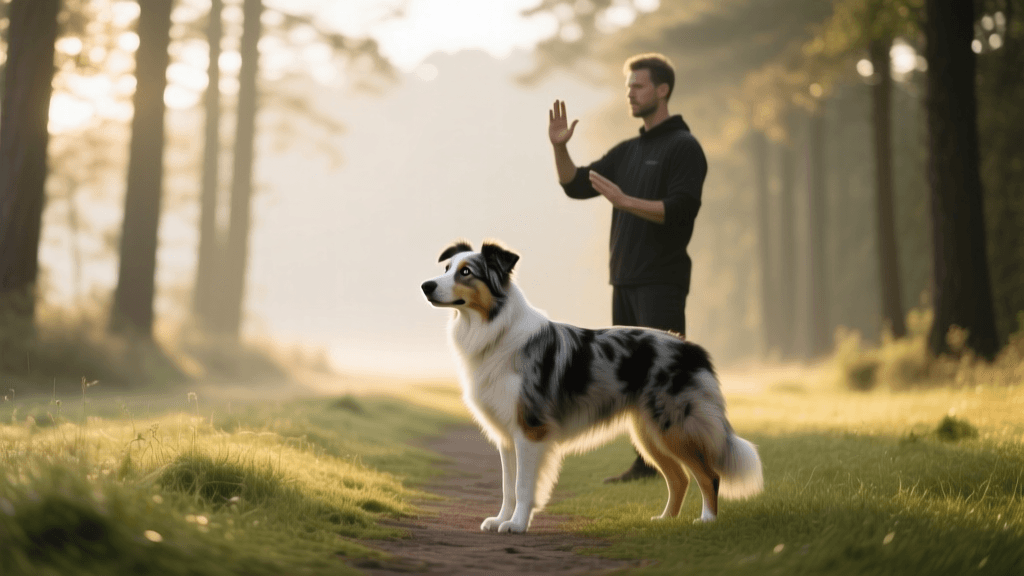
One of the most revolutionary aspects of Turid Rugaas's work is the realization that humans can mimic these signals to communicate safety to anxious dogs. In 2026, force-free trainers heavily incorporate human mimicry into rehabilitation protocols for fearful rescues.
- Turn Sideways: Never approach a fearful dog head-on. Turn your body sideways to present a smaller, less threatening profile.
- Avert Your Gaze: Avoid direct eye contact. Look slightly past the dog or down at the ground to signal peaceful intentions.
- Move Slowly: Eliminate sudden, jerky movements. Walk with deliberate, slow, and predictable steps.
- Yawn and Blink: Exaggerated, slow yawning and slow blinking can help signal to your dog that you are relaxed, which in turn gives them permission to relax.
- Crouch or Sit: Lowering your physical height reduces the intimidation factor. Sitting on the floor and ignoring the dog allows them to initiate contact on their own terms.
Integrating Calming Signals with Modern 2026 Tech
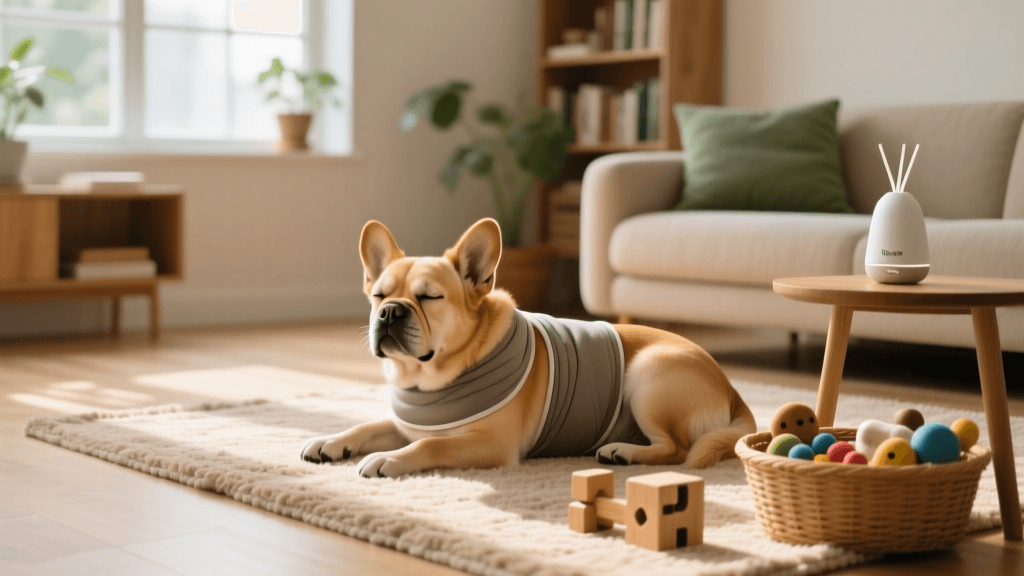
The year 2026 has brought remarkable advancements in canine behavioral technology. Modern smart collars now go beyond simple GPS tracking; they are equipped with biometric sensors that monitor Heart Rate Variability (HRV) and respiratory rates in real-time. By correlating the biometric data from these collars with your visual observations of calming signals, you can create a highly accurate 'stress map' for your rescue dog.
For example, if your smart collar app indicates a spike in your dog's stress metrics during a walk, you can immediately scan for subtle calming signals like lip licking or ground sniffing that you might have otherwise missed. This synergy between biometric data and behavioral observation allows owners to remove their dogs from overwhelming situations before the stress escalates into reactivity or a panic attack. Furthermore, AI-driven behavioral analysis apps available in 2026 can analyze short video clips of your dog's interactions, flagging micro-expressions and calming signals that the untrained human eye might overlook, providing personalized training adjustments based on your dog's unique threshold.
Final Thoughts on Canine Communication
Decoding canine calming signals is not just about preventing behavioral issues; it is about fostering a profound, empathetic bond with your rescue dog. By learning to speak their silent language, you transform from a source of confusion and pressure into a reliable, understanding partner. As you navigate the complexities of dog ownership in 2026, remember that the most powerful training tool you possess is not a high-tech gadget or a treat pouch, but your ability to observe, understand, and respect the subtle ways your dog asks for peace and safety.
aaron-whyte
All our authors care for dogs every day — read more of their work on the authors page.